On this week’s show, we have feelings about websites, then talk about the new features in iOS 16.2 and the possibility of Apple opening up the iPhone.
I’m particularly pleased with our conversation around Twitter and social media.
On this week’s show, we have feelings about websites, then talk about the new features in iOS 16.2 and the possibility of Apple opening up the iPhone.
I’m particularly pleased with our conversation around Twitter and social media.
Casey Newton, in an excellent edition of Platformer:
From the start, my strategy on Twitter has been to tell jokes about tech, use the engagement on those posts to grow a following, and then promote my work to that following. (Some people who read my tweets also became friends and sources; Twitter was great for that, too.)
Now, awaiting Musk’s latest tweets, I find myself anxious that one of his former employees could be physically assaulted or worse over what the CEO is posting. I don’t know how, in that environment, to make little jokes about Google’s latest failed messaging app, or bad PR pitches, or any of the other bits I have been doing on Twitter forever. I don’t know how to pretend that what is happening is not actually happening. I don’t want to provide, even in the smallest of ways, a respectable backdrop against which hate speech against my fellow LGBTQ people, or Black or Jewish or any other people, can flourish.
This part really resonated with me:
No company has influenced the media more in my career than Twitter has. For more than a decade it has shaped what news gets covered, how, and by whom. It is also the largest platform I have, at least by number of followers, and has been the primary way Platformer has found new customers since I launched the newsletter in 2020.
At the same time, when I started writing an email newsletter in 2017, I did so out of anxiety that I would find myself at a crossroads like this: with a malignant landlord standing in between me and the audience I had cultivated. I feel fortunate that the Platformer audience — now just shy of 100,000 readers — can make a divorce like this seem possible.
I owe a ton of my success to the early days of Twitter and the relationships that bloomed there, but those days are gone, and so am I.
Now we know what Elon Musk and Tim Cook were really talking about.
Advanced Data Protection for iCloud is an optional setting that offers Apple’s highest level of cloud data security. If you choose to enable Advanced Data Protection, the majority of your iCloud data — including iCloud Backup, Photos, Notes, and more — is protected using end-to-end encryption. No one else can access your end-to-end encrypted data, not even Apple, and this data remains secure even in the case of a data breach in the cloud. Before you turn on Advanced Data Protection, you can learn more about how your data is protected with standard data protection and if you enable Advanced Data Protection.
Before you turn on Advanced Data Protection, you’ll be guided to set up at least one alternative recovery method: a recovery contact or a recovery key. With Advanced Data Protection enabled, Apple doesn’t have the encryption keys needed to help you recover your end-to-end encrypted data. If you ever lose access to your account, you’ll need to use one of your account recovery methods — your device passcode or password, your recovery contact, or recovery key — to recover your iCloud data.
If you’re like me, when you walk through this process, you’ll be surprised at some old devices that may still be signed in to your account. To get this going, you’ll need to have all of your devices updated to iOS/iPadOS/tvOS 16.2, watchOS 9.2 and macOS macOS 13.1. I’m setting it up now, and we’ll be talking about this on Connected tomorrow.
There’s no secret that the EU and other governments are looking at Apple’s control over the App Store with an increasingly critical eye. Even with that in mind, this report from Mark Gurman is still wild:
Software engineering and services employees are engaged in a major push to open up key elements of Apple’s platforms, according to people familiar with the efforts. As part of the changes, customers could ultimately download third-party software to their iPhones and iPads without using the company’s App Store, sidestepping Apple’s restrictions and the up-to-30% commission it imposes on payments.
Over at Six Colors, Dan Moren writes:
The rationale behind such a change is the Digital Markets Act, a European law that comes into effect in 2024, which mandates more control in the hands of users instead of platform owners. Critics have taken shots at some of the aspects of this law, such as interoperability between messaging protocols, but there’s no getting around that the European Union is a major market for tech companies, and its laws have a way of enforcing sweeping changes—for good or ill. (See the similar law enforcing the use of a standard charging connector on smartphones which is reported to helped spur Apple’s decision to shift the iPhone from its proprietary Lightning connector to USB-C.)
But Apple has been a staunch defender of its App Store approach, on the ground of security and privacy—not to mention protecting its 30-percent cut. That’s proved unpopular with developers, including major opponents like Epic Games and Spotify, both of which have taken shots at Apple for its restrictions.
Opening up app installations on the iPhone would radically change how the product works for some users, but I think many would choose to continue to use the App Store exclusively.
I don’t link to every Ungeniused episode here on 512 Pixels, but today’s is my favorite in a long time.
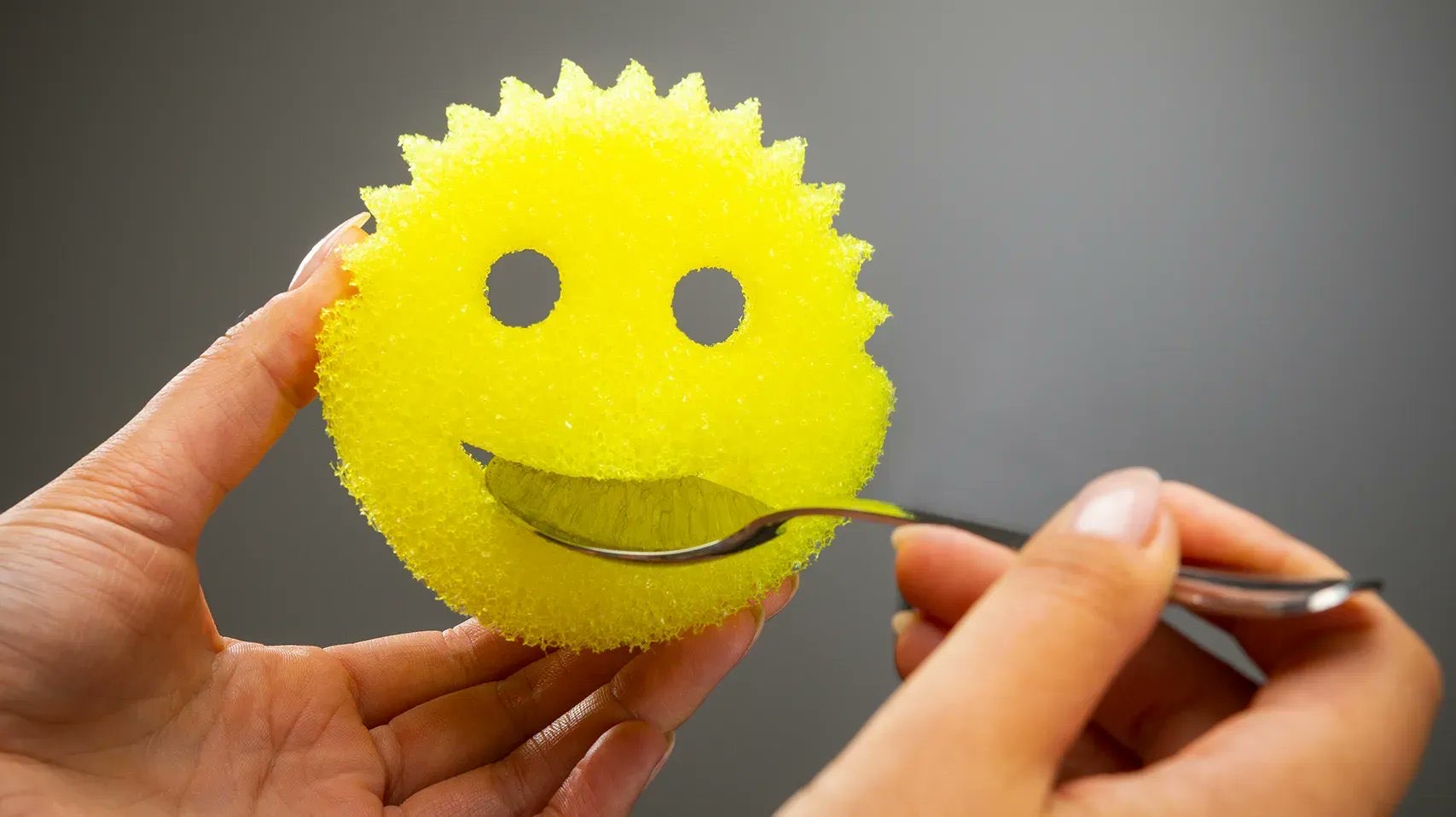
If you see a white, greasy substance in the computer’s battery bay, frequently near the battery electrical contact points, it is no cause of concern. The substance is merely a non-harmful grease that is applied during production of the iBook computer.
The grease is applied to the springs in the battery bay to help ease removal of the battery.
If there is excessive grease, you can remove it with a clean, dry, lint-free cloth.
Note: While the grease does not represent any potential harm if it comes in contact with the your skin, it should be washed off using soap and warm water.
Unite 4 for macOS allows you to turn any website into an app on your Mac. Using a lightweight, WebKit powered browser as a backend, you can easily create isolated, customizable apps from any site.
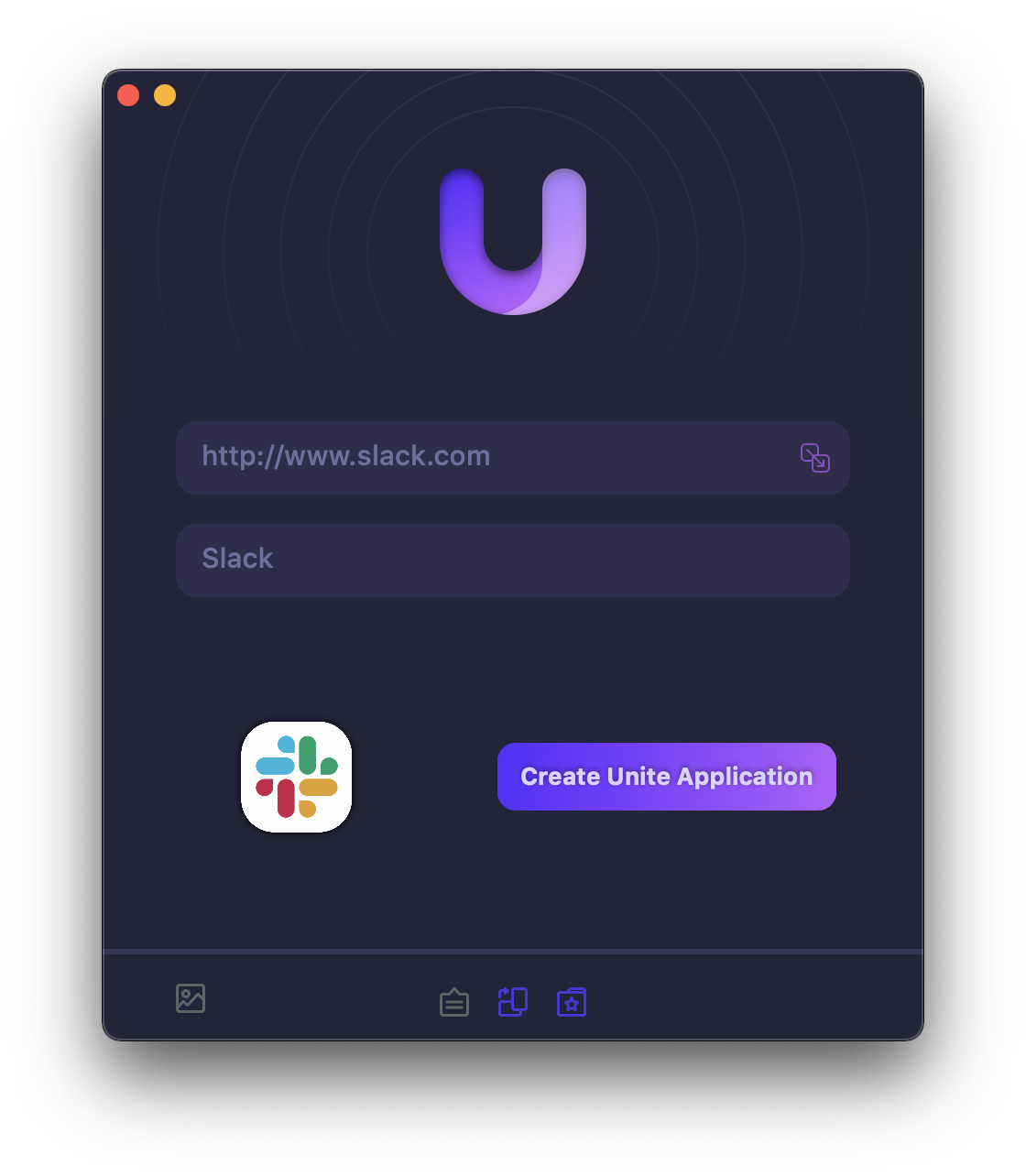
Unite 4 includes dozens of new features, including support for native notifications, new customization options, and much more. Unite apps also serve as a great alternative for resource-hogging Electron apps or half-baked Catalyst apps.
Some examples of apps you could create in mere minutes with Unite:
The newly launched Unite 4.2 makes the experience even better, with built-in password management, fully-featured status bar apps, and much more.
512 Pixels readers get 20% off this week when you purchase Unite 4 at bzgapps.com/unite512 or when you use the promo code ‘512Pixels’ at checkout.
You can also try Unite for 14 days absolutely free or use it as part of your subscription if you’re a Setapp subscriber!
NASA’s Orion spacecraft splashed down in the Pacific Ocean, west of Baja California, at 9:40 a.m. PST Sunday after a record-breaking mission, traveling more than 1.4 million miles on a path around the Moon and returning safely to Earth, completing the Artemis I flight test.
Splashdown is the final milestone of the Artemis I mission that began with a successful liftoff of NASA’s Space Launch System (SLS) rocket Nov. 16, from Launch Pad 39B at NASA’s Kennedy Space Center in Florida. Over the course of 25.5 days, NASA tested Orion in the harsh environment of deep space before flying astronauts on Artemis II.
As Eric Berger writes at Ars Technica, this marks the end of a historic mission:
This has not happened in half a century. At times, it seemed like it might never happen again. But now, it is most definitely happening.
NASA’s progress back toward the Moon, and one day potentially Mars, has been at times lethargic. The political process that led NASA to this point in recent decades was messy and motivated by parochial pork projects. But on Sunday there could be no denying that this process has brought NASA, the United States, and dozens of other nations participating in the Artemis Program to the point where its human deep space exploration program is a very, very real thing.
It has been a long time coming.
Somehow, we’ve reached the 50th anniversary of the final crewed lunar Apollo mission, so Jason and I are back with a Liftoff episode breaking it all down.
It’s great to see Tim Dodd from Everyday Astronaut on the list, but one woman on a prime crew of eight is disappointing.