Time Flies When You’re Peddling Filth

Kate Conger, Dylan Freedman, and Stuart A. Thompson at The New York Times:

Elon Musk’s artificial intelligence chatbot, Grok, created and then publicly shared at least 1.8 million sexualized images of women, according to separate estimates of X data by The New York Times and the Center for Countering Digital Hate.

Starting in late December, users on the social media platform inundated the chatbot’s X account with requests to alter real photos of women and children to remove their clothes, put them in bikinis and pose them in sexual positions, prompting a global outcry from victims and regulators.

In just nine days, Grok posted more than 4.4 million images. A review by The Times conservatively estimated that at least 41 percent of posts, or 1.8 million, most likely contained sexualized imagery of women. A broader analysis by the Center for Countering Digital Hate, using a statistical model, estimated that 65 percent, or just over three million, contained sexualized imagery of men, women or children.

Artemis II Set to Send Crew Around Moon, Echoing Apollo 8

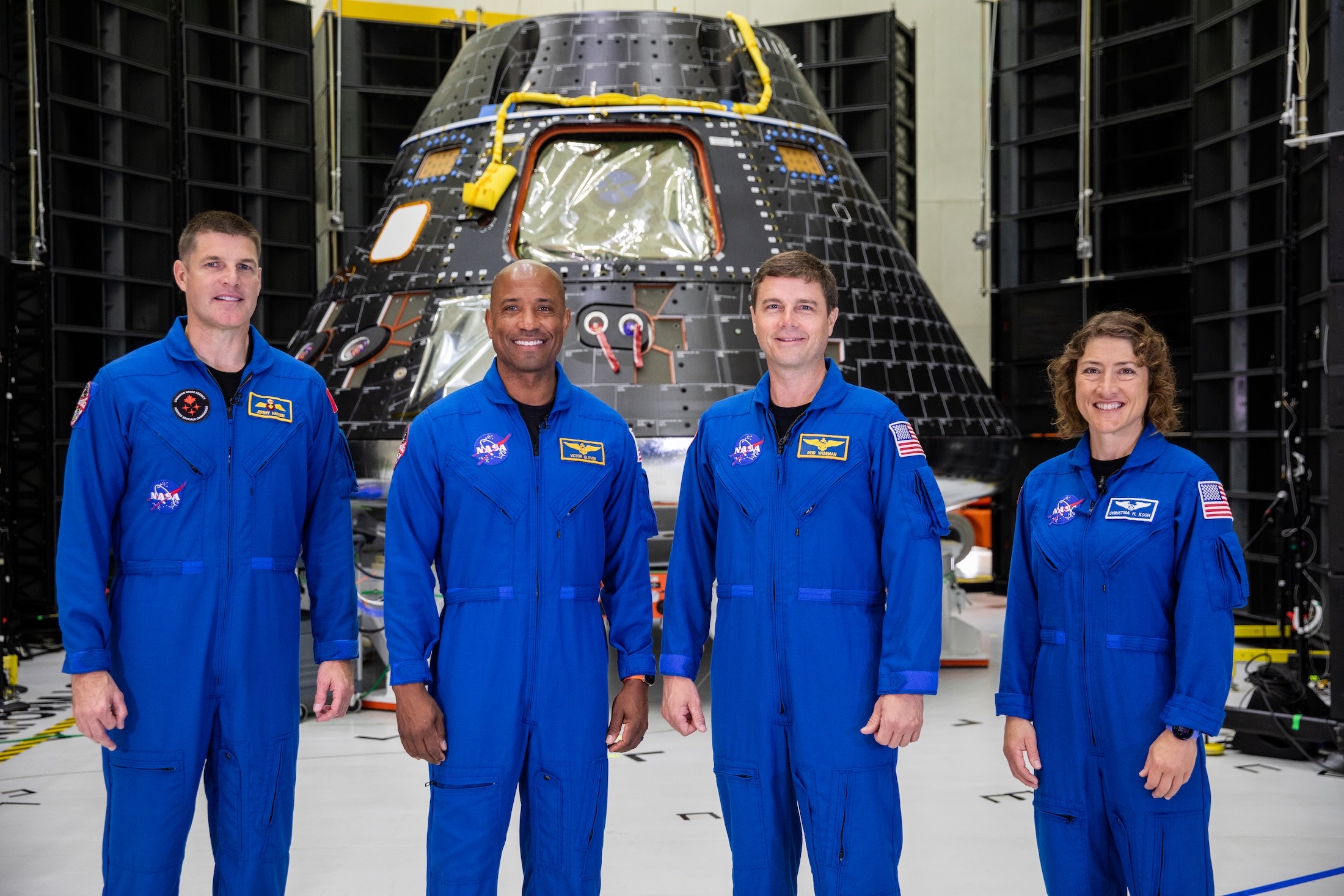
If everything goes to plan, NASA’s giant Space Launch System rocket will launch in early February with four astronauts strapped into the Orion capsule:

  • Jeremy Hansen, mission specialist
  • Victor Glover, pilot
  • Reid Wiseman, commander
  • Christina Hammock Koch, mission specialist

Crew

This will be the SLS’ second time to launch, after a successful test flight back in 2022. That test included an uncrewed Orion that showed unexpected damage to the capsule’s heat shield. In December 2024, NASA released a report outlining what caused the damage. The good news was that the program was ready to move forward:

While Artemis I was uncrewed, flight data showed that had crew been aboard, they would have been safe. The temperature data from the crew module systems inside the cabin were also well within limits and holding steady in the mid-70s Fahrenheit. Thermal performance of the heat shield exceeded expectations.

Engineers understand both the material phenomenon and the environment the materials interact with during entry. By changing the material or the environment, they can predict how the spacecraft will respond. NASA teams unanimously agreed the agency can develop acceptable flight rationale that will keep crew safe using the current Artemis II heat shield with operational changes to entry.

For Artemis II, the crew will be sent some 4,600 miles beyond the moon on a four-day trip. The mission is designed to confirm that the SLS and Orion operate as expected with a crew onboard in deep space.

Many NASA-watchers have been critical of the SLS program. The rocket is far more expensive to build and launch than something like SpaceX’s Falcon Heavy and Blue Origin’s New Glenn. A single Artemis launch (complete with hardware) is expected to exceed $4.1 billion.

Artemis II

As it stands today, the SLS is the most powerful rocket at NASA’s disposal, and future versions of the SLS will be able to lift more than private vehicles, but those companies have shown they can innovate far faster (and for far less money) than NASA and its partners.

Like previous NASA vehicles, SLS is built by a stunning array of contractors and manufacturers scattered across the country. That makes it a difficult thing to vote against if you’re in Congress with NASA’s budget on your desk.

Concerns over the SLS also extend to the technology it uses, much of which was lifted from the space shuttle program. For example, the solid rocket boosters on the side of the rocket are upgraded versions of what made the shuttle so dangerous to launch. Once the solid rocket boosters are ignited, they cannot be turned off, and jettisoning them while they are burning is not an option.

Another leftover from the shuttle is the bundle of RS-25 engines found at the base of the core stage. The SLS for Artemis II is using all recycled and upgraded engines that flew on shuttle missions. Eventually, new RS-25s will need to be built.

Like the core stage itself, these solid rocket boosters and RS-25s are going on a one-way trip. This is in stark contrast to the space shuttle program, which would refurbish and reuse shuttle engines, while the large white SRB enclosures would be fished out of the ocean and reused.

This is also in stark contrast to the work being done by SpaceX, Blue Origin, and others to make launch hardware easily and safely reusable.

Adding to the expense and complexity is the time it has taken NASA and its partners to bring the Artemis program to this point. They are years late.

It’s easy to look at all of the criticism and think that Artemis II should be written off. I think the SLS should have been canceled a decade ago, but I’m still excited and inspired by what this mission means. The space shuttle and International Space Station should not have come at the cost of leaving the moon behind. Gene Cernan was the last person to walk on the moon, way back in 1972. Hansen, Glover, Wiseman, and Koch won’t be landing on the moon, but having a presence in lunar space is a huge step back to exploring our closest neighbor.

In many, many ways, Artemis II has the same spirit as Apollo 8. Flown in December 1968, it was humanity’s first time around the moon. Frank Borman, Jim Lovell, and William Anders were the first three people to see the far side of the moon with their own eyes.

The mission’s technical goals were critical to a future landing. Apollo 8 was designed to:

  • ensure that NASA could pull off a trans-lunar injection, getting crews to the moon safely.
  • verify that the hardware and procedures for deep space navigation & communication worked as expected.
  • survey potential landing sites for future missions.
  • verify flight hardware, including the Apollo capsule, was ready for deep space

That list of to-do items is very similar to that of the Artemis II mission. It’s exciting to imagine what it will feel like to watch the next lunar landing on television, just as my parents did in 1969.

There’s something else about Apollo 8 that I think is relevant today. It’s a photo named named Earthrise that still stuns, over 50 years later:

Earthrise

all images courtesy of NASA

Taken by Bill Anders, it shows our world, hanging in darkness, above the lunar surface. At that distance, the strife of the late 1960s isn’t apparent. Events like the nightmarish Vietnam War and the scourge of Jim Crow weren’t visible to the crew. Surely they carried those events with them, but in that moment, I like to think that the crew felt peace. I think that’s reflected in their reading of Genesis 1:1-10.

The truth is, their world is not entirely dissimilar to our own. Turn on the news, and you don’t have to wait long to see images of war and oppression. Prejudice and hatred are still present today.

That’s why I am excited about Artemis II. It’s not about a rocket or a crew or a future moon landing or even a look outward to Mars and beyond. These moments are a reminder that we can do great things, and that our fellow Earth-dwellers should be treated the way we want to be treated.

We need another Earthrise moment, something only possible by looking at our world from the outside.

Memphis Press Turning Blind Eye to Grok’s Creation of Sexual Deepfakes of Adult and Children

At the end of December, stories began to break about Grok being used by X users to generate non-consensual sexual imagery of people, including children.

I’ve been writing about xAI for over a year, as the company has built two massive data centers here in my hometown of Memphis, Tennessee. There have been concerns about the natural gas turbines powering the data centers and the amount of water xAI was using to keep its hardware cool.

Most of those concerns have been raised by citizens, while local leaders, including mayors and the Chamber of Commerce, have welcomed xAI and other companies to the region, which they’ve dubbed the “Digital Delta.”

I understand that. Elected officials have a thousand competing priorities, and Memphis is a city with an unemployment and poverty rate higher than the national average. When big companies turn an eye to our region, those in charge have to take notice.

xAI promised a huge investment in the Mid-South, creating both jobs and generating a positive economic impact. Loads of folks have worked on getting its data centers built, wired, plumbed, and powered. xAI’s presence has garnered attention nationwide, and other companies — including Google — are planning to make the Memphis area home to future data centers.

Our leaders have rushed to be cheerleaders of these developments, but are far slower to criticize or question the company over environmental or moral concerns.

On January 5, I published my first column about Grok being used to generate non-consensual sexual imagery of adults and children. In it, I wrote:

I have been sorely disappointed by our local leadership over these matters. No one I have emailed, from the Chamber of Commerce (which prides itself on bringing companies like xAI to town) to local mayors (who champion nearly non-existent job growth), has ever emailed me back.

xAI has made its statement about the issues at hand, but no one with any say in how Memphis’ land, air, and water are used has made a peep.

Today, I extend that disappointment to our local press.

Let’s start with The Daily Memphian, an online-only newspaper launched in 2018 that “reports on critical news, holds political, business and community leaders accountable, and engages with and entertains its readers – all while seeking truth, acting with integrity, and never fearing stories simply because of their negative or positive attributes.”

(Disclosure: I’ve been a paid subscriber to the paper since it launched, and was a paid consultant for it as the staff spun up their podcasting efforts in 2020.)

Until today, the paper has not mentioned the Grok story. Earlier today, it published an Associated Press article about Ashley St. Clair’s lawsuit against X and xAI after users of the platform had Grok create sexual deepfakes of her.

(For those unfamiliar, St. Clair is the mother of one of Elon Musk’s children.)

This was the paper’s first article mentioning Grok’s current controversy. From January 1st to the 18th, xAI was mentioned over 20 times, according to the site’s search tool. Not one of those articles mentions Grok undressing adults and minors.

The same day, Samuel Hardiman, The Daily Memphian reporter who closely covers xAI, published an article titled “With Musk’s Mississippi turbines, controversy meets innovation,” touching on many of the topics I covered in this column about xAI’s use of natural gas turbines in Southaven, Mississippi.

This is an important topic, but given the headline, I had assumed he would be covering Grok’s new depraved hobby or xAI’s response to it, but I was mistaken.

Now let’s turn to The Commercial Appeal, Memphis’ older and more traditional newspaper. While its size and impact have shrunk over the years, its presence in our city is still important. Like The Daily Memphian, the CA has written about xAI for years, including recent coverage written by Neil Strebig. Like that of its younger and more online competition, this writing has no mention of Grok creating sexual deepfakes of adults and children.

On the TV side of things, the Nexstar-owned WREG Channel 3 has run several stories on their website about Grok becoming a filth merchant, all from the Associated Press.

The other major TV station here is Action News 5. Their website’s search tool shows a few of the same AP stories WREG has re-published.

While they are not a media organization, I thought it would be good to check in with the Greater Memphis Chamber of Commerce, which features xAI on its homepage. I’ve reached out to the Chamber several times for comment on various xAI stories, but have never heard back. Neither its blog nor press release library has anything related to this story.

Like Apple and Google, these outlets have full knowledge of what is going on. They have the power to question xAI leadership over this story, and when that leadership inevitably doesn’t respond, write about it anyway.

When deepfakes and CSAM are being generated by data centers in our city, local media have an obligation to report on it, not put their heads in the sand and hide behind a few AP reports. To be silent on this issue and how Elon Musk and his various companies have responded to it is shameful.

EPA Rules Against xAI in Memphis Natural Gas Turbine Case as Residents Push Back Over Their Use in Southaven, Mississippi

Tim De Chant at TechCrunch:

Elon Musk’s xAI has been illegally operating dozens of natural gas turbines to power its Colossus data centers in Tennessee, the Environmental Protection Agency ruled Thursday. The AI company has argued that because the turbines were being used on a temporary basis, they were exempt from regulations. The EPA disagreed and issued its final rule on the matter, which has been in the works for over a year, declaring that xAI was in violation.

The power plants drew the ire of local communities and legal organizations. The company was facing a lawsuit for contributing more ozone and particulate emissions in an already polluted region. The company was operating as many as 35 turbines, and only 15 were ultimately permitted. Today, xAI has 12 turbines providing power to its data centers there.

I’m surprised that 1) we still have an EPA and 2) that it ruled against xAI in this case. Time will tell if the company runs into similar legal issues in the state of Mississippi, where the company is currently operating 18 natural gas turbines just south of the state line, on Stanton Road. That power is then piped a few miles north to xAI’s second site in Memphis:

xAI maps

Public records indicate regulators “signed off on the turbines operating without an air-emissions permit using the same loophole in federal environmental regulations as the Shelby County Health Department did in Memphis,” according to The Daily Memphian.

Plans reportedly include up to 41 turbines being used, six more than were spinning in Memphis at the height of their usage. This should have been no surprise to anyone paying attention.

As has been the case in Memphis itself, some citizens are not happy about this. Brandon LaGrone II, reporting for The Daily Memphian, back on January 7:

Tensions between Southaven leadership and residents reached a fever pitch Tuesday night as a packed room of citizens demanded action against the noise and environmental impact of the new xAI facility.

The group, known as the Safe and Sound Coalition, attended the Board of Mayor and Aldermen meeting to demand an immediate halt to operations at the xAI facility located at 2875 Stanton Road.

They brought a petition with over 700 signatures from residents in Southaven, Horn Lake and Memphis, a significant increase from the 400 signatures reported just weeks prior.

The meeting at Southaven’s City Hall had nearly every seat filled by concerned citizens. The atmosphere was charged from the moment Mayor Darren Musselwhite opened the session.

Immediately following the prayer and pledge of allegiance, Musselwhite issued a stern warning regarding the conduct of the assembly.

“What we’re doing here tonight, this is a city board meeting by state law,” Musselwhite said. “It is not a public forum, although we do like to hear from our citizens at all times. It is not a place for political expression or debate. There will be order in the meeting.”

The mayor emphasized his authority to preside over the gathering, warning that anyone speaking out of turn would be removed.

I have reached out to Musselwhite’s office a couple of times over the last several months, but have never heard back from anyone there. He has continued to back the company and its use of turbines to power, but has made no comment about xAI’s Grok being used to create nonconsensual sexual deepfakes.1


  1. If you are somehow still using X, now really is the time to leave. Do you really want to be using a platform where this sort of material is just one mention away from popping into your timeline? 

Apple Creator Studio Announced

Back in the day, Apple had three suites of applications:

  • iWork, which started with Keynote and Pages, then Numbers
  • iLife, which included iTunes, iPhoto, iMovie, iDVD, GarageBand, and for a short time, iWeb.
  • Final Cut Studio, which was home to Final Cut Pro, Motion, Soundtrack Pro, DVD Studio Pro, Color, Compressor, Cinema Tools, and Qmaster.

Apps like Aperture and Final Cut Express were also around for a while. Meanwhile, Logic and MainStage are just out there doing their own things. I don’t even know what’s going on with Freeform, as it’s updated with OS releases, not as a standalone app like the others.

Over the years, this slowly broken down. iTunes became it’s own thing. The only iLife apps left are iMovie and GarageBand, even if Photos is the successor to iPhoto. The iWork apps all moved out to their own places years ago.

Starting on January 28,1 the bundle is back. Here’s a bit from the press release announcing Apple Creator Studio:

Apple today unveiled Apple Creator Studio, a groundbreaking collection of powerful creative apps designed to put studio-grade power into the hands of everyone, building on the essential role Mac, iPad, and iPhone play in the lives of millions of creators around the world. The apps included with Apple Creator Studio for video editing, music making, creative imaging, and visual productivity give modern creators the features and capabilities they need to experience the joy of editing and tailoring their content while realizing their artistic vision. Exciting new intelligent features and premium content build on familiar experiences of Final Cut Pro, Logic Pro, Pixelmator Pro, Keynote, Pages, Numbers, and later Freeform to make Apple Creator Studio an exciting subscription suite to empower creators of all disciplines while protecting their privacy.

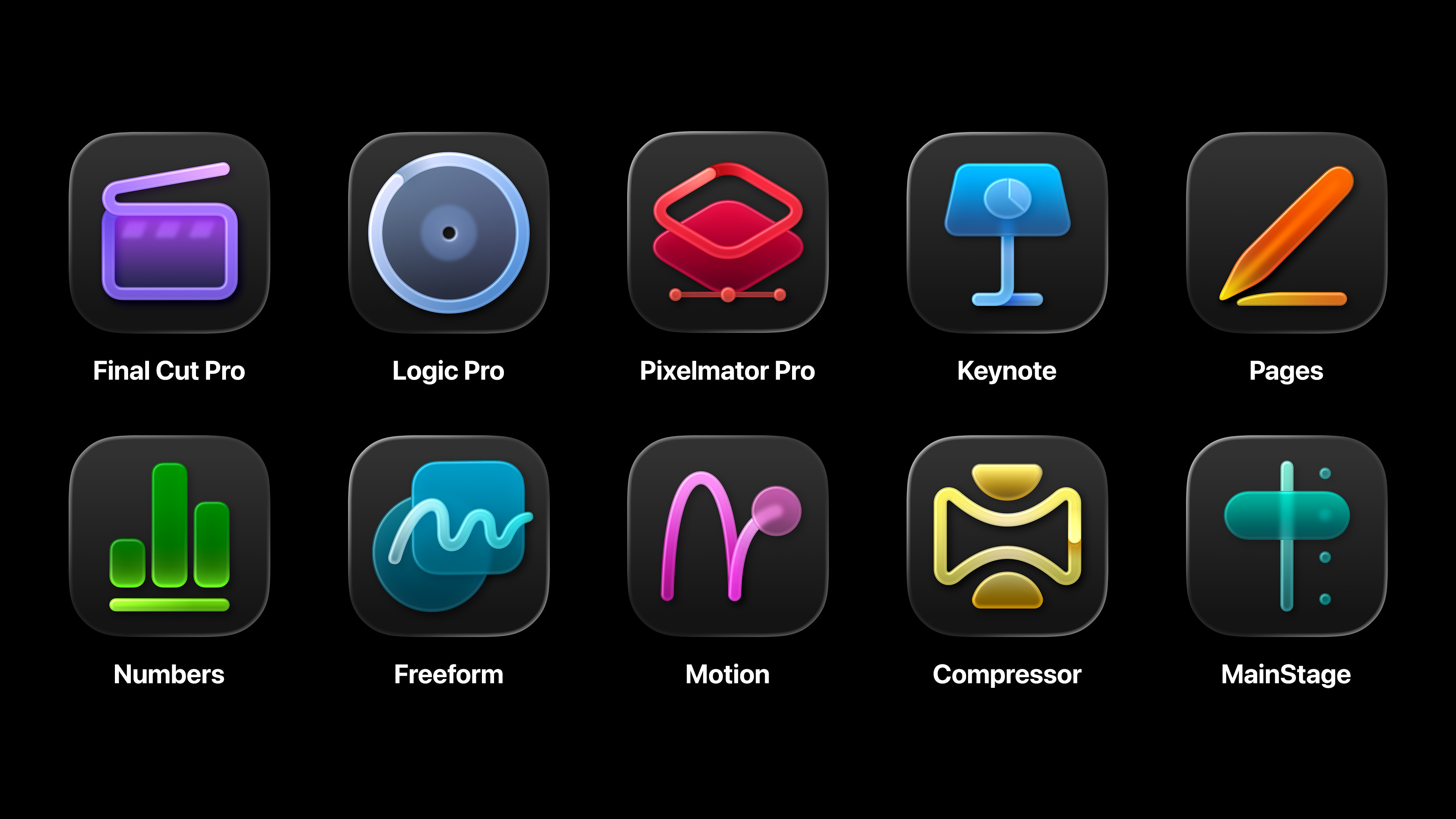
The new bundle also brings new branding to these apps:

Apple Creator Studio

(I love the icons.)

This bundle is clearly designed for prosumers and professionals, as these apps are going to be included in Apple Creator Studio:

  • Final Cut Pro (macOS and iPadOS)
  • Logic Pro (macOS and iPadOS)
  • Pixelmator Pro (macOS and iPadOS)
  • Motion (macOS)
  • Compressor (macOS)
  • MainStage (macOS)

Apple Creator Studio will cost $12.99/month or $129/year, with a one-month free trial. New Macs and “qualifying” iPad purchases will come with a three-month trial. (Family Sharing is supported.)

According to Joe Rossignol at MacRumors, Apple Creator Studio isn’t eating all of Apple’s creative apps:

Final Cut Pro, Logic Pro, Pixelmator Pro, Motion, Compressor, and MainStage will each remain available for one-time purchase, and free versions of the Numbers, Pages, Keynote, and Freeform apps will continue to exist. However, only Apple Creator Studio subscribers will receive access to some of the premium new AI features and content.

Ah yes… premium content and AI features… back to the press release:

With Apple Creator Studio, productivity gets supercharged with all-new features that bring more intelligence and premium content to creators’ fingertips so they can take their projects to the next level. The Content Hub is a new space where users can find curated, high-quality photos, graphics, and illustrations. A subscription also unlocks new premium templates and themes in Keynote, Pages, and Numbers.

In addition to Image Playground, advanced image creation and editing tools let users create high-quality images from text, or transform existing images, using generative models from OpenAI.12 On-device AI models enable Super Resolution to upscale images while keeping them sharp and detailed, and Auto Crop provides intelligent crop suggestions, helping users find eye-catching compositions for photos.

To help users prepare presentations even more quickly in Keynote, Apple Creator Studio includes access to features in beta, such as the ability to generate a first draft of a presentation from a text outline, or create presenter notes from existing slides. Subscribers can also quickly clean up slides to fix layout and object placement. And in Numbers, subscribers can generate formulas and fill in tables based on pattern recognition with Magic Fill.

I don’t love features in apps like Keynote, Numbers, Pages, and Freeform being put behind a paywall. These apps are used by millions of people every day, and make Apple’s ecosystem better for each of them.

However, I totally understand that professional apps have moved to a subscription model. Heck, I pay Adobe over $60/month for access to its suite of creative applications that I rely on almost every day.2 Compared to that cost, Apple Creator Studio at $12.99/month or $129.99/year looks like a deal. If you’re a college student, it’s even better: just $2.99/month or $29.99/year.


  1. Which will be my 40th birthday. Woof. 
  2. A large part of this is due to Adobe’s various bundles. I really only need Photoshop, Illustrator, and Audition, but they can’t be combined on a less expensive plan. Such is life in the 2020s. 

Review: The MacBook Pro

This week marks the 20th anniversary of the original MacBook Pro. In the spirit of this article, I’m going to review it as if I were blogging about Macs back in 2006. Just go with me here.


My Laptop History

I have been a PowerBook G4 user since 2002, when my boss handed me a 1 GHz Titanium PowerBook to use for page layout, audio editing, and other media tasks at the non-profit where I spent time after school and on weekends.

Here I am, posing with that laptop because that’s what you did in high school when you had a PowerBook and long hair:
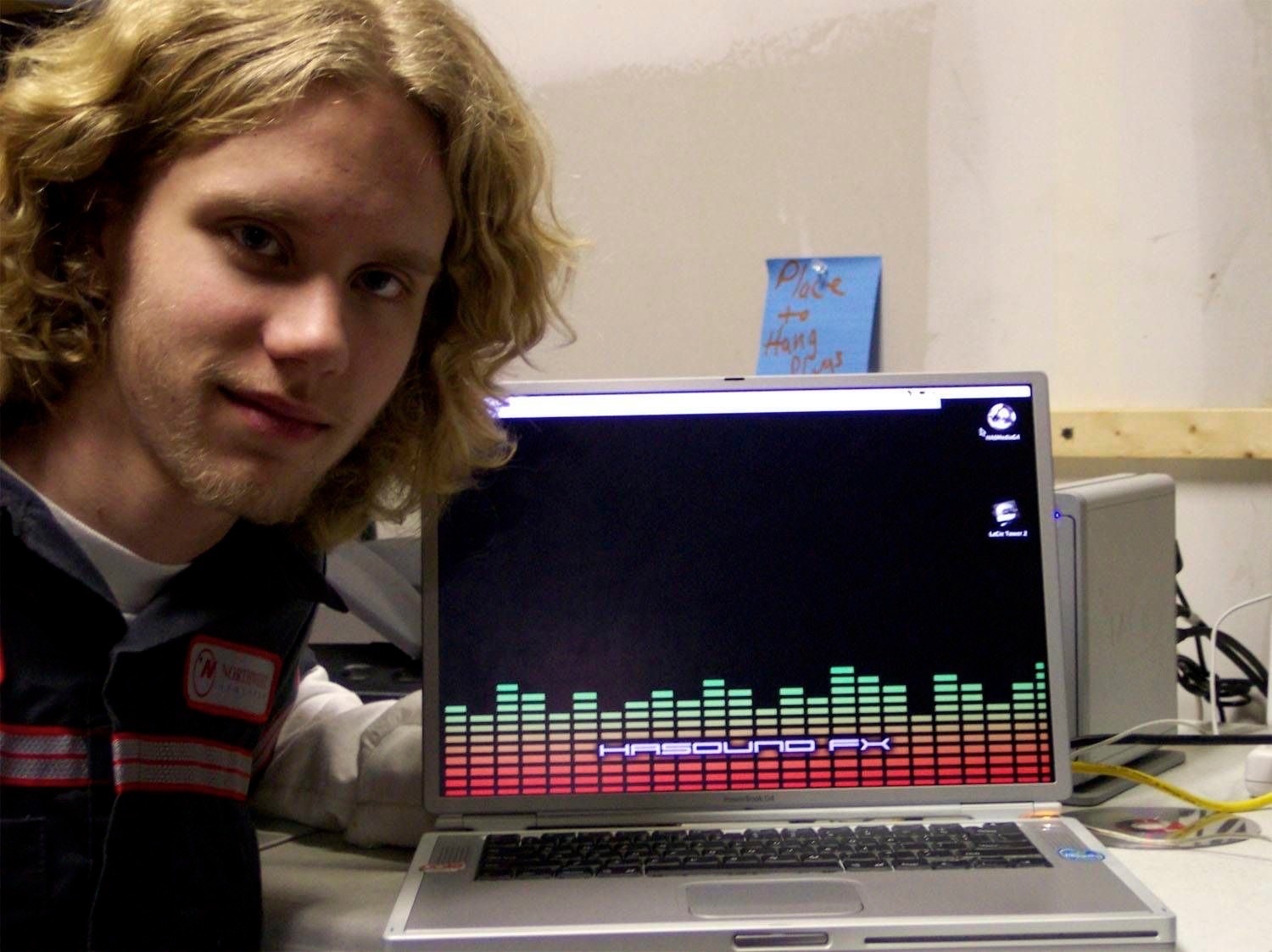
2004 Stephen

To clear up any confusion, that sticky note said “Place to hang plugs,” not “Place to hang drugs.”

I used this TiBook until sometime about a year ago, in early 2005. Then, the same boss upgraded me to a 15-inch aluminum PowerBook running at 1.33 GHz. The new design was less playful, but far less fragile. Here I am about a year ago, working at an event with my girlfriend Merri. My PowerBook was running a projector and audio, and didn’t skip a beat.
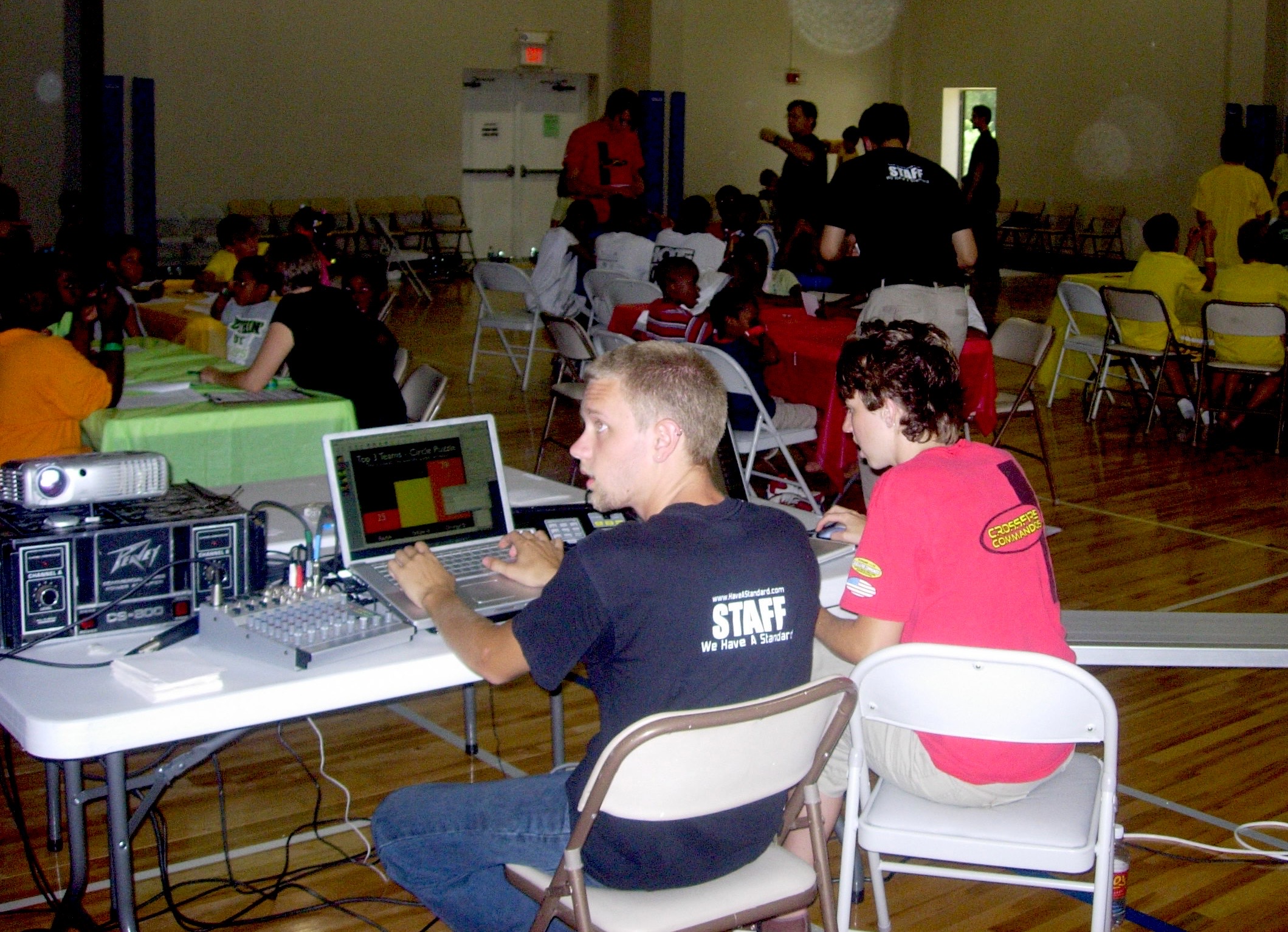
2005 Stephen

Having used both the Titanium and Aluminum PowerBook, I can tell you that Apple has hit a bit of a wall with performance. Sure, the newer model is faster than the older one, but if I need to really crunch some audio or push some pixels, I turn to the Power Mac G5 we have in the office, even if it makes some weird noises under load.

It has become clear over the last few years that a PowerBook G5 isn’t in the cards, and as PowerPC’s progress has stalled, rumors of something new have been percolating.

The Intel Announcement

Just six months ago at WWDC 2005, we learned what was coming. Here’s a bit from Apple’s press release:

At its Worldwide Developer Conference today, Apple announced plans to deliver models of its Macintosh computers using Intel microprocessors by this time next year, and to transition all of its Macs to using Intel microprocessors by the end of 2007. Apple previewed a version of its critically acclaimed operating system, Mac OS X Tiger, running on an Intel-based Mac to the over 3,800 developers attending CEO Steve Jobs’ keynote address. Apple also announced the availability of a Developer Transition Kit, consisting of an Intel-based Mac development system along with preview versions of Apple’s software, which will allow developers to prepare versions of their applications which will run on both PowerPC and Intel-based Macs.

“Our goal is to provide our customers with the best personal computers in the world, and looking ahead Intel has the strongest processor roadmap by far,” said Steve Jobs, Apple’s CEO. “It’s been ten years since our transition to the PowerPC, and we think Intel’s technology will help us create the best personal computers for the next ten years.”

I remember being excited when this news broke last summer, but others have felt conflicted about it. We all wanted faster Macs, but some have worried that, with Intel inside, the Mac would somehow feel less special.

There were also software concerns, but Apple seems to have addressed them, as John Gruber wrote at Daring Fireball:

Rosetta — the technology that allows existing PowerPC software to “just work” on Intel-based Macs — is the missing link that makes this transition possible. “Emulator” is perhaps not quite an apt description; Apple seems to prefer the term “translator”. The specific description I’ve heard is that it is “dynamic binary software translation”. I’m curious to know more about how it works, but the only important questions are whether — as it was described in a slide during the keynote — it’s “Fast (enough)”, and how many important apps run under it. We should find out soon enough, when benchmarks start leaking from seeded developers. (Their NDA forbids publishing benchmarks based on the developer transition kit hardware, but come on, you know they’re going to leak anonymously.)

I think the best way to think about Rosetta is as a bridge, giving developers time to build their apps for OS X on x86. Speaking of time…

The First Intel Macs

I’m not sure many folks who pay attention to Apple thought the Macworld 2006 keynote would feature Intel Macs, including John Gruber, who wrote::

NEW MACS BASED ON INTEL PROCESSORS: I say no. Everyone who’s calling for this announcement seems to be taking stance that it’d be cool for everyone involved if Apple has managed to get Intel-powered machines out the door a few months earlier than expected. But it wouldn’t be cool for developers who took Apple at its word at WWDC, when they were told that Intel-based Macs could be expected in the spring or early summer.

Releasing Intel-based Macs now might be popular with the keynote crowd and the tech press, but it would come at the expense of a bit of Apple’s credibility with developers. As late as September 20, Steve Jobs said the following regarding when Intel-based Macs would ship: “We said we’d be shipping by next June and we are on track to have that be a true statement,” said Jobs. As was pointed out recently in MDJ, if Apple were to release Intel-based Macs now, in January, the next time Apple tells developers they have a year to get on board with something new, developers will feel like they’ve got to drop everything and do it immediately.

Amazingly, Intel Macs were the headline news coming out of the Moscone Center. Apple announced both an Intel-powered iMac and a full-blown replacement for the PowerBook G4, named the MacBook Pro.

(I don’t love the name, but I’d bet money the iBook G4 will be replaced with a MacBook at some point. If it gets redesigned, I’d dig a black one.)

Weirdly, the previous iMac G5 isn’t very old, having been upgraded with a thinner design and a built-in iSight camera and the amazing Front Row just a few months ago. I feel bad for folks who picked up one of those machines.

Macworld’s Jason Snell published a helpful FAQ rounding up the news about these new Macs. It’s a deep dive into some of the technical aspects of the transition, but also includes some of the helpful consumer advice Macworld is known for:

Now that the first new Intel Macs have come out, should I go buy one?

It depends. Our lab tests indicate that an iMac Core Duo does run native applications 1.1 to 1.3 times as fast as an iMac G5, and performs even better with applications that take advantage of multiple processors. And if you’ve gone a few years between iMac upgrades, you’re likely not to even notice the performance hit when running applications with Rosetta.

Even though I am a lowly journalism student in college, I have one of these new MacBook Pros here on my desk, so let’s get it into it.

The MacBook Pro’s Design

The MacBook Pro’s design is very similar to that of the aluminum PowerBook. Ports are located along the sides of the metal enclosures, and the backlit keyboards are indistinguishable between the machines. These two Apple press photos show just how similar they are:

PowerBook vs MBP

The new laptop is slightly larger, though. Here’s Jacqui Cheng over at Ars Technica:

The MacBook Pro is 0.1 inches deeper, 0.4 inches wider, 0.1 inches thinner, and exactly the same weight as the 15″ Aluminum PowerBook G4. An 0.4 inch width difference is a seemingly insignificant yet important detail to make note of, as it makes squeezing the MacBook Pro into previously-owned sleeves, bags, and accessories made for other 15″ Apple notebooks something like desperately trying to zip up that pair of tight high school jeans while laying on your back and holding your breath — it may technically “fit” but, it doesn’t quite, if you know what I mean.

I have only noticed this week, trying to drop the MacBook Pro into my Timbuk2 messenger bag (which is the same color as the one shown in Cheng’s article). On a desk, the dimensions are so similar that most people won’t notice.

The MacBook Pro’s physical changes are more than just dimensional tweaks. Above the display — which has lost 60 pixels of vertical resolution but is now much brighter — is a built-in iSight camera. This means making a video call over iChat or goofing off in Photo Booth no longer needs Apple’s external iSight and its FireWire cable.

I think the new charger is even more exciting. Dubbed “MagSafe,” this is a brand-new way to charge a notebook. Here’s how Apple describes it:

The new power adapter with MagSafe connector is just that: a magnetic connection instead of a physical one. So, tripping over a power cord won’t send MacBook Pro flying off a table or desk; the cord simply breaks cleanly away, without damage to either the cord or the system. As an added nicety, this means less wear on the connectors.

Remarkably, it’s about the size of a USB port:

MagSafe port

I keep finding myself playing with the MagSafe charger. Peeling it off the side of the laptop takes just the right amount of force, and it reconnects with a reassuring snap. I love it.

Intel Inside

In the keynote, Apple claimed the new MacBook Pro was 4.5x to 5.2x faster than the PowerBook. I’m not equipped to test that, but I can tell you that going from a 1.33 GHz G4 to a 1.67 GHz Intel Core Duo is noticeable, even under Rosetta. I can’t wait until Photoshop and Quark are released as Universal apps; I am sure they will launch in the next few weeks.

As impressive as the Core Duo is, you’re still going to be waiting as you write a big file to your hard drive or rip a CD into iTunes. Spinning media is still spinning media, after all, but even these tasks are quicker. (If you can swing it, upgrade to a 7200 RPM hard drive when ordering. I hope to be able to do that next time around.)

When browsing in Camino or checking my email in Entourage, the MacBook Pro runs pretty cool. My PowerBook liked to get hot for no apparent reason. Like the PowerBook, the MacBook Pro will heat up when pushed, but it doesn’t seem to get as hot to the touch as my old laptop. I assume Apple discovered a G5 would turn a PowerBook into a puddle of aluminum, so I am happy with this improvement…. even if it’s not perfect.

What The Pros Are Saying

I’m just a lowly blogger, so let’s see what the real journalists have to say. Here’s Jacqui Cheng again:

All in all, the MacBook Pro is an extremely solid machine that makes me happy to be back in the Apple Pro notebook world after a six month hiatus in 12″ iBook-land. The Intel switch has been an important step forward for Apple in general, but particularly for ensuring that its pro lines of hardware keep moving forward, technology-wise, and at a competitive rate.

Jason Snell and Jonathan Seff in another FAQ, this time about the MacBook Pro:

But I heard that some of the MacBook Pro’s features are actually inferior to the PowerBook’s. Is that true?

Yes. The MacBook Pro’s optical drive is slower than the PowerBook’s (4x, instead of 8x), and it won’t burn dual-layer DVD discs. Apple says this is because, the company has to use a new ultra-slimline optical drive in order to get the MacBook Pro down to one inch of thickness. Currently, the 4x DVD burner with no dual-layer capacity is the best drive in that class. (But fear not—the drive will still burn single-layer DVDs and CDs, and it plays back all your DVDs and CDs just fine.)

The PowerBook’s built-in S-Video port is also gone, although you can buy a $19 adapter to convert the output of the MacBook’s DVI port to either S-Video or composite.

And, oh yeah, the MacBook Pro doesn’t have a modem.

I will probably end up picking up an S-video adapter. Ugh.

Snell went on to review the machine for Macworld. He writes:

The MacBook Pro is a fitting successor to the PowerBook G4. While its new internal architecture makes it noticeably faster than its predecessor—and blazingly faster in certain high-end tasks—it’s still comfortably a Mac laptop.

If most of the applications you use are available in Universal versions, or are relatively low-power programs running in Rosetta, buying a MacBook Pro will be to your advantage. If you’re upgrading from a two- or three-year-old PowerBook G4, you’ll notice a massive speed boost in Universal applications, while Rosetta applications will run at the speed you’re used to.

Moving Forward

Over the coming months, more PowerPC Macs will be replaced by Intel machines, and if the MacBook Pro (and new iMac!) are any indication of what they will be like, we are in for a good time. The Intel Core Duo is a screamer (as Jobs would say). Apple is taking the opportunity to add things like iSight Cameras and better chargers as it updates its computers. Rosetta is good enough for now, and new Universal apps will only make the software story sweeter.

The PowerPC served the Mac well for a long time, but I think x86 is here to stay.
Apple’s Rumored Foldable May Be Smaller Than We Think

Jason Snell at Six Colors:

If many years-long rumors are true, 2026 will be the year when Apple’s long-gestating folding iPhone becomes a reality. But there are a lot of different approaches to folding phones out there, and there’s no guarantee that the folding iPhone you imagine is the one that Apple is imagining.

Leaks from Apple’s supply chain have begun to strongly suggest the shape and size of the product we’ll call, for lack of a better name, the iPhone Fold. And since it’s likely going to be nine months before anyone holds one of these things in their hands, this seems like as good a time as any to consider the story Apple is likely to tell when it’s selling this device.

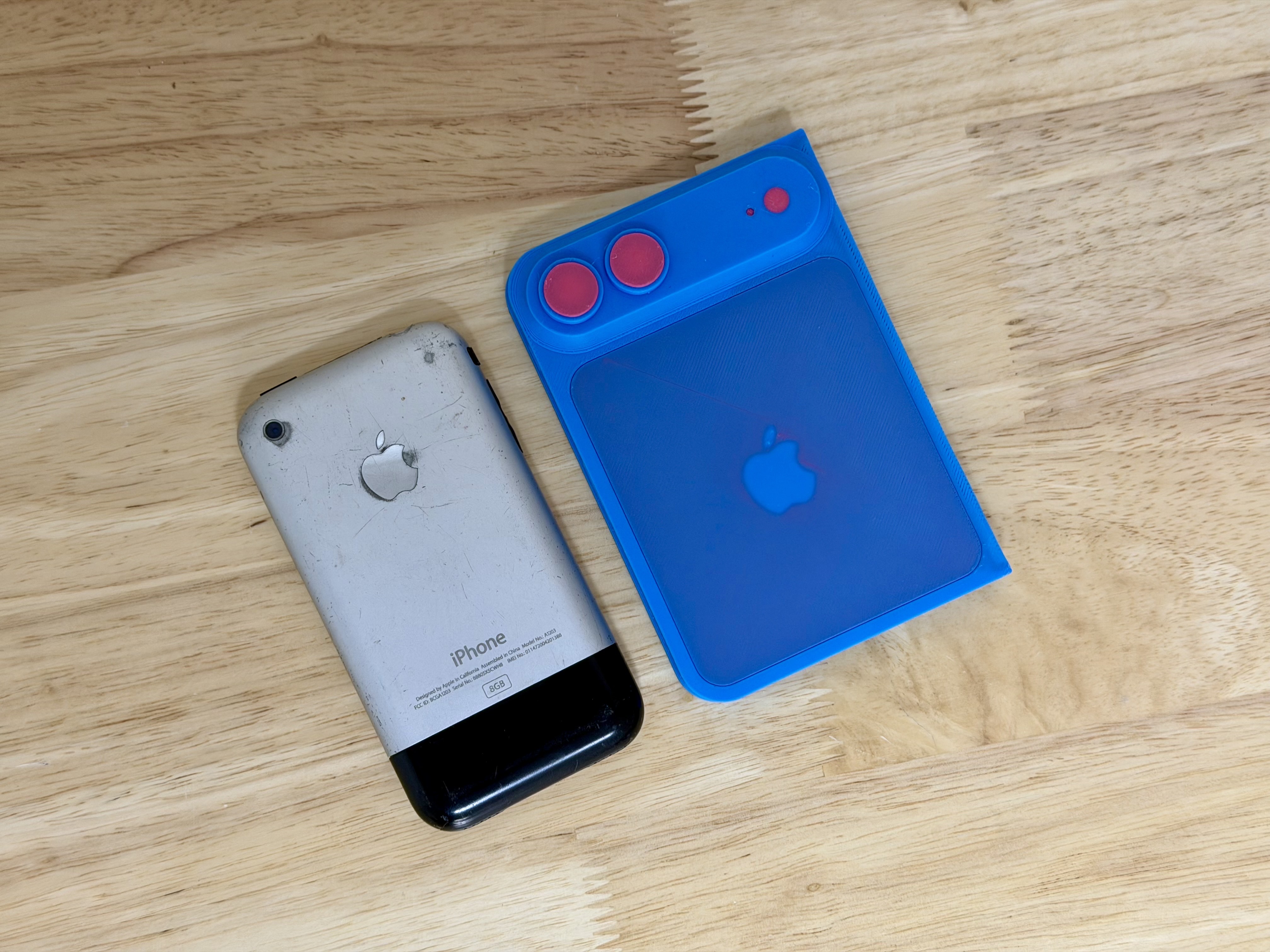
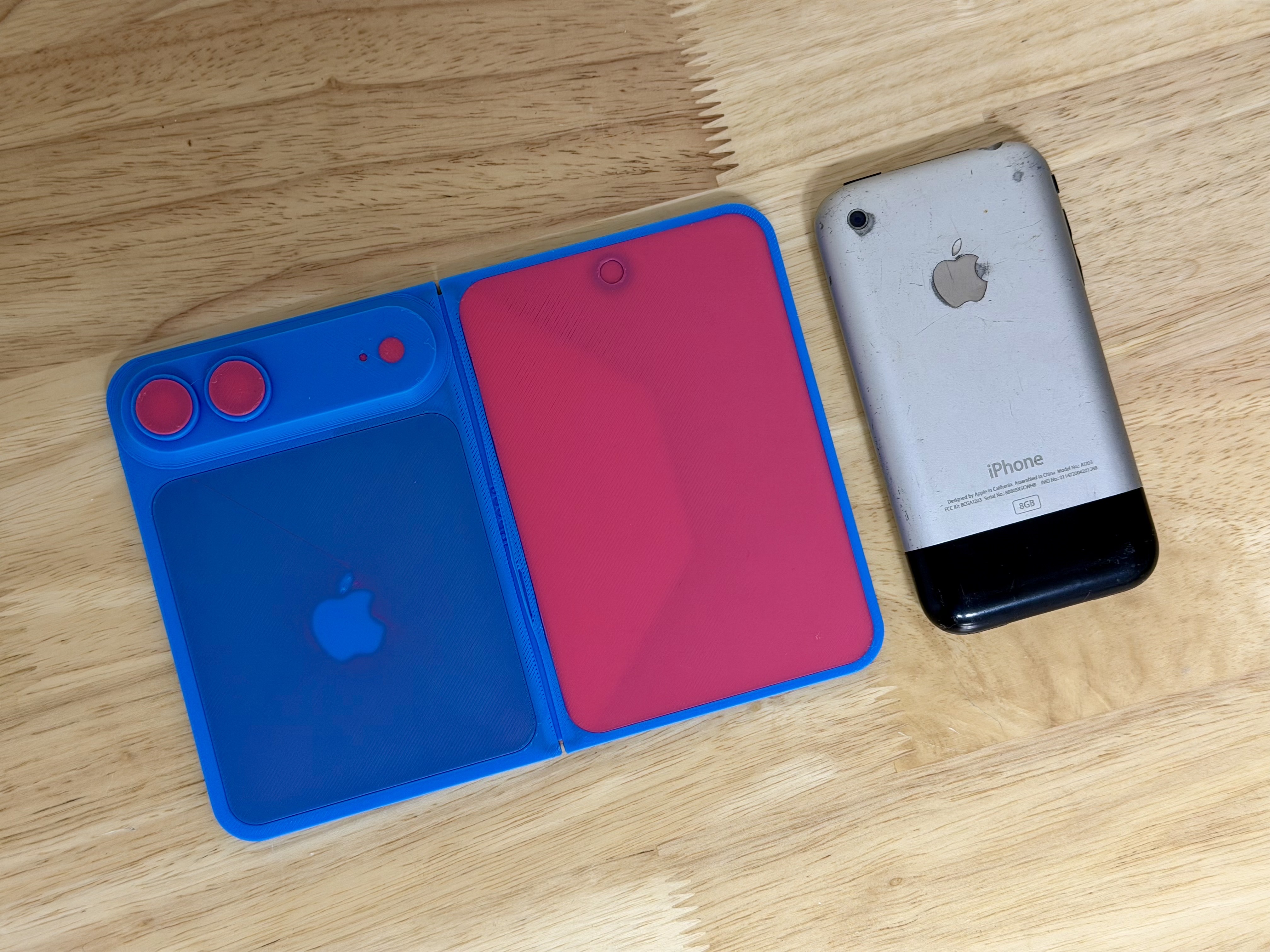
I 3D printed a model that someone put together based on current rumors, and I don’t know if I love the size. Who knows if this is real, but in taking some photos for Jason’s article, I pulled some old friends out of the drawer.

Closed, this rumored size is much closer to to the original iPhone than I would have guessed:

Original iPhone

Original iPhone, opened

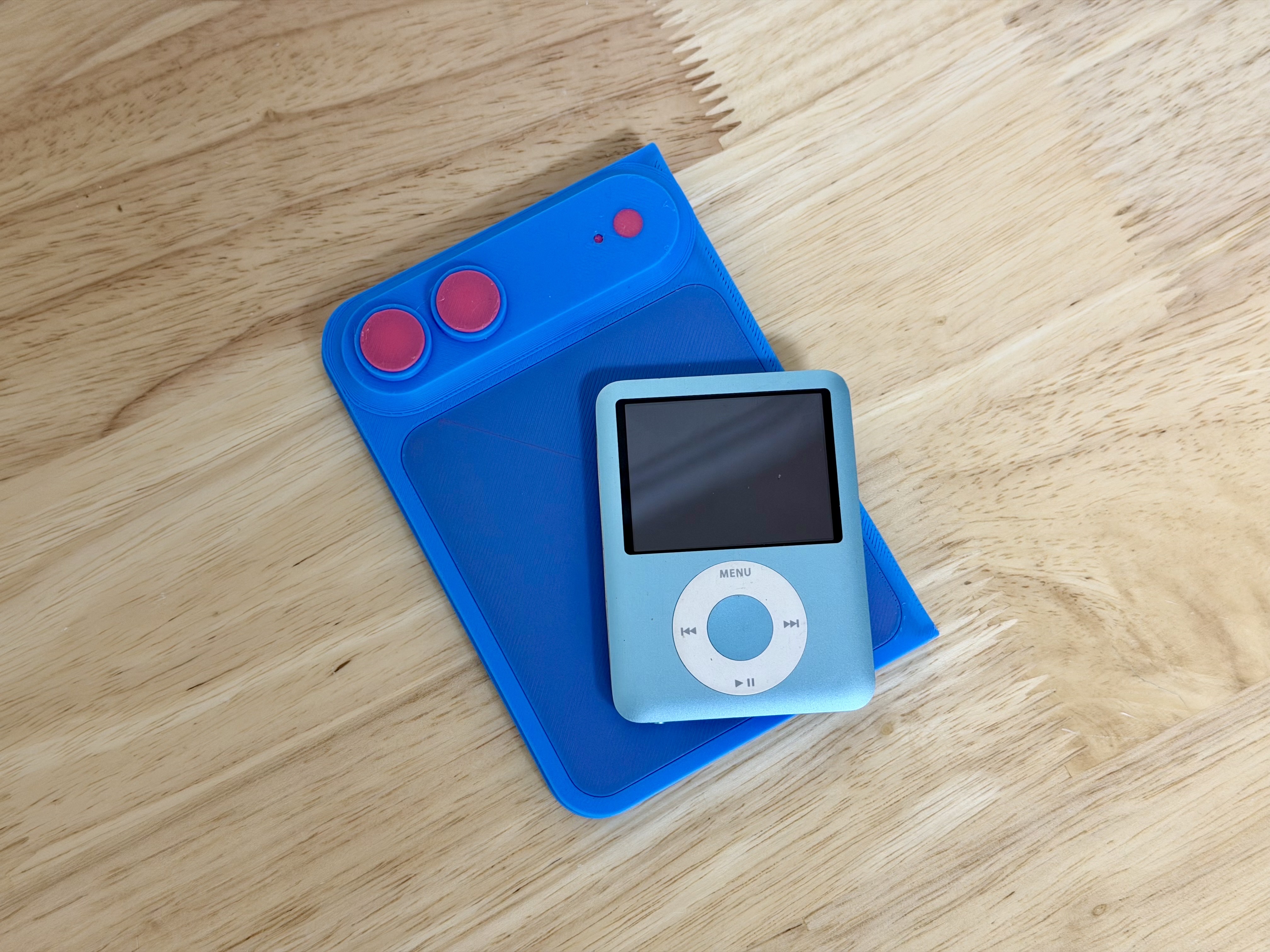
Uhhhhh…

Fat Nano

Remembering Stewart Cheifet

S.M. Oliva writes an amazing blog named Computer Chronicles Revisited, a site dedicated to reviewing episodes of the seminal television show.

(This article covering an episode that includes a look at A/UX is a great example.)

The host of Computer Chronicles passed away at the end of the year. Here’s a bit from Oliva’s post in honor of him:

This second incarnation of Computer Chronicles would be, as [Stewart] Cheifet later put it, less of a “televised computer user group meeting” and more closely related to the long-running PBS public affairs program Washington Week in Review. Cheifet himself would now serve as the host of a pre-recorded program, which would feature a combination of product demonstrations, interviews with industry officials, and remote segments.

Cheifet recruited Gary Kildall, the creator of the CP/M operating system and founder of Digital Research, Inc., to serve as his principal co-host. Cheifet and Kildall made their debut as hosts of Computer Chronicles in October 1983. Kildall would remain a co-host until 1990, when he sold Digital Research and retired from the industry. Cheifet would thereafter employ a rotating cast of co-hosts, including longtime contributors Paul Schindler, Jr., and Tim Bajarin, before finally hosting the program solo for the latter years of its 20-season run.

During the initial Cheifet-hosted season of Computer Chronicles, he remained general manager of KCSM-TV. In June 1984, however, Cheifet left KCSM and returned to his native Pennsylvania, assuming the roles of president and general manager of WITF-TV, the PBS station in Harrisburg, Pennsylvania. But as Chronicles continued to tape at KCSM, for the next several years Cheifet commuted to the west coast every other weekend. After working a full week at WITF in Harrisburg, Cheifet boarded a red-eye flight to San Francisco on Friday night, woke up at 5 a.m. and drove to KCSM to record two shows during the afternoon. He then returned to Pennsylvania on Sunday.

During the pandemic, I binged the show on YouTube and it was a true joy. In many ways, Cheifet’s work formed the foundation of tech journalism as we know it today.