If you’ve been wondering why so many of us are sad about the end of FireWire — despite it being well past its prime — you have to go back to its start.
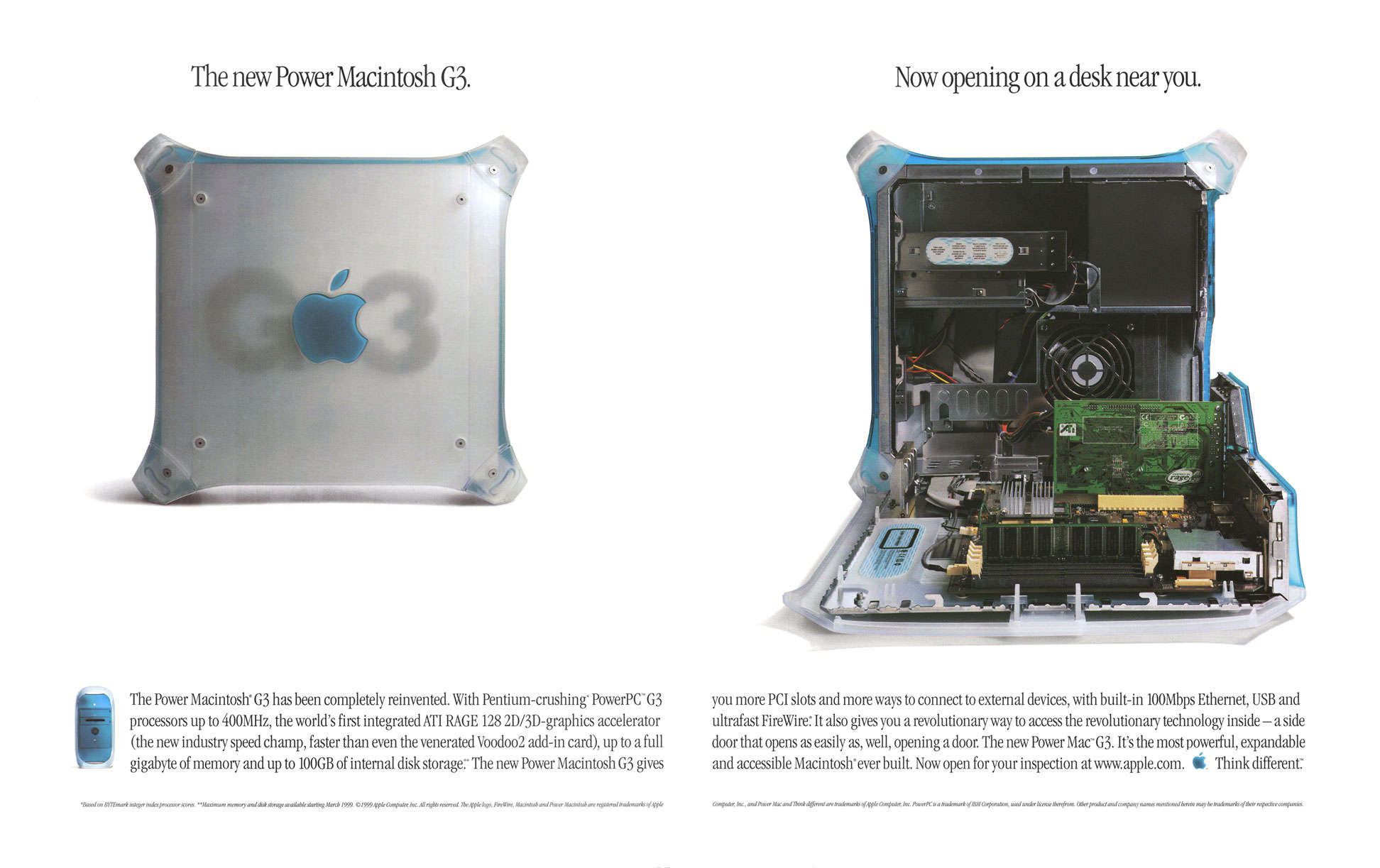
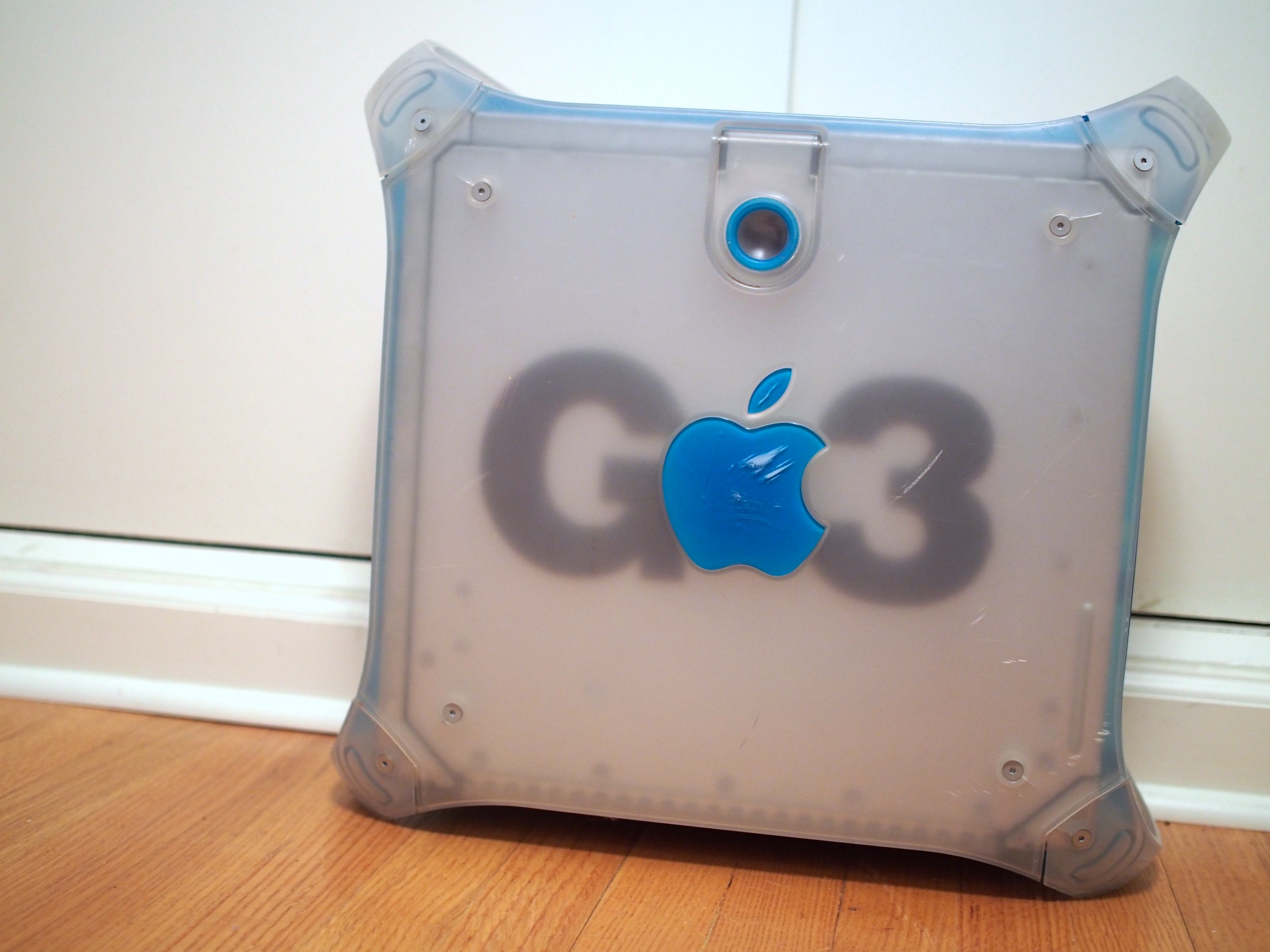
FireWire was first introduced with the “Blue and White” Power Mac G3 back in 1999. This is mine, a machine I used way back at my high school job. It now lives in my studio:
At about 28 and a half minutes into his keynote at Macworld San Francisco that year, Steve Jobs started to discuss the IO the machine would have.
Gone were the legacy Macintosh ports, minus a single ADB port. In their place were a set of USB ports and a set of FireWire ports. USB had appeared on the iMac the year before, but FireWire was something new. The standard had been supported by Mac OS since 1997, but this was the first time the ports had been built onto the logicboard of a Mac. (It had previously been available as an add-on.)
FireWire replaced the older, slower, and crankier SCSI. It’s speed and ease-of-use led to an explosion of digital video that led to a zillion home videos being made with iMovie and even earned Apple an Emmy.
While it did appear on other computers, FireWire was one of those things that made the Mac special in the 2000s and early 2010s. From video cameras to hard drives, audio equipment to scanners, FireWire served the ecosystem well, starting with the Blue and White G3 and for years thereafter.