512 Pixels

The Mac Developer Transition Kit with Apple Silicon ⇢

Like during the switch to Intel, Apple has put together a transition hardware kit for the move to ARM.

Like with Intel, this is not a product, and Apple was quick to note that it doesn’t represent what final hardware could look like. That said, here are the specs:

  • Apple A12Z Bionic (from the 2020 iPad Pros)
  • 16 GB RAM
  • 500 GB SSD
  • Two USB-C ports (up to 10 Gbps)
  • Two USB-A ports (up to 5 Gpbs)
  • HDMI 2.0 port
  • 802.11ac Wi-Fi
  • Bluetooth 5.0
  • Gigabit Ethernet

… all in a Mac mini case, as predicted.

The lack of Thunderbolt is interesting. As announced last year, Thunderbolt 3 will be rolled into USB 4. It’s unclear when USB 4 will be coming, so it may not be ready for this new class of Macs. In that case, I fully expect Apple to have Thunderbolt 3 support ready, or at least some fancy DisplayPort stuff to drive a 6k display.

Apple’s demo machines running on their own CPUs were using the Pro Display XDR, which require more than even the iMac Pro can give. While the USB-C Macs can push the display at 5K, that’s not a long-term solution.

(Another wrinkle here is high-speed Thunderbolt 3 accessories. While Apple may be able to drive the XDR with better graphics over USB-C, I don’t think they want to leave TB3 accessories behind.)

These ARM Mac minis are not available to the general public; Apple is taking applications from developers who are interested in paying $500 for the hardware:

Selected developers will receive a link to order the Universal App Quick Start Program from the online Apple Store. Priority will be given to applicants with an existing macOS application, as availability is limited.

I’m sure these machines comes with NDAs, but I am itching to hear how they run.
macOS 11 ⇢

A quick look at a “About this Mac” window in today’s keynote showed the version number of the copy of macOS running on the Apple Silicon development hardware was 11.0, but Apple is also using the new name on the Developer website:

macOS 11 introduces many user interface changes that update the appearance of apps and make them more approachable to people transitioning from iPad apps. macOS 11 also adds support for familiar iOS features — such as SF Symbols and text styles — that enhance the user experience and can streamline the app design process.

When you build your app for macOS 11, you’ll find that most of the updates are automatic when you use system-defined elements with SwiftUI or Auto Layout; if your app is highly customized, you may have additional work to do. As you think about updating your app for macOS 11, review the following changes to help you plan your approach.

Sponsor: TextExpander ⇢

TextExpander boosts your business productivity by allowing your team to communicate smarter, faster, and more consistently across all your channels. The app is built with collaboration in mind—instantly insert snippets of text into emails, messages, documents, and anywhere else you can type. You can even turn snippets into forms with fill-in fields to personalize your content.

TextExpander is available for Mac, Windows, Chrome, iPhone and iPad. 5 12 Pixels readers get 20% off their first year.

‘Twas the Night Before Dub Dub

‘Twas the night before Dub Dub, when all through the house, Not an iPad was stirring, not even with a mouse; iPod Socks were hung by the chimney with care, In hopes that Hair Force One would be there; The developers were nestled all snug in their beds; While visions of new APIs danced in their heads; With STS in his ‘kerchief, and Marco in a cap, Had just settled their plans to rewrite some apps. When out on the lawn there arose such a clatter, Siracusa sprang from his bed, dreaming of Chris Lattner. A crash in the window due to old Flash, Casey monitored his shutters without spending much cash. The moon lit the floor as the Mac Pro fans blow, Gave a lustre of midday to SwiftUI below, When what to our wondering eyes did appear, Not a Hey update, but Apple’s stream far and near. With a dad-jokey intro so lively and quick, I knew in a moment he must be St. Tim.

WWDC 1990 ⇢

Brendan Shanks:

Although circumstances have unfortunately forced the upcoming 2020 Worldwide Developers Conference to be online-only, I thought it would be fun to look back 30 years to WWDC 1990, the second conference held (and the first for which a CD was published).

On May 7-11, 1990, Apple Computer held the second-ever Worldwide Developers Conference at the (then-new) San Jose Convention Center in San Jose, CA. A newsgroup post indicates that the attendance fee was $195 per day, and hotels were available for $56-135 a night.

Be sure to click through to Brendan’s post which fully outlines the conference and its sessions. It’s a real gem.

Flashback #10: Pebble ⇢

This time on Flashback, with my buddy Quinn Nelson:

The smartwatch movement didn’t start with Apple or Google, but a little company named Pebble. Through a series of hugely successful Kickstarters, the company put out several well-reviewed products before being steamrolled by the platform-makers.

This concludes the first season of the show, but we’ll back in the fall, so stay subscribed to the feed! If you haven’t ever checked Flashback, the summer will be a great time to catch up one some real heart-breaking tech stories.

Connected #299: The Rickies (Summer 2020) ⇢

This time on a jam-packed episode of the show:

WWDC is next week, so it’s time for the boys’ annual picks. Will Stephen keep his title? Has Federico put too much hope in iPadOS improvements? Has Myke learned what it takes to be a winner? This and more, including the introduction of Connected Pro for Relay FM members.

What is Connected Pro you ask? It’s a new ad-free version of the show with pre- and post-show sections left in. This week, Federico attacks a clock and Myke asks about TikTok. Also, Jason won’t say “I love you” back. You can join at relay.fm/connected.

My thanks to our sponsors:

  • StoryWorth: Record your family stories. Get $10 off your first purchase.
  • Pingdom: Start monitoring your website performance and availability today, and get instant alerts when an outage occurs or a site transaction fails. Use offer code CONNECTED to get 30% off. Offer expires on January 31, 2021.
  • Squarespace: Make your next move. Enter offer code CONNECTED at checkout to get 10% off your first purchase.

In Praise of the Apple Watch’s Breathe Feature

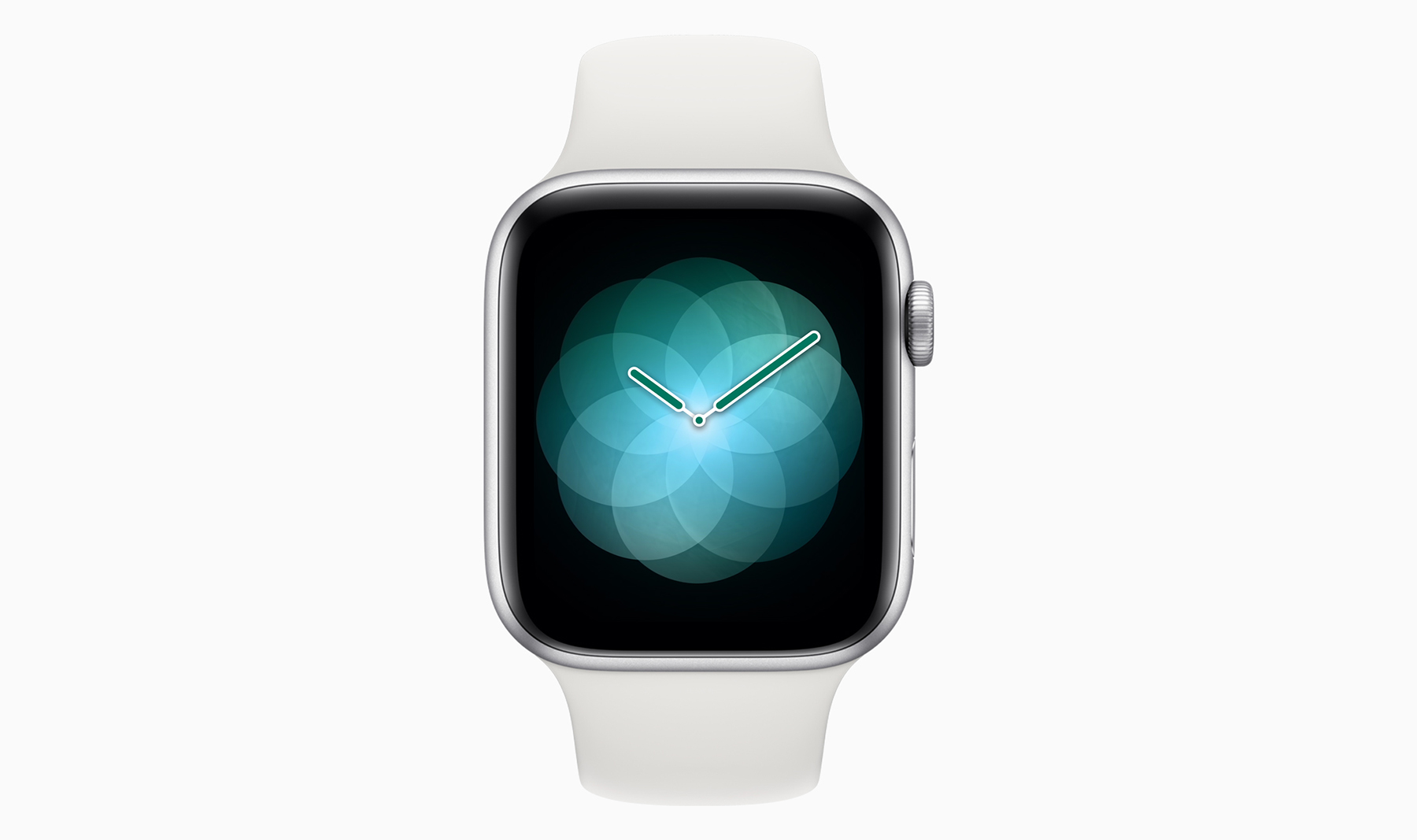
When Apple added the Breathe feature to watchOS 3, I — like many of you, I suspect — turned it off pretty quickly. However, over the last six months, it has come to be one of my favorite things about wearing my Apple Watch.

If you aren’t familiar with this, here is how Apple describes it:

The Breathe app guides you through a series of deep breaths, and it reminds you to take time to breathe every day. Choose how long you want to breathe, then let the animation and gentle taps help you focus.

The Watch app on the iPhone lets you set the length of your sessions, and how many times throughout the day you want to be reminded to pause and breathe, and minutes are totaled in the health app.

At the end of 2019, I found myself worn pretty thin. I’ve fought depression on and off over the years, but I never had much anxiety peanut butter mixed into that chocolate, but this was different. I was sleeping badly, easily overwhelmed and often feeling like I was in the backseat to my emotions, which is not something I like feeling.

About this time, we changed family doctors and when I saw with my new physician for a check-up, he asked about my mental health, I finally came clean about how I was feeling.

This started a chain reaction of responses. I’ve started seeing my counselor again, went back on medication and, to my surprise, have started meditating. My physician has been integral to all three of these things, which I have found very helpful.

I find meditation a lot harder than I thought I would, but each week, I feel like I’m making progress. I am to use the Headspace app twice a day: as I transition from work to home in the afternoons, and right before bed. I don’t get both sessions in every day, but when I do, I can feel a real difference.1

However, a lot days, that isn’t super easy to fit in, and there’s where Breathe on the Apple Watch comes in. It can subtly remind me throughout my day to take a couple of minutes to slow down and focus on breathing. I’ve done it sitting at my desk, in a parking lot, and recently, on the roof of my house as I was cleaning some debris up from a storm.

If you’re feeling anxious during these uncertain days, this feature of the Apple Watch can’t completely address things, but it can be a tool in your toolbelt for getting through the day.


  1. I know some people consider apps like this snake oil, but I have found the structure it provides very useful in getting started. I hope one day to be able to sit on my floor, close my eyes and be in the zone on my own, but for now, I need the prompts. ↩︎

A Decade of the Apple Store App ⇢

Michael Steeber at 9to5Mac:

On June 15, 2010, Apple released the Apple Store app in the App Store. The app recognized the growing importance of mobile shopping on the iPhone and elevated the in-store experience at Apple Retail Stores. On its 10th anniversary, let’s take a look back at the app’s design evolution and how it changed the way we shop.

This is really cool, and I think I miss the old glossy black buttons apps used to use for things.