This week on Download, I joined Florence Ion and Mikah Sargent in drafting stories coming from CES:
The Consumer Electronics Show is, as always, a flood of new technology, corporate announcements, products that will never ship, and embarrassing garbage. How better to sum it all up then with a draft? In this episode, we choose the top stories of the week, then move on to pick some vaporware and the worst story of the show. But don’t worry, in the end we’ve got some fuzzy CES puppies to cheer you up. Is that fresh bread I smell?
Shelly Brisbin has updated her excellent iOS Access for All for 2019:
This is the sixth edition of my book, and it’s fully updated for iOS 12.1. The book has grown along with Apple’s mobile software – its 168,000 words, with a page count that varies by platform, but that’s between 700 and 800 pages on many platforms. But more important than word or page count, iOS Access for All remains most comprehensive iOS accessibility resource anywhere!
This is the book when it comes to the topic of accessibility and Apple platforms.
This week, I chatted with Tyler Stalman about what it is like to have a decade-old blog, and how I moved from writing to podcasting, and how it all became a job.
Tyler is awesome, and this podcast is great. You should subscribe.
David puts his new cohost, Stephen Hackett, in the hot seat to talk about his tech background, love of the Mac, and if Batman or Superman is better. All of that, plus a couple of exciting event announcements.
I have huge shoes to fill with Katie retiring, but I could not be more excited to get started.
My thanks to our sponsors this week:
Fujitsu ScanSnap: ScanSnap Helps You Live a More Productive, Efficient, Paperless Life.
TextExpander from Smile: Get 20% off with this link and type more with less effort! Expand short abbreviations into longer bits of text, even fill-ins, with TextExpander from Smile.
Luna Display: The only hardware solution that turns your iPad into a wireless display for your Mac. Use promo code POWER at checkout for 10% off.
Hover: Celebrate Hover’s 10 year anniversary with awesome promotions for a limited time only
CES is here and it started with quite the news, via Samsung PR:
With the new iTunes Movies and TV Shows app on Samsung Smart TVs, Samsung customers can access their existing iTunes library and browse the iTunes Store to buy or rent from a selection of hundreds of thousands of movies and TV episodes — including the largest selection of 4K HDR movies. iTunes Movies and TV Shows will work seamlessly with Samsung’s Smart TV Services, such as Universal Guide, the New Bixby and Search, to create a consistent experience across Samsung’s platform.
With AirPlay 2 support, Samsung customers will be able to effortlessly play videos, photos, music, podcasts and more from Apple devices directly to Samsung Smart TVs, including QLED 4K and 8K TVs, The Frame and Serif lifestyle TVs, as well as other Samsung UHD and HD models.
The iTunes Store and iPod were two sides of the same coin; Apple sold music to make the iPod easier to populate, and iPod customers bought music to play on their devices because it was easier than stealing it.
Today things are different; Apple now needs its services as many places as possible. That’s why the jokes I keep seeing on Twitter about the ROKR aren’t that applicable. Apple didn’t need the ROKR to succeed, and clearly treated it with disdain. If Apple is going to succeed with its forthcoming streaming service, it has to be broader than the base of customers with Apple TVs.
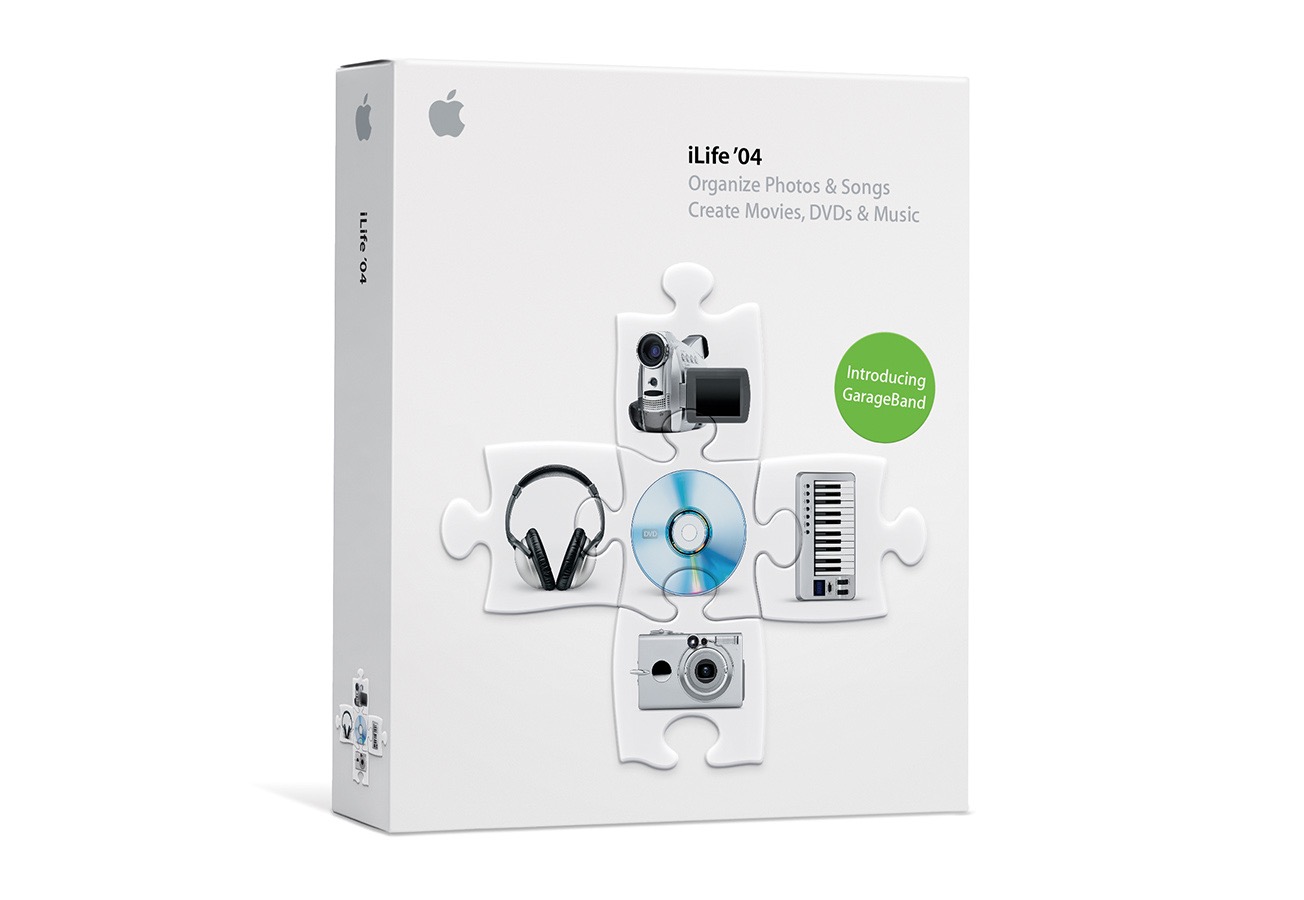
In 2003, iLife was a huge selling point for the Mac. It made managing photos, making movies and burning DVDs all easy (and even fun!) for users who found more pro-focused apps difficult to approach.
At Macworld 2004 — 15 years ago this weekend — Steve Jobs introduced GarageBand.
I’ve watched this keynote section before, but in reviewing it this week, I was struck by how underrated it is. I think it’s in the top handful of Jobs performances on stage.
He opened the section citing research that said half of U.S. households had at least one person who currently played a musical instrument. That number seemed surprising to me at the time, but he argued that this meant GarageBand had huge market potential.
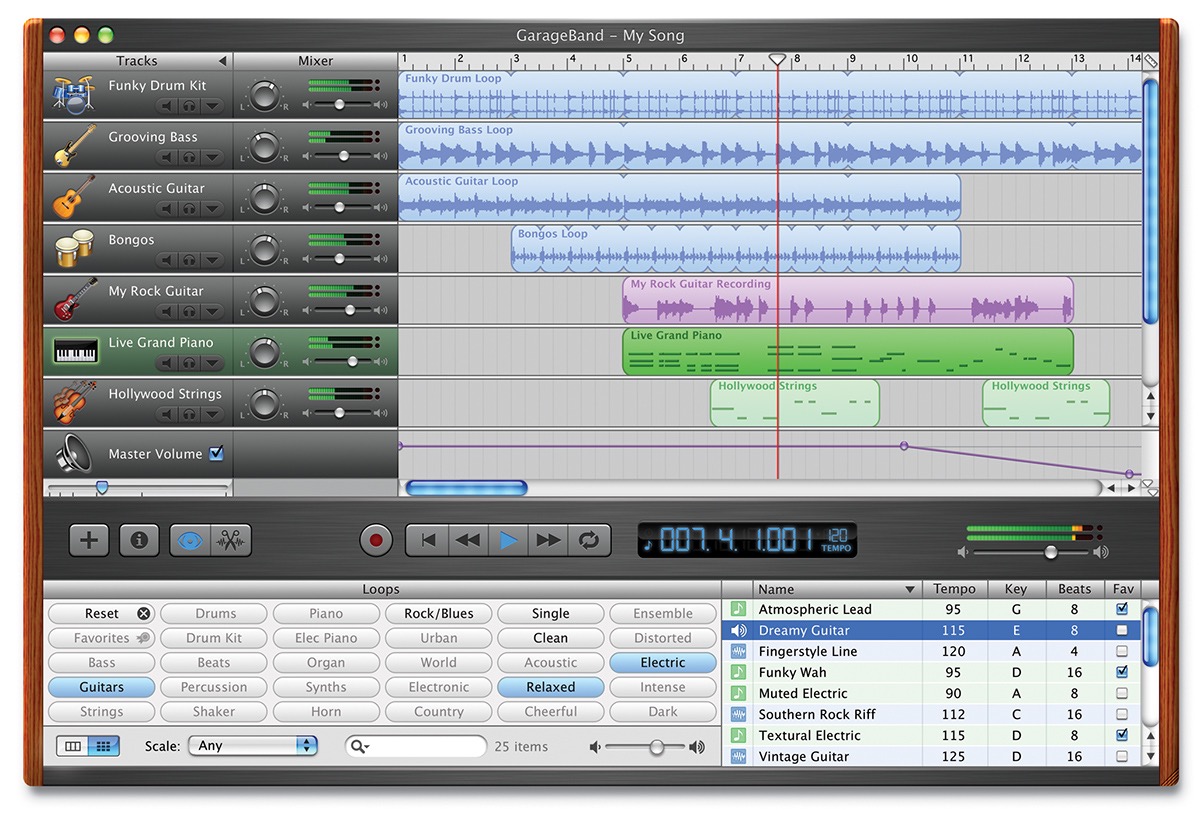
The program was designed for who weren’t trained as audio engineers. Users could mix up to 64 tracks, blending digital instruments and loops with their own music and vocals to create songs right at home. The loops Apple included were smart; their pitch and tempo were adjusted automatically to better blend with any given project.
Jobs was joined by John Mayer on stage to demonstrate the product. He sat down at a keyboard hooked up to Jobs’ Mac and after joking he wasn’t a great keyboardist, played riff after riff as Jobs changed the virtual instruments in GarageBand. The back and forth between the two is a lot of fun to watch, even years later. It’s a fun, laid back keynote segment.
He later switched to a guitar, which again, was piped right into the Mac on stage. Jobs could change how the instrument sounded with just the click of a mouse. This seems simple today, but to have this in a consumer application in 2004 was mind-blowing.
Together, they built a project, with Mayer’s live playing, coupled with examples from the program’s loop library. Jobs then exported the song, right into iTunes.
GarageBand rounded out iLife ‘04, joining iTunes, iPhoto, iMovie and iDVD. The entire suite sold for $49.
Of course, the program has seen a lot of changes over the years. It gained (and then lost some) podcasting features. Apple has also added automation, ringtone creation, project templates, more advanced plug-ins, instrument lessons and a whole lot more.
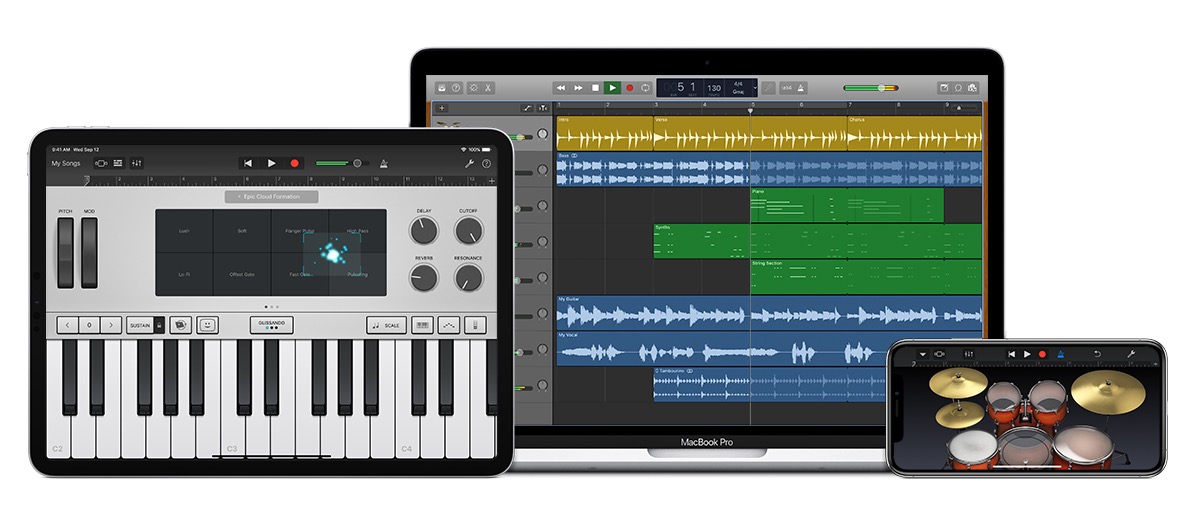
Today, GarageBand is on the iPad and iPhone as well. I really like the iPad version in particular; music creation and audio editing are so well suited for touch surfaces. It was introduced in 2011 with the venerable iPad 2.
Both the Mac and iOS versions have been used by countless hobbyists, but both have also powered major projects over the years. Nine Inch Nails released a GarageBand project for their song “The Hand That Feeds” for fans to remix on their own, as did Radiohead with “Nude.” St. Vincent’s “Actor” was arranged with the program, and loops from it can be heard in countless songs.
I remember being blown away by GarageBand when I first installed it on my PowerBook. I had dabbled in some other music programs at the time, but GarageBand was far easier to understand right out of the box.
I’ve since graduated to Logic for my podcast editing, but GarageBand gave a generation of people (including me) the tools to create music and other audio on their Macs and iOS devices without the headaches found in other applications. That’s what all great Apple apps do, and now that iLife is but a memory, it’s a free program for anyone with an Apple device. I just love that.
Tim Cook has published a letter to Apple investors1 announcing that the company has revised its guidance for Q1 2019. I generally find this side of Apple’s business far less interesting than its products, but this is worth reading.
In short, the company has announced its revenue will be less than it predicted, due to a bunch of factors, including on-going struggles in China, “foreign exchange headwinds” and multiple constrained products, including the Apple Watch Series 4, iPad Pro, AirPods and the MacBook Air.
Here’s the part that is going to jump out to most people, though:
While Greater China and other emerging markets accounted for the vast majority of the year-over-year iPhone revenue decline, in some developed markets, iPhone upgrades also were not as strong as we thought they would be. While macroeconomic challenges in some markets were a key contributor to this trend, we believe there are other factors broadly impacting our iPhone performance, including consumers adapting to a world with fewer carrier subsidies, US dollar strength-related price increases, and some customers taking advantage of significantly reduced pricing for iPhone battery replacements.
This is pretty serious ammunition for those who believe that the iPhone is too expensive:
That’s a lot of words to say “yeah we priced the iPhone too high.”
That’s pretty hard to argue with, and while it’s not the whole story behind this letter, it will be the part most people — including me — resonate with the most.
I can’t remember Apple doing this recently. It means Apple is missing its previous revenue guidance of between $89 and $93 billion—down to $84 billion, which is a miss that’s $5 billion below the lowest end of its previous guidance. That’s a big miss. It means Apple will be down $4 billion from the year-ago holiday quarter.
The quarter isn’t going to be all bad news, as Cook writes:
Our installed base of active devices hit a new all-time high—growing by more than 100 million units in 12 months. There are more Apple devices being used than ever before, and it’s a testament to the ongoing loyalty, satisfaction and engagement of our customers.
He calls out that Apple’s revenue outside of the iPhone business has grown by almost 19 percent year-over-year, and that the Services business continues to blossom.
All in all, this will be Apple’s second-largest quarter ever. There’s plenty of gas in the tank:
To be clear, that’ll still be the second largest Apple quarter ever. Apple is an enormous revenue and profit generator, and will remain so for years to come.
It’s most notable because it’s about iPhone, and also because it apparently took Apple by surprise.