512 Pixels

Why Did NeXT Fail? (Or Did It?)

My mini-series on NeXT Computer: Installment 1: On the Creation of NeXT Installment 2: NeXT: The Hardware Installment 3: NeXT: The Software Installment 4: NeXT: The Apple Purchase Installment 5: Why Did NeXT Fail?
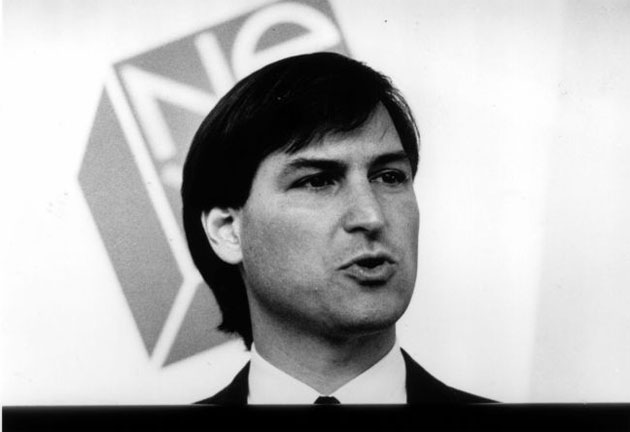
Over the last six months, I’ve been looking at the history of NeXT Computer. In the series, I’ve discussed the hardware, the software and more.

I’ve been avoiding, however, the topic of why the company failed. Or, at the very least, almost failed, as Apple bought them in the late 90s.

The answer, like most things in this industry, is complex. Let’s look at some factors.

Pricing & Market

NeXT went after the education market, which had been Apple’s territory. However, it did it with even more expensive hardware than Apple’s. Outside of the LC line, Apple’s systems were pricey in the early 1990s.

NeXT attempted to make up for this by aiming its sales teams at higher education, selling not mere computers, but “workstations.”

It didn’t catch on.

Third Wheel Syndrome

Historically, the PC industry has only allowed for two big players — Microsoft and Apple. IBM and others were in the mix early on, but once the dust settled, there simply wasn’t room for a third wheel. Even though NeXT built its own hardware and software like Apple, it couldn’t carve any space for itself from the ever-present Windows marketshare.

Unraveling

In 1987, Ross Perot invested $20 million in exchange for 16% of NeXT’s stock. He joined the board of directors in 1988.

He sold his stock in June 1991, after the second round of NeXT hardware flopped with a $9,999 price tag. He resigned from the board to focus on Perot Systems.

Around the same period, Steve Jobs was spending more and more attention and time at Pixar, which he had bought in 1986.

After the 1990 hardware didn’t sell well, NeXT stopped making hardware, focusing on OpenStep. The move, while vital to the company’s existence, meant shedding many employees and divisions. When OpenStep didn’t do well, the writing was on the wall for Steve Jobs’ second computer company.

NeXT’s Legacy

I would argue that while NeXT was going downhill, the Apple purchase means the company didn’t outright fail, as some have suggested.

The legacy of NeXT computer is strong. Looking around my office I see the following devices that have NeXT’s fingerprints:

  • MacBook Pro
  • iPad and iPhone
  • LaserJet printers
  • Gigabit Ethernet switch

NeXT’s software is the basis of OS X — and therefore iOS. The technology baked in to NeXTStep is what makes Apple’s current operating system software so stable, useful and rich. The development tools used by thousands of people every day to build applications for OS X and iOS find their roots in NeXT tools.

On the hardware end of things, technology like Ethernet, PostScript and more made huge advances thanks to NeXT systems. Additionally, the design of the NeXTCube has come back time and time again with Apple products, as has the willingness to move forward with storage technologies, despite the possible downsides of changing standards rapidly.

We owe a lot to NeXT, without a doubt. The company might not be around today, but its soul sure is.

Syndicate Openings for April

As you may know, the 512 Pixels RSS feed is sponsored via The Syndicate, an ad network with 11 sites, with over 170,000 weekly views. That doesn’t even count the thousands and thousands of RSS subscribers.

We have two openings next month:

  • April 9 - 15
  • April 23 - 29

If you want to share your product, app or service with a bunch of good-looking, well-read people, get in touch.

Sponsor: PopClip for Mac →

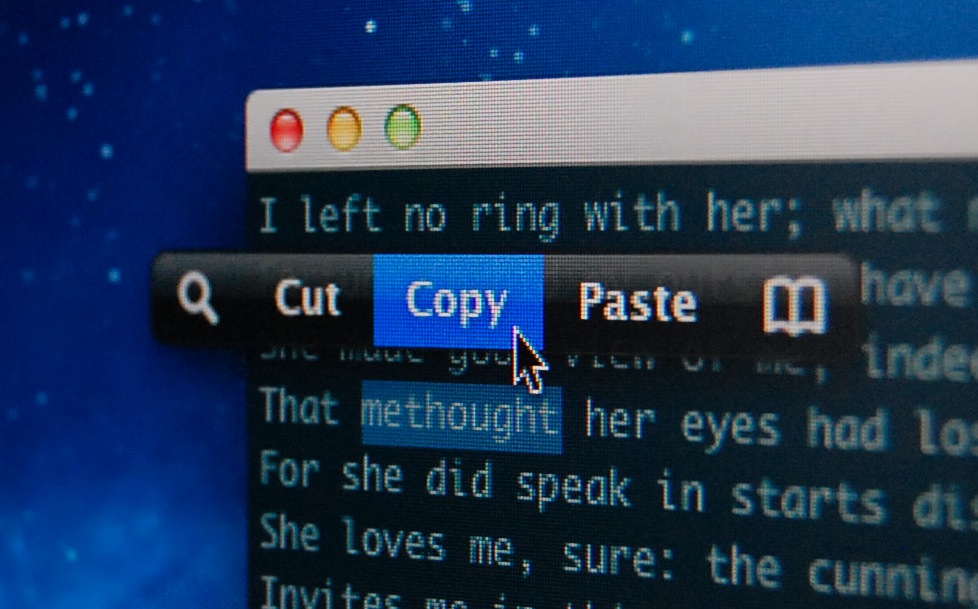
When Apple announced they were bringing iOS features “Back to the Mac” with OS X Lion (and doubled down on it with Mountain Lion), the iOS implementation of copy and paste was not included.

PopClip is a clever Mac app that brings iOS-style copy and paste to OS X, and raises the question of why Apple hasn’t done this already. If you’re curious as to how well it works, the answer is: pretty well. The most common sentiment in the user reviews is: “I’m hooked.”

If you have a Mac, you should check this out. You can download a free demo at the Pilotmoon Software. The full version costs $4.99 on the Mac App Store.

Mike Daisey, on Lying

Mike Daisey:

When I said onstage that I had personally experienced things I in fact did not, I failed to honor the contract I’d established with my audiences over many years and many shows. In doing so, I not only violated their trust, I also made worse art.

This is not the place for me to try and explain my good intentions. We all know where the road paved with good intentions leads. In fact, I think it might lead to where I’m sitting right now.

via The Loop

Just 140 Characters Away

Myke Hurley, on how Twitter had changed the world:

People are becoming more world-social and making friends across the globe, some they may never meet in person. Relationships (friendship and love) are being forged online more and more often these days and the Internet is becoming a tool to help people interact on an emotional level. Twitter may be text at 140 characters at a time, but it is an enabler of conversation that can spill out in to many different forms.

My friendship with Myke is a great example of this. He reached out to me on Twitter to be on his podcast, The Bro Show.

Fast forward a year, and I have two shows on his ever-growing podcast network, and we text or talk daily.

Even more so, he’s flying across the ocean to come visit me and my family at the end of April.

Now, my parents would probably freak out that “a guy I met on the Internet” is coming to visit me and will be spending time with my wife and kids, but I don’t have a moment’s hesitation about it. The technology between us has become so transparent, I don’t find it odd or weird at all.

It was just the same at Macworld. I hit it off with guys like Brett Kelly, Ben Brooks and Shawn Blanc without any awkwardness. Heck, I shared a hotel room with Thomas Brand and Pat Dryburgh and nothing sketchy happened.

Why?

Because things like Twitter, iMessage and more tie people together. Spending “actual” time together is just a bonus, really.

New AppleTV UI Rejected Five Years Ago by Steve Jobs?

Joshua Schnell over at Macgasm:

An interesting tweet by Michael Margolis, a former Apple TV engineer at Apple Inc., popped up in our Twitter feed this evening, and we thought it was worth passing on. According to Margolis, the new Apple TV UI was not only on the table at Apple years ago, but Steve Jobs alledgedly shot it down because he didn’t like it at the time.

(Here’s the tweet.)

This would certainly could explain why the original AppleTV basically ran Front Row. Very interesting.