‘Grok is the RC Cola’ of the AI World

Joe Wilkins, writing at Futurism:

In the AI world, there are what the tech scholar Kate Crawford has called the “Great Houses of AI.” These are Microsoft, Amazon, Google, and Meta — giant tech monopolies which happen to also be four of the six top US corporations by market value.

Then there are the lesser houses, the lower fiefdoms squabbling over the crumbs that fall from the big kids’ table. This is where we find Elon Musk’s xAI. Though the world’s richest man has pumped billions of dollars into his pet AI project, it seems all the money in the world can’t buy customers — or even respect, for that matter.

Continue reading ⇢

Surprise! xAI is Running a Bunch of Unpermitted Turbines in North Mississippi

Tim De Chant, TechCrunch:

Elon Musk’s xAI is running nearly 50 natural gas turbines at its Mississippi data center, power plants that the state is currently not regulating thanks to a loophole.

The power plants are considered “mobile” by the state of Mississippi because they are sitting on flatbed trailers, thus allowing them to dodge to air pollution regulations for one year. The NAACP, which has filed a lawsuit on behalf of residents in the area, says the unchecked emissions from the turbines is worsening air quality in an already polluted region. This week, it asked the court for an injunction against xAI.

Continue reading ⇢

Building Artemis II’s Fault-Tolerant Computer⇢

Logan Kugler, writing in early April:

The computer system aboard the current Artemis II lunar space mission is from a different world that the one from the Apollo era. Apollo astronauts navigated to the lunar surface using a computer with a 1-MHz processor and roughly 4 kilobytes of erasable memory, supported by a larger store of fixed “rope” memory. While it was a marvel of 1960s engineering, the Apollo Guidance Computer’s functional scope was focused and not in the control loop for every system. Critical environmental and power controls were managed through manual or electromechanical means, such as switches and relays.

Continue reading ⇢

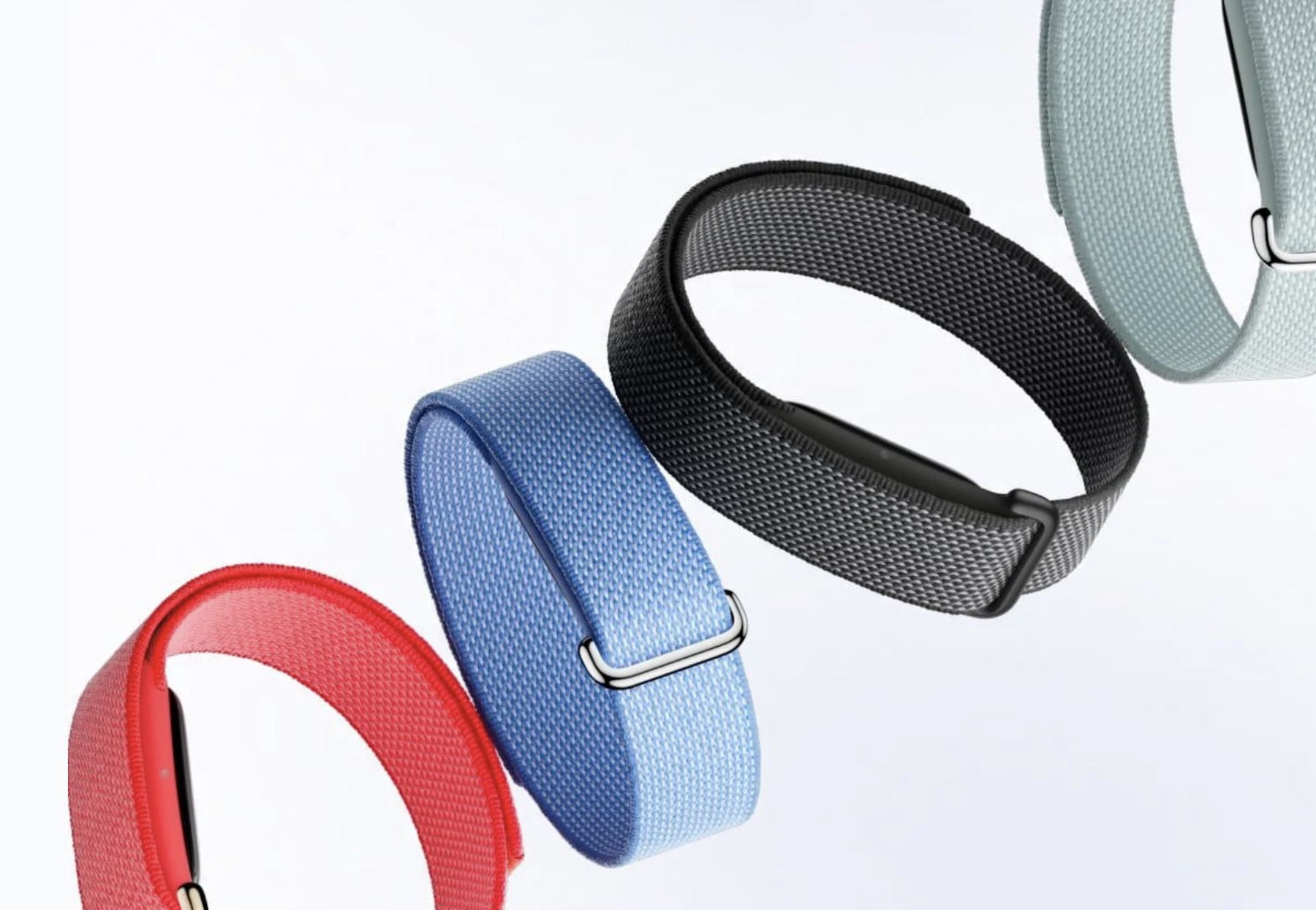
Google Fitbit Air⇢

I love the health-tracking features of my Apple Watch ( duh) but there are times that I’d rather wear a watch without Slack or iMessage on it. For years, I’ve clamored for Apple to make a screenless tracker like the Whoop band. It seems like Google beat Apple to the punch with its new Fitbit Air:

Fitbit Air

Samantha Kelly has more at Bloomberg:

The new device bears a striking resemblance to Whoop’s health tracker, featuring a soft fabric band with a battery and sensor pack underneath. One big difference is the business model: an upfront cost to buy the hardware and an optional $10 per month Google Health subscription. Whoop doesn’t charge for its hardware but instead has an annual subscription fee that begins at $200.

Continue reading ⇢

Anthropic Taking Over All Capacity of xAl’s First Memphis Data Center

Some afternoon news from an unsigned xAI press release:

SpaceXAI has signed an agreement with Anthropic to provide access to Colossus 1, one of the world’s largest and fastest-deployed AI supercomputers.

Built from the ground up in record time, Colossus delivers unprecedented scale for AI training, fine-tuning, inference, and high-performance computing workloads. Colossus 1 features over 220,000 NVIDIA GPUs, including dense deployments of H100, H200, and next-generation GB200 accelerators. The cluster delivers extreme parallel performance for large language models, multimodal systems, scientific simulations, and generative AI at frontier scale.

Continue reading ⇢

The Wonderful World of Artemis II Photos

Hank Green has made something really cool. Called the Artemis II Photo Timeline, it’s an interactive way to scroll through photos from NASA’s recent crewed mission to cislunar space — but pinned to NASA’s official schedule of the mission.

Nick Heer has more:

It is also a tribute to publicly available data. Though the timeline includes some videos published to Instagram and YouTube, the vast majority are images from Flickr. NASA usually uploads them with EXIF data intact, and Flickr preserves it. NASA also provided the mission schedule and, even better, has a public API for the position of the Orion spacecraft at any given time. Which means Green was also able to correlate the photos with where they were taken along the craft’s trajectory.

Continue reading ⇢