While working on another project, I came across a Steve Jobs interview that I hadn’t heard before:
I know WebObjects is the butt of jokes these days, but hearing Jobs speak about in 1996 has given me a new appreciation for what NeXT was trying to do with it.
While working on another project, I came across this video of Steve Jobs speaking at Macworld Expo in the fall of 1997. It’s a stunning video for a few reasons.
In it, he announces no products. Instead, he shared some thoughts on how he viewed the mess that Apple had found itself in before it purchased NeXT. In the span of about half an hour, he announced a new Board of Directors and a wide-ranging partnership with Microsoft, complete with Bill Gates making his now infamous appearance via satellite.
How many fans does a Power Mac G5 have? Depending on the configuration this answer varies but you can be almost sure the answer is always one short. Let’s take a look at the Late 2005 Quad in this example.
– 2 intake fans (front inlet fan assembly)
– 2 exhaust fans (rear exhaust fan assembly)
– 1 fan in the PCI bay (speaker assembly)
– 1 fan for the hard drives (media bay fan)
The first time I ever saw a CD-ROM, I had never seen a regular CD before, and I thought that it came in a giant plastic case. To be fair to me, I was in middle school, and I had little experience with them. It was in a library, and the screen did not display anything related to multimedia, but general reference information—stuff like databases, for example. A couple of years later, I got a home computer, along with an audio CD player, and soon enough, a CD-ROM. But I always thought about that caddy, which I never saw on any of the computer equipment I owned. Why did it exist? And why, when CD-ROMs trickled down to my home, wasn’t there one?
I recently finished Harry McCracken’s excellent article about the CD-ROM’s rise in the mid-1990s, and it made me realize that I had never really explored Apple’s early CD hardware.
Depending on how you count things, Apple sold six SCSI CD-ROM drives, from the “AppleCD SC” in March 1988 to the 600e, which was on sale from 1995 to sometime in 1997. Ahem.
The AppleCD SC utilized a CD caddy and could read CD-ROMs at 1x speed. It could handle discs up to 650 MB in size across five formats:
Matt Evans’ most recent project gave me more “wow, computers have gotten fast!” vibes than I’ve felt in a long, long time. Here is Evans:
This all started from a conversation about the RP2040 MCU, and building a simple desktop/GUI for it. I’d made a comment along the lines of “or, just run some old OS”, and it got me thinking about the original Macintosh.
The original Macintosh was released 40.5 years before this post, and is a pretty cool machine especially considering that the hardware is very simple. Insanely Great and folklore.org are fun reads, and give a glimpse into the Macintosh’s development. Memory was a squeeze; the original 128KB version was underpowered and only sold for a few months before being replaced by the Macintosh 512K, arguably a more appropriate amount of memory.
Back in 2020, Apple offered selected developers a custom DTK Mac mini with the A12Z Bionic chip inside, so that they could develop apps for the Apple Silicon platform. After the official launch of the M1 Macs, developers had to return their DTK Mac mini to Apple, which scrapped the machines. But one of these scrapped DTKs was successfully restored.
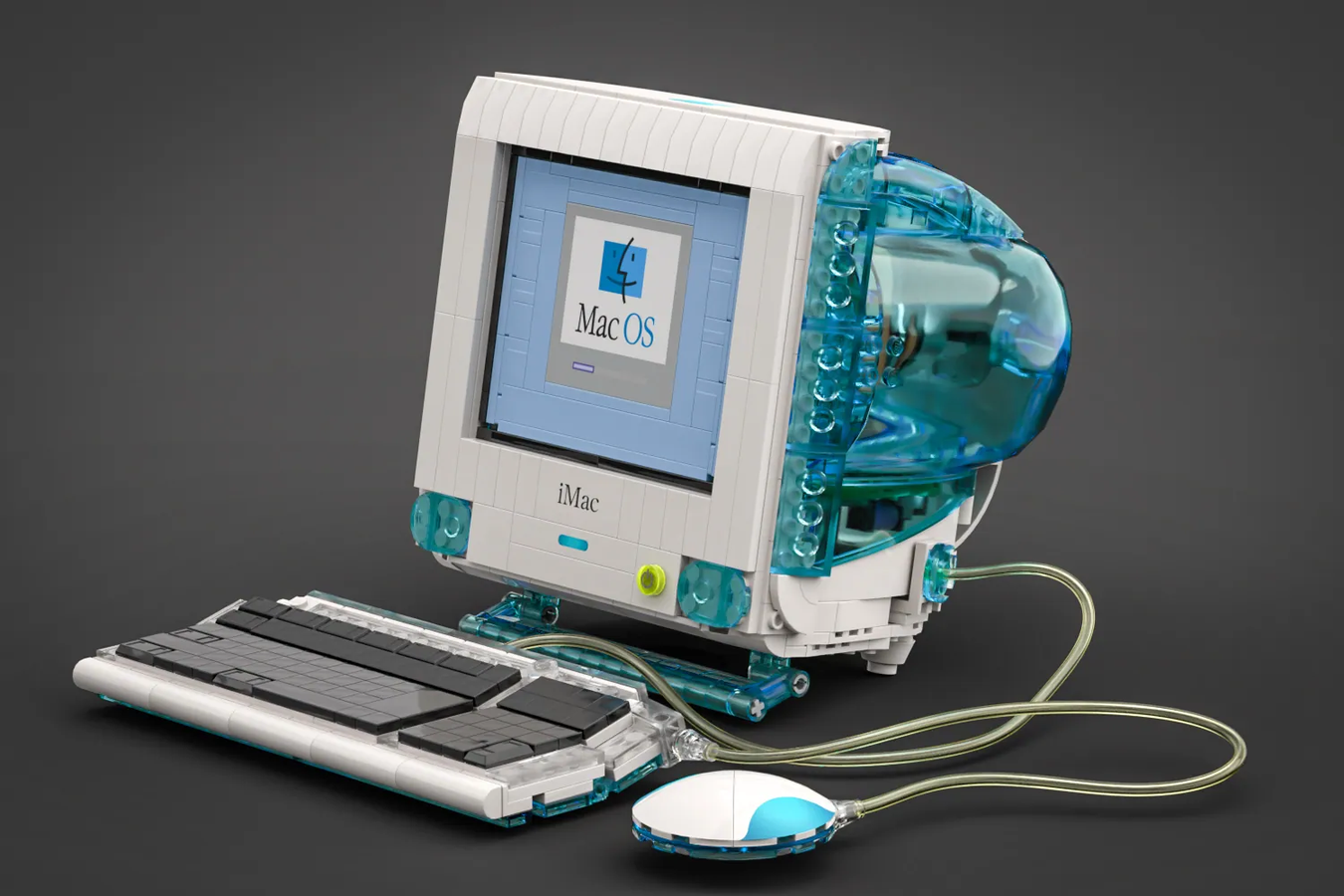
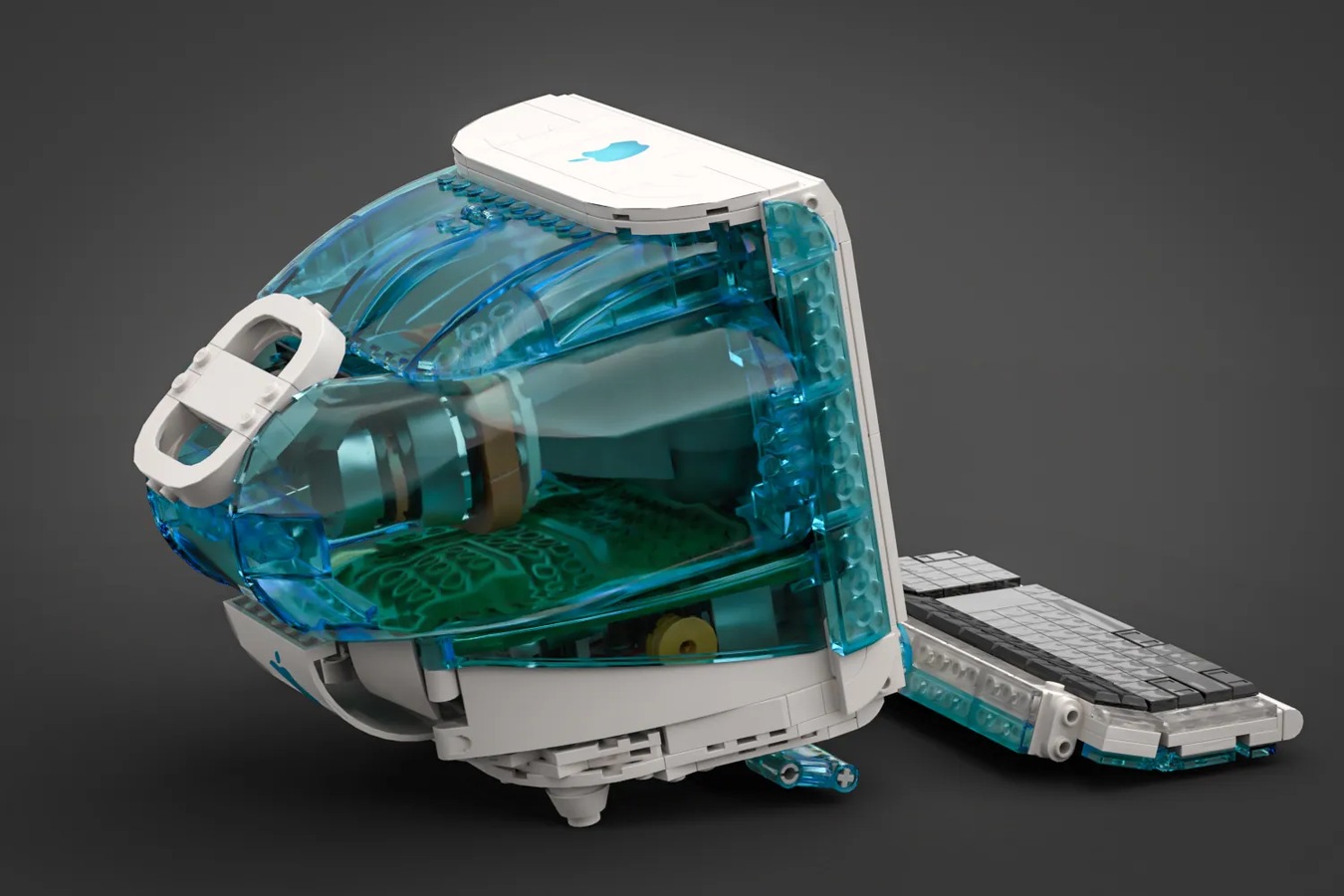
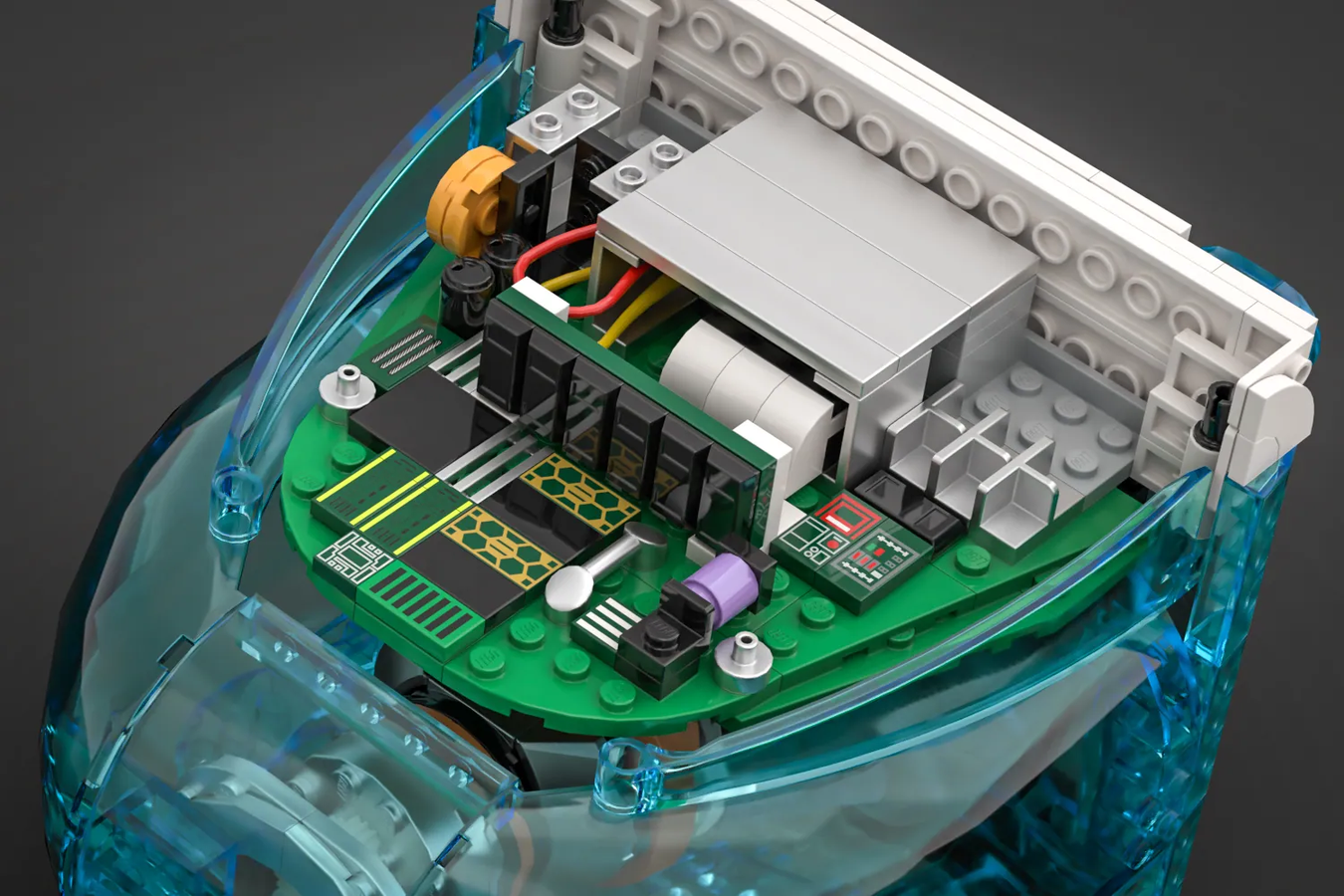
This is a concept put together by Terauma on the LEGO Ideas website, which collects projects designed by the community for voting. Some of these projects become reality, with the designer earning royalties. You know I voted before I even published this post.
Seven years ago, on 27 March 2017, Apple introduced one of the most fundamental changes in its operating systems since Mac OS X 10.0 Cheetah was released 16 years earlier. On that day, those who updated iOS to version 10.3 had their iPhone’s storage silently converted to the first release of Apple File System, APFS. Six months later, with the release of macOS 10.13 High Sierra on 25 September, Mac users followed suit.