The Harry Potter Collector’s iPod

Sure, the U2 and even the HP iPods are well-known to us nerds, but until yesterday, I had totally forgotten about this gem:
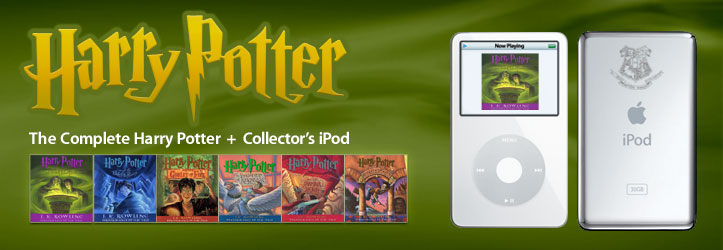
Harry Potter iPod banner

The Harry Potter Collector’s iPod was originally released in 2005, as a 4th-generation iPod with color display to mark the release of the debut of Harry Potter audiobooks on iTunes:

“We are honored that J.K. Rowling has picked iTunes for the debut of the Harry Potter audiobook series,” said Steve Jobs, Apple’s CEO. “We’re delighted to be able to bring these wonderful and wildly popular stories to iTunes Music Store customers.”

Continue reading ⇢

Ten years of Intel Macs

I would have missed this anniversary if it hadn’t been for this week’s episode of Simple Beep: at Macworld 2006, Steve Jobs unveiled the Intel-based iMac and the very first MacBook Pro.

I’ve written a little bit about the first Intel iMac in the past, while discussing the iMac G5 (iSight). That machine was very short lived, and the original Intel iMac ate its lunch in terms of speed and power.

The MacBook Pro was a little more interesting. Apple took the opportunity to slightly redesign the PowerBook G4’s case, making it thinner and adding things like MagSafe and an IR port for use with the Apple remote. With Apple never being able to squeeze the hot and power-hungry G5 into a notebook, the new machine was a really nice upgrade for customers who wanted both power and portability.

Continue reading ⇢

The most upgradable portable Mac ever

This is a guest post written by my friend and Newton aficionado Thomas Brand.


The PowerBook G3 Series was Apple’s most upgradable portable computer ever! It weighed 7.8 pounds, and cost anywhere between $2,299 to $7,000 fully loaded. Codenamed “Wallstreet” the PowerBook G3 Series was the second line of Macintosh portable computers to include a PowerPC G3 processor, and the oldest portable Macintosh capable of running Mac OS X 1.

image via Shrine of Apple

Continue reading ⇢

Apple ready for Y2K⇢

Thank goodness:

Computer systems that cannot correctly process dates beyond 2000 are at risk of failure one second after midnight on December 31, 1999.

The good news is that since their introduction in 1984, Macintosh computers have had the ability to make the transition to the year 2000. In fact, the Mac OS and most Mac applications can handle internally generated dates correctly all the way to the year 29,940.

Continue reading ⇢

Lineage

I hope to take some nicer photos of my growing iPod collection soon, but I had them all out on my desk this evening and couldn’t help myself, snapping a quick picture with my iPhone.

Pictured:

  • iPod, 1st generation (5 GB)
  • iPod, 2nd generation (10 GB)
  • iPod, 3rd generation (15 GB)
  • iPod, 4th generation (20 GB)
  • iPod, 5th generation (black; 30 GB)
  • iPod classic (black; 160 GB)

Continue reading ⇢

On Backup.app

Backups always come up this time of year. If you’re at home visiting family, it’s your Nerd Duty to make sure your family members have something in place to keep their data safe.

There are lots of good options out there today, but back in the early 2000s, that wasn’t true. If you were a .Mac subscriber, though, Apple’s Backup.app made data duplication easier than it had been previously. You didn’t even have to download the app; you could install it right from your iDisk folder.

Continue reading ⇢