Tomorrow morning at 5 AM Pacific, the new M2 MacBook Air goes on sale. I think it’s going to be a big hit and pretty constrained at first thanks to waves arms at world.
For me, I’m planning on ordering a machine in silver for my wife with:
Base CPU/GPU
16 GB of RAM
2 TB SSD
I fully expect to have it delivered in October.
Update: Got a base CPU/GPU with 24GB RAM and 2 TB SSD in Silver coming July 26-August 2.
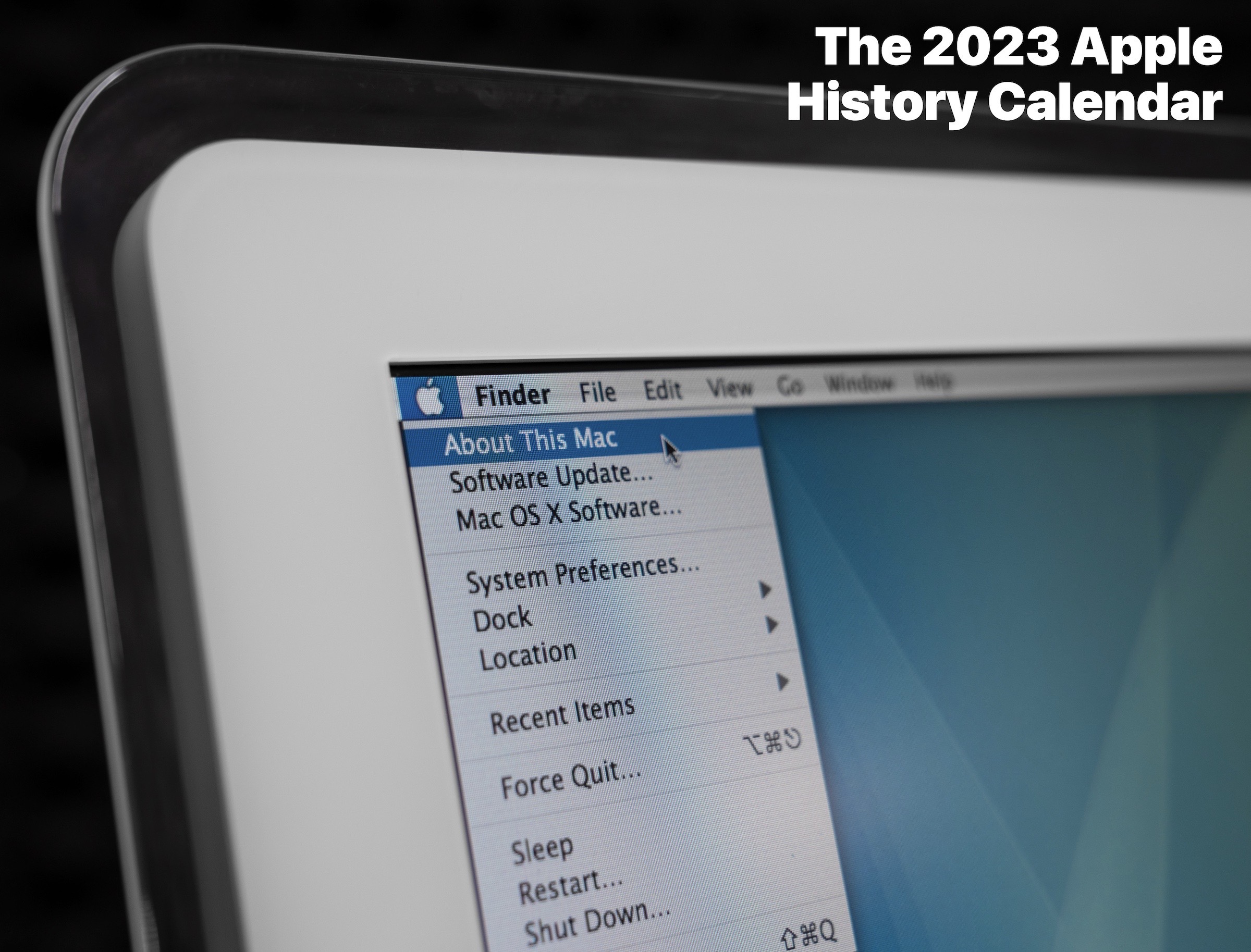
For 2023, I’ve designed a new edition, focusing on the software that powers our favorite devices. These dates cover everything from Apple’s earliest software to the latest and greatest versions of macOS, iOS, iPadsOS and more. The calendar also includes a wide range of first-party software titles from iLife and iWork to things like Cyberdog and Rhapsody.
The calendar features my own product photography of Apple products, with each month highlighting some of Apple’s software announcements over the years. Each calendar measures 20 inches by 13 inches (50.8 x 33.02 cm) when it’s hanging on your wall with a simple thumbtack or pin.
In addition to the calendar, backers can opt to receive a pack of four stickers featuring characters based on Apple hardware. All backers will also receive digital versions of the photos used in the project for making their own wallpapers.
The calendars will be printed here in Memphis. Campaign orders will fulfilled by me and a small team of family and friends with shipping starting in October, in plenty of time for the new year. If you are one of the 1100 people backed my campaign last year, I hope you’ll enjoy this calendar just as much as you did the previous one. If you’re new to this project, then welcome!
All of the information can be found on the campaign page. I’d love it if you would check it out.
QuickTime VR creates an immersive, photorealistic experience simulating actual or imagined three-dimensional objects and places. Unlike other virtual reality implementations, QuickTime VR does not require special goggles or gloves, and it doesn’t need you to download a custom 3D plug-in to work with any application or web browser. All major applications that play QuickTime movies can also play QuickTime VR movies. There are two main types of QuickTime VR movies - QuickTime VR Panoramas and QuickTime VR Object Movies.
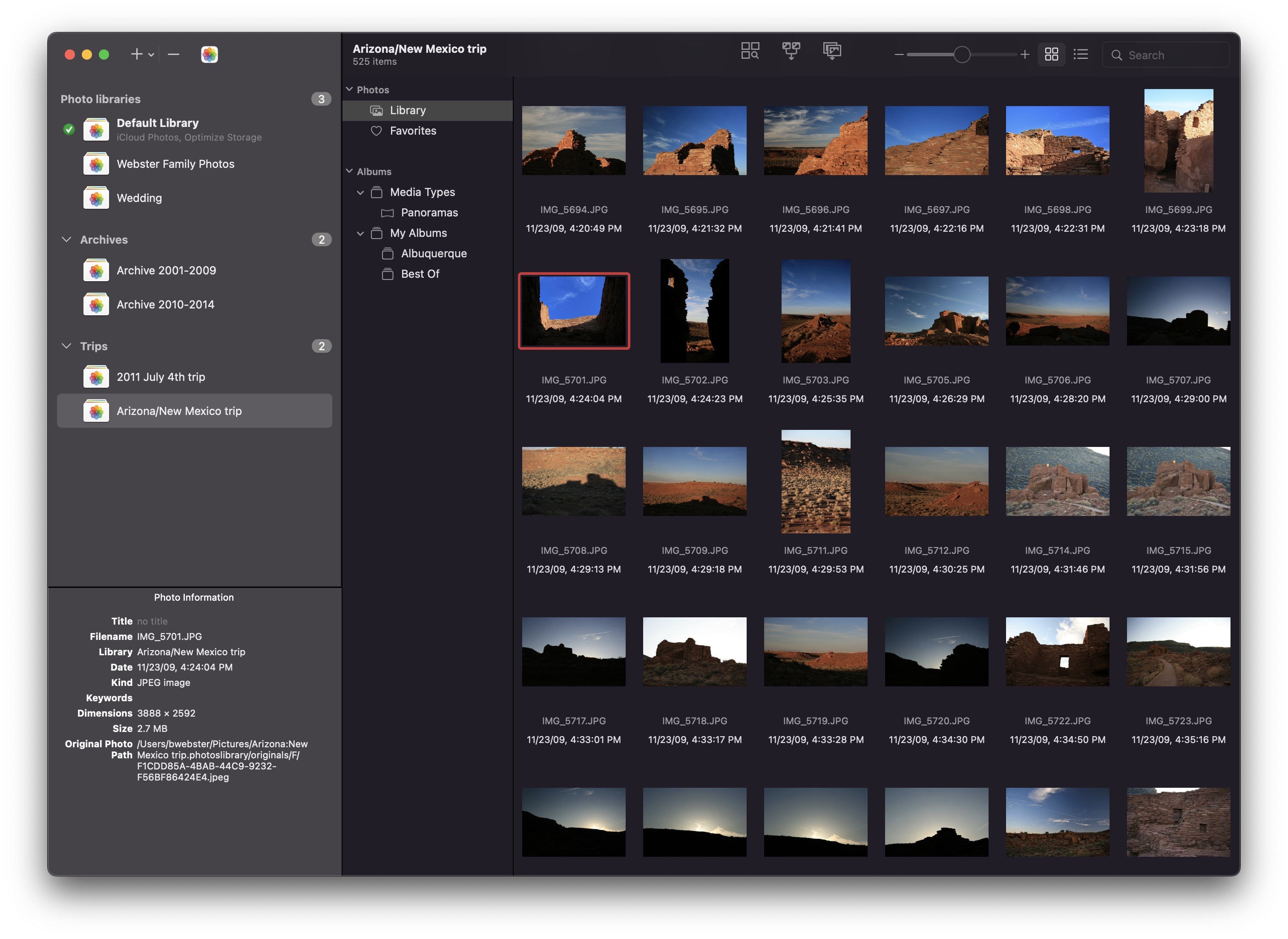
PowerPhotos works in conjunction with the Apple Photos app, filling in missing features that Photos itself doesn’t provide. With PowerPhotos you can manage multiple photo libraries, either splitting up an existing library into smaller ones, or merging multiple libraries together into one. You can browse and search your libraries, copy photos and albums between libraries while retaining edits and metadata, and find and remove duplicate photos.
New in PowerPhotos 2.0 is an advanced export function that offers more functionality than Photos’ built-in export window. PowerPhotos export supports standard features like different image formats, resizing, customizing EXIF metadata, but that’s just the beginning. PowerPhotos can also export your photos to a folder hierarchy that mimics the album hierarchy you’ve painstakingly arranged in your Photos library. In addition, it supports setting the exported files’ creation and modification dates to match the photo’s EXIF date, allowing you to more easily browse photos by date in the Finder. This major update also includes improved iCloud Photos support, library groups, a global menu bar item for quick access to libraries, opening libraries in separate windows, and improved AppleScript support.
PowerPhotos 2.0 can be downloaded for free from https://www.fatcatsoftware.com/powerphotos and offers many of its features for free. Purchasing a license will unlock advanced features such as library merging, deletion of duplicate photos, and unlimited photo copying and exporting. Existing users of PowerPhotos 1.0 or iPhoto Library Manager can use their serial number to upgrade for 50% off the regular price, and 512 Pixels readers can use the coupon code 512PIXELS to receive a 20% discount.
Tony Miceli is a world-renowned jazz vibraphonist. This week, he joins us on Mac Power Users to talk about how music and technology have become more intertwined over his career, and how he built an online community of vibraphonists.
There are new betas, new chargers and new versions of iWork apps out this week. Beyond covering those items, the guys talk about WeatherKit and calculate updated Hackett Numbers.
The feature was originally included in Apple’s word processing software, but got the axe in 2013’s version 5.0, when Apple redesigned its iWork suite to give even footing across the iOS, iPadOS, and macOS platforms. In the interim, Mail Merge remained possible only via workarounds like Sal Soghoian’s Pages Data Merge app.
Version 12.1, released today, brings a brand new implementation, however, which lets you populate a template document either from your contacts or a spreadsheet. On the Mac, just create a template with the File > New command or open an existing one, and then choose File > Mail Merge to step through the process. (The feature’s also available for the first time in the iOS and iPadOS versions of Pages, under the three dots menu: tap Mail Merge to start the process.)