Anniversaries and birthdays serve as an opportunity to both reflect on where you’ve been and think about where you are going… whether you’re turning 16, planning your 20-year high school reunion, or celebrating 35 years of marriage.
In the tech world, a milestone anniversary is a chance to revisit a product’s launch or a particularly meaningful update, inviting us to remember how far things have come.
Just like in relationships, as the numbers get bigger, those reflections can get harder to make. Memories fade, and as the decades pass, there are fewer miles on the road ahead.
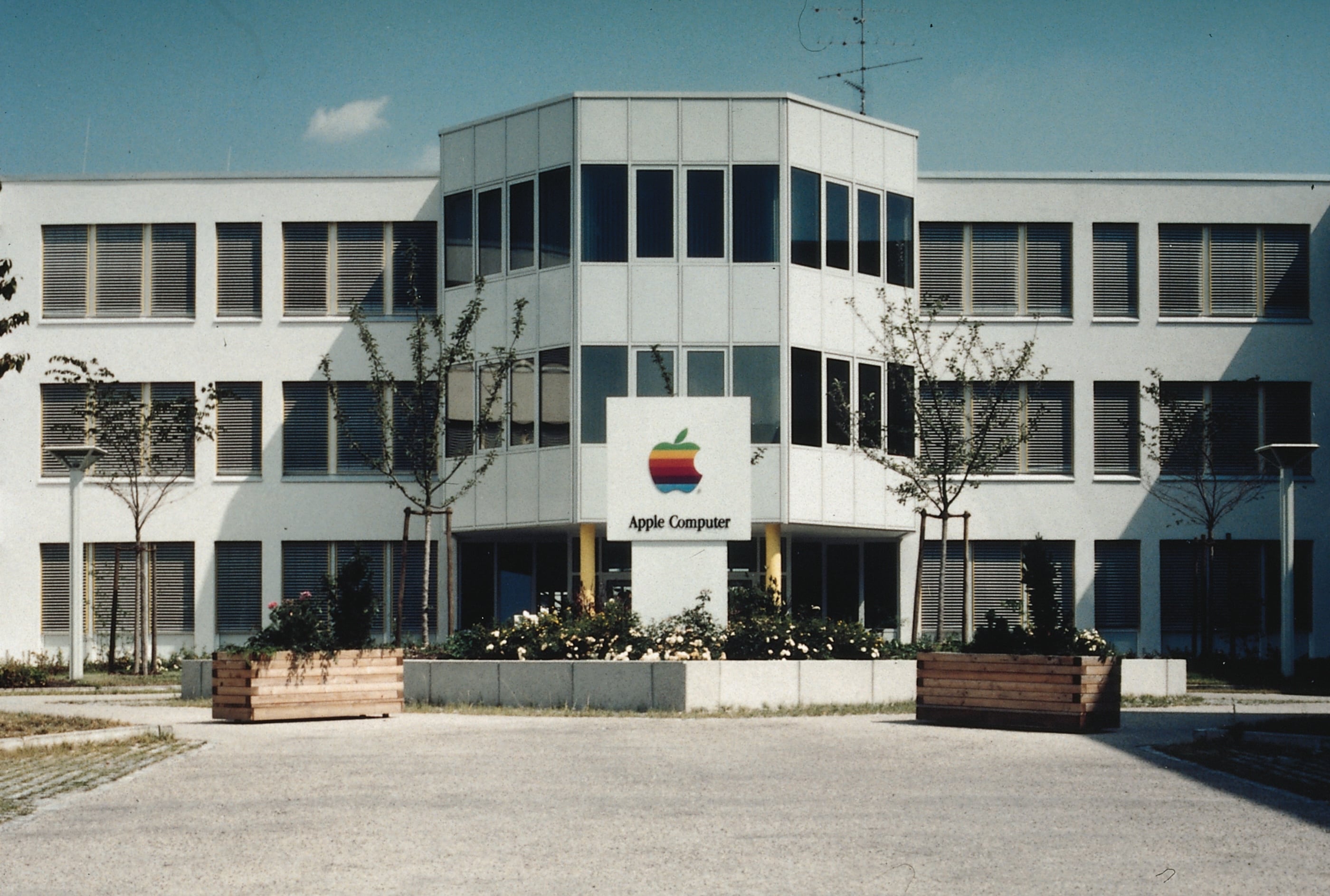
Today, Apple marks 50 years in business. In our current era of VC-funded startups and AI-powered workflows, it’s difficult to believe that anything could last that long in the technology industry.
Apple is one of just a handful of modern tech companies with roots in the 1970s, and it’s hard to overstate the differences between the early days of the company and where it is today.
Gone are the days of hand-building computers, replaced by one of the world’s most intricate supply chains. The A18 Pro just beneath the keyboard of the MacBook Neo I am typing on would astound the men and women who worked on the original Macintosh. If the dreamers who designed the Newton were handed an iPhone Air, their heads would explode. Showing someone in the garage a photo of Apple Park would have brought work to a halt for the day.
That is just how things are, especially in tech. The more time passes, the more extraordinary the ordinary things in life become.
This nostalgia can be powerful. For long-time Apple fans, it may come from writing programs on an Apple II after school or flipping through copies of MacUser or Macworld to learn about the move to PowerPC. For me, those early experiences with Mac OS X in high school and college—often set to an iPod soundtrack—still resonate. For younger users, perhaps it’s their first MacBook, iPhone, or iPad.
For those who closely follow Apple, it may be for the days of a smaller company and a more close-knit community of weirdos who love their Macs. Some still wonder what Steve Jobs would do in any given situation.
Whatever your feelings are today, they are valid, even if they are messy.
That is just how things are, especially in the 21st century. Companies like Apple have the pull once reserved for countries. AI — like the Internet before it — has brought both good and evil into the world. Social media and the app ecosystem have generated untold wealth for some and unimaginable sorrow for others. Apple is not merely good nor bad for the world.
In 2001, I sat down at a beige Power Mac G3 All-in-One at my high school newspaper and began to learn Photoshop and QuarkXPress. I had no idea where things would lead, but the feeling I discovered back then resonates with me today: that technology — especially the Mac — was a tool to express myself. That feeling was only amplified during my years at my college newspaper, where I designed thousands of pages over the course of five and a half years.
25 years later, I still have that feeling when I record on a podcast, publish a blog post, or help release an app update.
In 2007, I was working at my local Apple Store when the original iPhone went on sale. I got to use one a few hours before sales started and was blown away. I remember calling my wife, excited to tell her that I was talking to her on an iPhone. As primitive as the first model was, I knew that the flip phone, iPod, and paper calendar in my employee locker were not long for this world.
Late the following year, I began writing this very website. I wanted to share my thoughts on the Mac and related products with the world, following in the footsteps of writers I had been reading for years.
In March of 2011, I recorded my first podcast with Myke, not knowing that three years later we would launch our own network, and definitely not knowing we would still be doing it 12 years after that.
Just this week, I have had FaceTime calls with friends in other states, been sent jokes from my kids over iMessage, and looked through old photos with my wife at bedtime.
All of those important moments were made possible by the Apple products in my life.
I’m often asked about tech by friends. What will the next iPhone do that the current one can’t? Is AI going to take our jobs? Should they get a new MacBook Air for their college kid, or let them use an old one for another year? Is social media as bad for us as it seems? Why should anyone pay for more iCloud space?
Some of these questions are easy, while others are not.
That is just how things are, especially when predicting the future. Technology moves both faster and slower than it seems that it should. We don’t have flying cars, but we are carrying supercomputers in our pockets. We haven’t cured cancer, but we have explored the far reaches of our solar system. Apple’s bets on the future haven’t always come to pass, but the products they make have allowed millions of people to make their own bets.
I don’t know what the next half-century looks like, but I’m betting Apple remains a constant — delivering the tools I use to create and cultivating the joy that comes with using a well-made product.