512 Pixels

Apple Posts Q3 Results ⇢

Apple PR:

Apple today announced financial results for its fiscal 2020 third quarter ended June 27, 2020. The Company posted quarterly revenue of $59.7 billion, an increase of 11 percent from the year-ago quarter, and quarterly earnings per diluted share of $2.58, up 18 percent. International sales accounted for 60 percent of the quarter’s revenue.

“Apple’s record June quarter was driven by double-digit growth in both Products and Services and growth in each of our geographic segments,” said Tim Cook, Apple’s CEO. “In uncertain times, this performance is a testament to the important role our products play in our customers’ lives and to Apple’s relentless innovation. This is a challenging moment for our communities, and, from Apple’s new $100 million Racial Equity and Justice Initiative to a new commitment to be carbon neutral by 2030, we’re living the principle that what we make and do should create opportunity and leave the world better than we found it.”

Jason Snell has all the charts.

Also, there’s this:

Apple CFO confirms next iPhones coming a few weeks later than last year, which was late September

— Ina Fried (@inafried) July 30, 2020
Connected #305: We Should be Doing the Questioning ⇢

This week on Connected:

Tim Cook is answering to Congress about Apple’s App Store policies, and the guys break down his opening statement before getting into what the rest of the year could look like in terms of new iPhone, iPad, Mac, Apple Watch and even Apple TV hardware.

On Connected Pro, there’s a lot of talk about summer camps, as my daughter is learning about horses this week. Also: Federico drinks a coffee and Myke wonders if being a parent ages you.1

My thanks to our sponsors this week:

  • Pingdom: Start monitoring your website performance and availability today, and get instant alerts when an outage occurs or a site transaction fails. Use offer code CONNECTED to get 30% off. Offer expires on January 31, 2021, and can be used only once.
  • Squarespace: Make your next move. Enter offer code CONNECTED at checkout to get 10% off your first purchase.

  1. It does. ↩︎

AppleDesigns ⇢

Michael Steeber:

One of the first products you could purchase online from Apple was a set of golf balls and tees. Not a golfer? Apple also offered a puzzle in a can, a paddle game, luggage tags, and even a onesie with the classic Mac OS Trash icon screen printed on the front. These forgotten items and nearly 100 more products came from the peculiar world of AppleDesigns.com, one of Apple’s earliest online shopping projects.

Buying a Mac in the 90s still involved finding a local reseller and venturing out to the store. It wasn’t until November 1997 that Apple launched the online Apple Store and changed the way we shop. But even before the return of Steve Jobs, Apple was experimenting with retail online.

Apple called AppleDesigns “the Apple online department store.” The early website was featured on a full-page ad in MacWorld magazine and briefly listed on Apple’s website as a place to buy “Apple Softwear” and gifts for friends and family.

SOFTWEAR!

Upgrade #308: The Adventures of Dr. Icon ⇢

This week on Upgrade:

Stephen Hackett joins Myke and Jason to consider the best and worst changes to app icons in macOS Big Sur. What makes a good icon? How are books shaped? What is the origin of the term “email”? What happened to Lou? Staring at icons for a long time really makes you think…

This got weird, but was a ton of fun. Myke put chapter artwork in the show so you can follow along, but the icons can also be seen here, with The Big Sur versions to the left of the older ones.

Applications

Big Sur Applications

Utilities

Big Sur Utilities

Sponsor: SheetPlanner: The Ultimate Tool for Organizing Information, Managing Projects and Getting Things Done ⇢

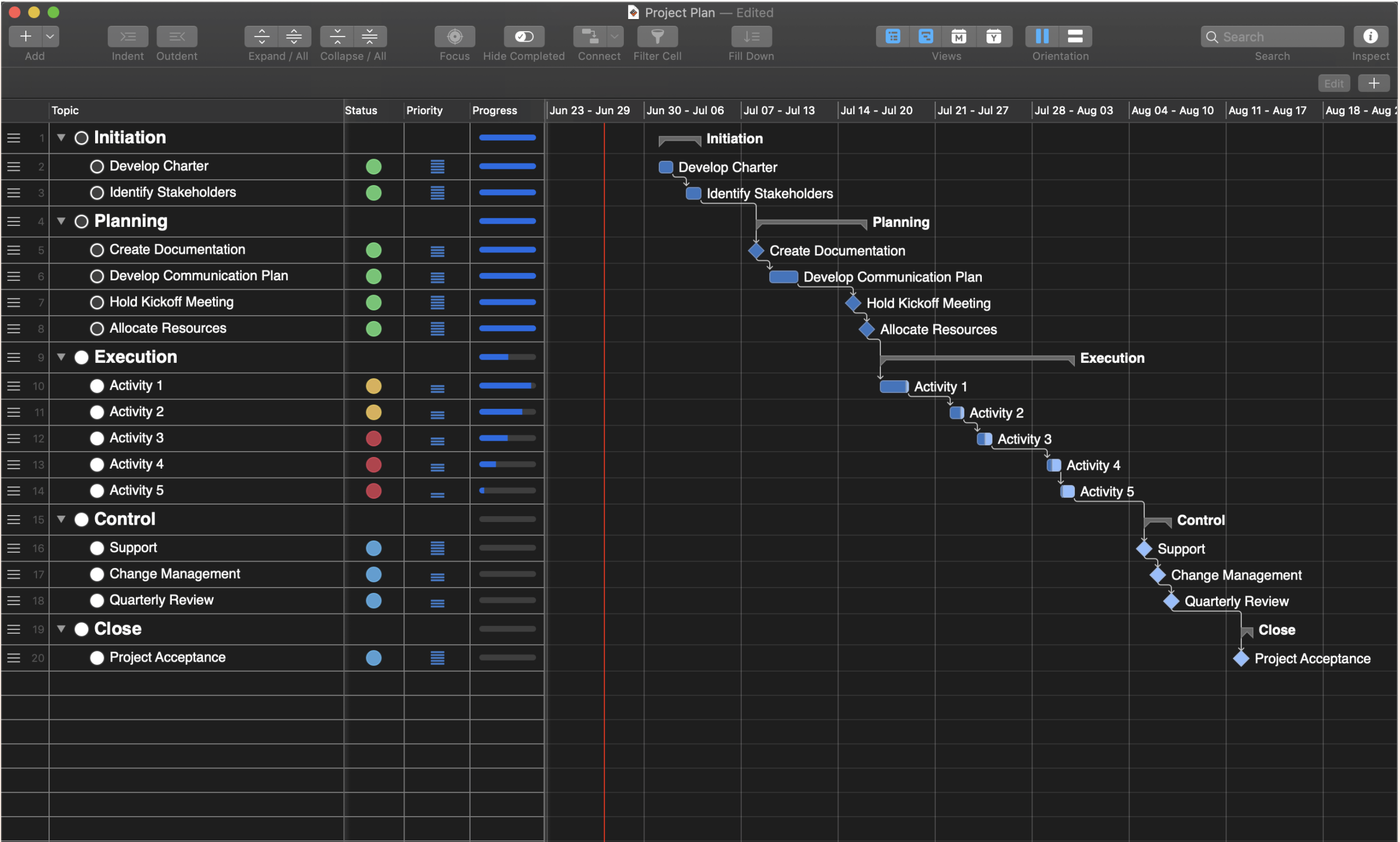
SheetPlanner helps you organize information, manage your projects, and schedule your tasks and activities with unparalleled power and flexibility.

Get organized…

Organize information using the Outliner to provide structure. Populate the start, finish and progress columns to create a schedule and track progress. Add custom, text, number, date, symbol, list and picture columns to track additional information.

Make a plan…

Visualize tasks with start and finish dates on the Timeline. Change the Timeline scope to get a high level view of your project over multiple years or zoom in to weeks or even days for more precision. See the progress of each task in the Timeline. Customize the color of Timeline bars. Preview and print the Timeline.

Get things done…

Use filters to focus on what’s important, due today, due tomorrow, or whatever criteria you determine. View filtered tasks in the timeline, month and yearly calendar. Check items off as they are completed in the outline, timeline, month or year views. Hide completed items to stay focused.

You can download SheetPlanner from the Mac App Store, where a 21-day trial is available.

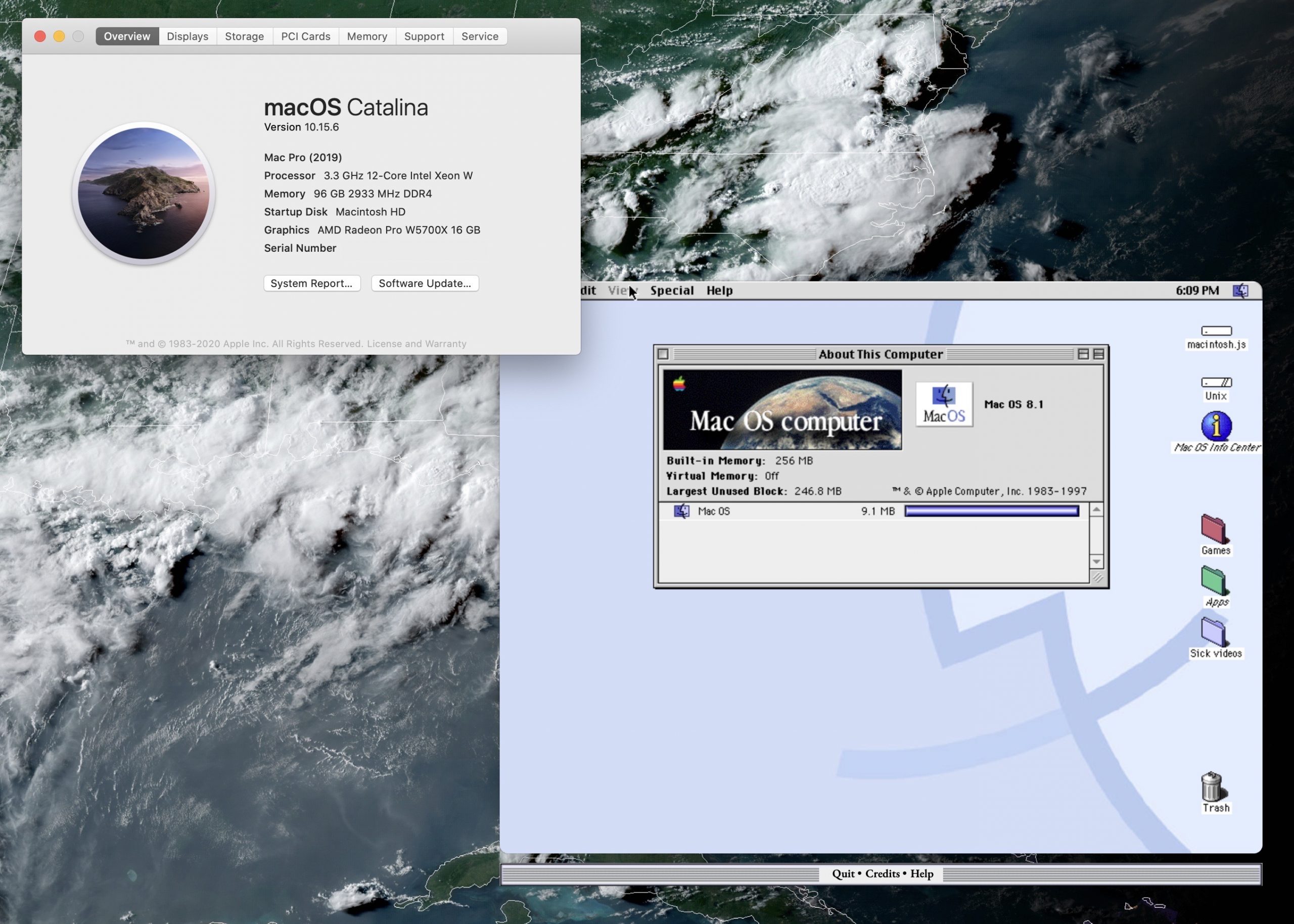
The Future of the iMac

Word on the street is that the iMac is due for a spec bump any time.1 A 10-core model has been spotted on Geekbench, and with Apple saying more Intel Macs are in the pipeline, it makes sense that this iMac could come out before the end of the year.

The current iMac isn’t all that … modern. The design reaches back to 2012, all standard models come with a Fusion Drive at best and all but the top-of-the-line model comes with an 8th-gen Intel processor or older.

I tend to agree with the thinking that the pending Intel iMac refresh will use the same design the iMac has been using for years. If there’s a radical redesign coming, I expect Apple to use it to usher in the first Apple silicon iMac.

There’s not much known about what this redesign could entail, but I for one hope the iMac falls in line with Apple’s modern hardware design as shown in the iPad Pro and Pro Display XDR.

To make things even more interesting, it seems that Face ID support is present in betas of macOS Big Sur, as Filipe Espósito writes at 9to5Mac:

We were able to find a new extension on macOS Big Sur beta 3 with codes intended to support “PearlCamera.” You may not remember, but this is the internal codename Apple uses for the TrueDepth camera and Face ID, which was first revealed with the iPhone X leaks in 2017.

Codes such as “FaceDetect” and “BioCapture” found within this extension confirms that Apple is preparing macOS to operate with Face ID, as these codes are similar to those used by iOS. We investigated and this Face ID extension was clearly built for macOS, and it’s not some remnant code from Catalyst technology.

Having Face ID in the new iMac would be really cool, and if Apple were to announce a more reasonable display option than the XDR, I would expect to see it there as well. However, I think Touch ID will stick around in the notebooks unless Apple has worked a miracle to get the TrueDepth hardware much thinner than it currently is.

Desktop Macs sell in small numbers compared to notebooks, but in a way, the iMac is the line’s flagship, and it deserves some serious attention. Hopefully that comes sooner than later, but I think we’ve got to wait until Apple silicon shows up.


  1. Jon Prosser says it is coming in August, but his track record is so spotty, I don’t put much stock in his reporting at this point. ↩︎

MPU #546: The Best Listeners ⇢

This week on Mac Power Users:

On this feedback show, David and Stephen go through some listener email, revisit notes apps and discuss remote troubleshooting iOS devices.

My thanks to our sponsors:

  • 1Password: Have you ever forgotten a password? You don’t have to worry about that anymore.
  • Miro: The online collaborative whiteboard platform. Sign up for a free account today.
  • Mint Mobile: Cut your wireless bill to $15 a month.
  • Indeed: Get a free $75 credit to boost your job post.

Instagram App Showing Camera Access in iOS 14 When User Isn’t Using the Camera ⇢

Kim Lyons, The Verge:

In the latest instance of iOS 14’s beta mode tattling on unexpected app behavior, some users reported that they were seeing the green “camera on” indicator while using Instagram when they were just scrolling through their feeds, not taking a photo or video.

An Instagram spokesperson said in an email to The Verge that the behavior was a bug and that it’s being fixed. The app’s Create Mode is accessible from the Instagram camera which could set off the camera indicator, and swiping into the app’s Camera from Feed may also trip it up.

The statement goes on:

“We only access your camera when you tell us to — for example, when you swipe from Feed to Camera. We found and are fixing a bug in iOS 14 Beta that mistakenly indicates that some people are using the camera when they aren’t,” the spokesperson said. “We do not access your camera in those instances, and no content is recorded.”

This comes on the heels of other apps being caught pulling data from the clipboard in the background. Like those cases, Instagram is either an example of poor programing or something far worse. Given Facebook’s history, I don’t feel inclined to give them the benefit of the doubt.1

Look, it’s just like I “accidentally” spent 3 hours playing Pokémon last night. I’m gonna fix the issue too

— Federico Viticci (@viticci) July 25, 2020


  1. This is made even more … interesting… give the somewhat widespread belief that both Facebook and Instagram are “listening” to users. Many have had the experience of talking about a product and then seeing that product advertised in one of the apps. Instagram and Facebook leaders have repeatedly said that the apps are not listening to users, but again, I find a short supply of grace in my heart for this company. ↩︎

micro.blog ⇢

My thanks to micro.blog for sponsoring 512 Pixels this week. It offers blog hosting, native macOS and iOS apps, and a welcoming community built around independent microblogs that can be used for short- and long-form writing. Start a microblog with your own domain name, then add photos, full-length posts, or even a shared blog for work or family.