512 Pixels

Reverse Halo Effect⇢

Brent Simmons, on the possible repercussions of Apple pulling out of the display and router markets:

With Apple no longer making displays and wireless routers, we have to look elsewhere for these things. And when we start looking elsewhere, we customers who have been in the habit of just buying the Apple thing get in the habit of looking outside Apple for things.

I can’t help but think that it’s a kind of an anti-halo effect. I can’t help but think that once we start looking elsewhere, we’ll look elsewhere more and more. We’ll get used to it. We’ll find out that other companies make things that work and are, in some cases, delightful.

Apple Opens Repair Program for iPhone 6s⇢

Another day, another iPhone repair program:

Apple has determined that a very small number of iPhone 6s devices may unexpectedly shut down. This is not a safety issue and only affects devices within a limited serial number range that were manufactured between September and October 2015.

If you have experienced this issue, please visit an Apple Retail Store or an Apple Authorized Service Provider and have your device’s serial number checked to confirm eligibility for a battery replacement, free of charge.

Bloomberg: Apple Airport Team Disbanded⇢

Mark Gurman:

Apple Inc. has disbanded its division that develops wireless routers, another move to try to sharpen the company’s focus on consumer products that generate the bulk of its revenue, according to people familiar with the matter.

Apple began shutting down the wireless router team over the past year, dispersing engineers to other product development groups, including the one handling the Apple TV, said the people, who asked not to be named because the decision hasn’t been publicly announced.

At this point, the Airport products are still for sale, but if they go away, I think I’d be mostly okay with it. It’s hard to beat Airports are far as simplicity of setup, but they are expensive and are out-performed by many other products.

Video: ‘Designed by Apple in California’ Book With Actual Products⇢

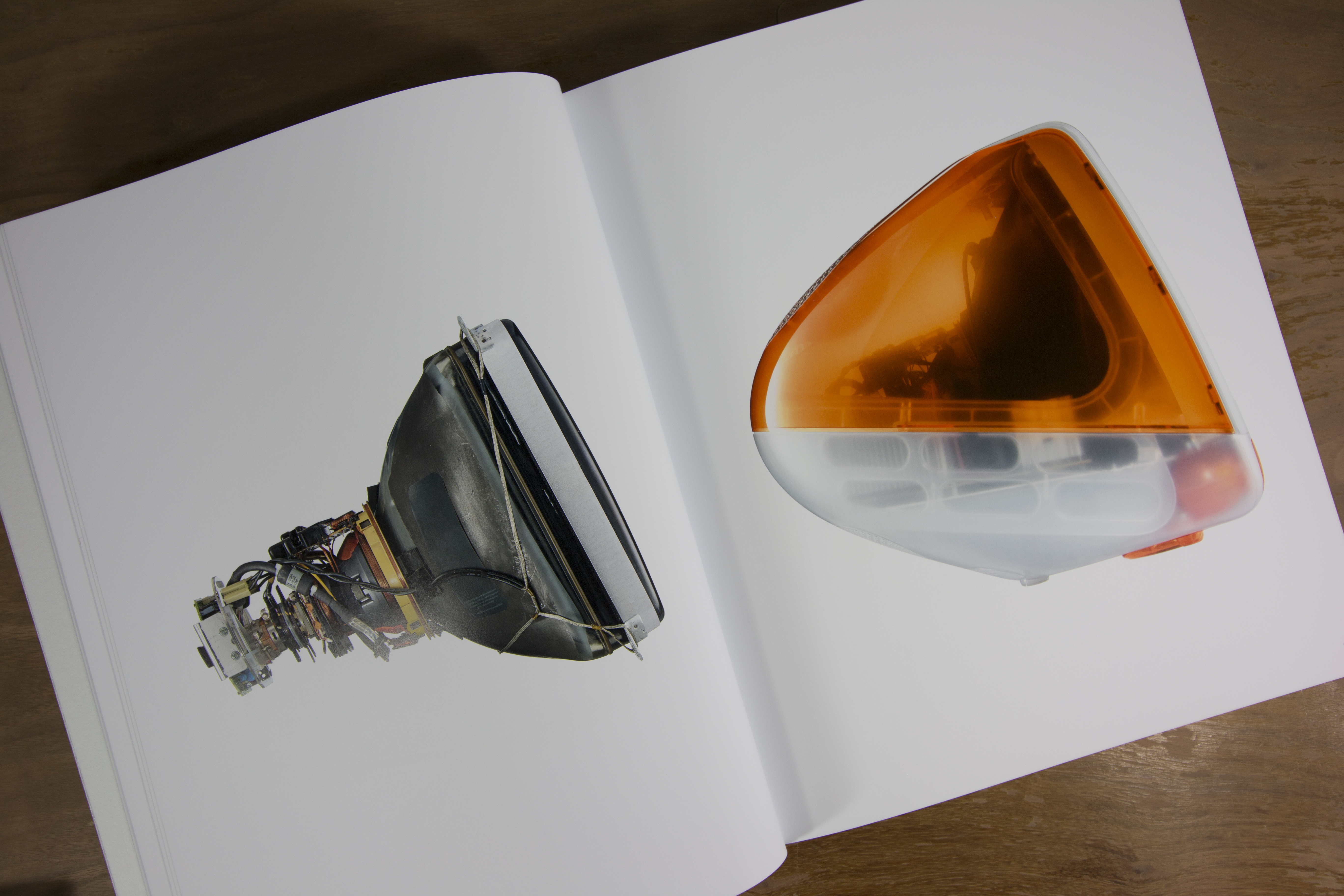
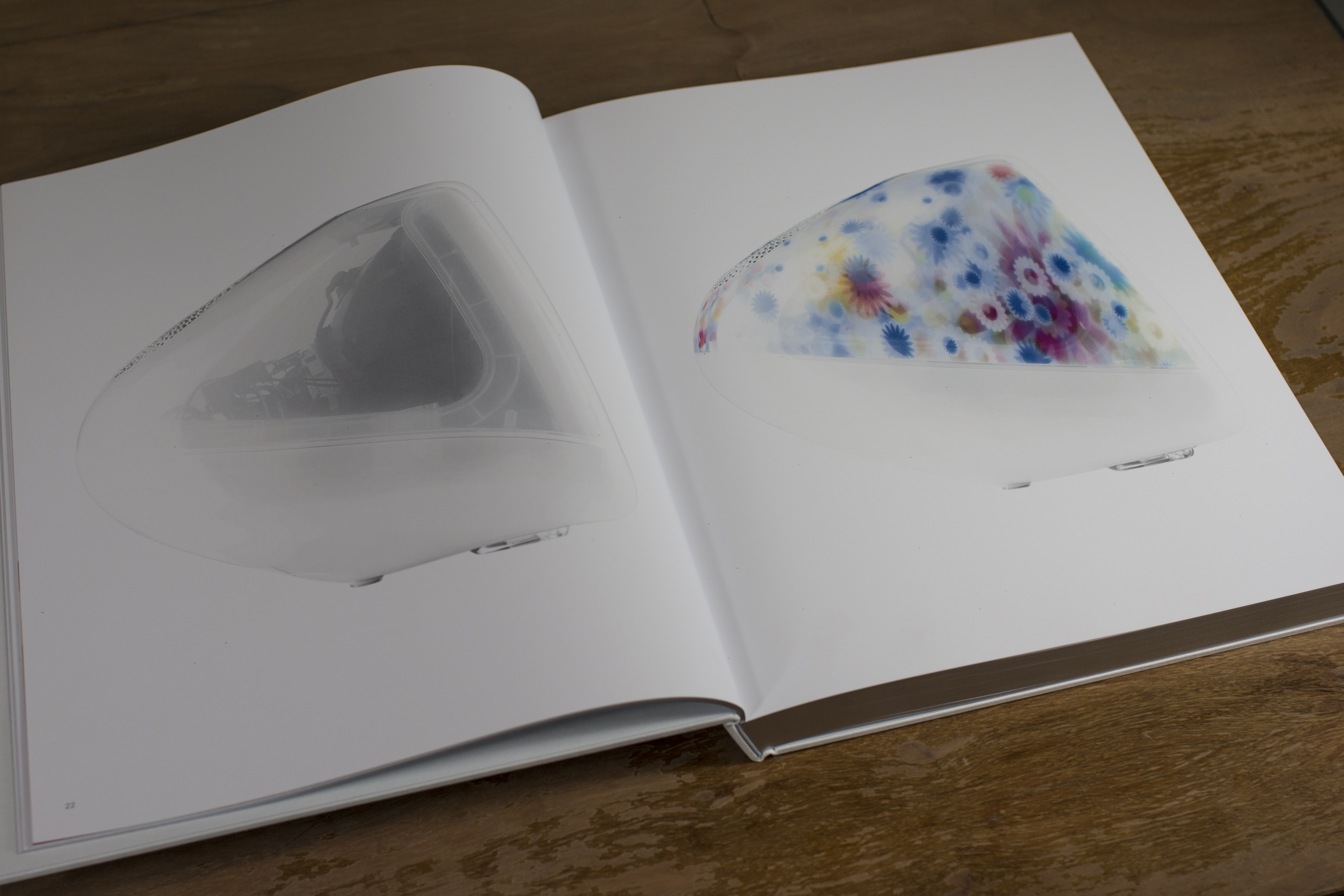
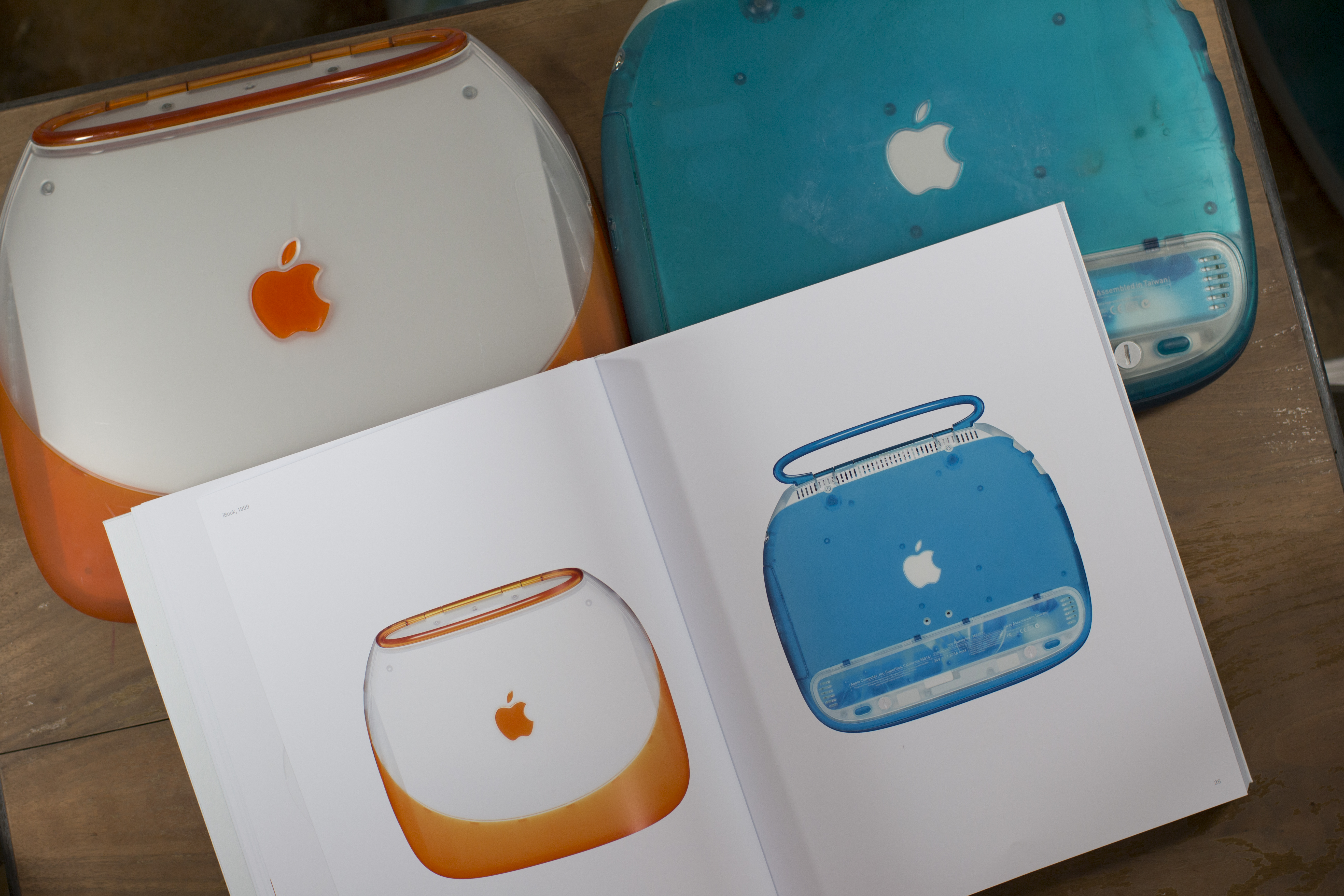
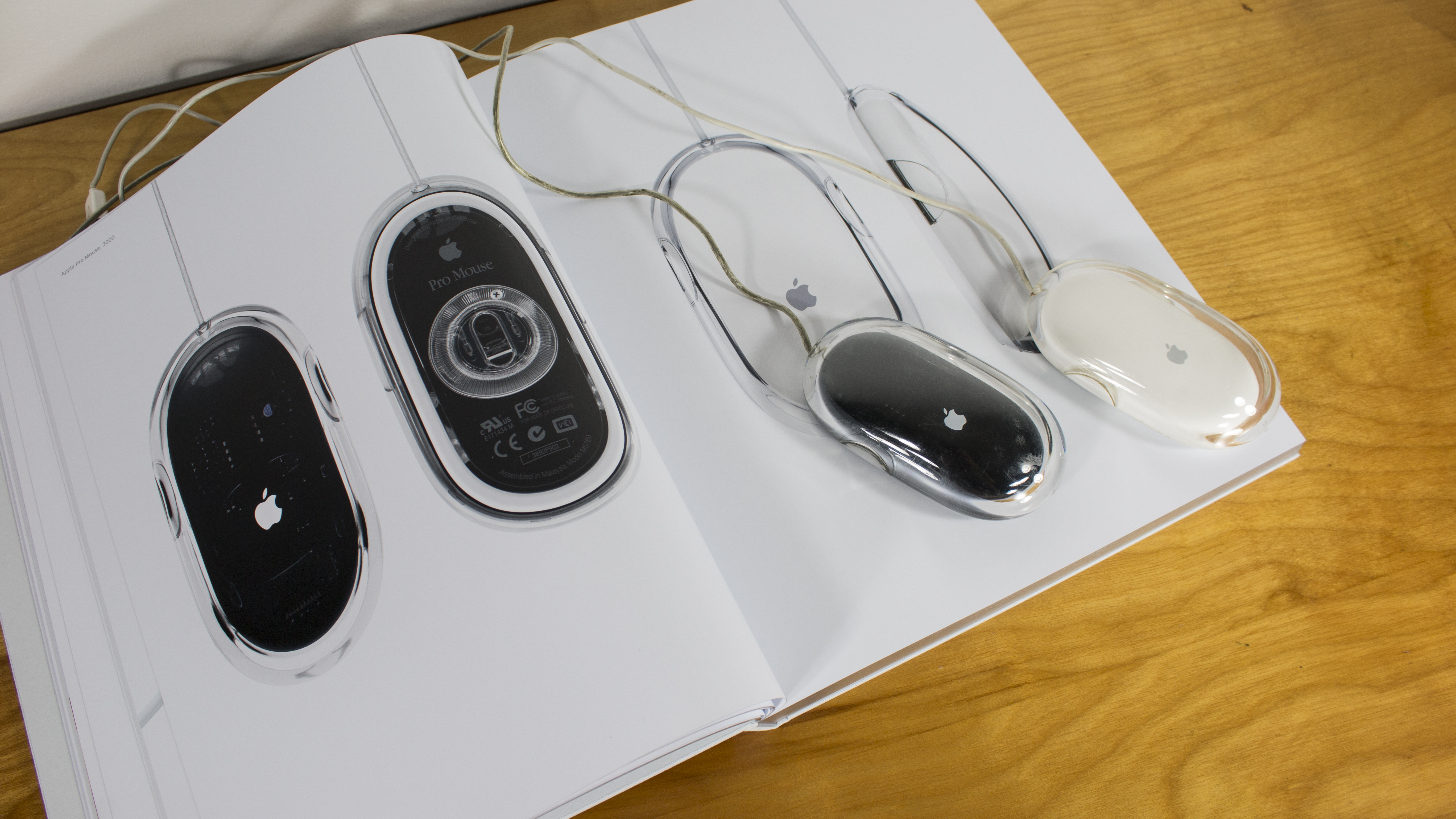
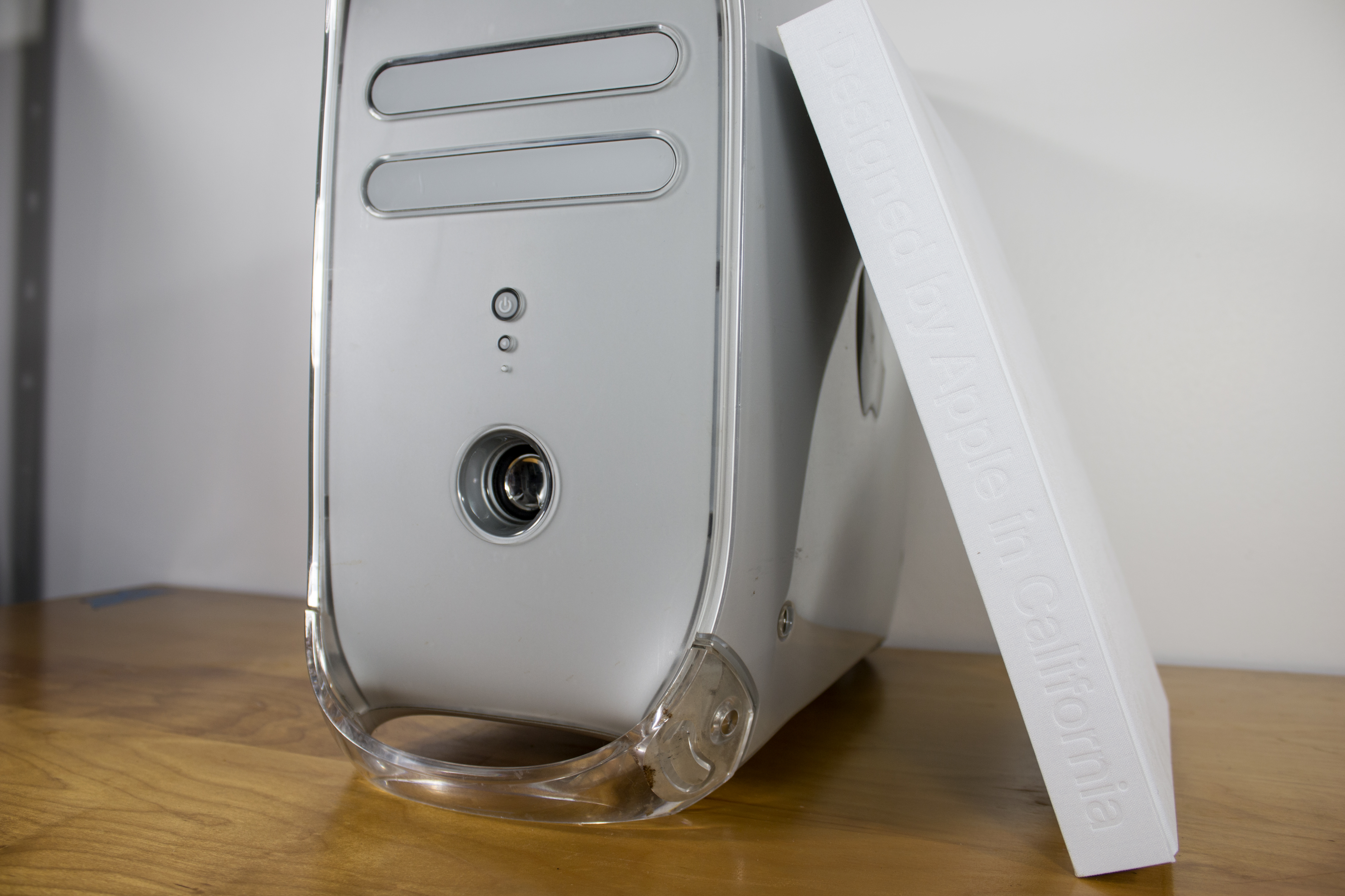
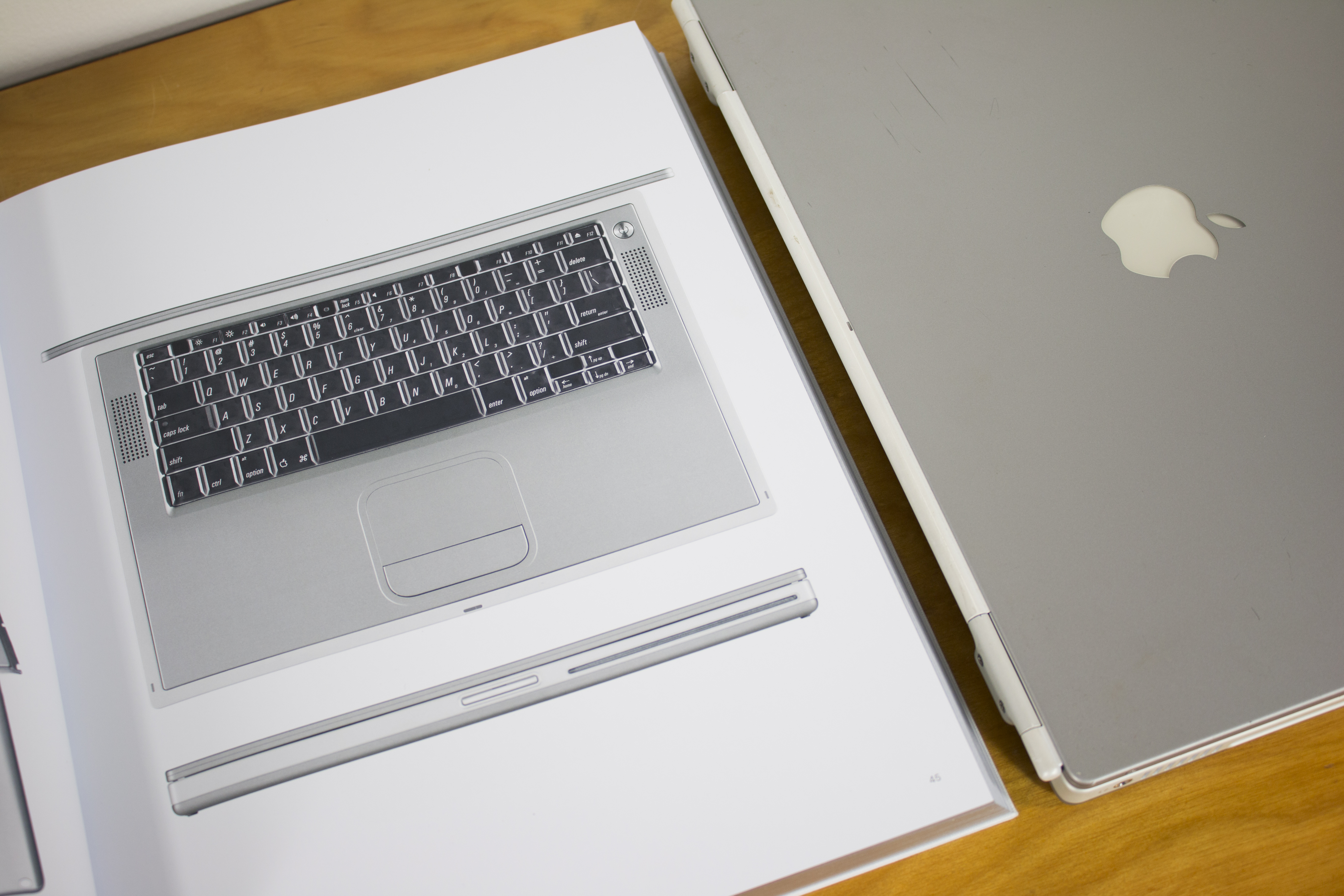
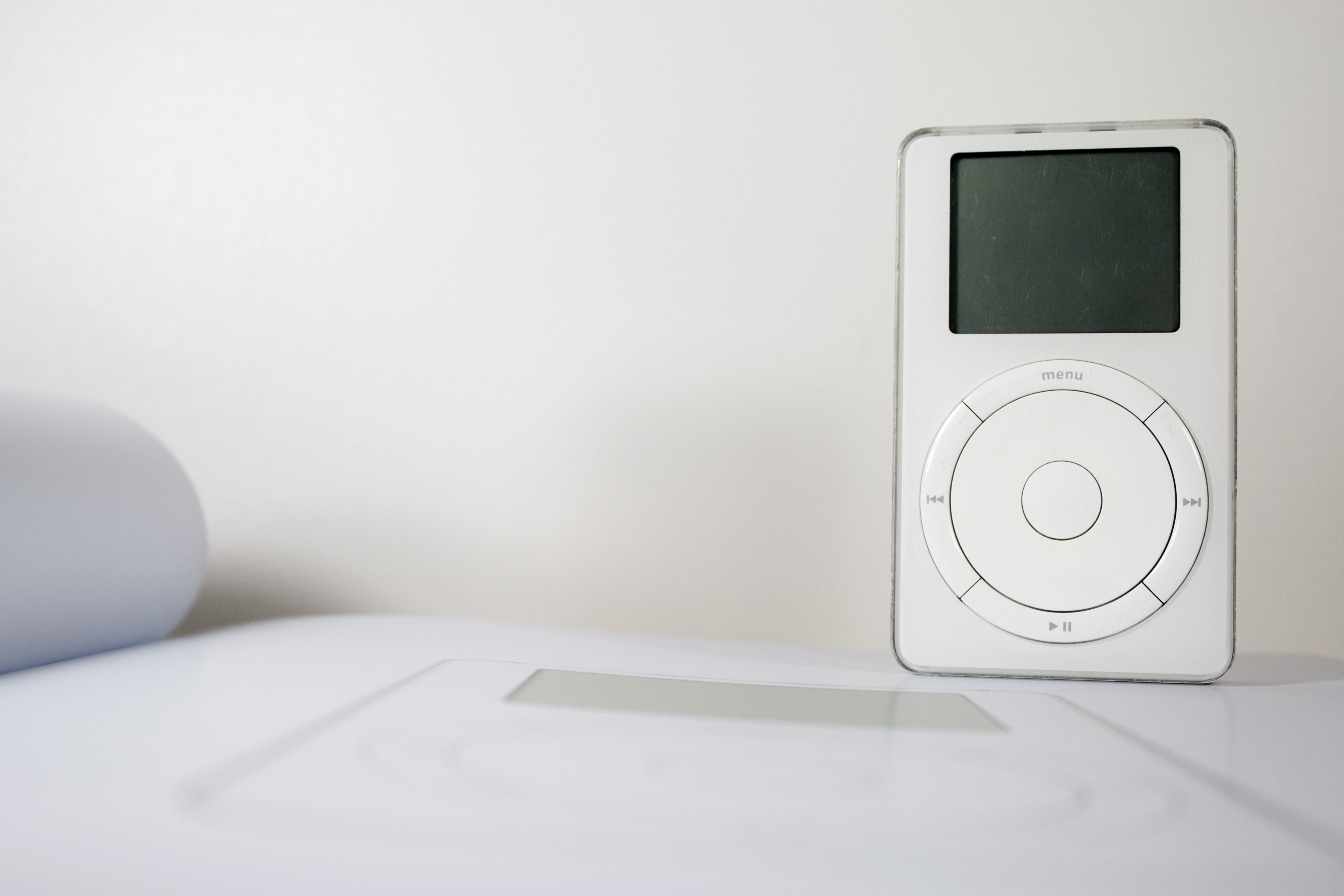
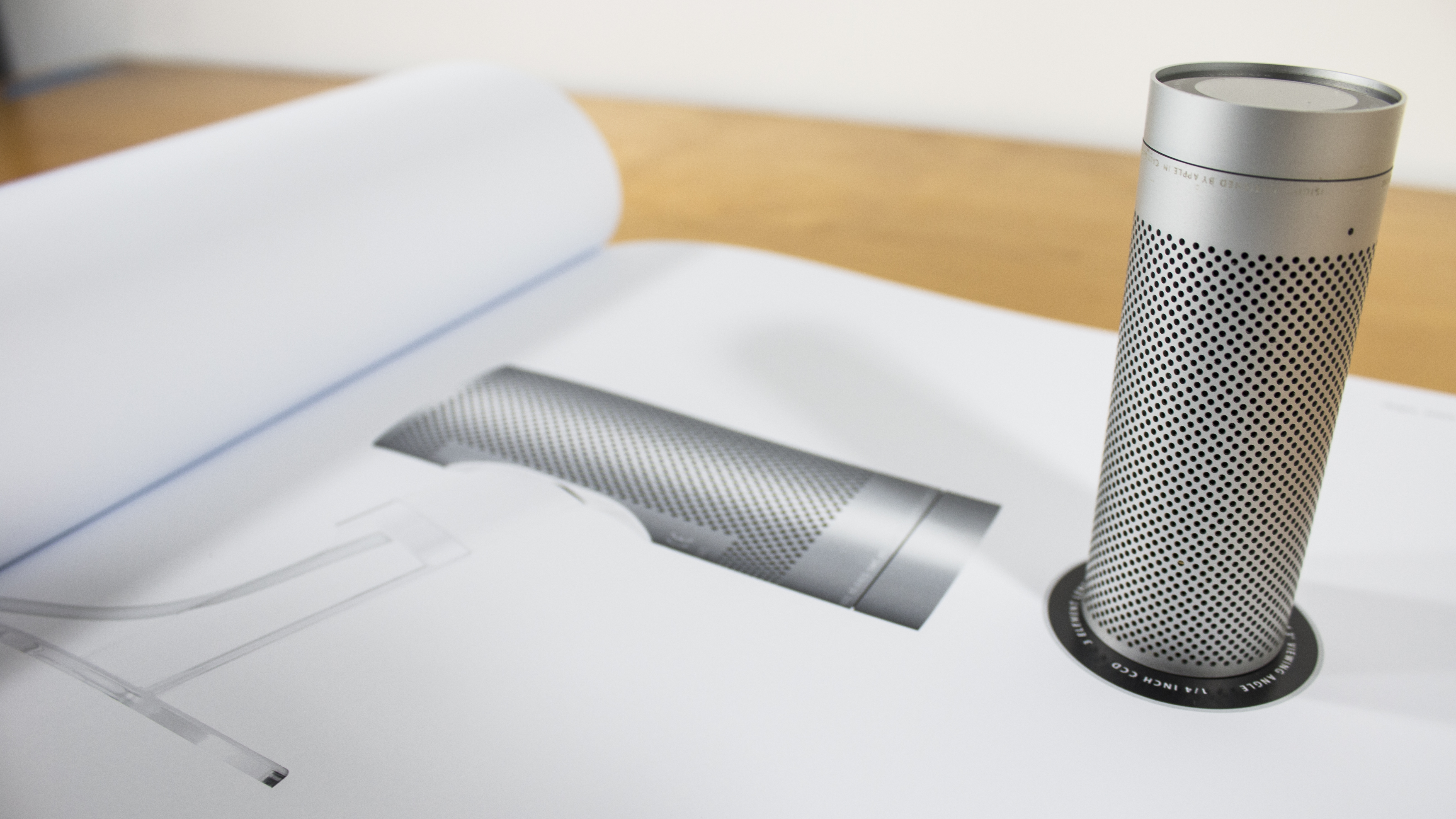
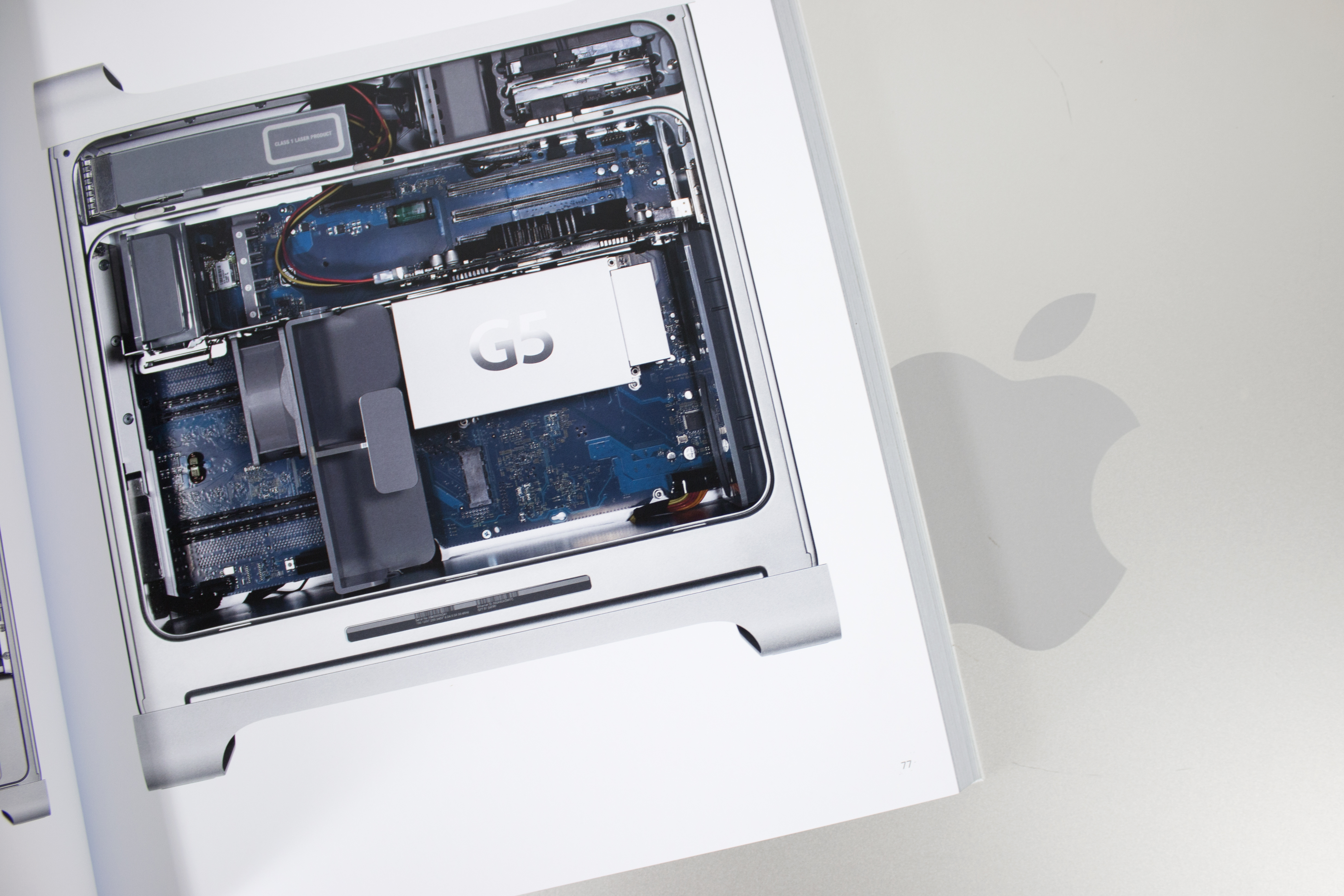
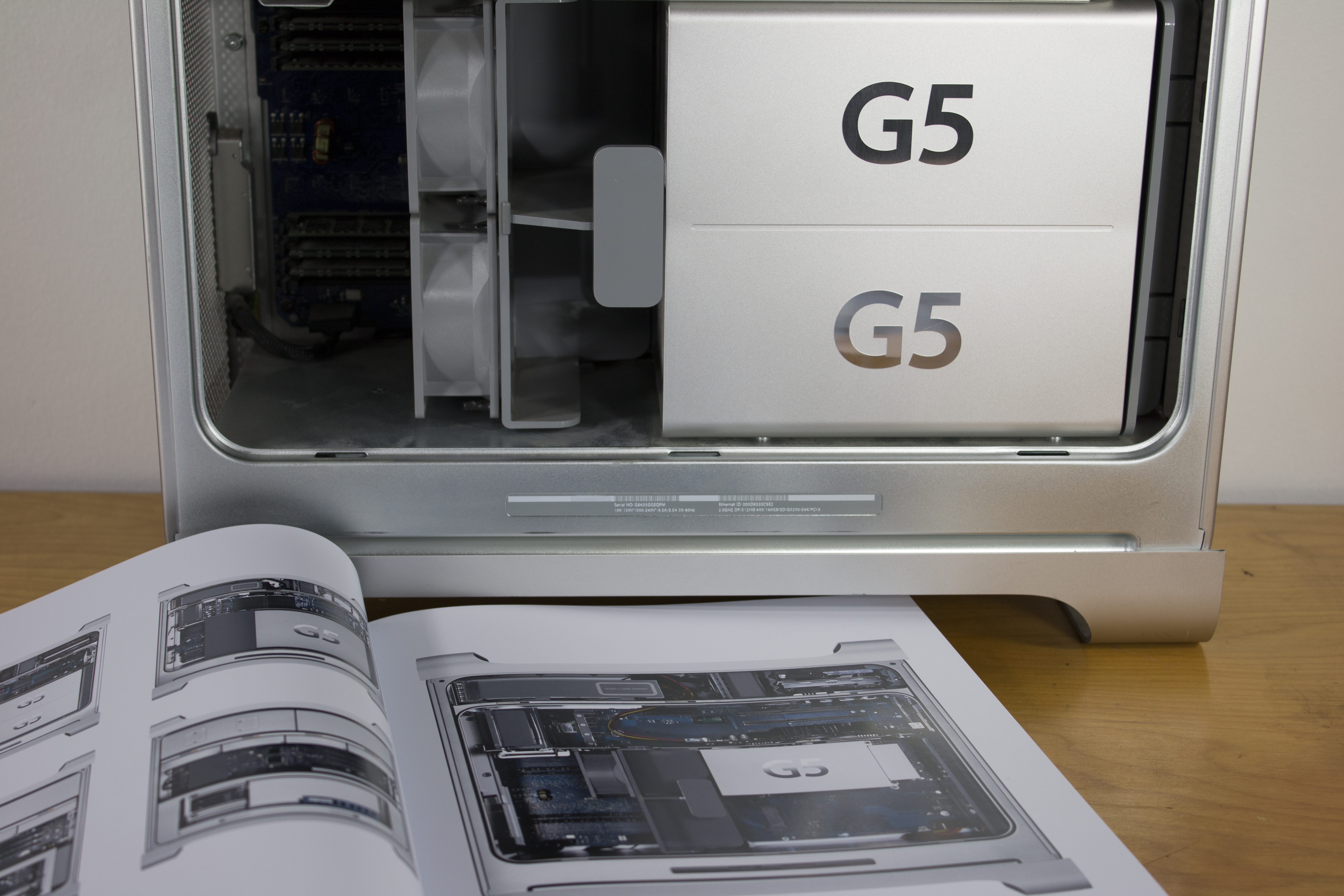
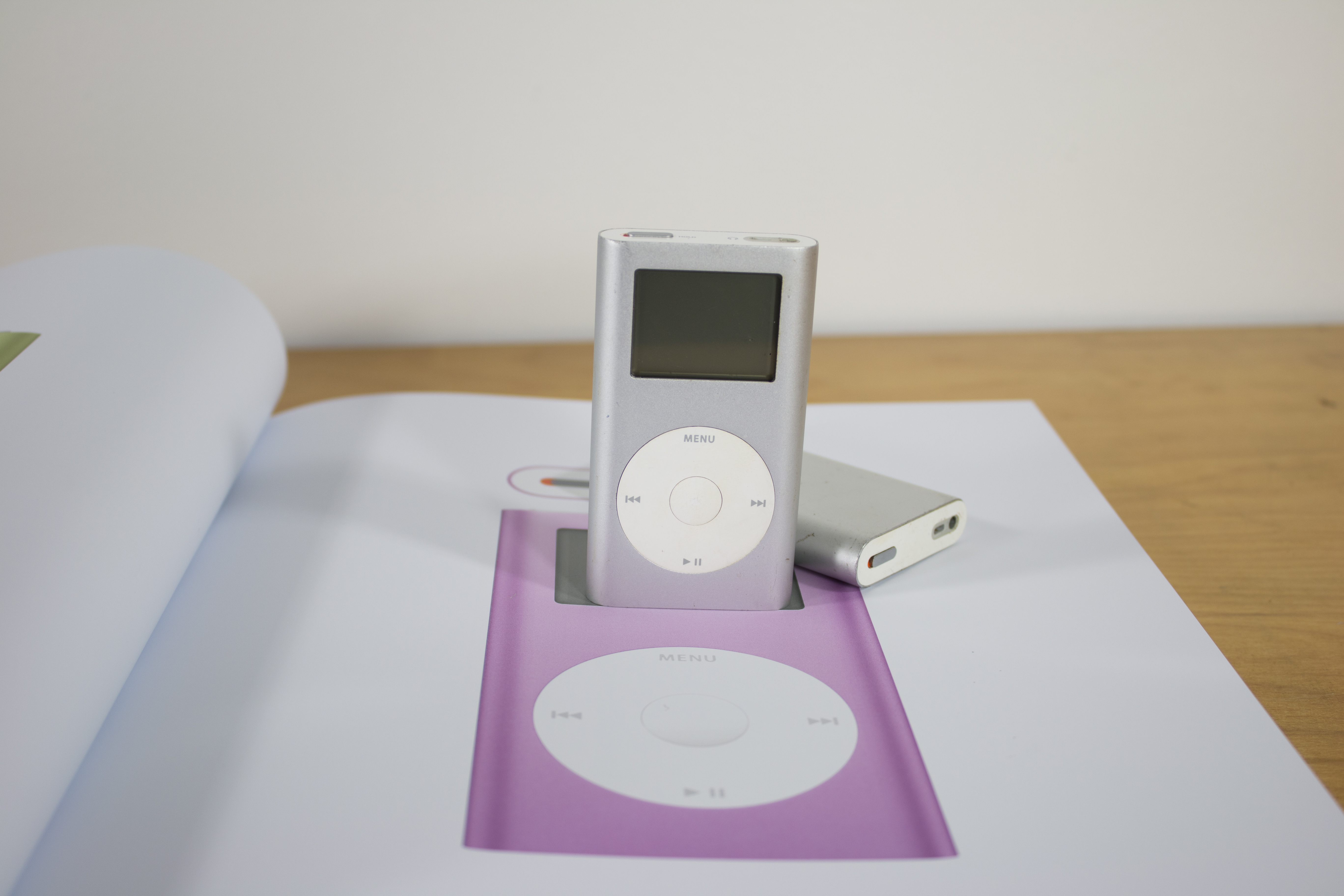
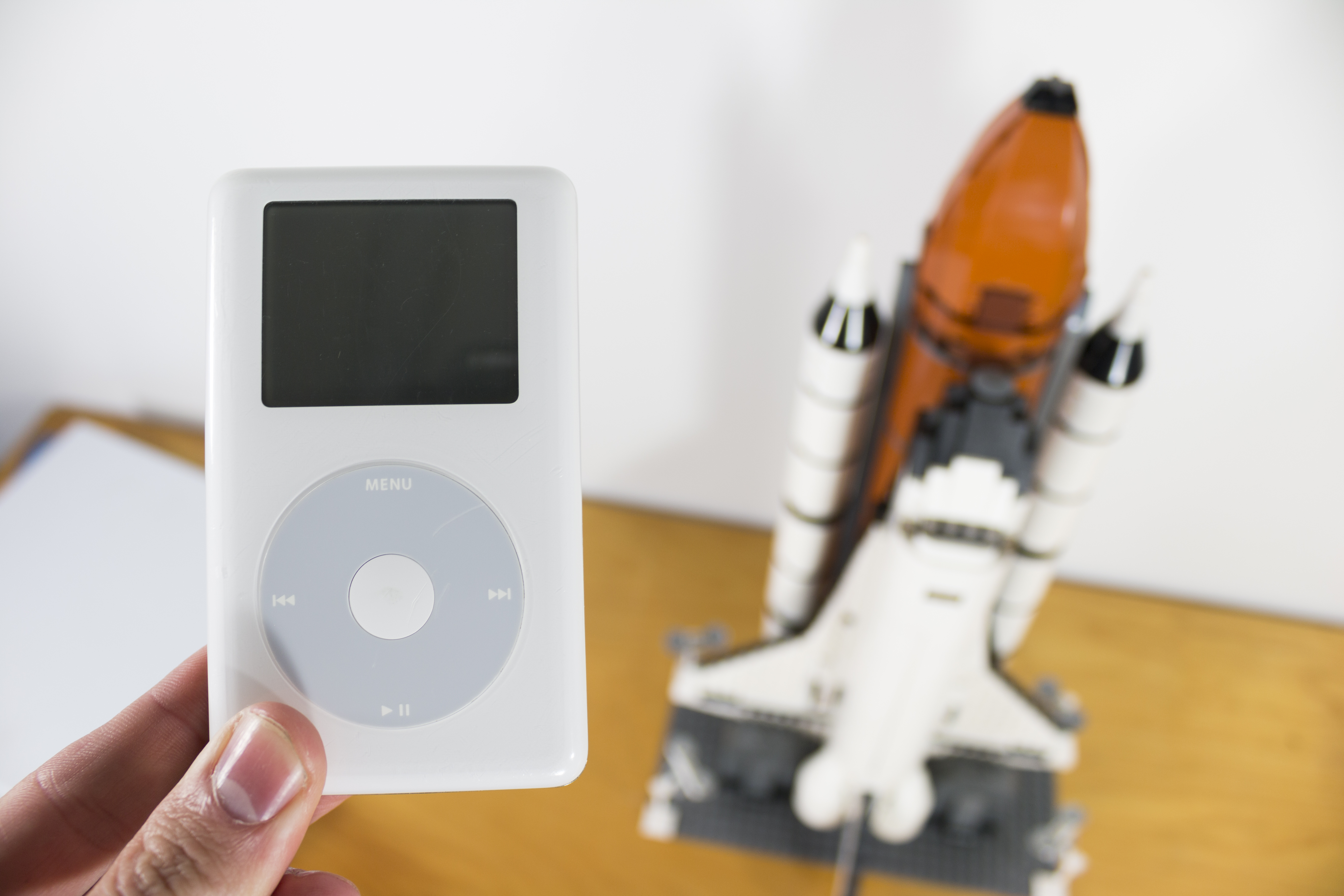
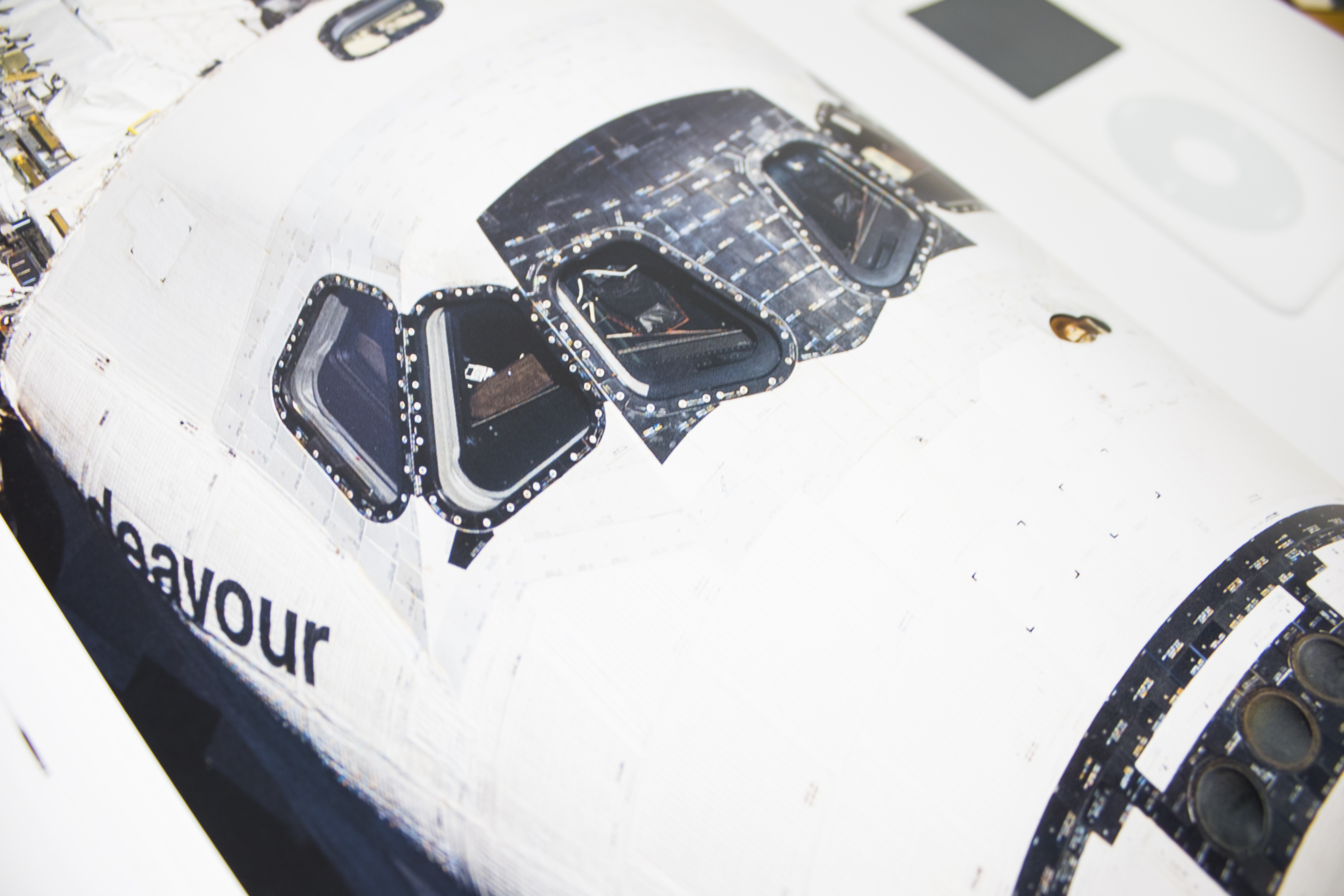
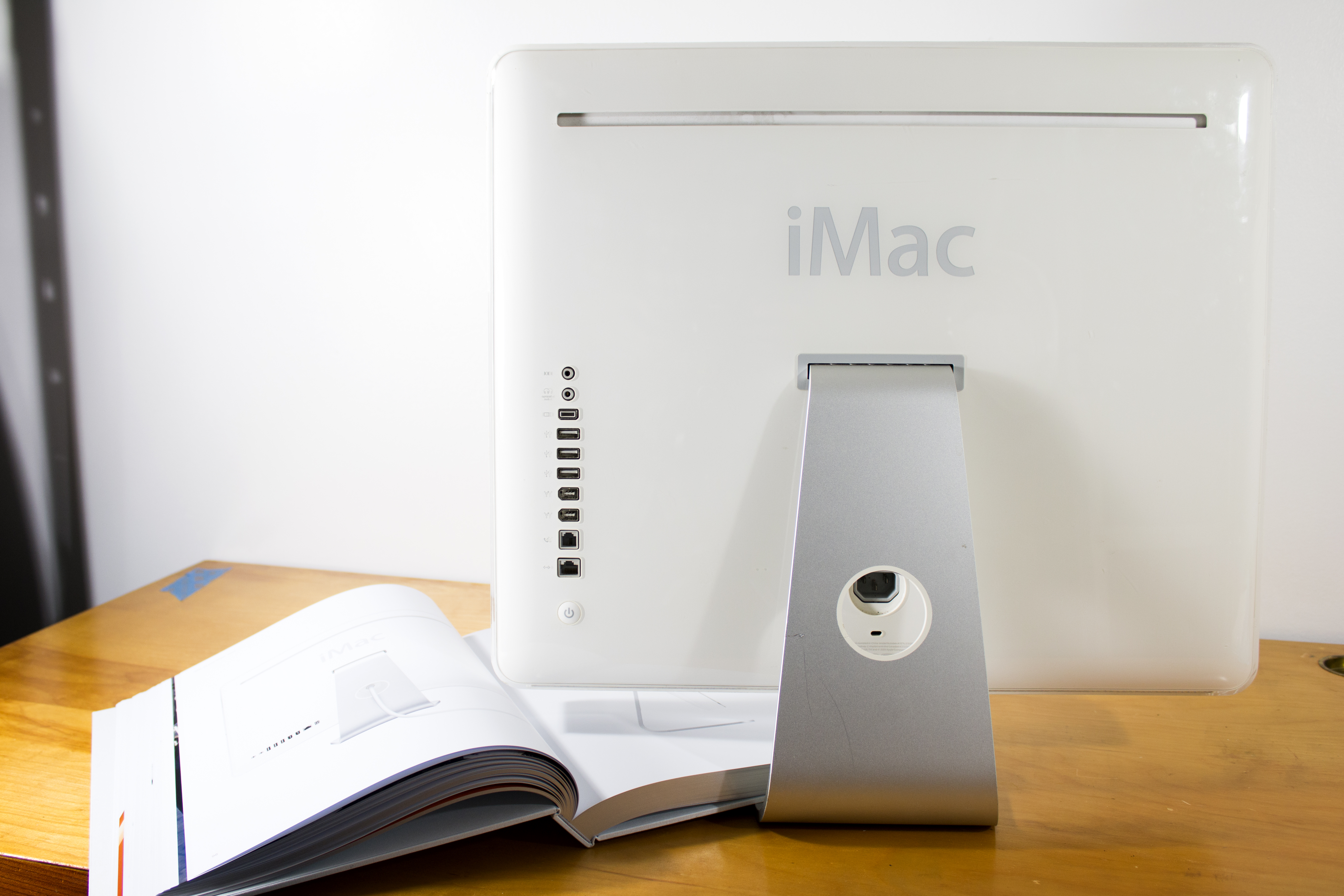
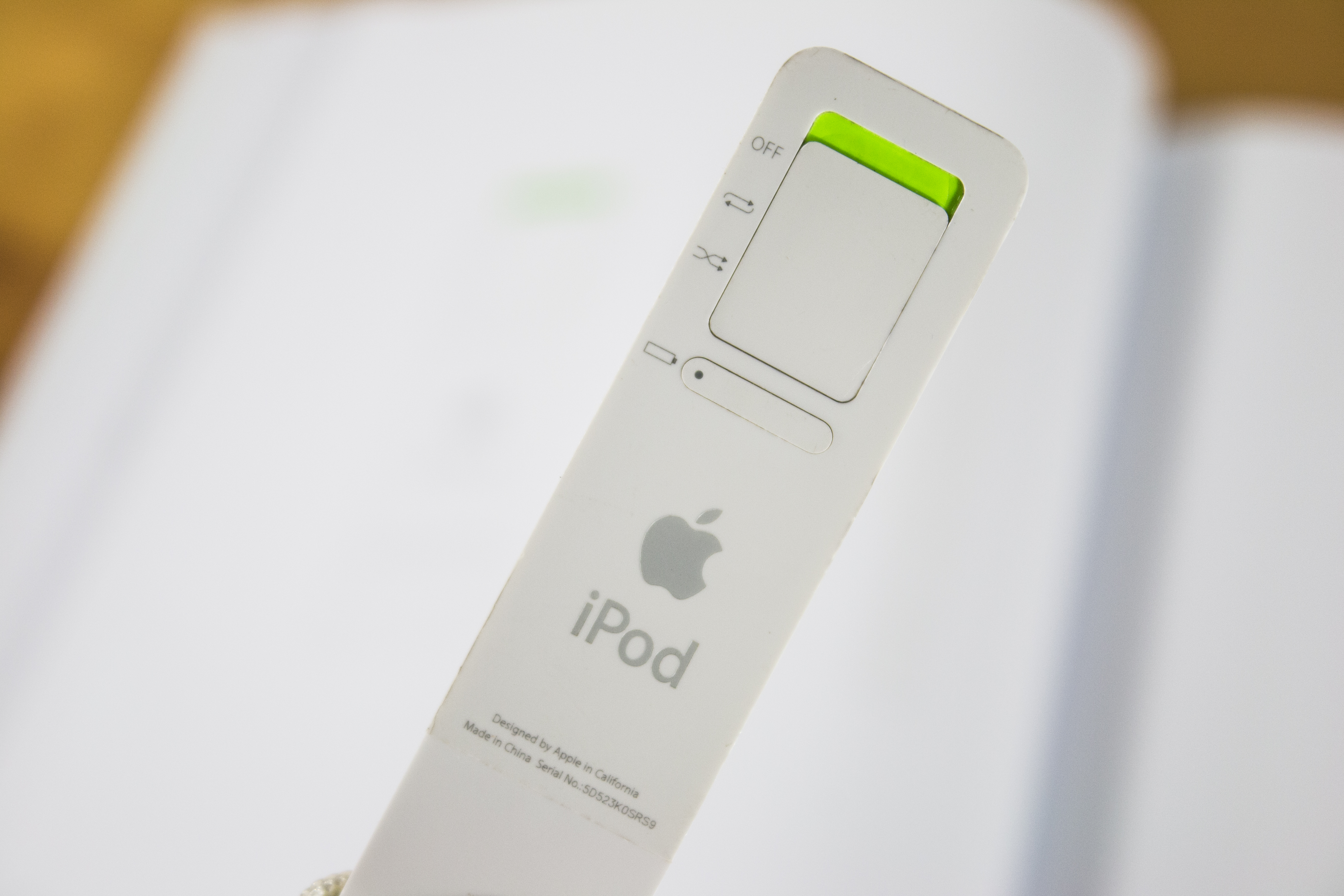
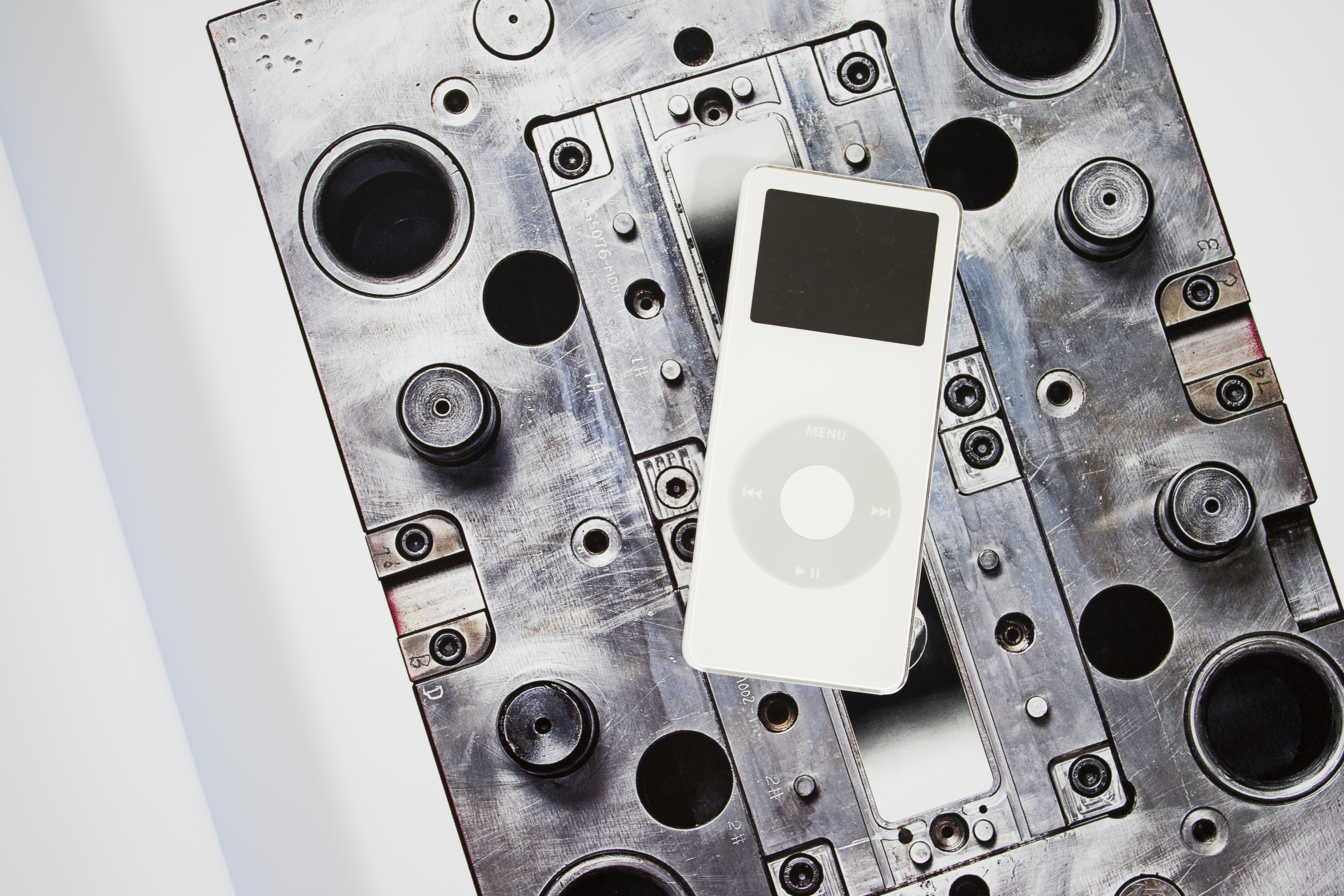
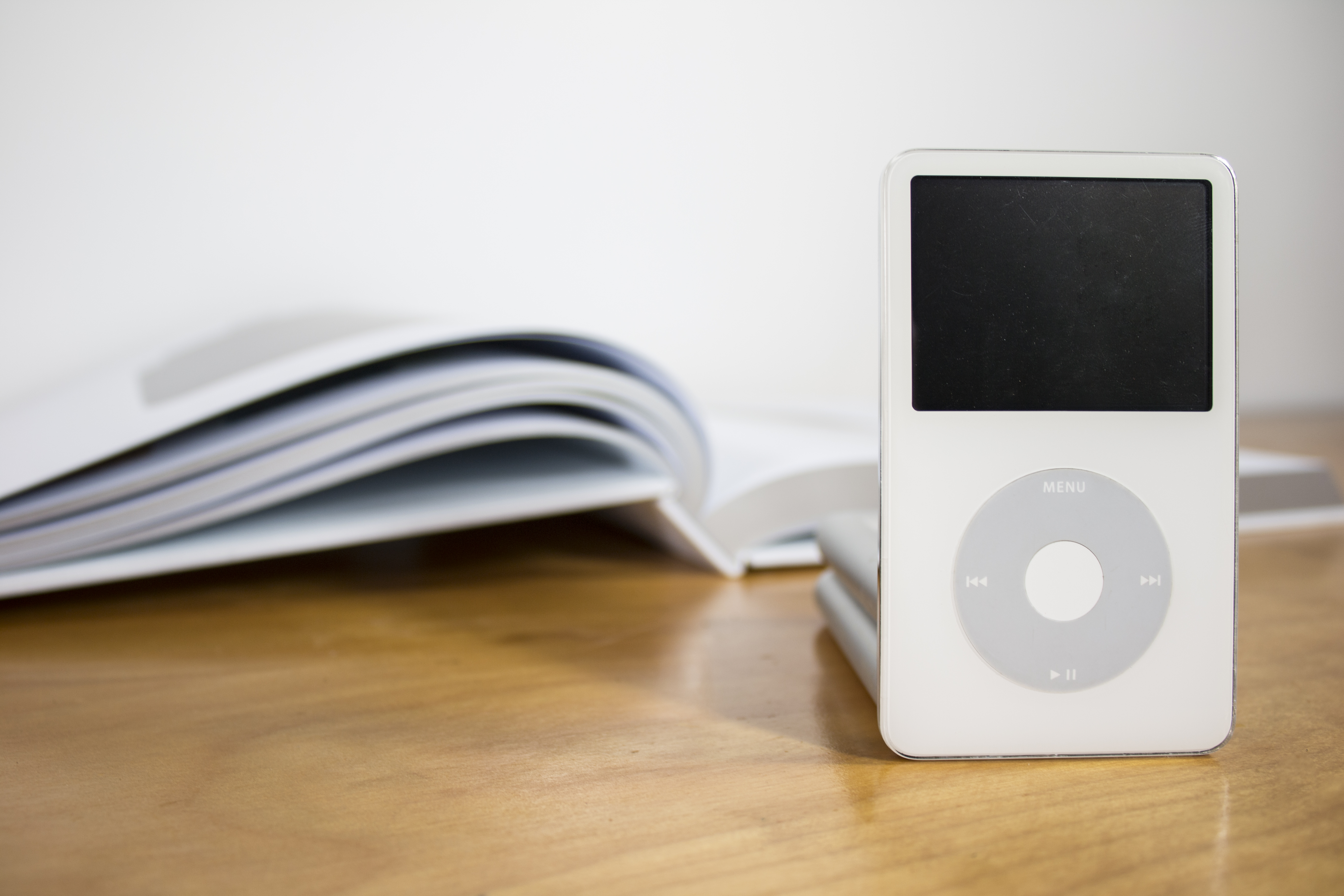
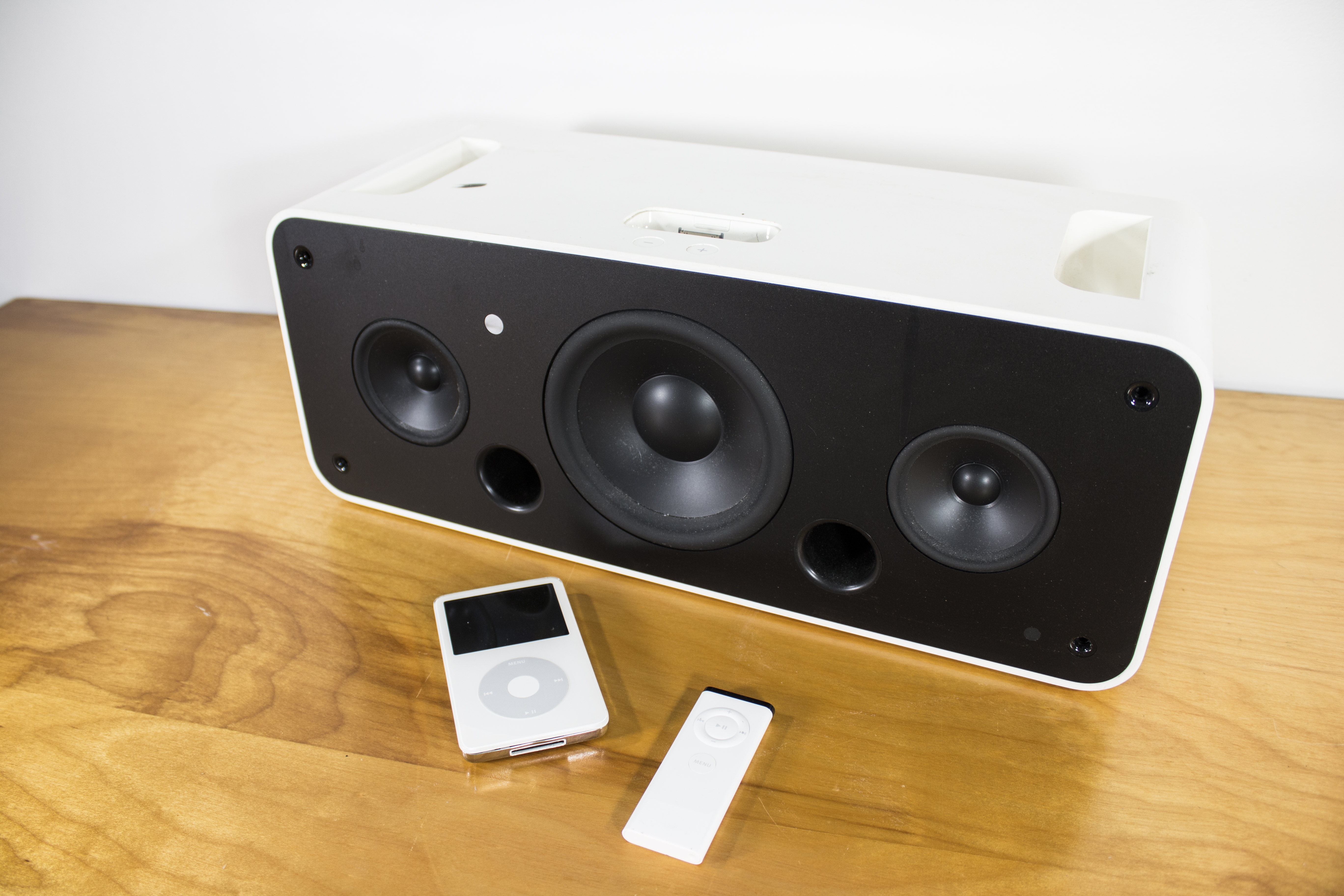
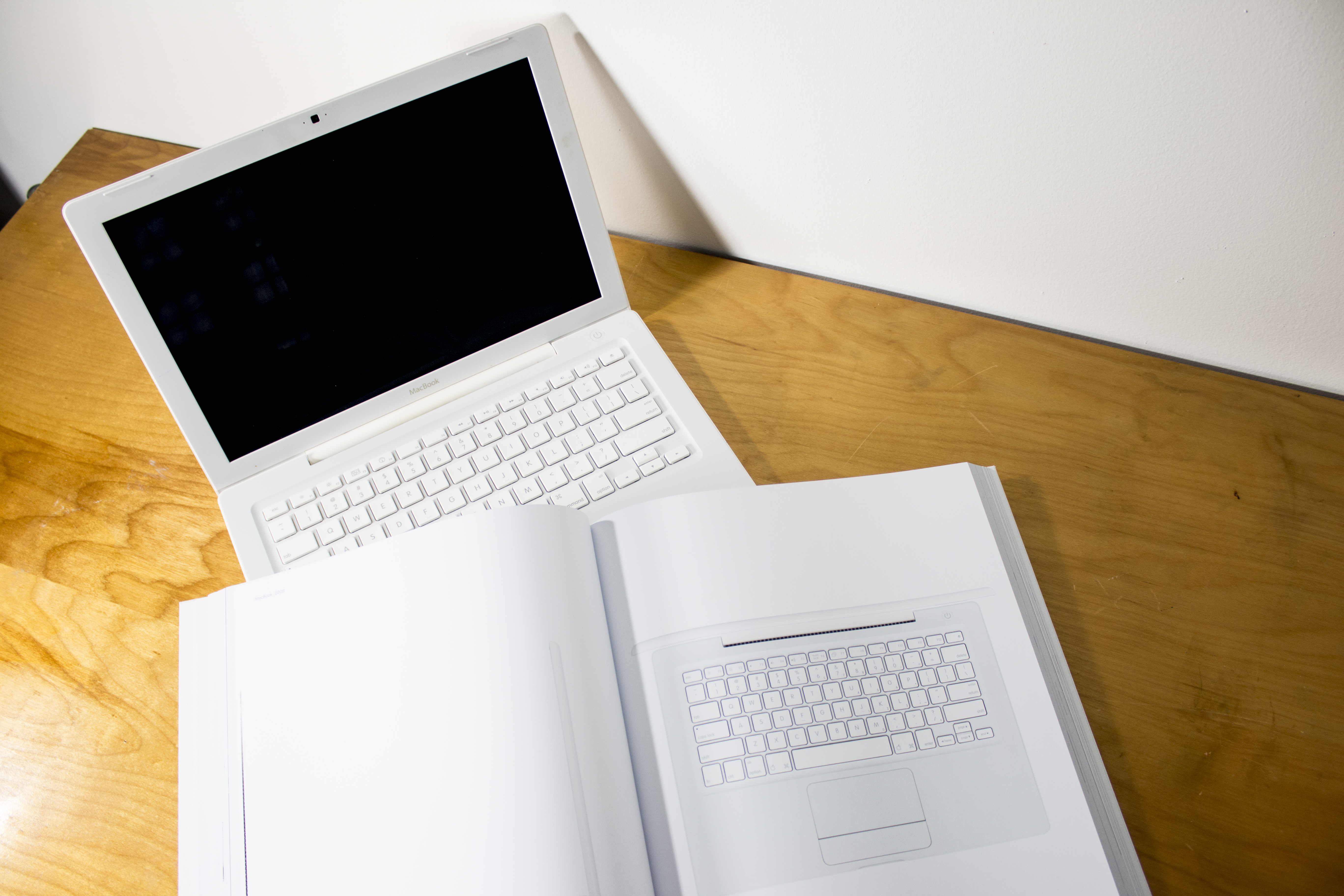
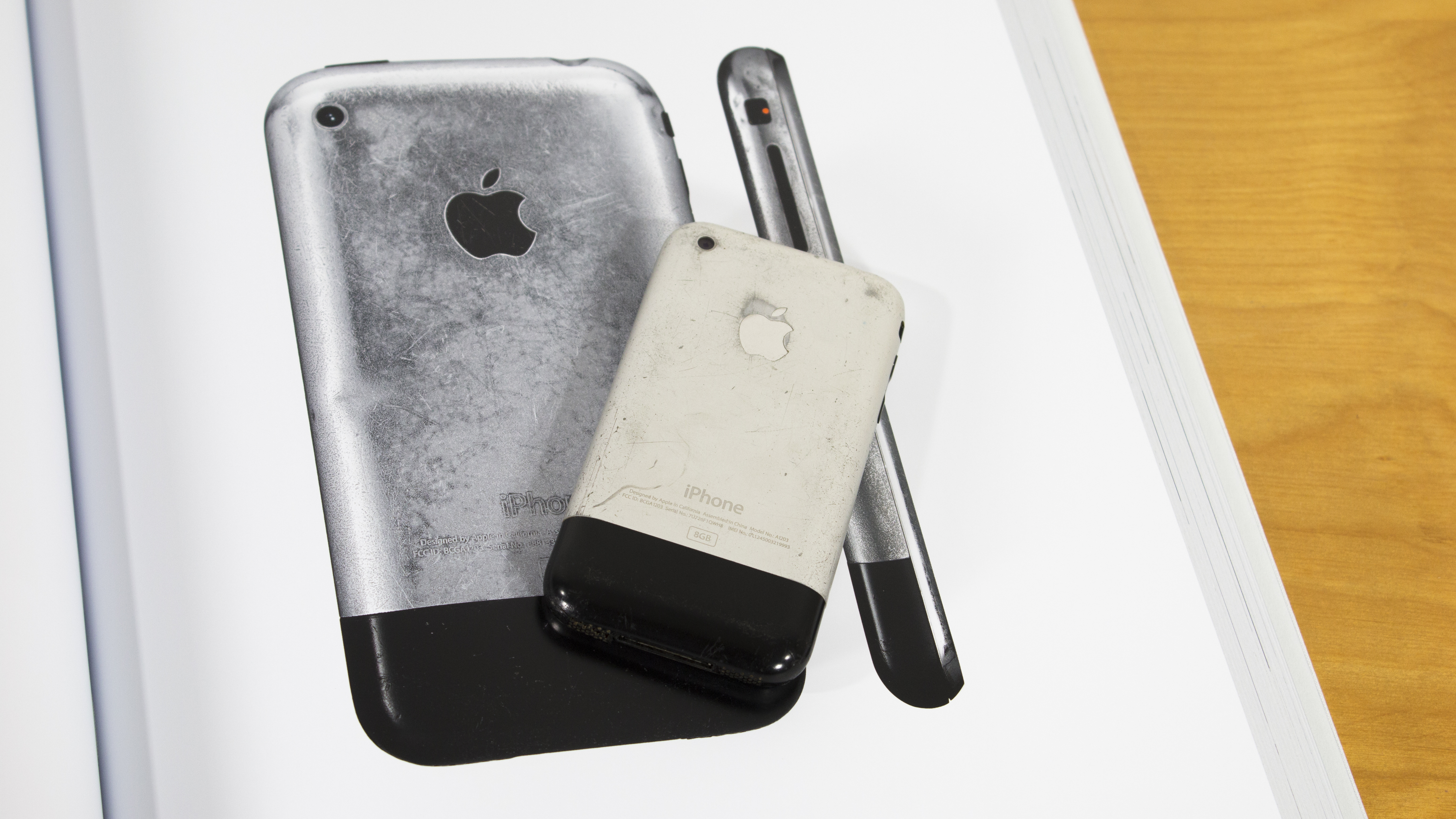
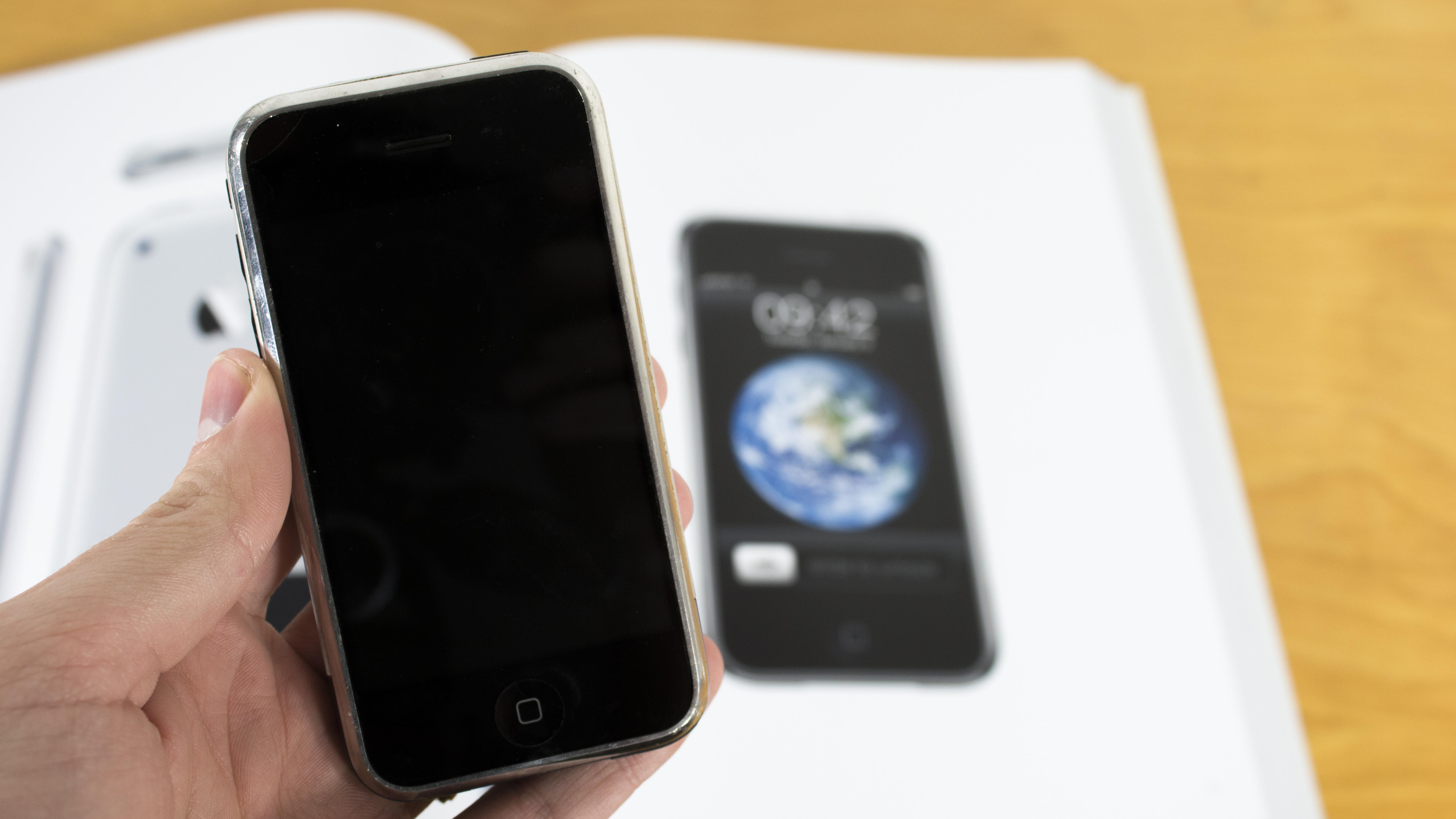
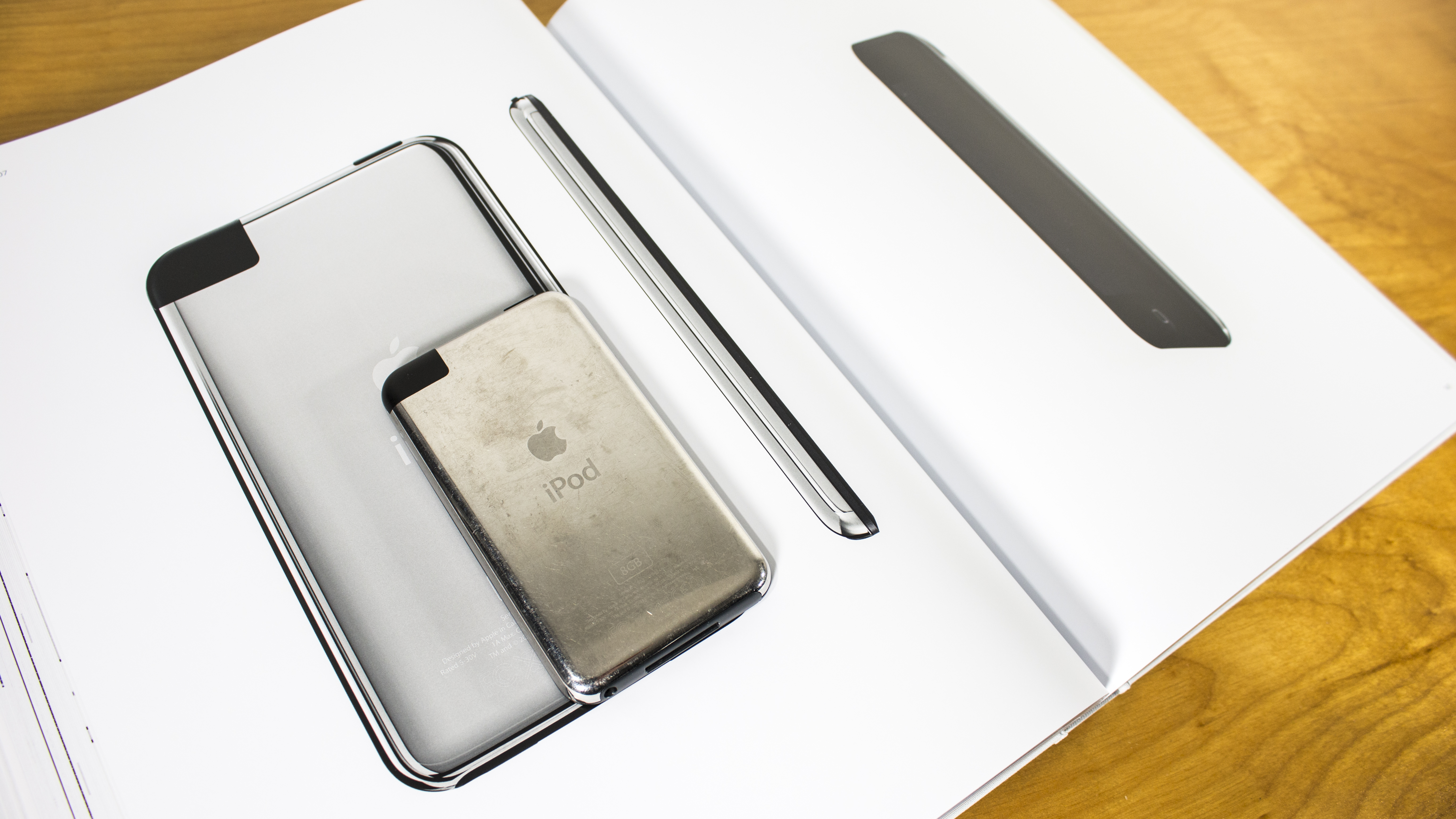
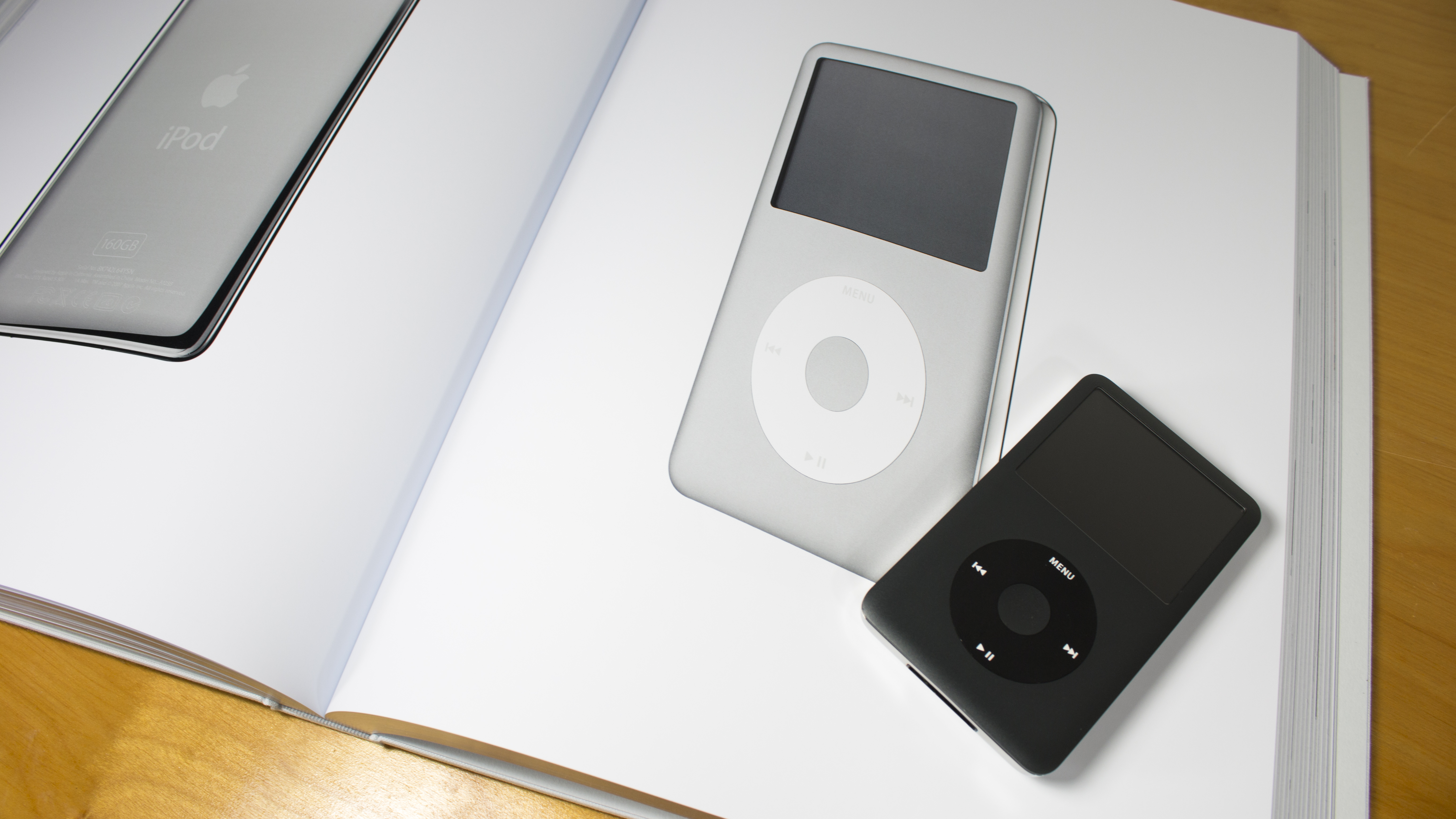
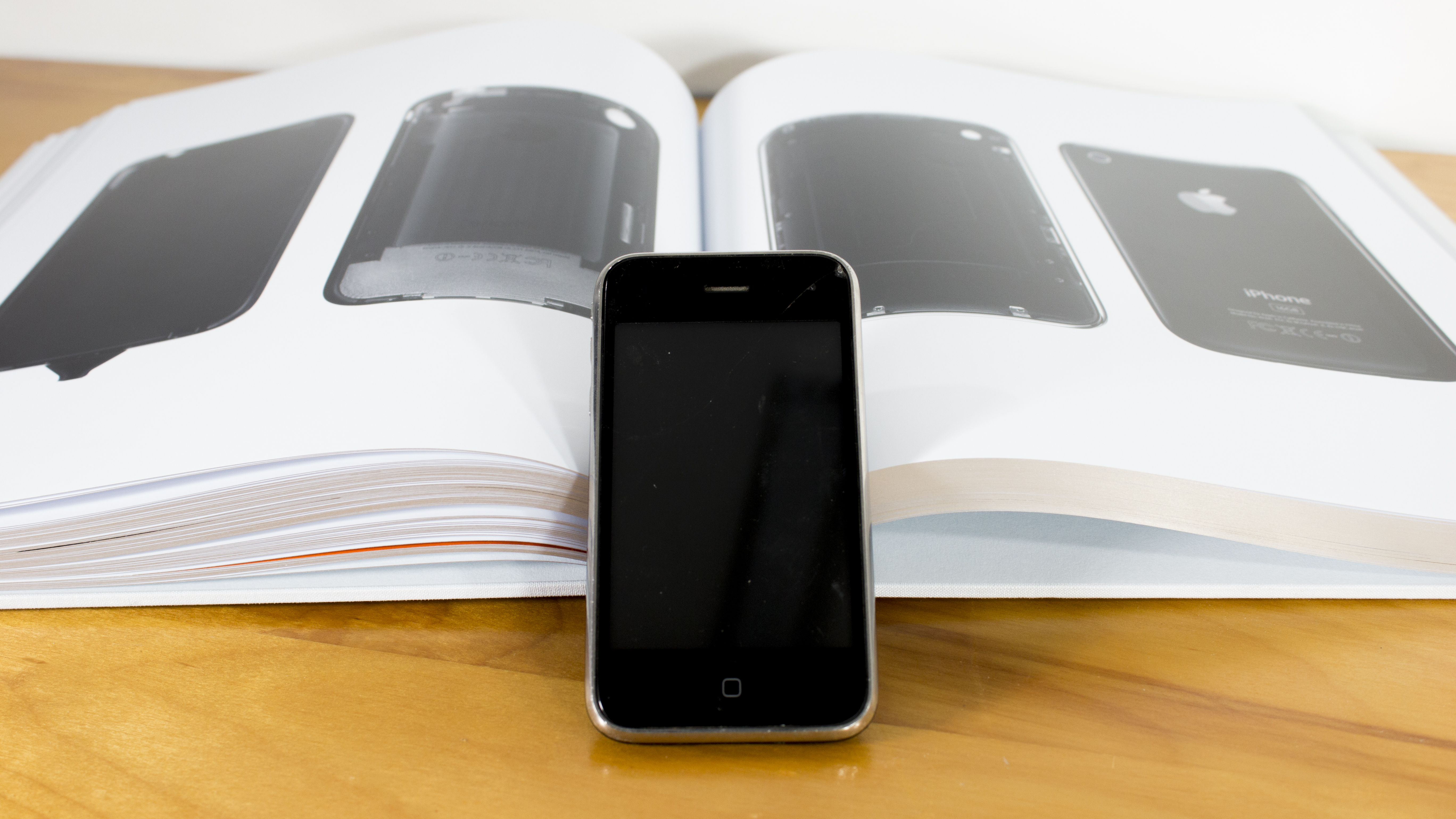
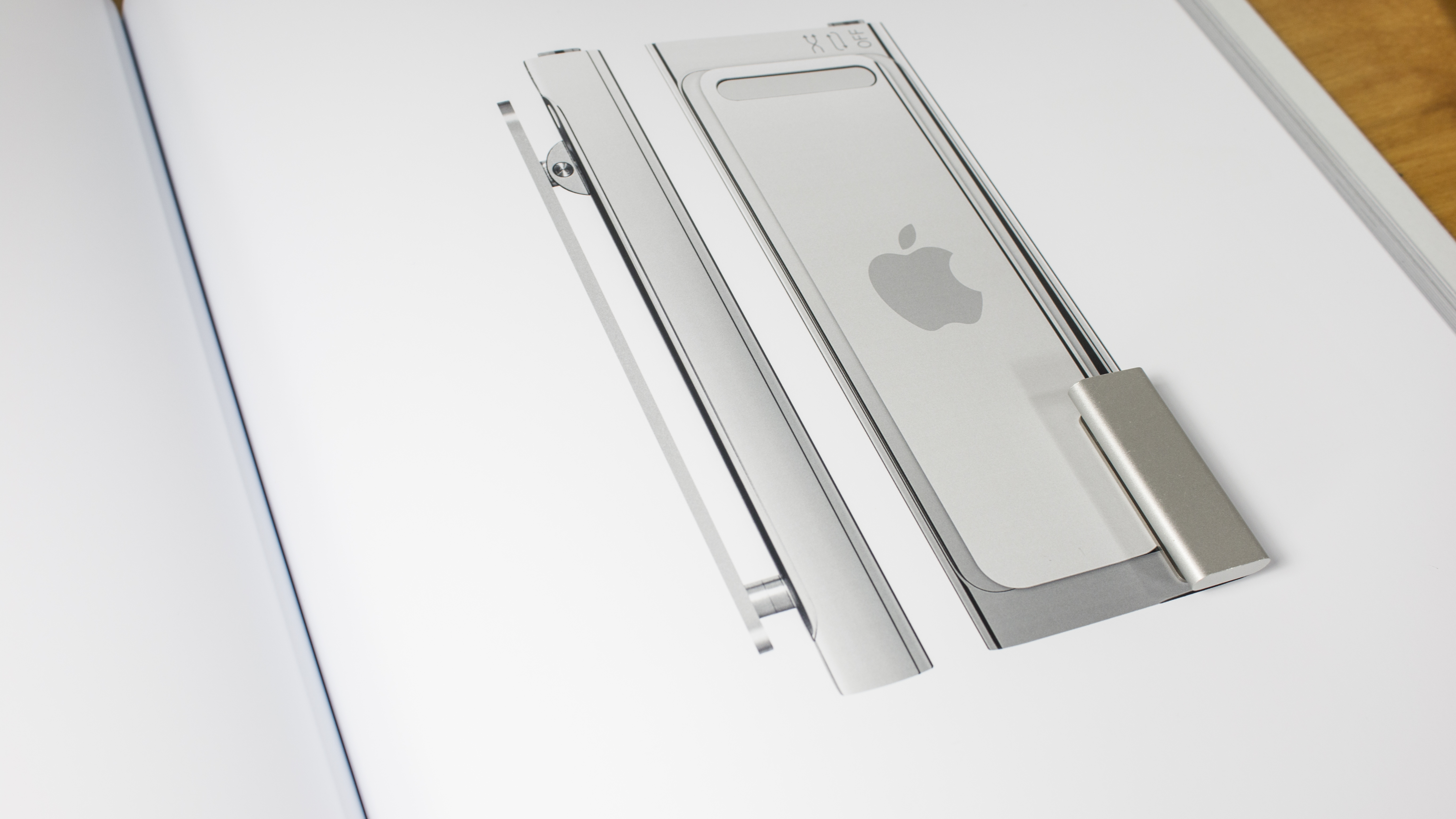
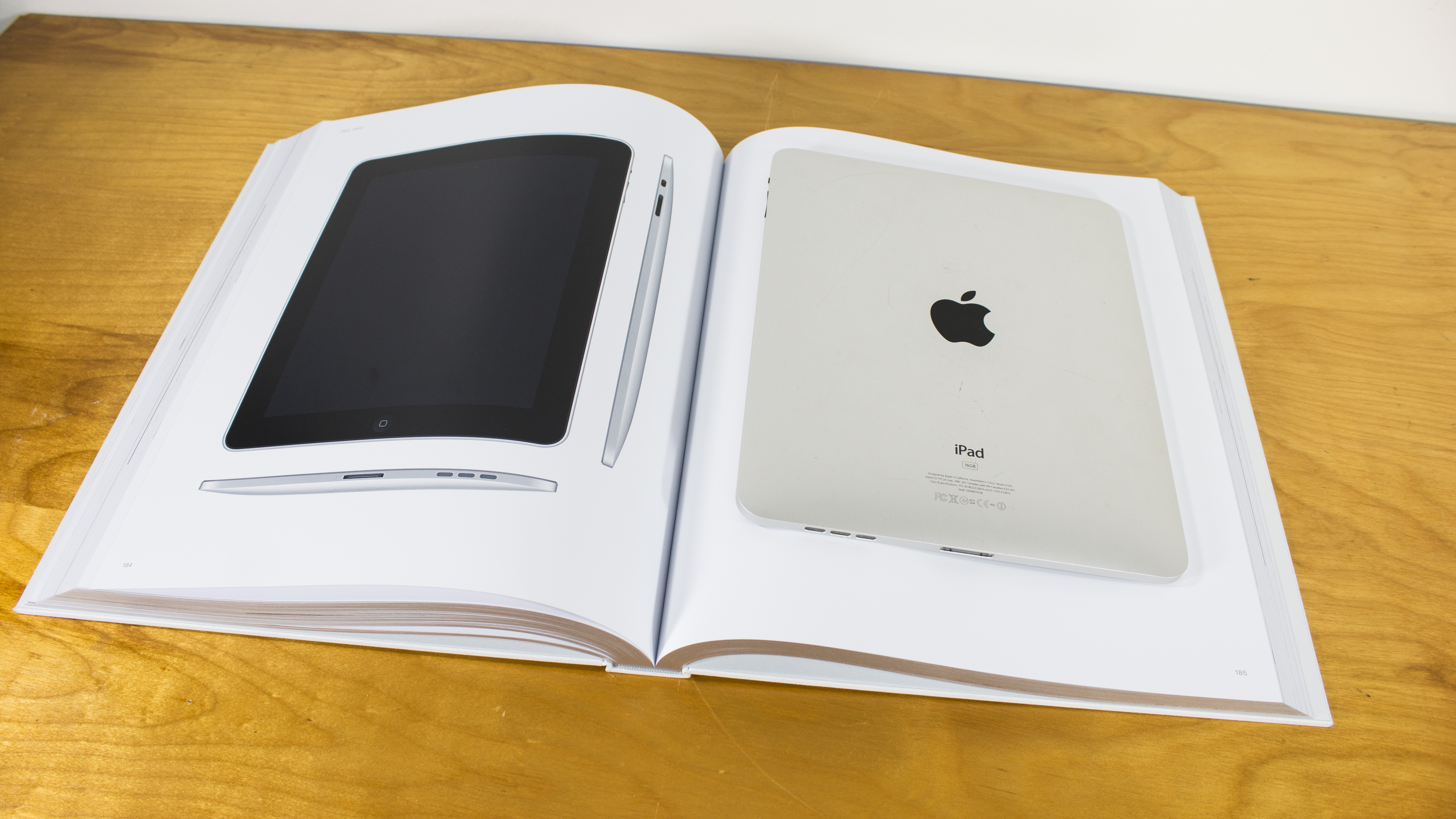
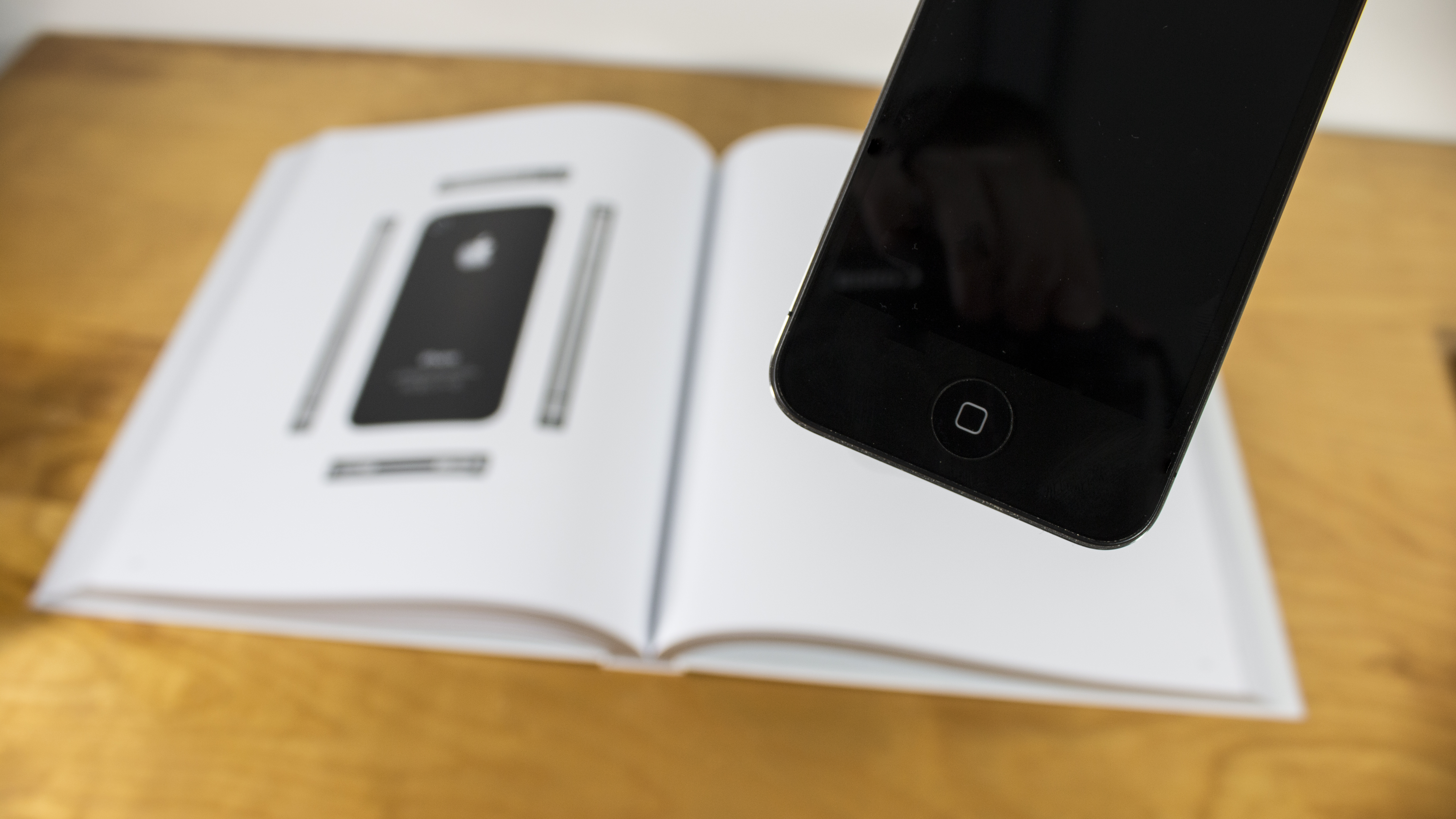
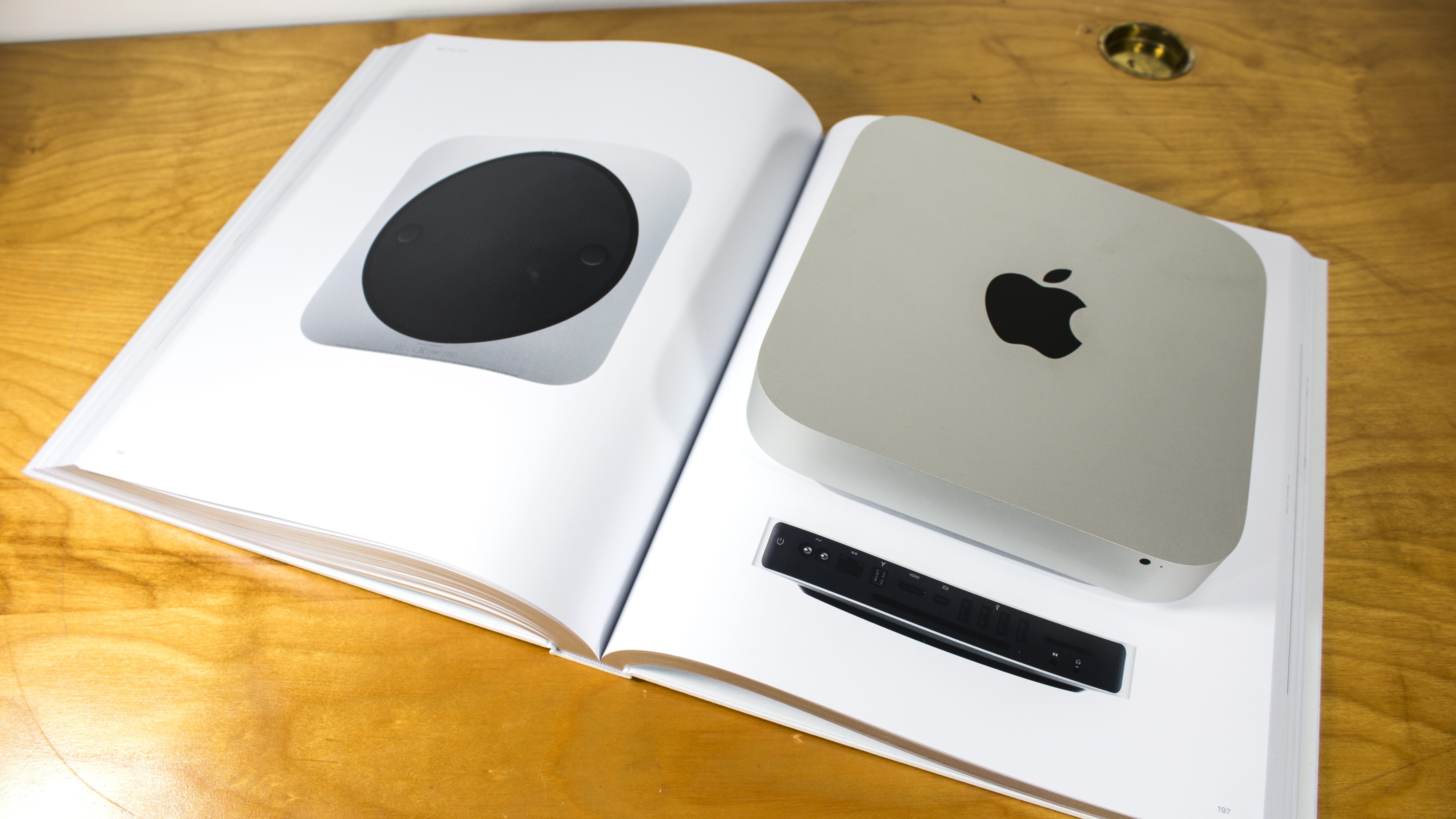
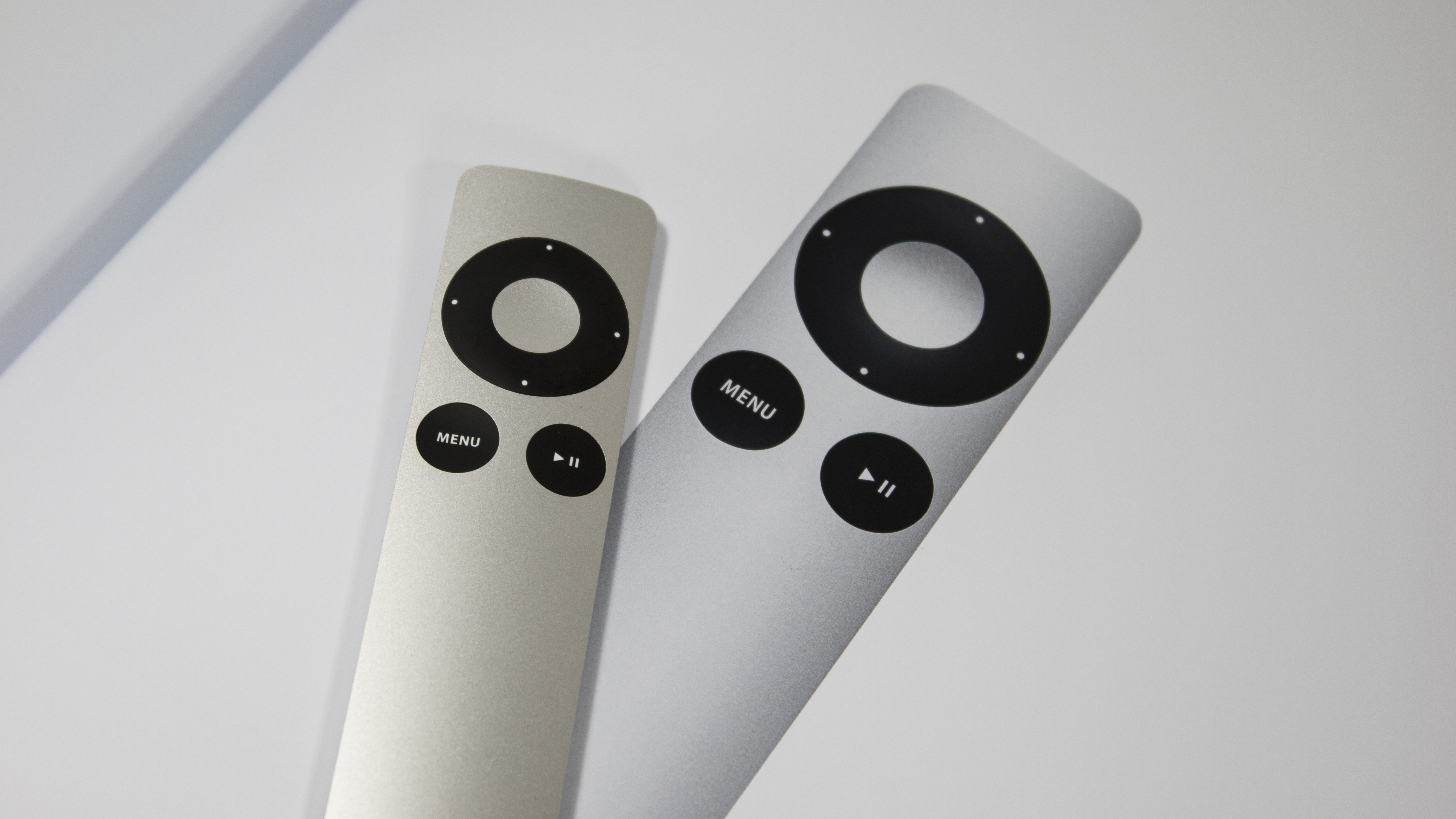
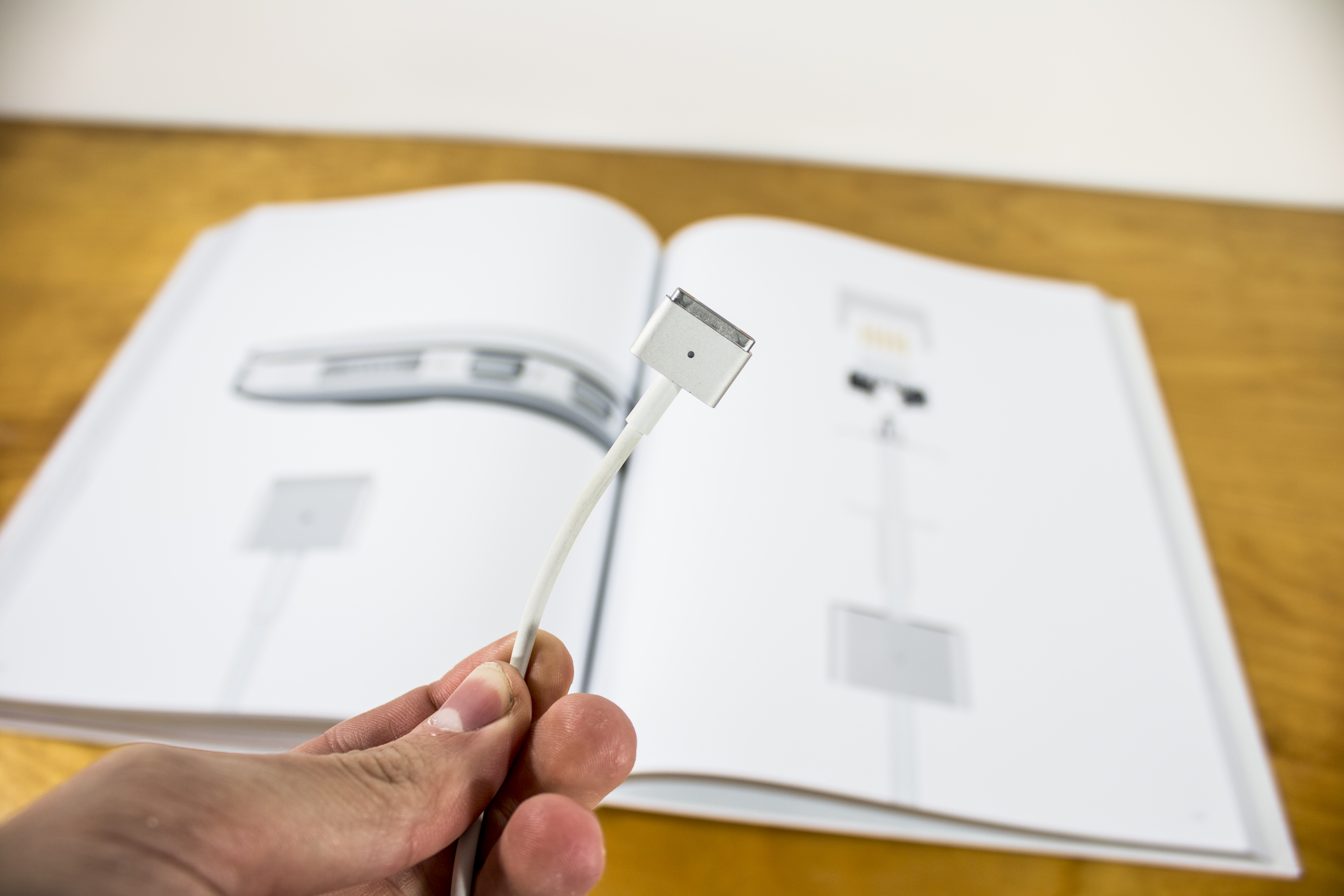
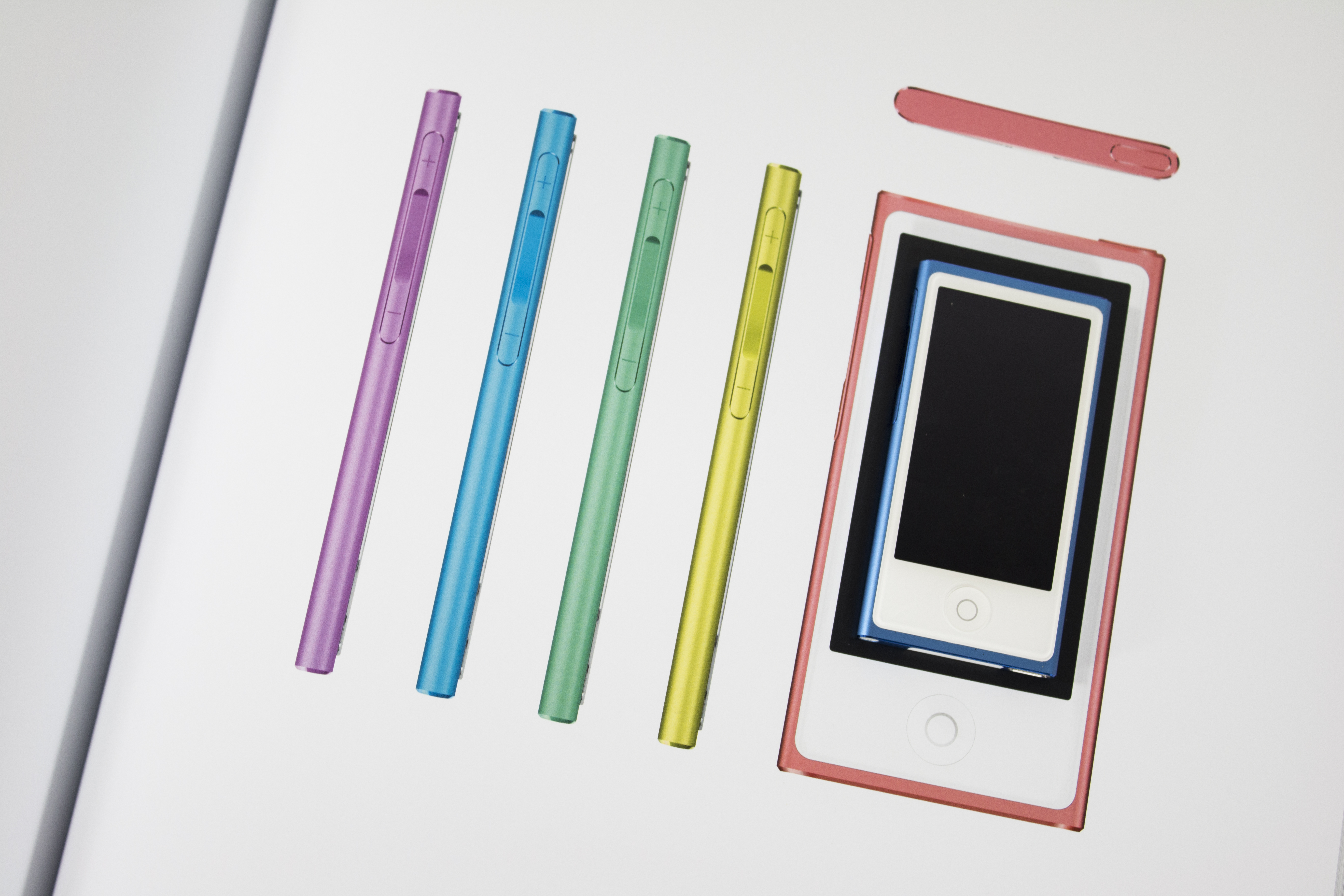
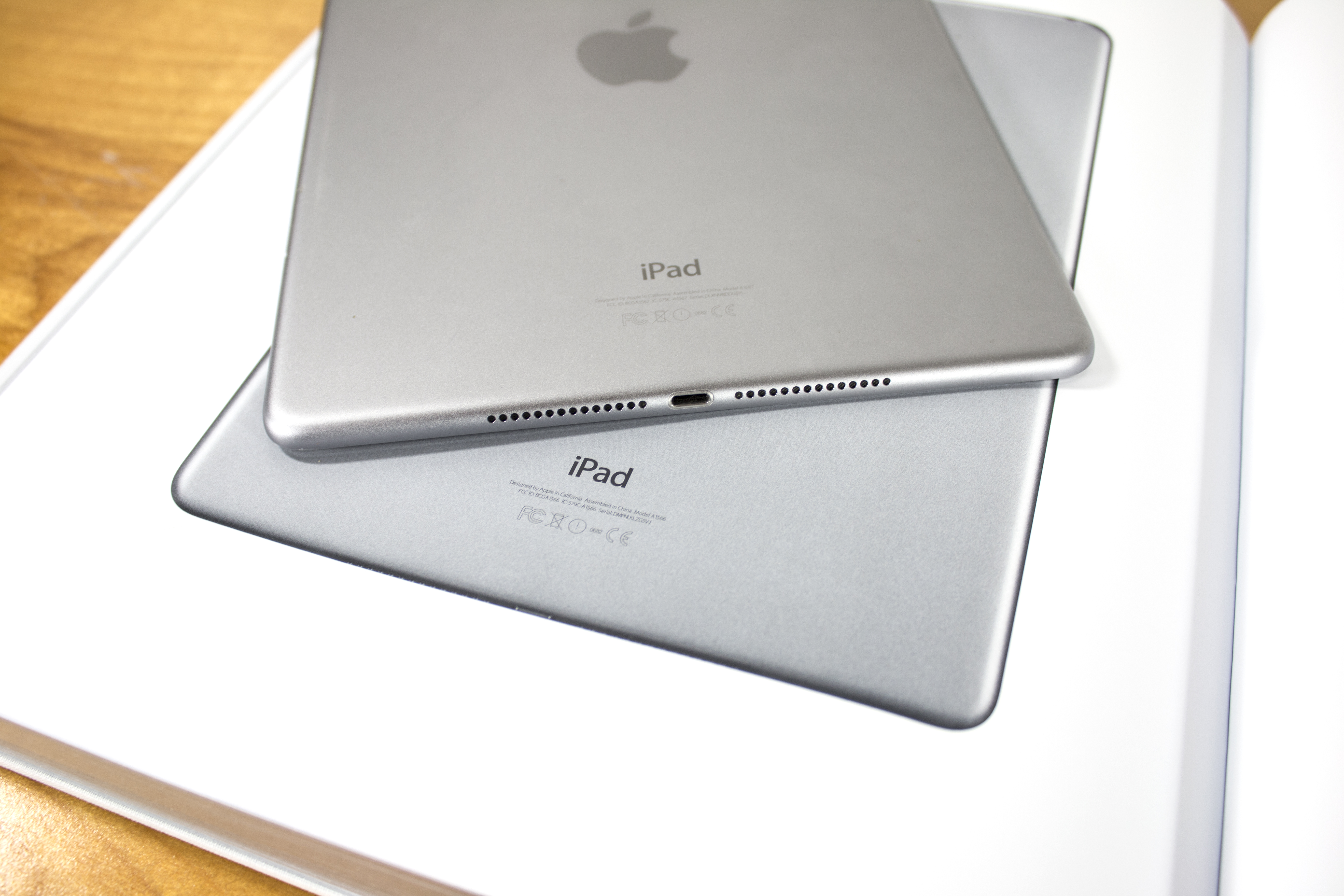
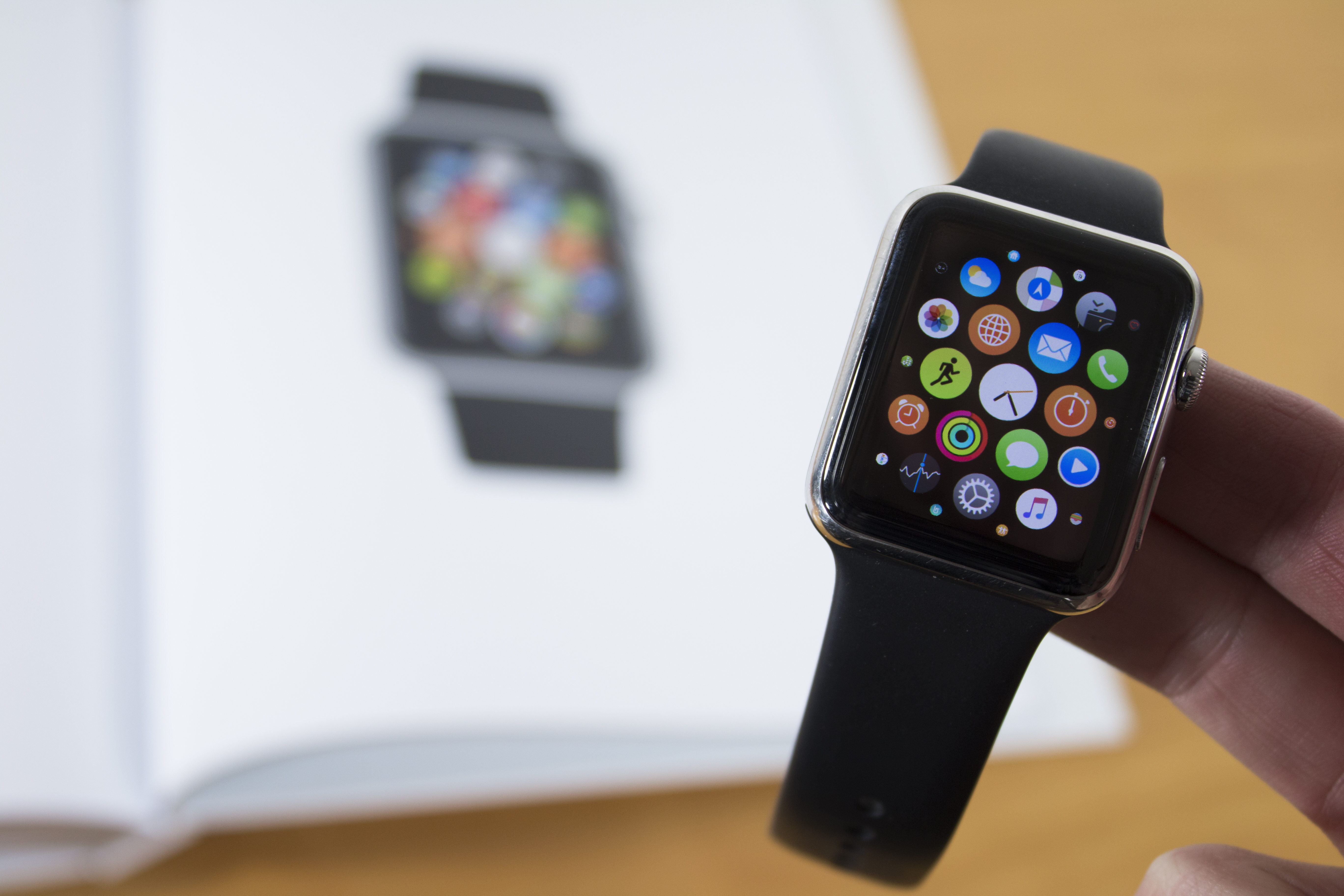
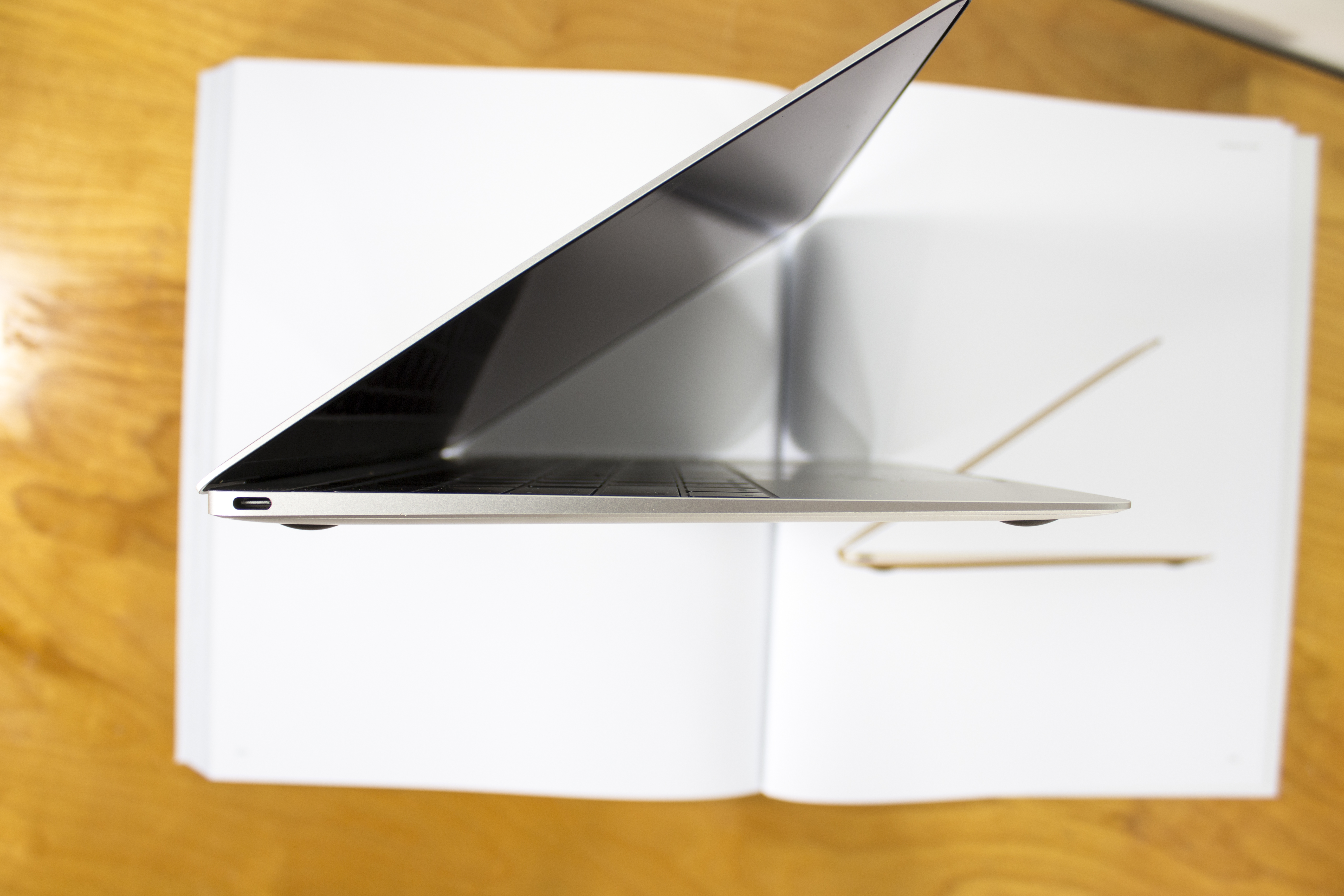
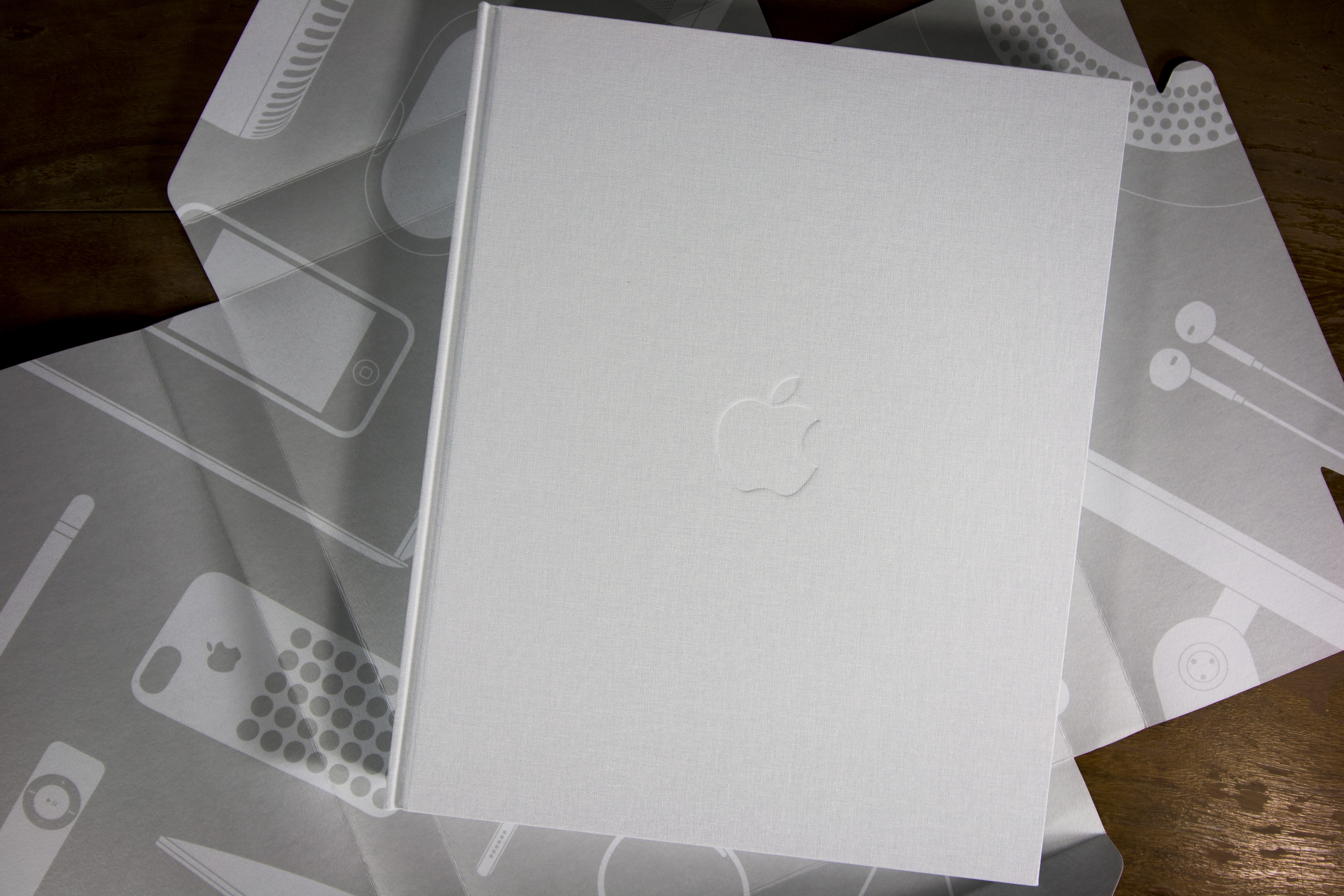
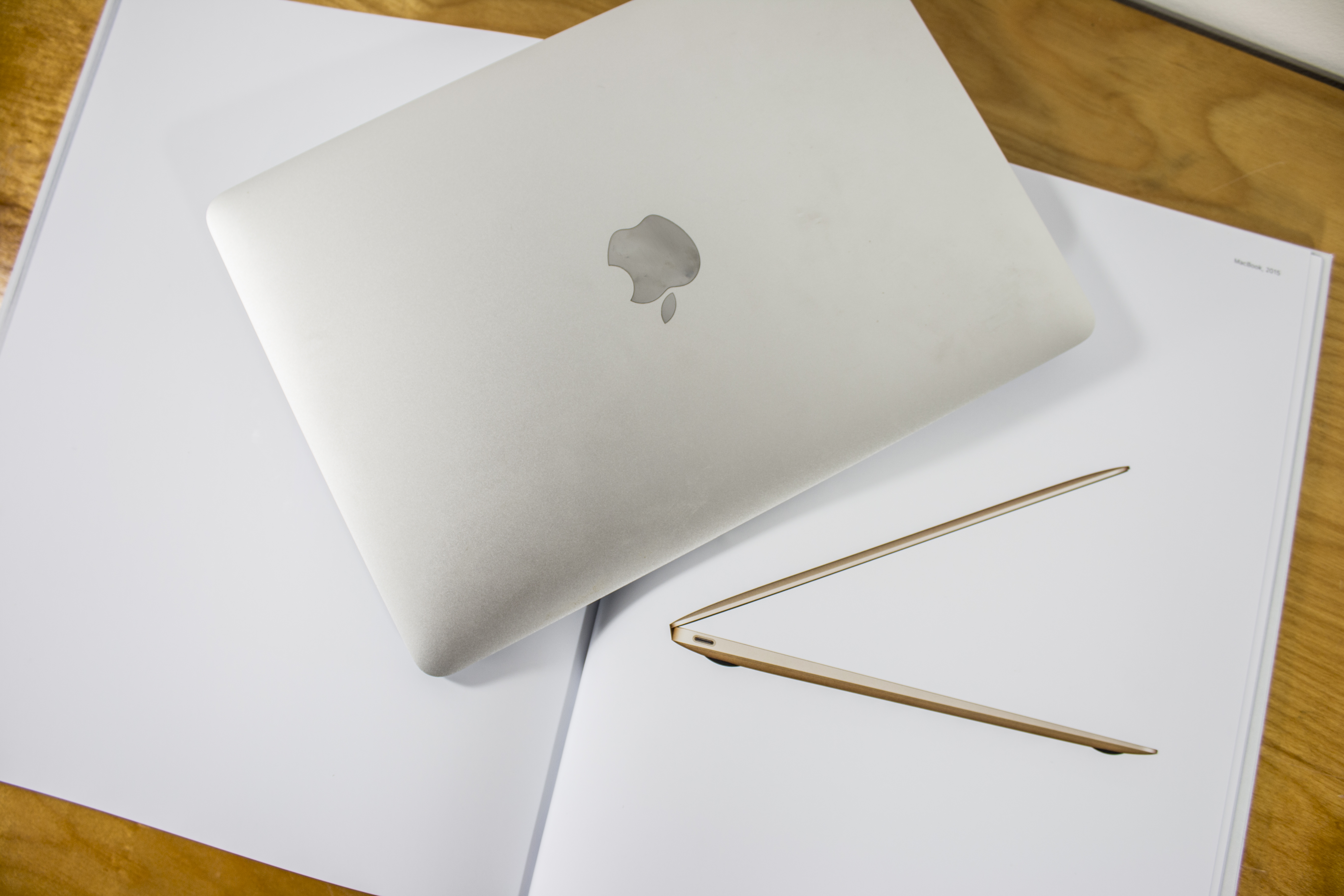
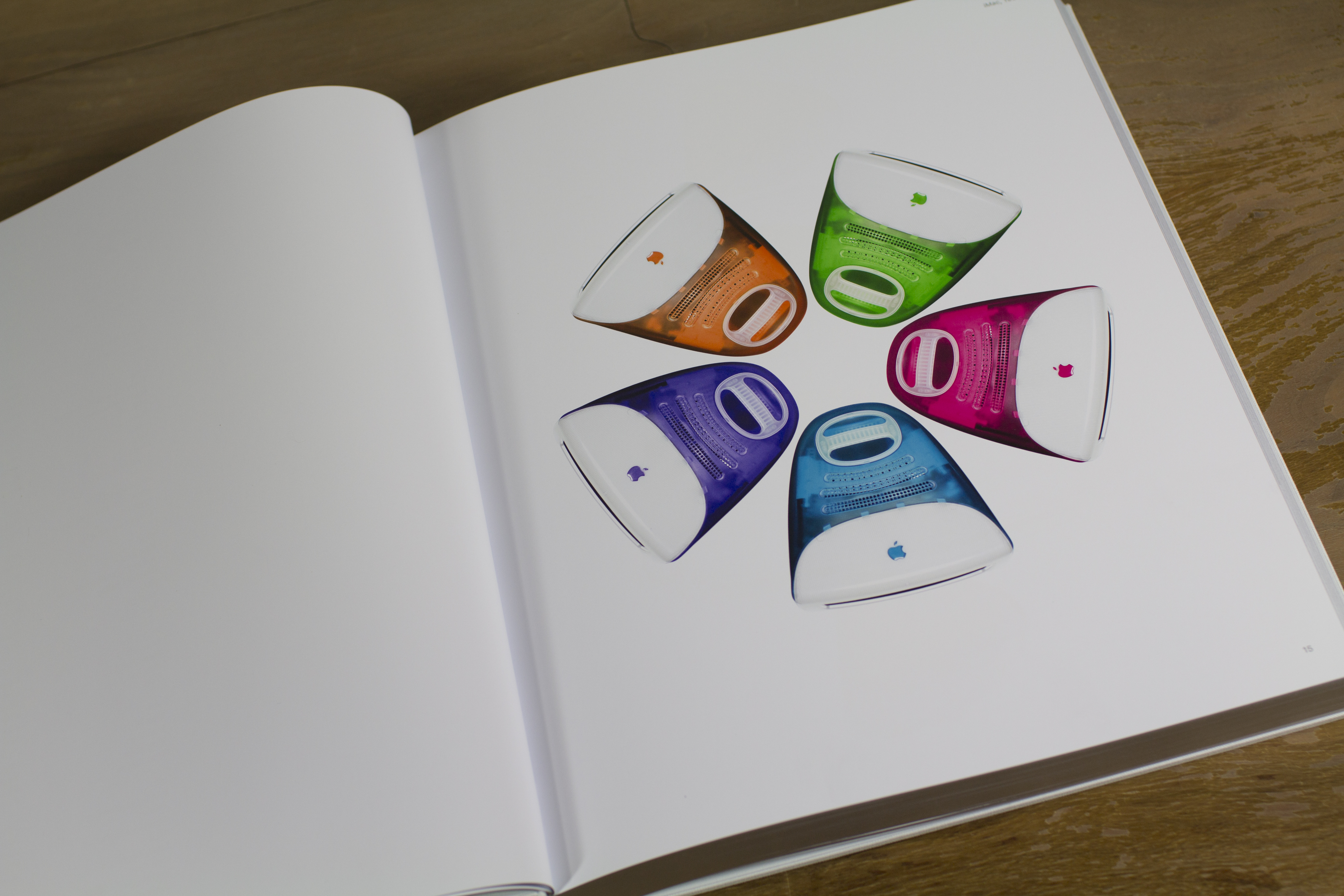
Apple’s new coffee table book “Designed by Apple in California” features many products the company has produced over the last 20 years. Turns out, most of what it is in the book is a part of my collection. Here are the actual products alongside the book:

I’ve zipped up all the photos used in the video and have uploaded them here for your wallpaper-setting pleasure:

Touch Bar Impressions

I spent about an hour today at my local Apple Store trying out the Touch Bar on the new 13- and 15-inch MacBook Pros.

I recently picked up the non-Touch Bar 13-inch MacBook Pro, so the screen, keyboard and case were already familiar. Below are some stream-of-consciousness thoughts:

Touch ID and Touch Bar

  • When off, the Touch Bar looks like it is made of the same stuff as the key caps. It has a nice flat black look to it. Under direct light, it was possible to see where the cover and the screen meet, though.
  • The texture of the Touch Bar is slightly rougher than the Trackpad. It’s still very smooth to run your finger across, but I think there’s a little more grip here.
  • The Touch ID button isn’t integrated into the Touch Bar at all; it’s very much a stand-alone button at the end of the bar. That said, it feels great as a button, and I’m more than a little sad the non-touch model didn’t get it.

Emoji on the Touch Bar

  • If you thought scrolling through emoji on iOS was bad, wait until you try this thing.
  • As most reviewers noted, different apps do different things on the Touch Bar. An hour was not enough time to feel confident in what was going to be available where. That said, things like Save/Don’t Save dialogs putting buttons on the Touch Bar could prove quite fast to use.
  • Maps’ implementation is nice, but the big colorful category buttons are only available when the focus is in the search field of the app. Little things like this will just take getting used to.
  • Having splashes of color — or huge sections in custom color pickers — is really jarring at first. I like the way it looks, but the vibrancy is startling after decades of monochrome keyboard under my fingertips.

Maps’ colorful buttons

  • The Touch Bar customization in System Preferences is cool. It really feels like you’re dragging an item off the bottom of the display and on to the Touch Bar.
  • Mercifully, that colorful Siri button can be hidden. The closed and open state of the Control Strip can be customizes separately from each other, which was confusing at first. I suspect most users won’t ever change things around, though.

Picking a color on the Touch Bar

All in all, I’m impressed with the Touch Bar hardware. While the screen could be higher resolution, it’s hard to see pixels at a normal distance. The Touch ID button isn’t sunk into the screen like rumors say are coming on the iPhone, but it is perfectly functional.

An hour is not enough time for me to judge what I think about it from the software perspective. I liked that it surfaces things in complex applications like Final Cut Pro X and Numbers, but the inconsistent usage and mode switching that has to take place to find things would need to be second nature before I considered it helpful day to day. I think there’s a ton of potential here, though, and it’s still early days of this thing.

Most of my work is done at an iMac, and I opted for the notebook I have specifically not to have frustrations about having the Touch Bar some of the time, but not most of the time. If Apple brings this to the desktop — and it totally should — then sign me up. For now, I’m okay without it.

Apple Launches Repair Program for Multi-Touch Issues on iPhone 6 Plus⇢

Apple has announced a Repair Program for iPhone 6 Plus models that exhibit screen flickering or Multi-Touch failures:

Apple has determined that some iPhone 6 Plus devices may exhibit display flickering or Multi-Touch issues after being dropped multiple times on a hard surface and then incurring further stress on the device.

If your iPhone 6 Plus is exhibiting the symptoms noted above, is in working order, and the screen is not cracked or broken, Apple will repair your device for a service price of $149.

Apple will contact customers who may have paid for a service repair related to this issue either through Apple or an Apple Authorized Service Provider to arrange reimbursement. If you have not been contacted but paid for a repair that you believe was related to this issue, please contact Apple.

The reimbursement amount will equal the difference between the price you paid for the original service to your iPhone 6 Plus and the $149 service price.

In short, if your 6 Plus exhibits this problem, Apple will service the device for a discounted rate. If you’ve already paid for the repair, Apple will reimburse you the difference. Simple enough.

However, this is very different from past Repair Programs in which Apple has fixed or replaced defective devices free of charge.

iFixit published a video about the issue back in August. The group believed that a drop can damage the screen controller, and Apple’s statement seems to back that up.

Clearly Apple believes this issues only surfaces after some amount of accidental damage that’s severe enough to damage this weaker connection in the phone, but not so bad that it breaks the display. That’s unusual, and I’d bet that there are going to be people who claim to have never dropped their devices, despite the failure being present.

Microsoft Surface Studio Reviews

Microsoft’s new desktop has drawn a lot of attention, and some reviews went up earlier today.

The Verge’s Tom Warren thinks the large touch screen and pen support are going to tempt current Mac users:

The fact that Microsoft is even being considered an alternative to Apple’s line of machines for creatives is not something anyone, not even Microsoft, was expecting for the Surface devices. The Surface Studio won’t take over Mac-focused design houses just yet, but that it’s even a possibility is remarkable. The Studio is special because it knows exactly what it is and who it’s for — and it’s largely spot on. If Microsoft keeps developing its strengths here, some of Apple’s most loyal customers might well be tempted to switch camps.

Norman Chan at Tested believes the Studio is a new type of computer, not a direct competitor to the iMac. I tend to agree with this line of thinking — the Studio is a more of a Wacom Cintiq with a computer inside than an traditional desktop.

Devindra Hardawar at Engadget:

The Surface Studio is both familiar and new. It empowers us to work the way we always have, while also giving us entirely new modes of productivity. Personally, that’s a philosophy I can get behind — especially when compared with Apple’s habit of pushing consumers down new roads that aren’t necessarily improvements (hello, dongle life). But the Surface Studio’s high price and lack of expandability could make it a tough sell for an already niche market, especially for people already devoted to their Wacom tablets.

I don’t think this computer is going to be a huge hit, but I like that it exists. Microsoft is doing some really interesting stuff, and that’s good for the entire market.
I believe Apple when it says that touch is wrong for macOS, but this sort of product sure makes me wonder what professionals could do with it.
The Brushed Metal Diaries: Beyond Software

In the Brushed Metal Diaries, we take a look at one of Apple’s most unique — and most hated — user interface paradigms.


I’ve written about the awful Brushed Metal user interface theme a bunch over the years, but OS X isn’t the only place this scourge on design has left its mark.

Here are some other places where Brushed Metal (or one of its cousins) have popped up over the years:

Original iCloud Marketing Material

iCloud with a Chance of Brushed Metal

iCloud in OS X 10.8

Poor OS X

Original Siri Button

Siri on the iPhone 4S

iPhone OS Dock

iPhone OS Dock

Apple Stores

Beijing Apple Store