LEGO periodically approves community-designed projects for official creation. This time around, a Beatles tribute and a 1-meter tall Saturn V rocket have been approved. I’ll be very interested in the second.
Siri smarting off about WWDC ⇢
Ahead of Apple’s WWDC 2016 keynote next Monday, June 13 at 10:00 a.m. Pacific Time, Siri is now offering up some traditionally witty responses to users that ask about potential announcements. iPhone users can test Siri themselves by asking “what to expect at WWDC?” or similar questions.
All of Siri’s responses are unsurprisingly vague, including one related to the popular HBO drama series Game of Thrones.
Funny replies to this sort of thing are fine, but I find the level of sarcasm and humor programmed into Siri’s responses annoying when I need it to actually do something. It may be boring, but if the Echo can’t do what I ask, it simply replies “I wasn’t able to understand the question I heard.”
Take the example of “What is zero divided by zero?”
The answer is undefined, as dividing by zero is nonsense, mathematically speaking.
When the Echo is asked, it replies, “Zero divided by zero is undefined.”
That’s a bit cold and short. If I didn’t know any better, I’d think that maybe Amazon is bad at math, and the Echo just spit back a programming error of some sort.
Here’s what I got when I asked Siri:
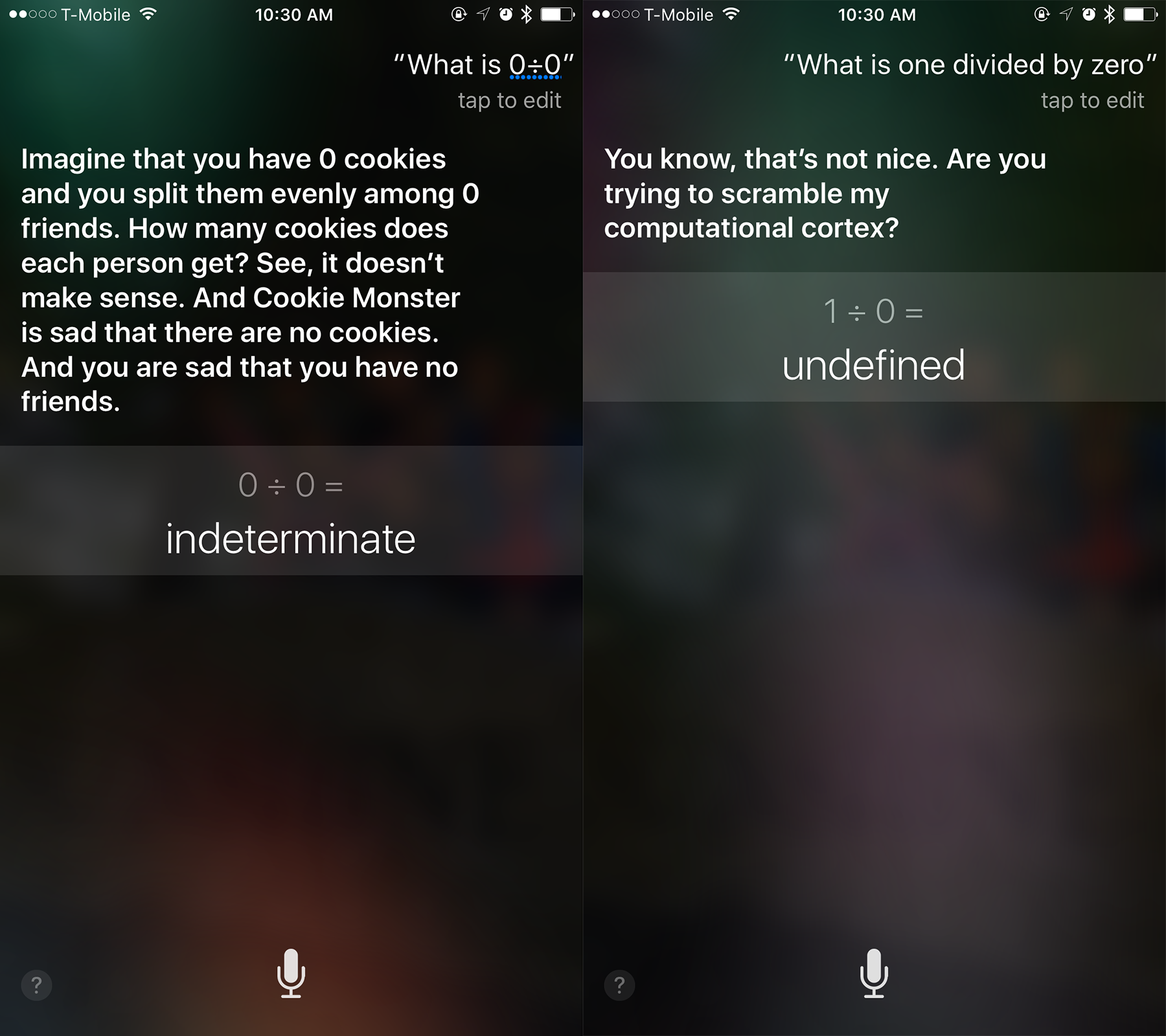
While the Cookie Monster example helps explain the concept, both answers include a level of snark that I find frustrating. Siri could tell me in a sentence or two that dividing by zero is basically impossible and then provide the answer. Amazon erred on the side of being too short; Apple went the other way.
I’ve often wondered why Apple has put so much snark into Siri’s responses. Part of it feels like a way to disarm the user with humor, so when the service can’t do as asked, they are less likely to be upset. I’d rather Apple spend the time building all of this in other ways, but that’s just me.
Summer 2000: Splintering the iMac G3 Line
On July 19, 2000, Steve Jobs took the stage at Macworld New York. In this keynote, he unveiled updated PowerMac G4s, the G4 Cube and updated iMacs.
Jobs walked through the history of the iMac. Every nine months or so, Apple had revised the iMac, and the time had come to do it once again.
This marked the iMac’s second birthday. In the two years since the first machine shipped, Apple had sold 3.7 million iMacs. Jobs boasted that an iMac sold at a rate of 211 an hour, or one every 18 seconds.
Jobs went on to share some numbers about iMac customers:
- 30% were first-time computer buyers
- 14% were switching from Windows
- 89% were using their iMacs to browse the Internet
I think this goes to show that the iMac was working. It was helping stabilize Apple by bringing new people to the Mac, and it was helping put Internet access in homes and schools around the world.
Building on the iMac lineup introduced in October 1999, the “Summer 2000” iMacs would come in 4 models:
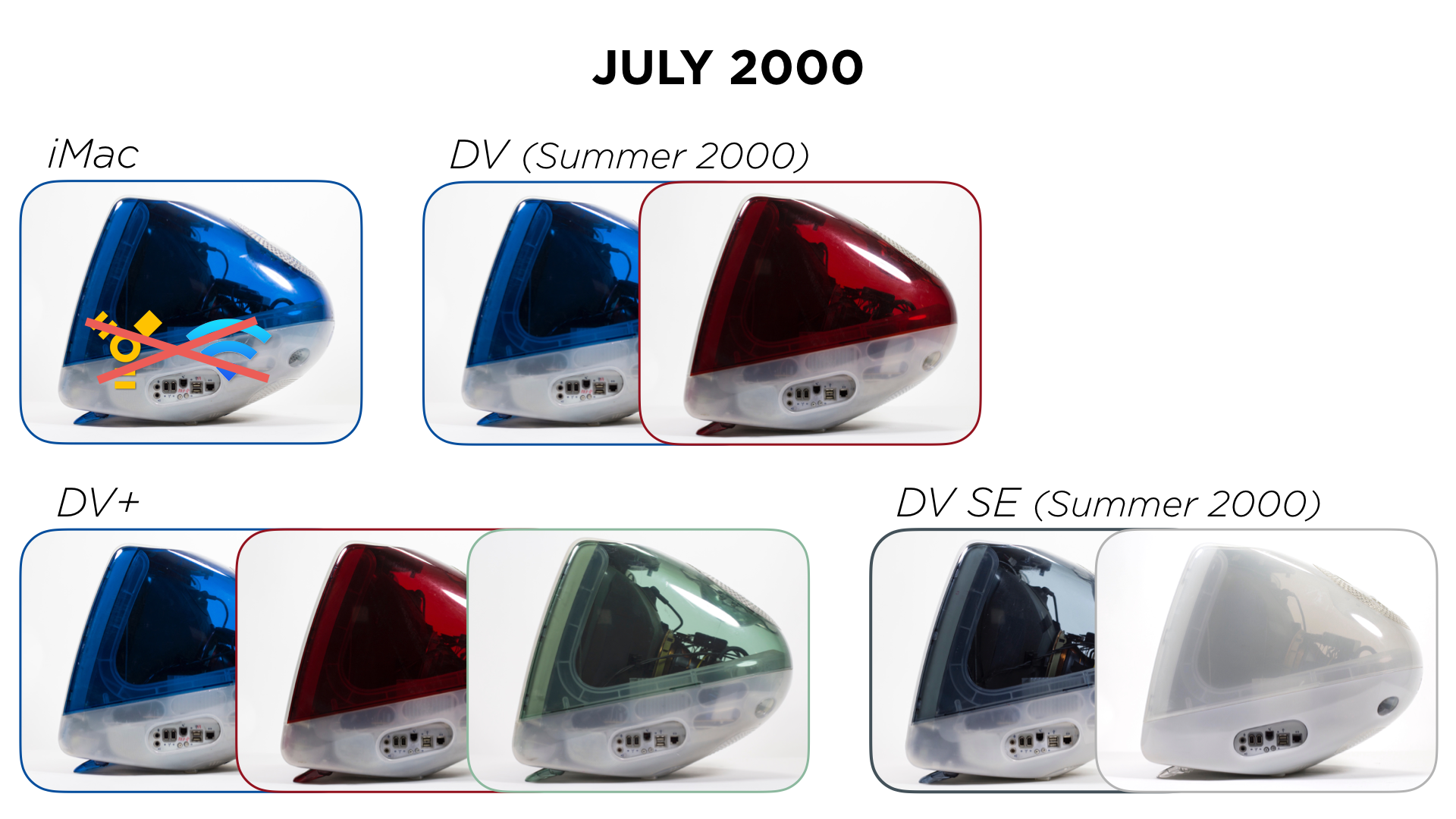
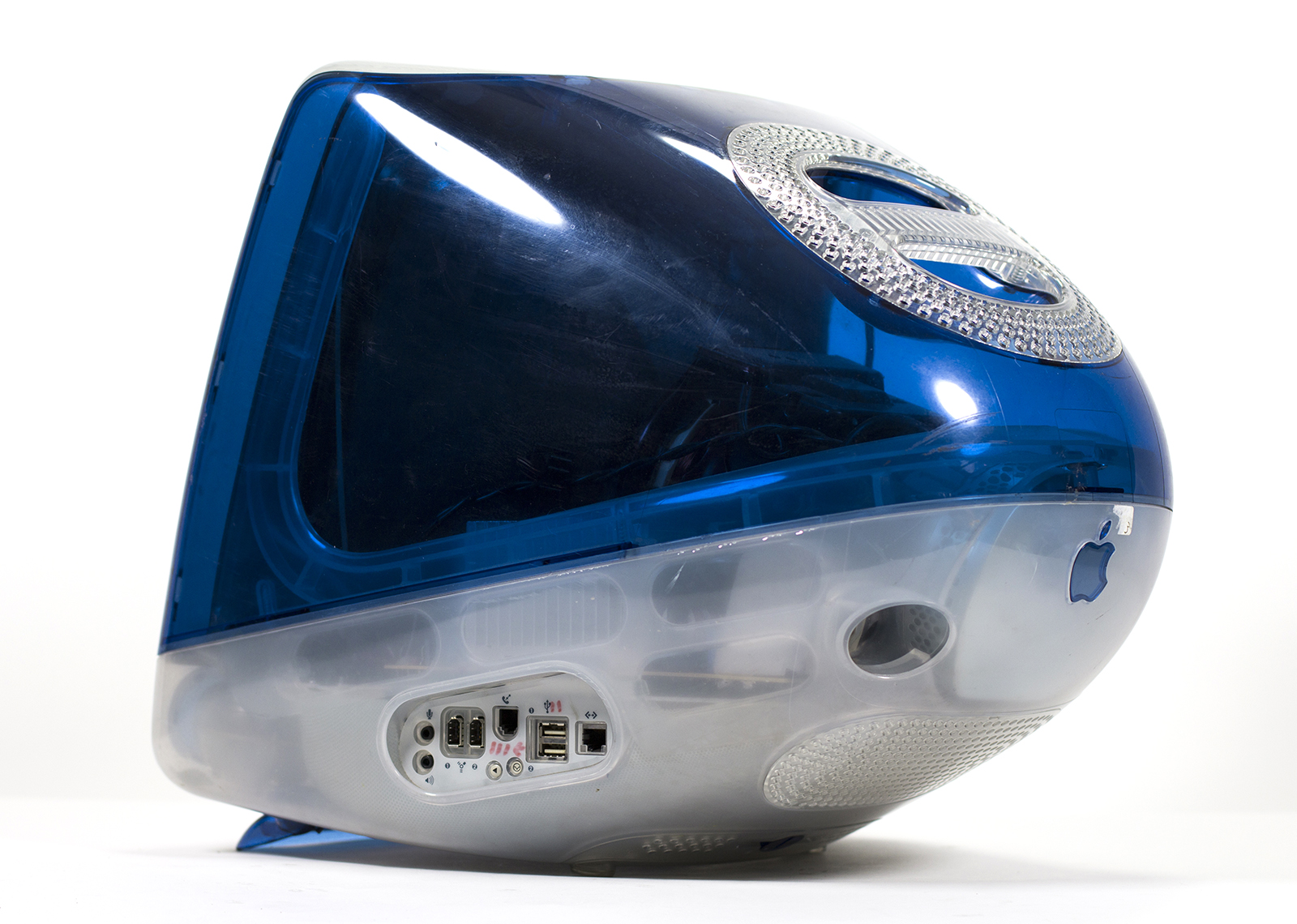
The iMac (Summer 2000) was sold in Indigo and priced at an all-time low of $799. To hit this price point, this iMac lacked FireWire and an AirPort card slot. It was slightly better than 1999’s entry-level iMac, shipping a 350 MHz G3, 64 MB of RAM and a 7.5 GB hard drive.
Indigo would become the new default color for the iMac. These later iMacs were all toned down and a little more professional looking1 than the bright Five Flavors that came before.
(They also came with a new keyboard and optical mouse, mercifully.)
As you can see, it’s a rich, dark blue color that contrasts nicely with the white translucent plastic that makes up the bottom part of the case. I’m a fan.
One rung up was the iMac DV (Summer 2000). Like the iMac DV before it, it came with FireWire ports, a 400 MHz G3 and a 10 GB hard drive and a bundled copy of iMovie.2
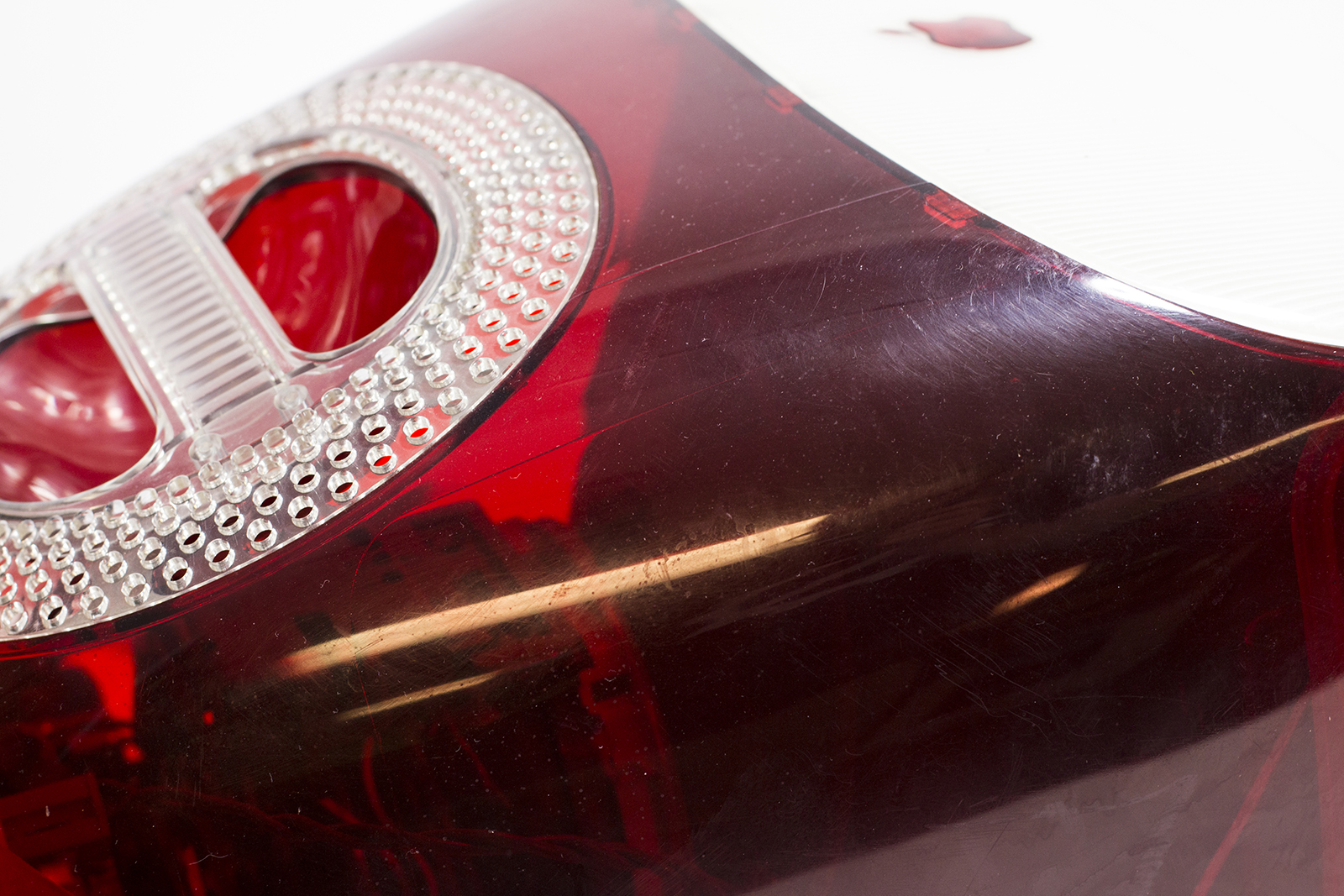
It came in Indigo and Ruby, and at $999, was Apple’s attempt to bring iMovie to everyone. However, unlike 1999’s iMac DV, it came with a CD-ROM drive instead of a DVD-ROM for cost savings.
Up next: the iMac DV+ came in Indigo, Ruby and Sage:
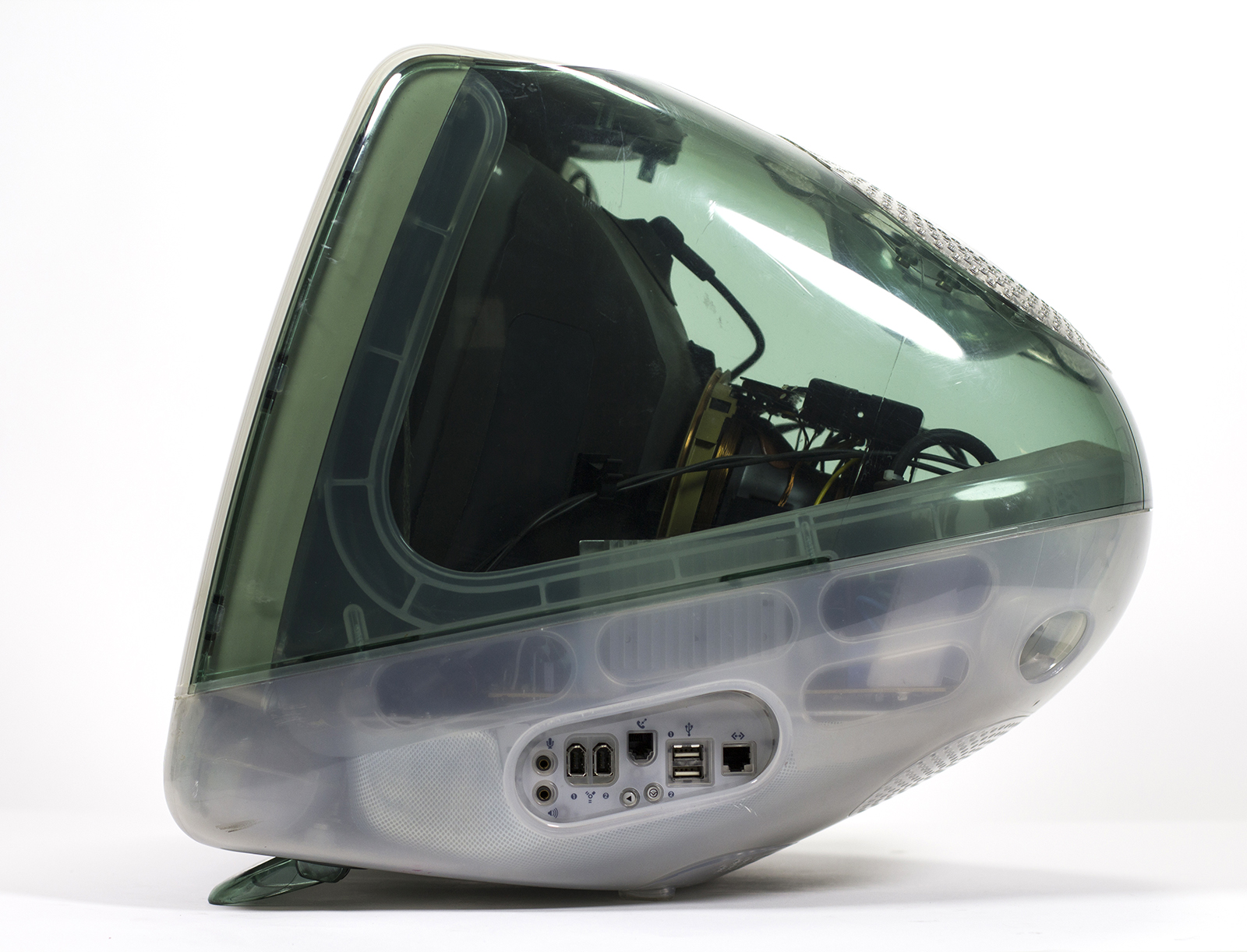
This $1,299 iMac came with a 450 MHz G3 and a whopping 20 GB hard drive and a DVD-ROM drive, but still shipped with the standard 64 MB of RAM.
Sadly, this generation would be the only to feature Ruby and Sage. It’s a shame, as they are really nice looking colors. If you come across a Ruby or a Sage, it’s a Summer 2000 iMac.
At the top of the line, with a $1499 price tag, was the iMac DV Special Edition (Summer 2000).
Jobs called this the “ultimate iMac,” and with a 500 MHz processor, 128 MB of RAM and 30 GB of disk space. It cost $1,499, and in addition to retaining the Graphite finish, is also shipped in a new color called Snow:
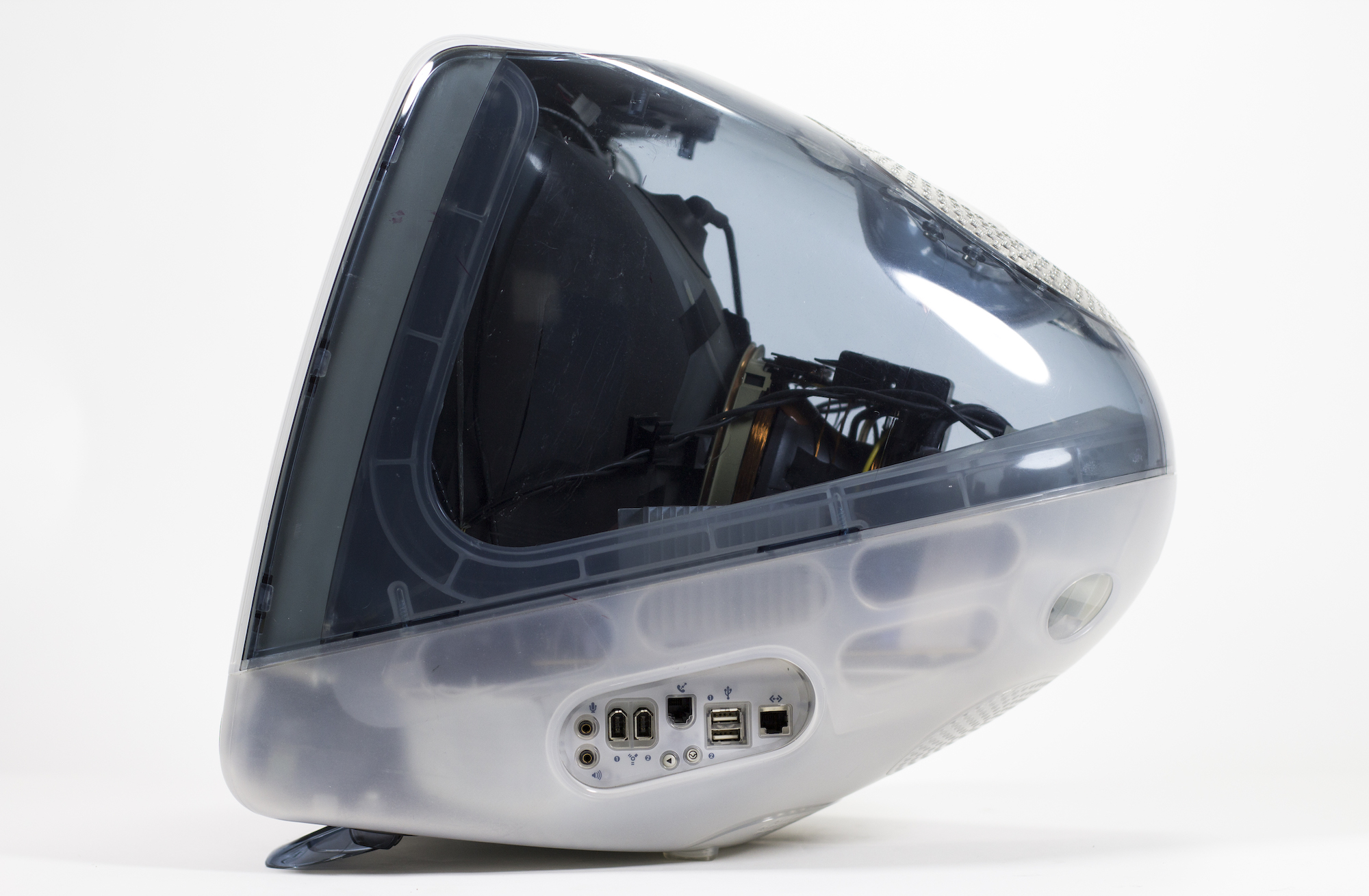

This new case would stick around until the very end of the iMac’s run, and offered just enough translucency to give a hint to what was beneath the plastic.
The Summer 2000 lineup would be the most complicated one Apple would offer. It was an expansion of the Good/Better/Best strategy announced 9 months before this event. In hindsight, locking Sage or Snow to certain price points seems frustrating, but I think Apple was trying to pull people upstream to the more expensive models. I can’t blame Apple for that, but I think it emphasized specs over color in a way that didn’t resonate for many consumers.
Then again, Apple does this sort of thing to this day.
NYC Drone Film Festival montage ⇢
Well, this is downright amazing:
Connected #94: I Have No Idea When WWDC Is ⇢
This week on Connected, our WWDC predictions took a back seat to the news coming out of Apple about App Store changes. For such short notice on the topic, I’m really happy with how this episode came out.
My thanks to our sponsors this week:
- Squarespace: Enter offer code WORLD at checkout to get 10% off your first purchase.
- Braintree: Code for easy online payments.
As a quick note, next week’s Connected will be live on stage in San Francisco. It, along with some extra goodies, will be published as Episode 95. Don’t miss it!
Introducing Ungeniused, my new podcast about weird Wikipedia articles ⇢
The first podcast Myke and I ever did together was called Ungeniused. On it, we broke down random Wikipedia articles each week.
That was way back in 2011. The show didn’t make the transition when we joined 5by5; we were both too busy for it. Today, I’m really excited to announce that it is back for another season on Relay FM.
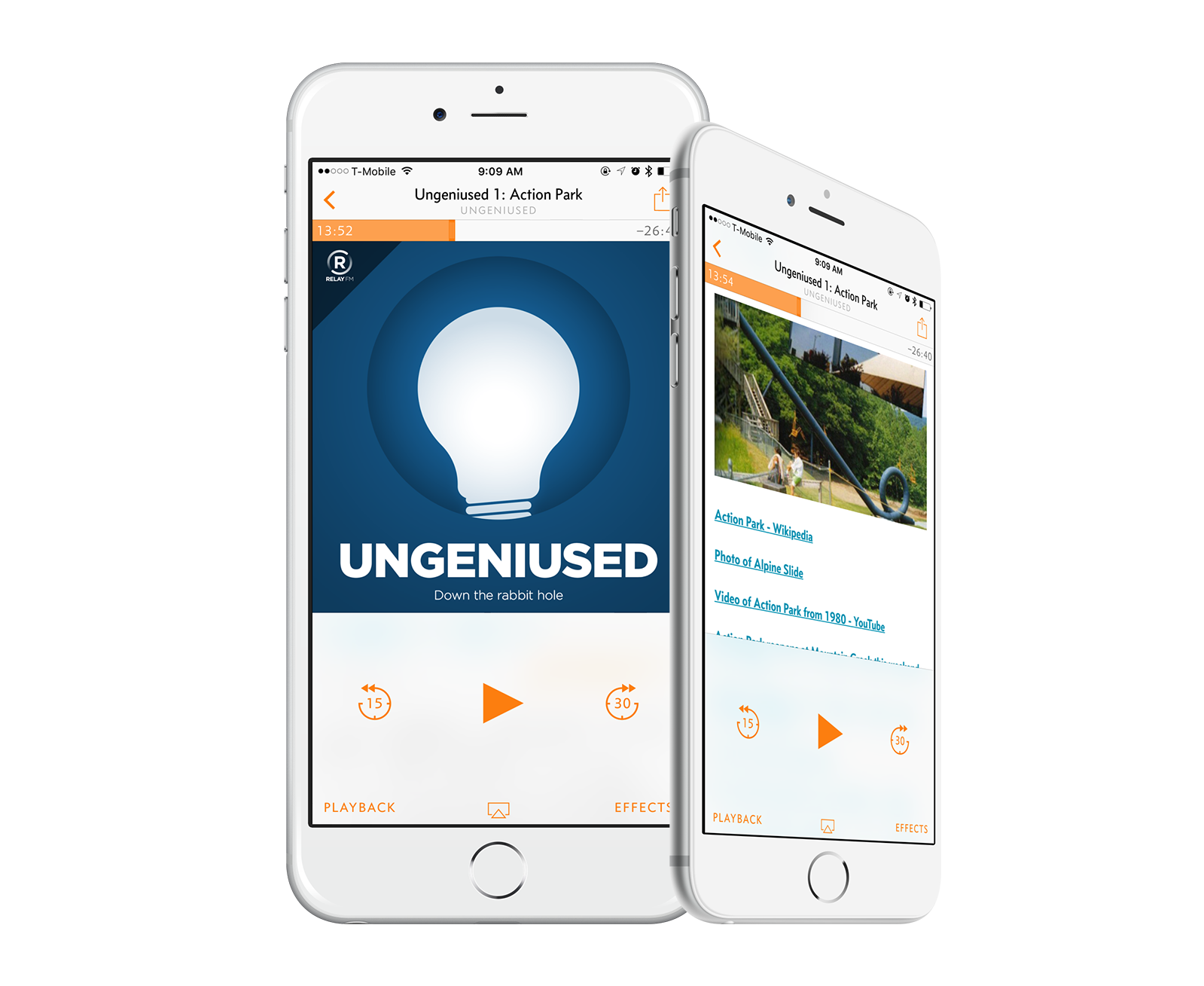
Episode 1 is about Action Park, an amusement park with a shocking history, including six fatalities in the 1980s. At the end of the show, we were joined by John Siracusa who grew up visiting Action Park and somehow survived it.
I’d love it if you would check Ungeniused out. Most episodes will be 20-30 minutes in length, and we’ll be publishing a new episode every other week. We’ve already recorded the second episode, and it’s on a really strange topic.
Here’s how you can subscribe:
It’s nice to be making something outside of my normal realm of technology, and I think you’ll really enjoy it.
Updating the Relay FM Archive
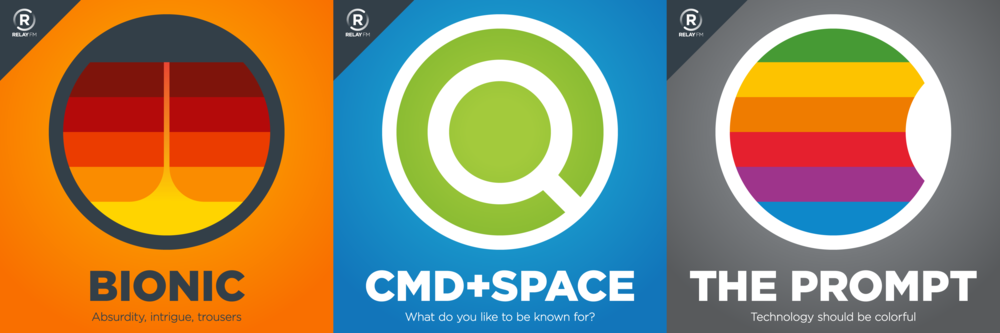
Recently, some of the retired 5by5 shows that pre-dated several Relay FM shows were taken down. We wanted these archived episodes to be available, so we now have the back catalogues of Bionic, CMD+Space, and The Prompt on Relay FM.
It was fun going through these shows while getting this setup. There’s a lot of great stuff in these archives.
Phil Schiller to make big App Store changes ⇢
There is a lot to parse in today’s news. We’re about to record Connected and will be talking about it there.
Liftoff #22: Billionaires at a Conference ⇢
This week on Liftoff, we discuss recent interviews with Elon Musk and Jeff Bezos. Rockets, AI, dying on Mars and more!
My thanks to our sponsor this week:
- CuriosityStream: The world’s first, ad-free non fiction streaming service. Use the code RELAYFM to get two months free.
Kbase Article of the Week: Intel and non-Intel processor compatibility ⇢
This article discusses processor compatibility for NeXTSTEP and OPENSTEP systems:
The Intel versions of NeXTSTEP and OPENSTEP have been tested on Intel 486, Pentium, and Pentium Pro processors. These are the only processors Apple supports for use with NeXTSTEP and OPENSTEP.
What Podcasting doesn’t need ⇢
I’ve never been more proud to be operating a large podcast app that’s built on standard RSS, open access, and standard playback of podcasters’ original files directly from their servers, with no garbage ads being inserted, no behavioral tracking for advertisers, no proprietary lock-in, and absolutely no requirements that podcasters register with me, do anything differently, lose any control, agree to any terms, or even be aware of my app at all to be played, shared, and promoted in it.
Don’t let proprietary podcast platforms convince you that we need them.
We don’t.
Preach it, Brother Arment.
More on Stitcher ⇢
I worry that it’s toxic to combine advertising sales with an exclusive app for playback. Advertisers want tracking? You got it — in Stitcher. The end goal here is lock-in, and so I think it’s worth fighting right from the start, even at the expense of a few thousand additional listeners for my show. Maybe they’ll never become dominant. Maybe even if they do, they won’t do anything to promote lock-in. But now is the only time to resist the possibility that they’ll grow dominant and abuse their position. It’s too late once it happens.
I’m not as worried with services that re-host files — like Google Play — as Gruber is, but I agree that locking advertising to a select platform is bad for the industry.