After catching up Kepler news and the Mercury transit, Jason and Stephen talk about the lifecycle of our sun. Spoiler alert: things won’t end well for Earth.
My thanks to our sponsor this week:
CuriosityStream: The world’s first, ad- free non fiction streaming service. Use promo code RELAYFM to get two months free.
Analysis was performed on the Kepler space telescope’s July 2015 planet candidate catalog, which identified 4,302 potential planets. For 1,284 of the candidates, the probability of being a planet is greater than 99 percent – the minimum required to earn the status of “planet.” An additional 1,327 candidates are more likely than not to be actual planets, but they do not meet the 99 percent threshold and will require additional study. The remaining 707 are more likely to be some other astrophysical phenomena. This analysis also validated 984 candidates previously verified by other techniques.
“Before the Kepler space telescope launched, we did not know whether exoplanets were rare or common in the galaxy. Thanks to Kepler and the research community, we now know there could be more planets than stars,” said Paul Hertz, Astrophysics Division director at NASA Headquarters. “This knowledge informs the future missions that are needed to take us ever-closer to finding out whether we are alone in the universe.”
Let me just address the elephant in the room here. It’s a little unusual that I’m doing a mini-review of the Samsung Galaxy S7 Edge. It’s been many years since I sold my original Motorola Droid1 and returned to the iPhone.
That’s not to say I’m unfamiliar with Android. Every couple of years, I buy a current Nexus phone to check in with what going’s on on the other side of the mobile OS fence.
At the risk of getting a lot of email, I just have to say it: Android had gotten really good. While I have some critical iOS-only apps in my workflow that would keep me from switching, the OS itself and third-party apps are miles better than they were 3 or 4 years ago.
What’s more interesting to me is the hardware companies like Samsung and LG are shipping these days. While there are a lot of forgettable phones out there, the S7 Edge stands out from the crowd.
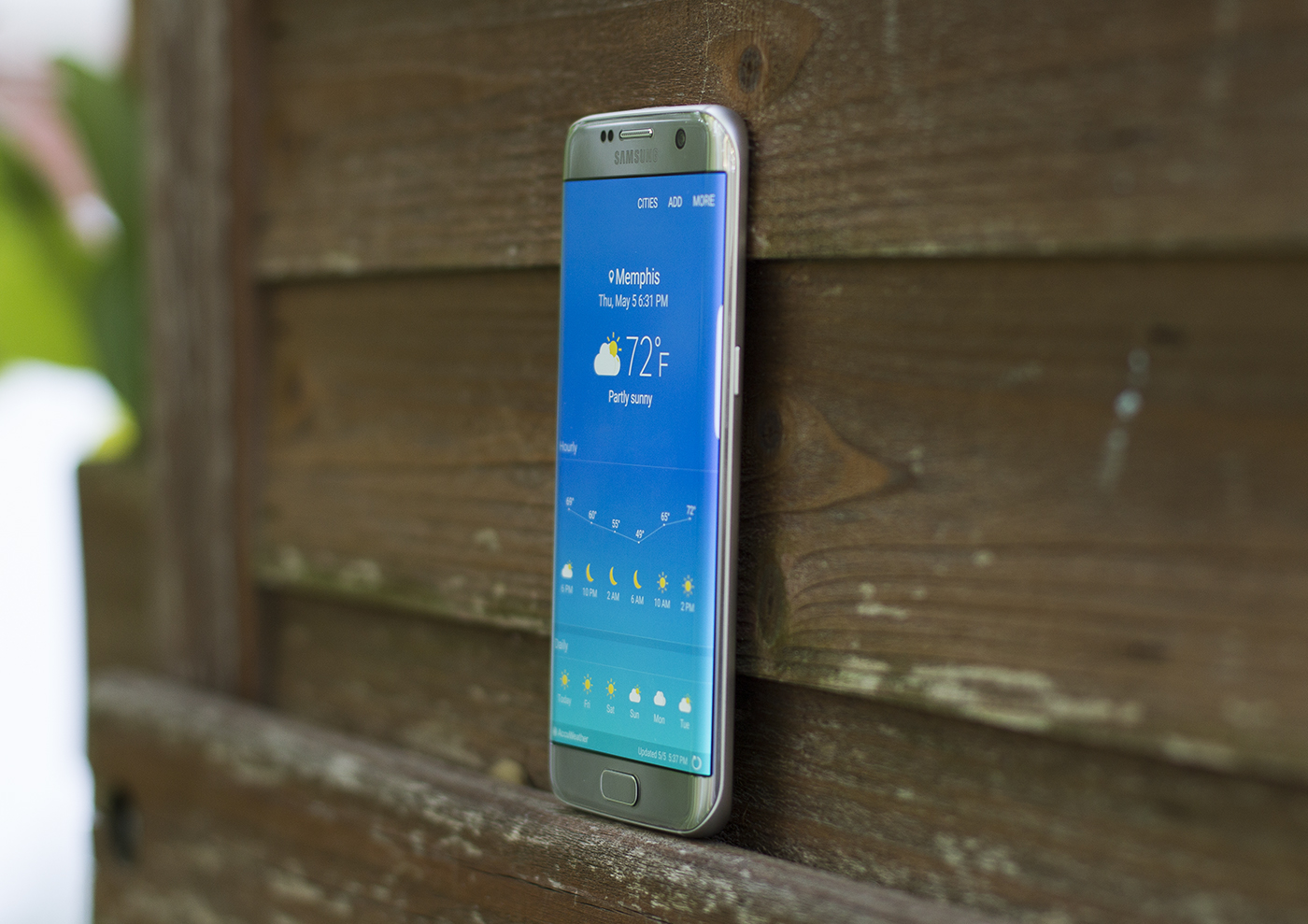
The phone is dominated by its 5.5-inch Super AMOLED display. It’s bright and colorful, if not a little over-saturated for my taste. It’s super sharp, though. The big story with the display is the curve on either side. The sides of the display simply roll off the curved edges of the phone. The effect is subtle; its even hard to photograph clearly.
While using the phone, it’s obvious, however. Edge-to-edge content is slightly distorted by the curve, which is less than ideal, but I only found it to be an issue in apps like Instagram, with its full-width photos. Most developers have some padding on either side of their content windows anyways, so it’s not as big of a deal as it first seems.
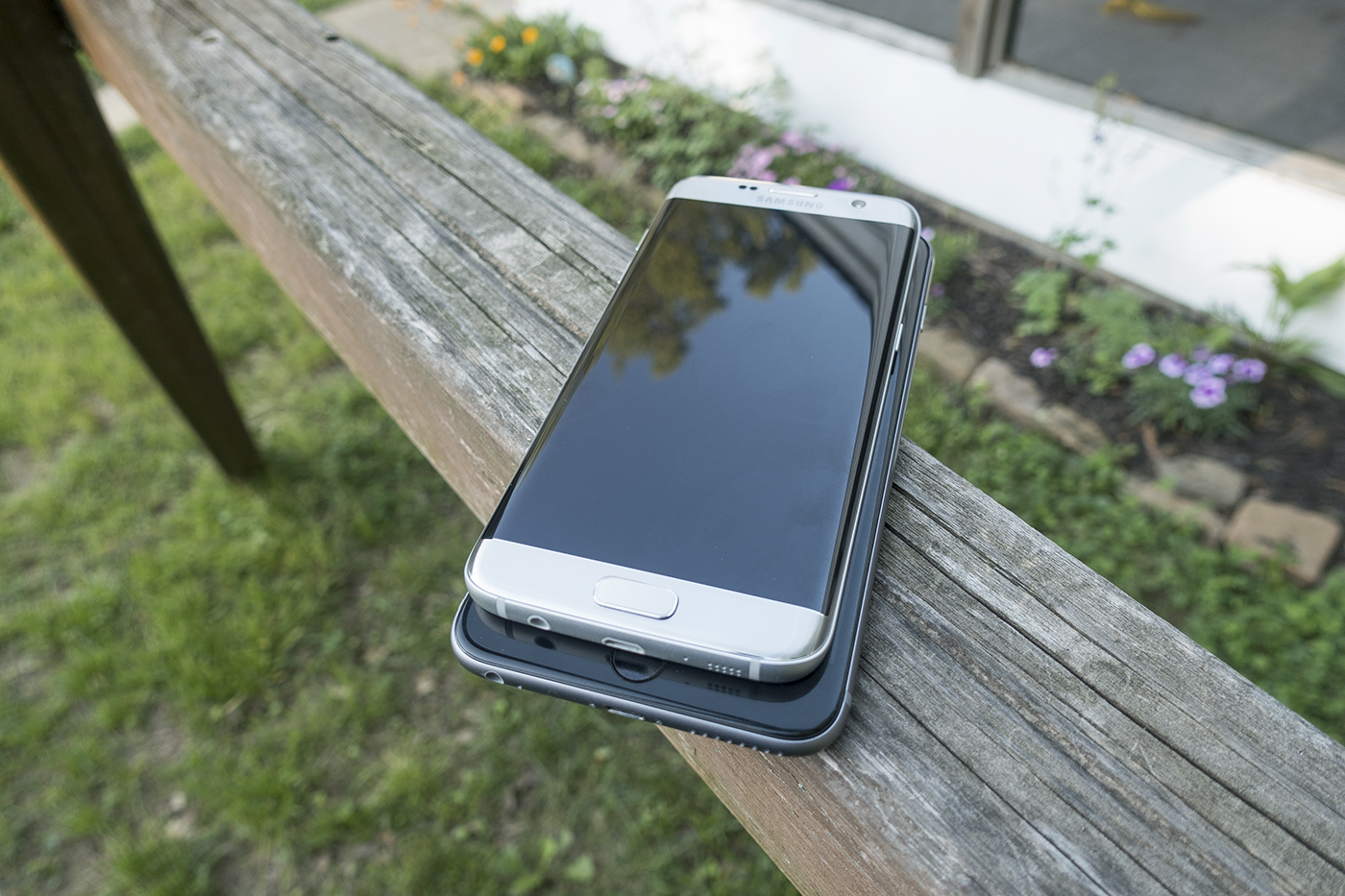
Speaking of the screen, or rather, what’s around it, let’s talk about bezels. Naturally, the S7 Edge doesn’t really have side bezels, since the screen flows over the edge, but it does retain a chin and forehead, much like the iPhone. However, these are smaller than the areas on the iPhone. These changes lead to the S7 Edge being noticeably smaller, despite packing the same sized screen:
Cupertino, take note.
The rest of the device is pretty much on par with the iPhone. The camera is great, the speaker is good and the fingerprint reader is fast and reliable in my usage.
Oh, and the thing is water resistant. All phones should copy this.
The hardware isn’t all good news, though. The metal rail that goes all the way around the phone is very thin on the sides where the sloping cover glass meets it. There’s just not a lot of surface area to grip, and what’s there is crazy slippery. Coupled with the all-glass back, this may be the most slippery device on God’s green Earth.
(That glass is a fingerprint magnet, too, even in silver.)
I can’t say the S7 Edge is the best Android phone to buy. Samsung still does silly things to Android, and there’s some Verizon bloatware on this particular model. However, I think it’s the best example of how good other manufactures have become at building phones. Yes, its slippery, and yes the curved screen feels a little gimmicky, but this phone is beautiful and well-built. Throw in the reduced footprint and water resistance, and I think Apple has some things it needs to address next time around.
And for that matter, my Palm Pre Plus. Now I’m just sad. ↩︎
In & Out lets you use your iPad to sign visitors in and out. Its simple interface will modernize the way you keep track of visitors.
Customize the look of In & Out with your company logo or background image. Capture your visitor’s name, email address, and phone number, or use custom fields to capture any other information. In & Out automatically keeps track of the date and time of each visit and calculates the total duration for you. You can view visitor reports within In & Out, or export them as a CSV file via email.
Ditch your paper sign in sheets and impress your visitors with something modern and easy to use.
For many women (and families) Mother’s Day is a heartbreaking occasion. For others, it’s a day of joy. In our household, I think it’s a mix of both.
That photo is from the weekend our son Josiah was diagnosed with brain cancer. That Sunday, he was baptized in his hospital bed. So many people from our lives showed up, the crowd spilled out into the hallway, with people lining up to visit.
It was Mother’s Day 2009.
This Mother’s Day, Josiah is still with us and is doing very well. He still has cancer, but has been off chemotherapy for several years. A check-up MRI is scheduled for this week, but assuming there’s no growth, then he’ll be back to being a first-grader and playing with his younger brother and sister.
Through it all, I’m reminded daily how amazingly strong and caring my wife Merri is. She’s the best partner I could ask for in life, and my children are incredibly blessed to call her Mama.
That doesn’t mean today is easy. The anniversary of Josiah’s story beginning is always hard.
Pain and joy are often intermingled in life, but in those moments, there’s potential for grace. I hope you all can experience that today as we have.
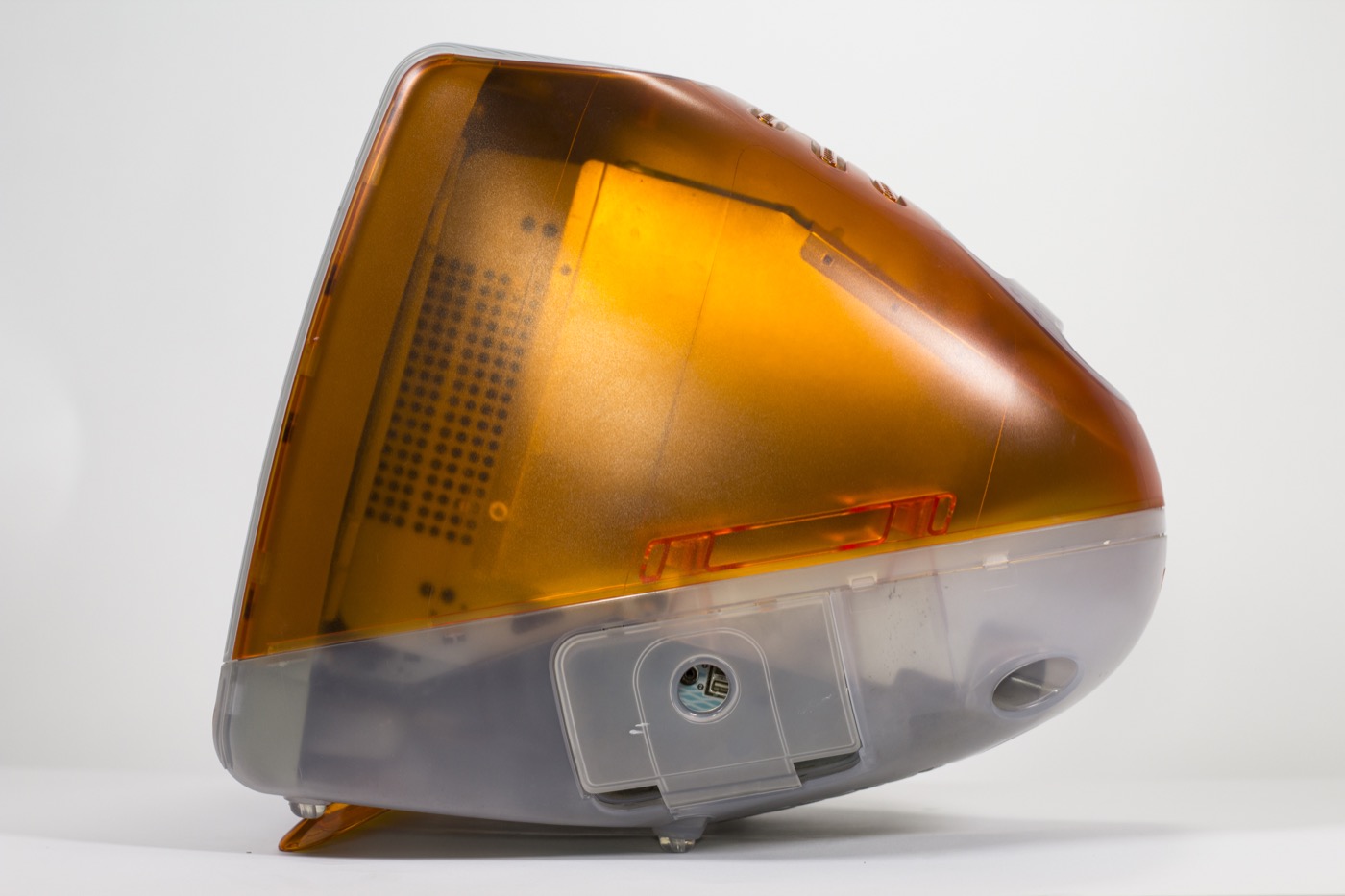
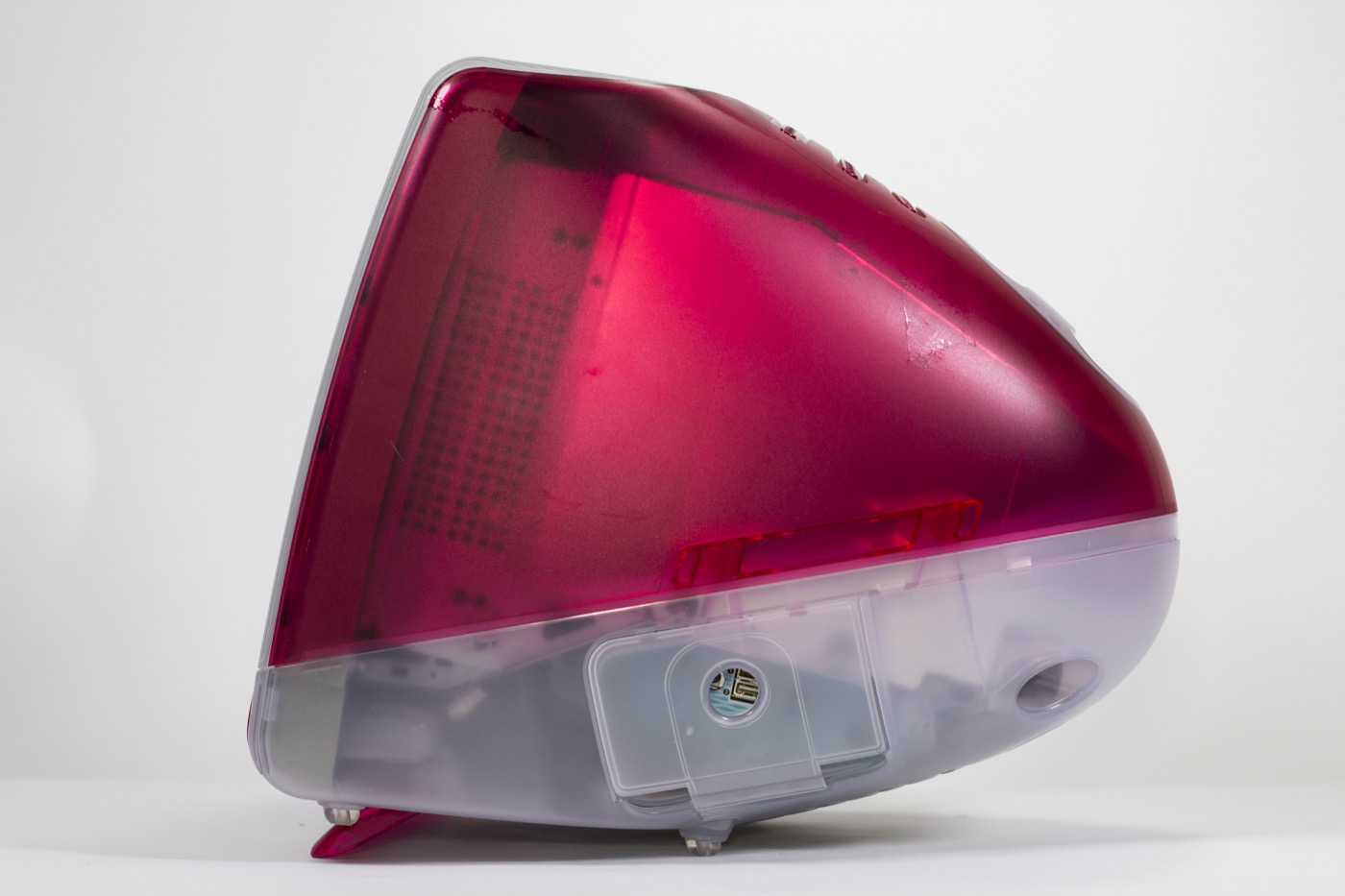
This announcement mirrors the original Macintosh introduction in several ways. Both times, Steve Jobs was unveiling a consumer machine for the masses with a friendly, all-in-one design. Both introductions took place in the Flint Center, and each greeted the audience with a cheerful “Hello” on the screen.
Jobs outlined the vision behind the computer in simple terms:
The excitement of the Internet. The simplicity of Macintosh.
The iMac was more than a mere computer; it was designed to be a vessel with which users could travel to the 21st century. The i in the name stood for several things:
Internet
Individual
Instruct
Inform
Inspire
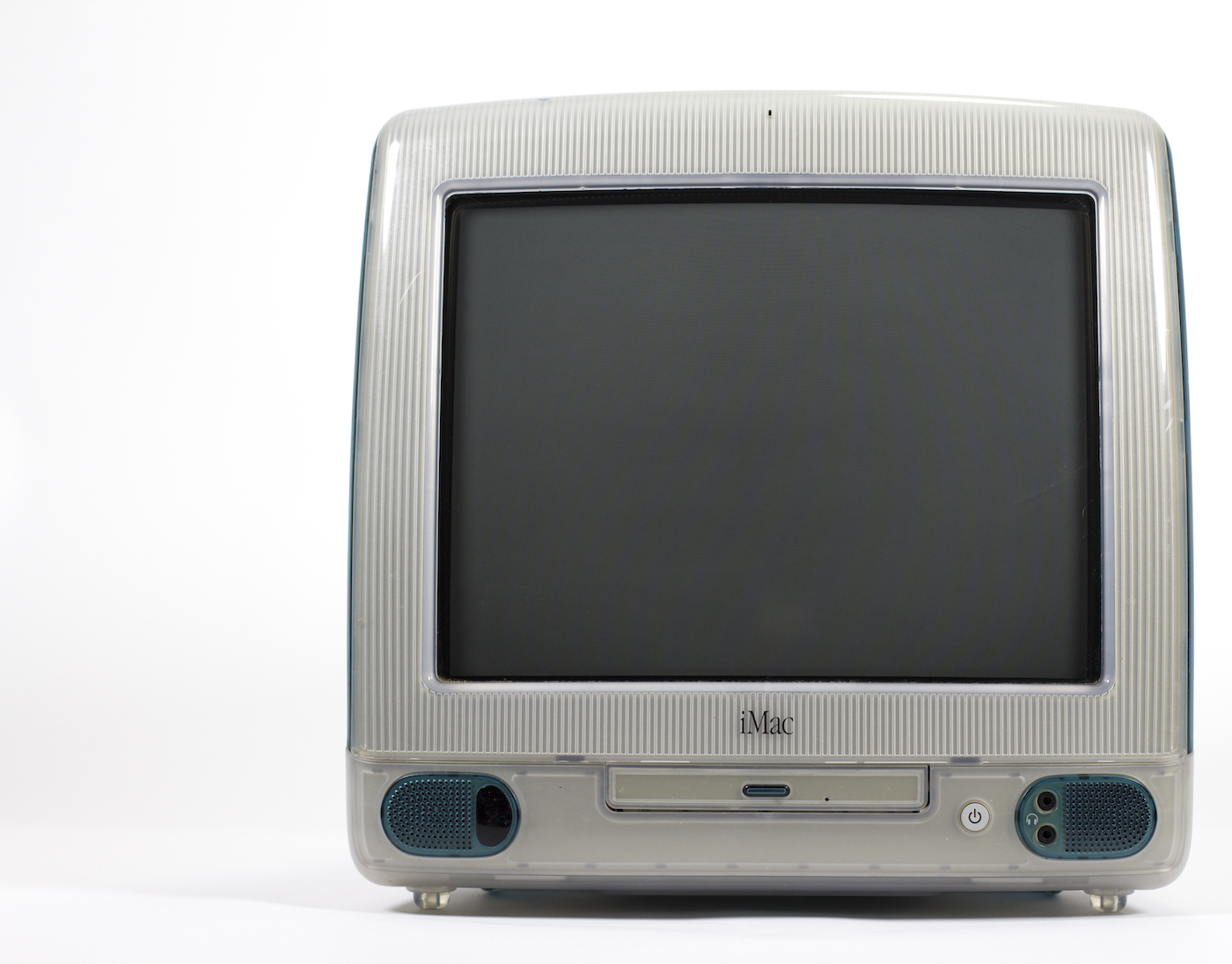
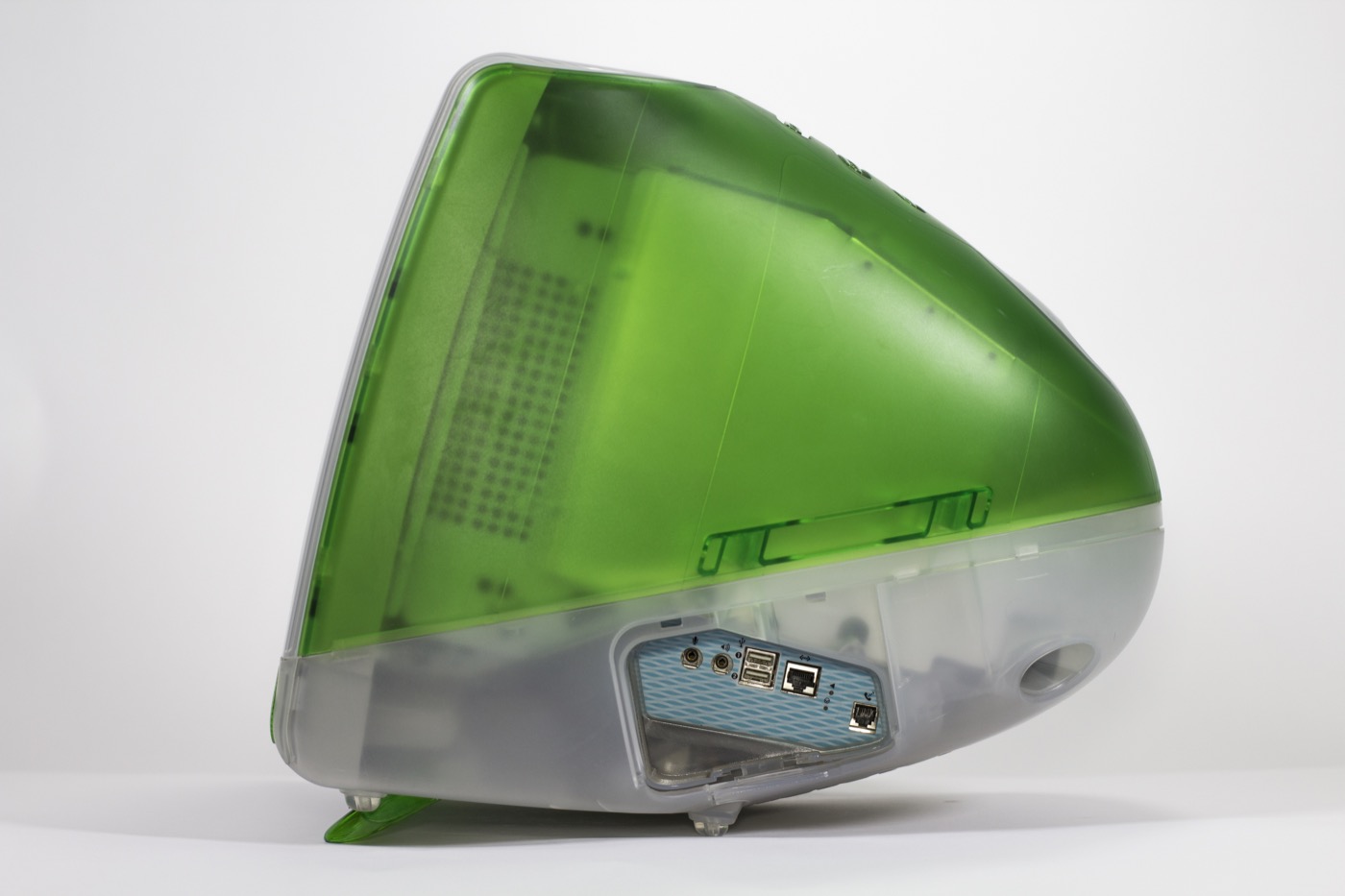
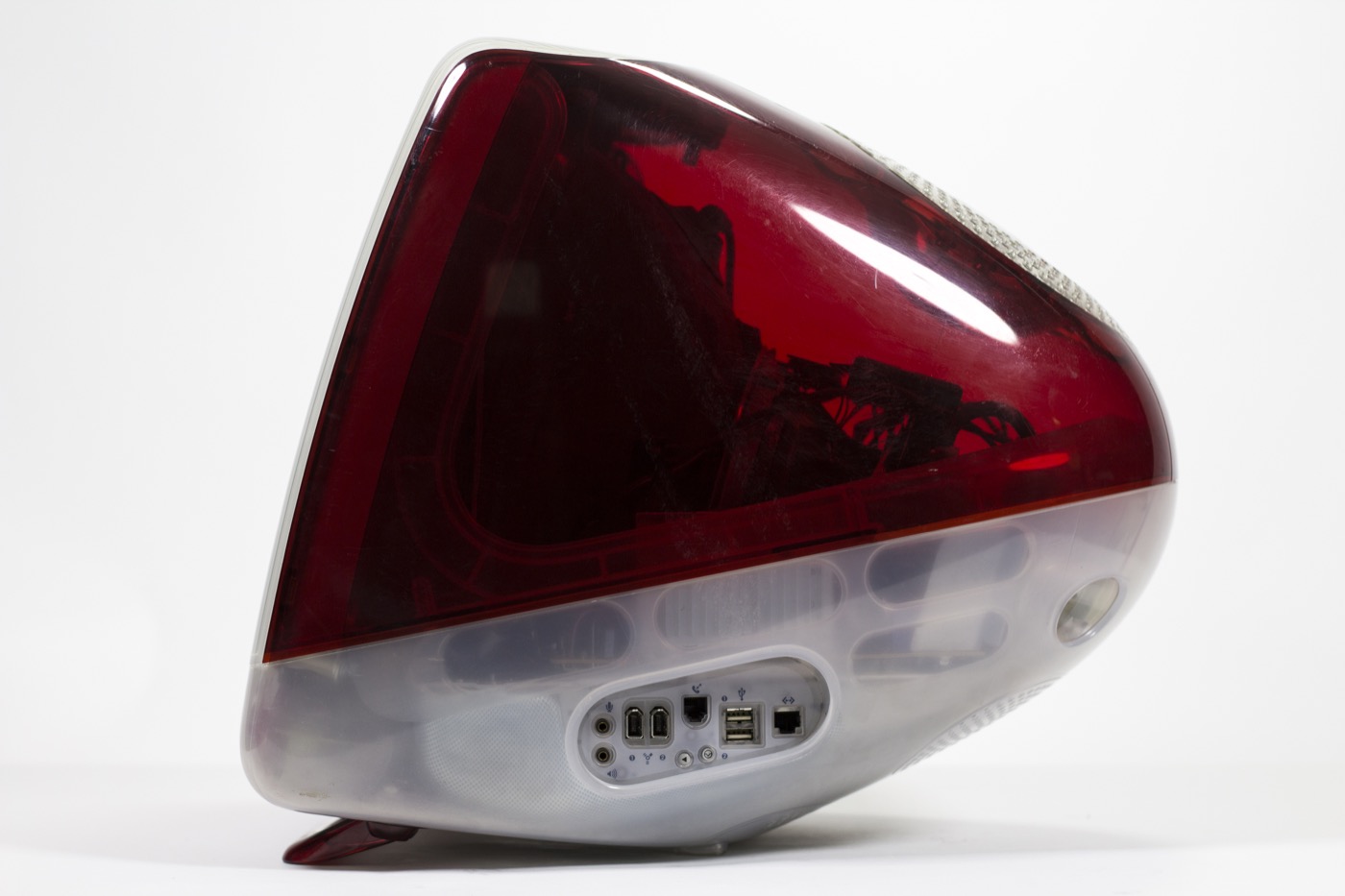
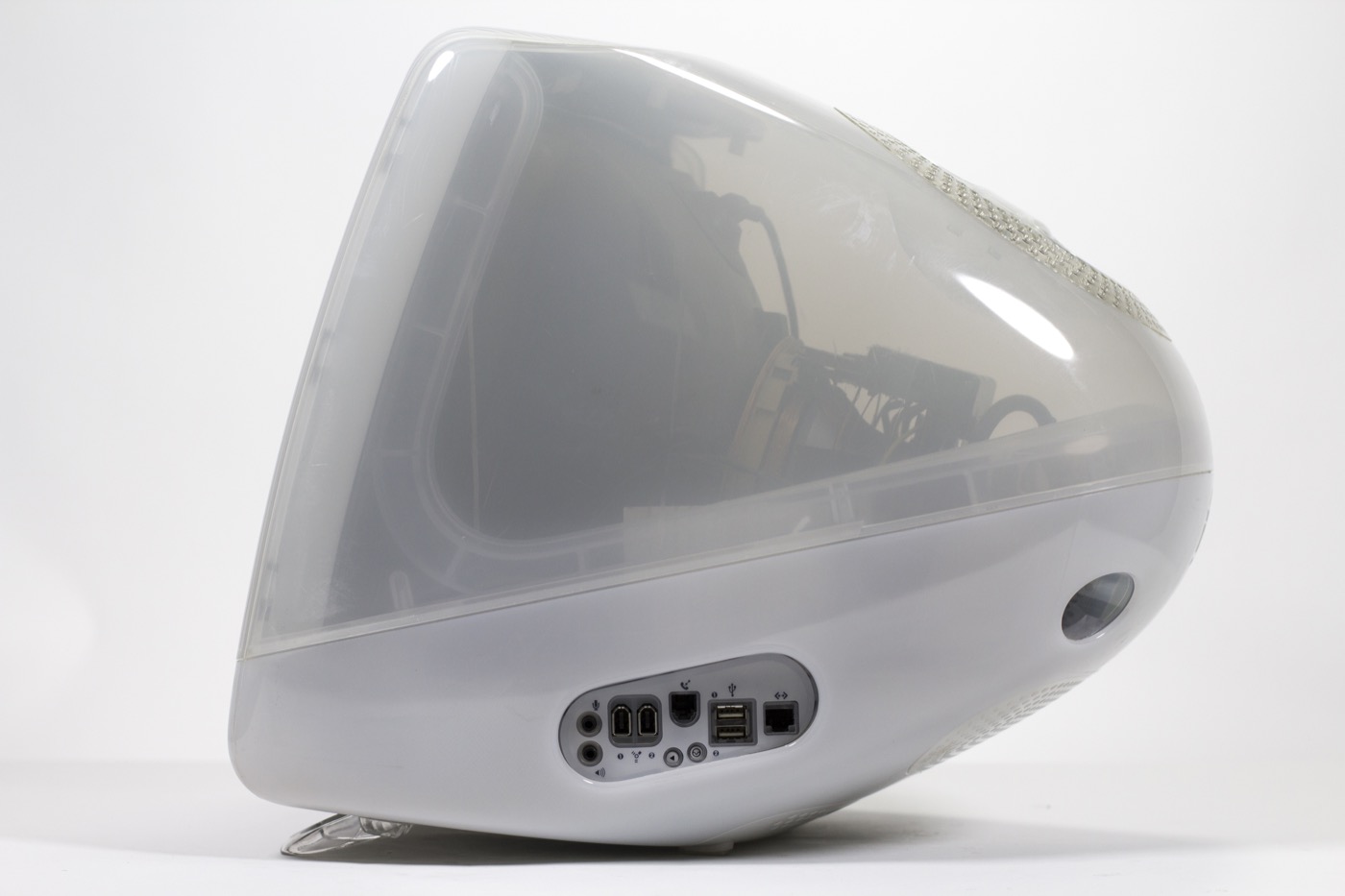
Jobs described the machine as better than PCs in terms of speed, design, I/O and display size. The 233 MHz G3 was coupled with a 15-inch, 1024x768 CRT display. It shipped with a modem, Ethernet port and an IR port, but the real I/O story came in the form of USB and the lack of a floppy drive. Gone were the legacy Apple ports like ADB, and the only disc that the computer could read was a CD.
The lack of a floppy drive wasn’t mentioned in the keynote, but soon became a point of contention among analysts and even users, as was the dropping of legacy port in favor of USB.
Considering all these amenities, the most shocking part of the iMac isn’t what it offers, but what it lacks. The iMac has no floppy drive, which might be forgivable if there were a Zip drive or other removable-media option, but there isn’t.
And most dramatically, this new consumer offering has no SCSI port, no standard serial ports, and no ADB ports. Apple has opted to replace these familiar connections with USB, a high-speed serial architecture that has suffered from slow adoption on the Wintel platform despite its technical advantages. Currently, no USB devices exist for the Mac.
While it’s easy to smirk at this reporting now, it’s an important point. There were virtually no USB devices when the iMac was announced, and very few when it shipped a few months later. In the October 1998 edition of Macworld, just 28 USB devices were listed, and many of them were “coming soon.” Here’s Henry Bartman, closing his article about USB in that month’s magazine:
It seems like only yesterday that nobody had even heard of USB. But the Mac is moving to this new bus architecture, and the little iMac is leading the way. By this time next year, the Mac’s ADB and serial ports will be history, and USB (along with FireWire) will reign supreme.
That may seem like an overly optimistic prediction, considering the relative lack of available USB devices. But the iMac’s success-yes, this assumes that it will be successful-will cause hardware companies that have been waffling on the USB issue to finally take the plunge.
That’s basically what happened. Those users who bought iMacs sprung for new accessories, including USB floppy drives. In the June 1999 edition of Macworld, there was a 11-page spread highlighting USB devices on the market.
The iMac brought change not only to the tech Apple was shipping with Macs, of course. It changed Apple, and in a larger sense, the consumer electronics industry. Like the Macintosh before it, the iMac was Apple’s push in the future, bending the world to their vision of how computing should be. In 1998, that vision meant simple I/O and no floppy disks. That’s the world we live in today.
This machine would put an energy back into the Macintosh, and help pull Apple out of the nosedive it was in. It would bring new users to the platforms, help Apple regain ground in the education market, and lay the foundation for the computers and devices that would follow it.
Not bad for a weird little computer that only came in blue.