The State of Nisus Writer⇢

Nisus Writer is a word processor for the Mac that dates back to 1989. It survived basically every major change the platform has ever seen, but its time as a beloved Mac app may be coming to an end, as Joe Kissell writes:

For more than a year, we’ve heard scattered complaints: problems with Nisus Software’s website, particularly the user discussion forum; slow or absent responses to support requests; assorted bugs; and other issues. But earlier this week, on 22 October 2025, the reports changed to: “Did you know the Nisus website is completely down, and that Nisus Writer is no longer in the Mac App Store? Does this mean they’re out of business?”

On the one hand: The site is back online as I write this. The app still works. I’m writing the first draft of this article in Nisus Writer Pro on a Mac running macOS 26 Tahoe, and it’s fine. You can still download it and buy a license. At least one human being is actively involved in the company. It’s (mostly) alive!

On the other hand: All available evidence suggests that the app, and the company behind it, are on life support, and the prognosis is doubtful. It’s (mostly) dead!

I’m going to tell you what I know.
Continue reading ⇢

Steven Aquino on that Liquid Glass Toggle in Beta 4⇢

Steven Aquino, writing at Curb Cuts, bouncing off my post about the new Clear/Tinted toggle that appeared in this week’s betas:

Hackett notes Apple’s placement of the Liquid Glass control is surprising as he believed “a control like this would land in Accessibility.” However a logical presumption, it’s not really a hardcore accessibility feature. Here’s the thing about accessibility features, on iOS or Android or anywhere else: they’re a discrete, specialized—and admittedly esoteric—suite of settings intended to meet highly specific needs. While it’s true “accessibility is for everyone” for the most part, the majority of the options under Accessibility are decidedly opinionated in their target demographic.

Take the AssistiveTouch pointer, for instance. AssistiveTouch is itself a subset of specialized features aimed at aiding those with motor disabilities; as such, the pointer has been expressly designed to serve that greater purpose. This focus is why, as one anecdote, the response to the AssistiveTouch pointer rankled me a few years ago. Apple added it for a reason. Indeed, the company’s senior director of global accessibility policy and initiatives Sarah Herrlinger told me in an interview at the time it “isn’t your traditional pointer,” yet the iPadOS power users were so desperate for proper pointer support, many in the community appropriated the AssistiveTouch pointer and lamented how it doesn’t work like your aforementioned traditional pointer. But it wasn’t conceived to be conventional… my understanding is Apple’s Accessibility group “handed off” the AssistiveTouch functionality to the wider OS team to be further massaged into the mainstream pointer feature that exists today. I got pushback from a lot of people for explaining all of this under the notion AssistiveTouch isn’t perfect and warrants criticism… to which I still say, sure, but it isn’t meant for you and your nerdy whims.

Continue reading ⇢

I’m Really Starting to Think These OpenAI Folks Are No Good⇢

Rebecca Bellan at TechCrunch:

OpenAI reportedly asked the Raine family – whose 16-year-old son Adam Raine died by suicide after prolonged conversations with ChatGPT – for a full list of attendees from the teenager’s memorial, signaling that the AI firm may try to subpoena friends and family.

OpenAI also requested “all documents relating to memorial services or events in the honor of the decedent including but not limited to any videos or photographs taken, or eulogies given,” per a document obtained by the Financial Times.

Speaking to the FT, lawyers from the Raine family described the request as “intentional harassment.”

The new information comes as the Raine family updated its lawsuit against OpenAI on Wednesday. The family first filed a wrongful death suit against OpenAI in August after alleging their son had taken his own life following conversations with the chatbot about his mental health and suicidal ideation. The updated lawsuit claims that OpenAI rushed GPT-4o’s May 2024 release by cutting safety testing due to competitive pressure.

Continue reading ⇢

Boring Is What We Wanted

M1-M5

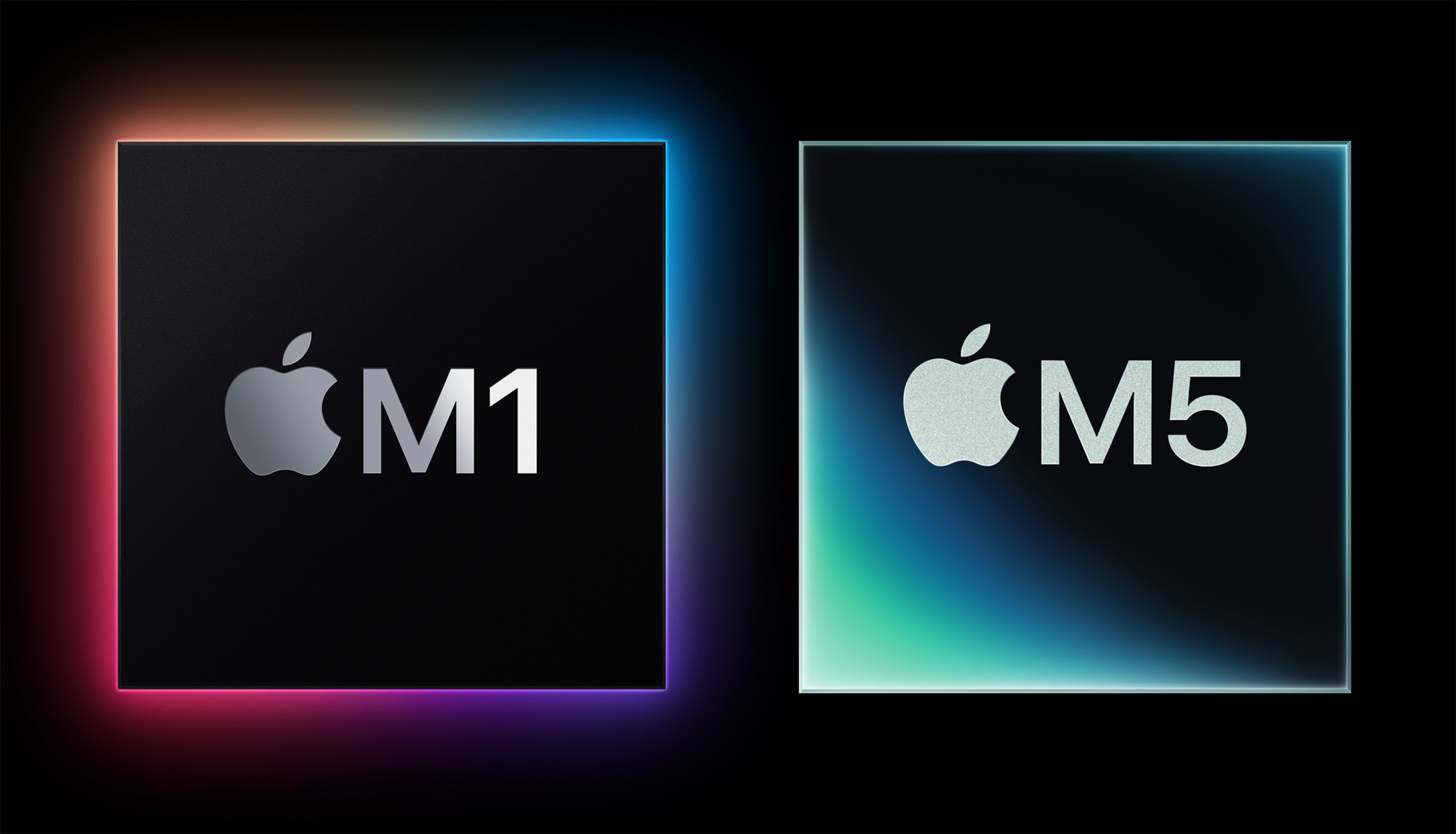
We are coming up on five years since the first M1 Macs shipped. It was an incredible time to be a Mac user. Those first Apple silicon Macs looked like the Intel machines they replaced, but they were better in every single way.

In December 2020, John Gruber wrote:

We knew this to be true: Computers could run fast and hot, or slow and cool. For laptops in particular, the best you could hope for is a middle ground: fast enough and cool enough. But if you wanted a machine that ran really fast, it wasn’t going to run cool (and wasn’t going to last long on battery), and if you wanted a computer that ran cool (and lasted long on battery), it wasn’t going to be fast.

We knew this to be true because that was the way things were. But now, with the M1 Macs, it’s not. M1 Macs run very fast and do so while remaining very cool and lasting mind-bogglingly long on battery. It was a fundamental trade-off inherent to PC computing, and now we don’t have to make it.

Continue reading ⇢

iOS 26.1 Beta 4 Adds Liquid Glass Transparency Toggle

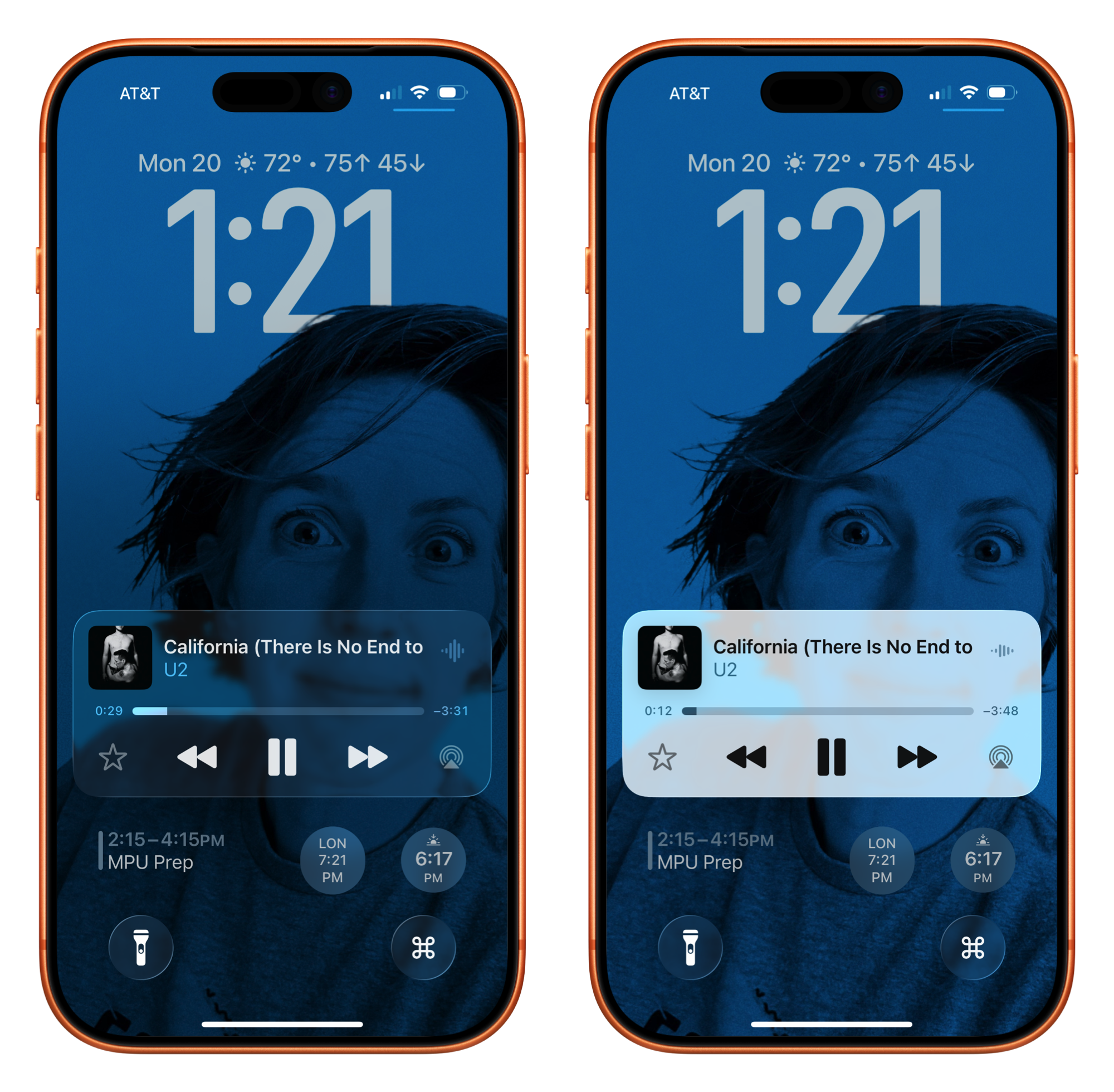
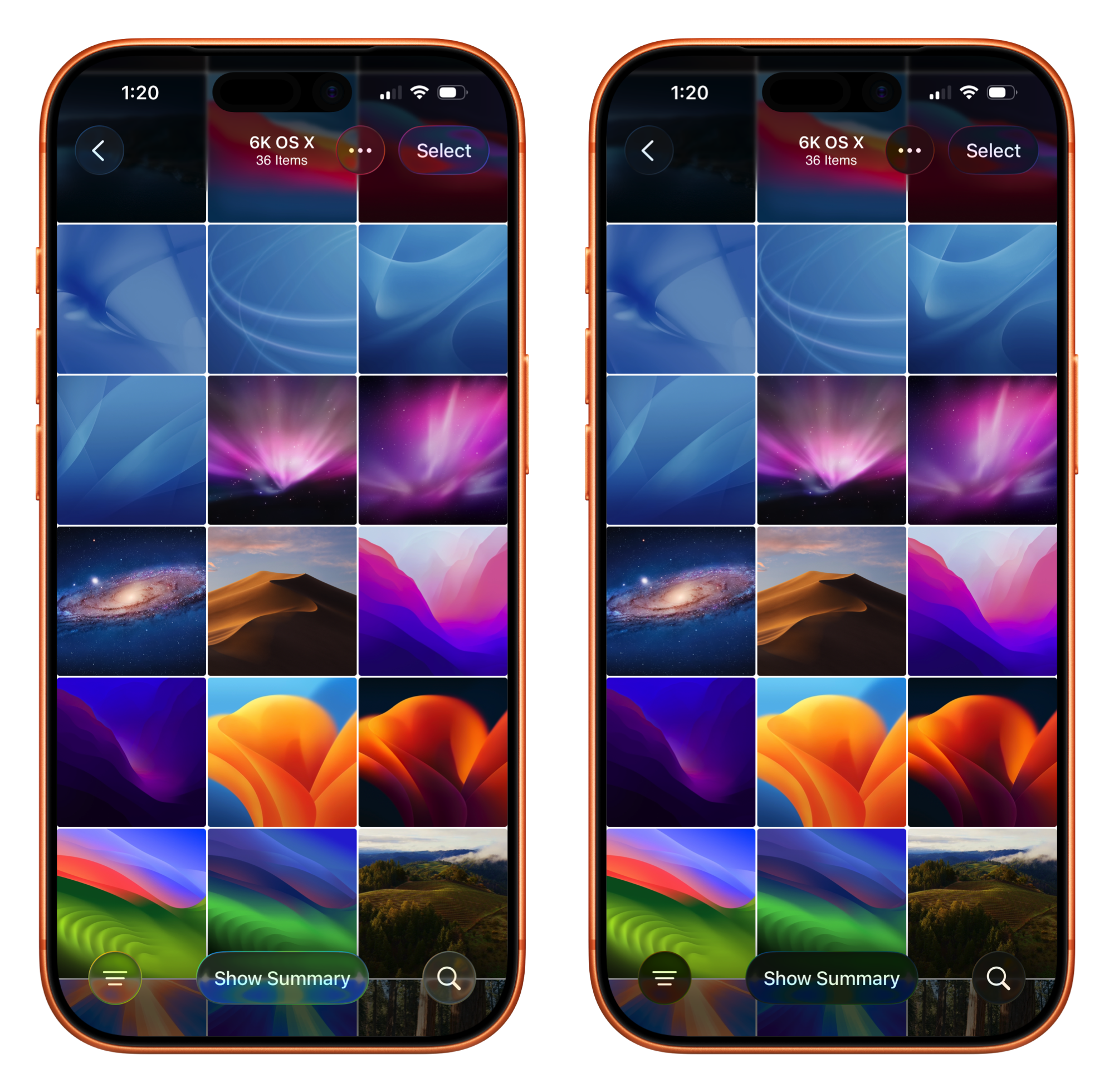
If you go to Settings > Display and Brightness on iOS, or System Settings > Appearance on the Mac, you’ll find a new toggle that lets you swap between two looks: Clear and Tinted. Clear is the look of Liquid Glass since iOS 26 launched, while Tinted adds opacity and contrast.

Here’s how the options look on the Lock Screen and in Photos:

Lock ScreenPhotos

This toggle being in the display settings with things like Dark Mode is interesting to me. I would have thought that a control like this would land in Accessibility…

Continue reading ⇢

Magic Lasso Adblock: 2.0x Faster Web Browsing in Safari⇢

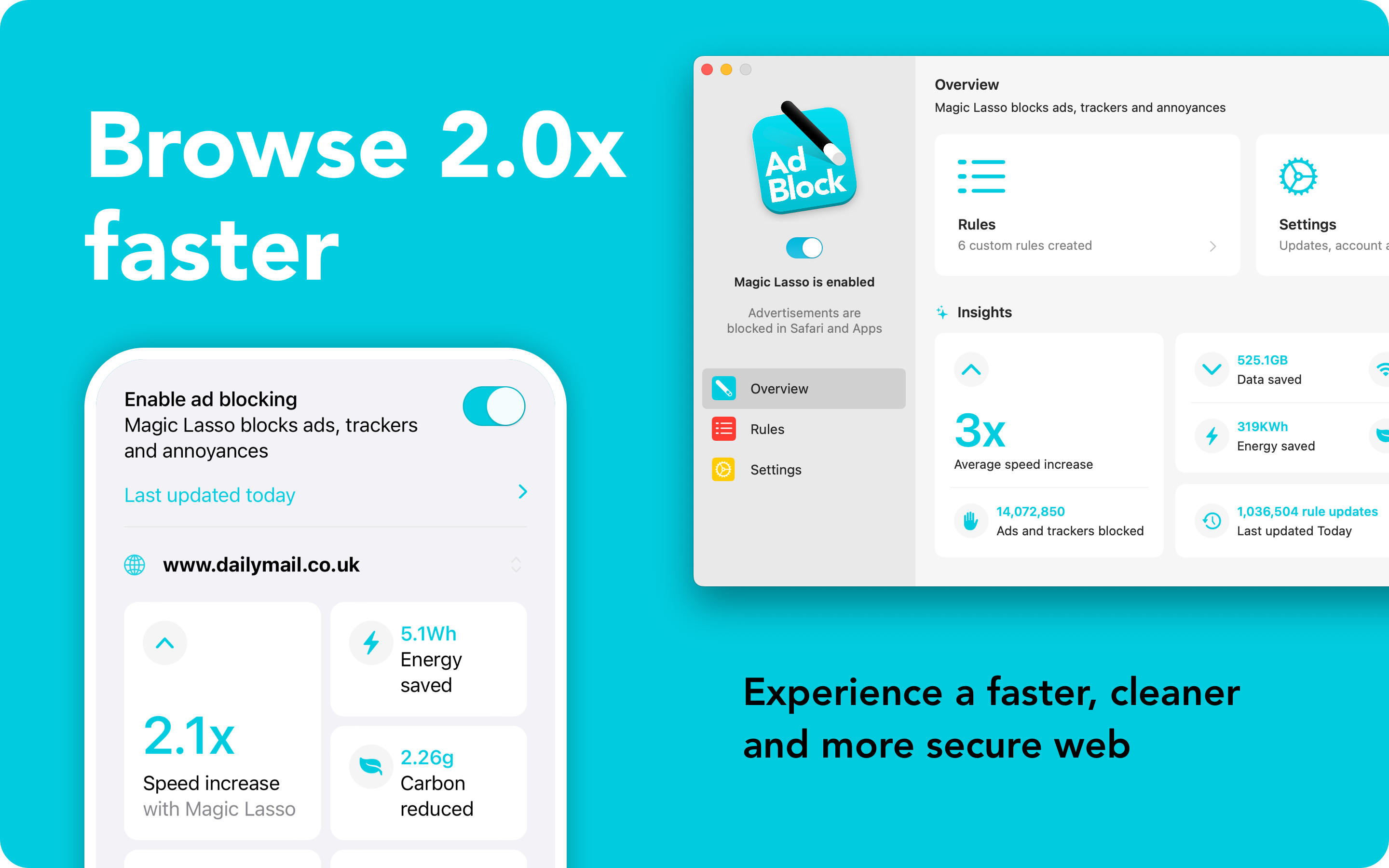
Want to experience twice as fast load times in Safari on your iPhone, iPad and Mac?

Then download Magic Lasso Adblock – the ad blocker designed for you.

Speed in Safari

As an efficient, high performance and native Safari ad blocker, Magic Lasso blocks all intrusive ads, trackers and annoyances – delivering a faster, cleaner and more secure web browsing experience.

By cutting down on ads and trackers, common news websites load 2x faster and browsing uses less data while saving energy and battery life.

Continue reading ⇢

iWeb in 2025⇢

Corbin Davenport:

I used iWeb back in the day to make early versions of my personal website, as well as websites for friends, before I started learning more about web development and switched to Adobe Dreamweaver. Apple only released two major updates to iWeb, with the last one arriving in the iLife ‘09 package. When the company migrated its cloud services from MobileMe to iCloud, the ability to publish personal websites was removed, and iWeb was finally discontinued in 2011.

Even though Apple’s web hosting services are long gone, you can still use iWeb and save your finished site to a local folder or FTP server. The last versions were Intel-native Mac applications, so iWeb should work all the way up to macOS 10.14 Mojave, released in 2018. It can’t run in newer macOS releases because Apple ripped out support for 32-bit applications.

The web has changed dramatically since 2011, so I thought it would be a fun experiment to revisit iWeb and see how its websites hold up to modern standards. I installed iWeb 3 on my old Mac Mini running Snow Leopard and got to work.

Continue reading ⇢

OpenAI Removes Dr. Martin Luther King Jr. From Sora Models

Since the launch of Sora 2, the system has been willing to generate video of just about any famous person doing just about anything. Over the last couple of weeks, OpenAI has been clamping down on many examples of this, but this particular one caught my eye:

In an unsigned statement on X:

The Estate of Martin Luther King, Jr., Inc. (King, Inc.) and OpenAI have worked together to address how Dr. Martin Luther King Jr.’s likeness is represented in Sora generations. Some users generated disrespectful depictions of Dr. King’s image. So at King, Inc.’s request, OpenAI has paused generations depicting Dr. King as it strengthens guardrails for historical figures.

While there are strong free speech interests in depicting historical figures, OpenAI believes public figures and their families should ultimately have control over how their likeness is used. Authorized representatives or estate owners can request that their likeness not be used in Sora cameos.

Continue reading ⇢

Apple Announces the M5, Powering an Updated MacBook Pro, iPad Pro, and Vision Pro

Apple Newsroom:

Apple today announced M5, delivering the next big leap in AI performance and advances to nearly every aspect of the chip. Built using third-generation 3-nanometer technology, M5 introduces a next-generation 10-core GPU architecture with a Neural Accelerator in each core, enabling GPU-based AI workloads to run dramatically faster, with over 4x the peak GPU compute performance compared to M4.1 The GPU also offers enhanced graphics capabilities and third-generation ray tracing that combined deliver a graphics performance that is up to 45 percent higher than M4.1 M5 features the world’s fastest performance core, with up to a 10-core CPU made up of six efficiency cores and up to four performance cores.2 Together, they deliver up to 15 percent faster multithreaded performance over M4.1 M5 also features an improved 16-core Neural Engine, a powerful media engine, and a nearly 30 percent increase in unified memory bandwidth to 153GB/s.1 M5 brings its industry-leading power-efficient performance to the new 14-inch MacBook Pro, iPad Pro, and Apple Vision Pro, allowing each device to excel in its own way. All are available for pre-order today.

“M5 ushers in the next big leap in AI performance for Apple silicon,” said Johny Srouji, Apple’s senior vice president of Hardware Technologies. “With the introduction of Neural Accelerators in the GPU, M5 delivers a huge boost to AI workloads. Combined with a big increase in graphics performance, the world’s fastest CPU core, a faster Neural Engine, and even higher unified memory bandwidth, M5 brings far more performance and capabilities to MacBook Pro, iPad Pro, and Apple Vision Pro.”

Continue reading ⇢