
Do you remember “Everything is a Remix,” the series of work by Kirby Ferguson? His main premise is that almost all the creative work we see in the world derives inspiration from what came before it.
I think Apple’s just-announced HomeView may be the latest entry in the list of things that prove Ferguson’s point.
To put it in another set of terms: the HomeView is “new but somehow familiar,” to borrow a Jony Ive phrase. I think it applies to just about every aspect of this product.
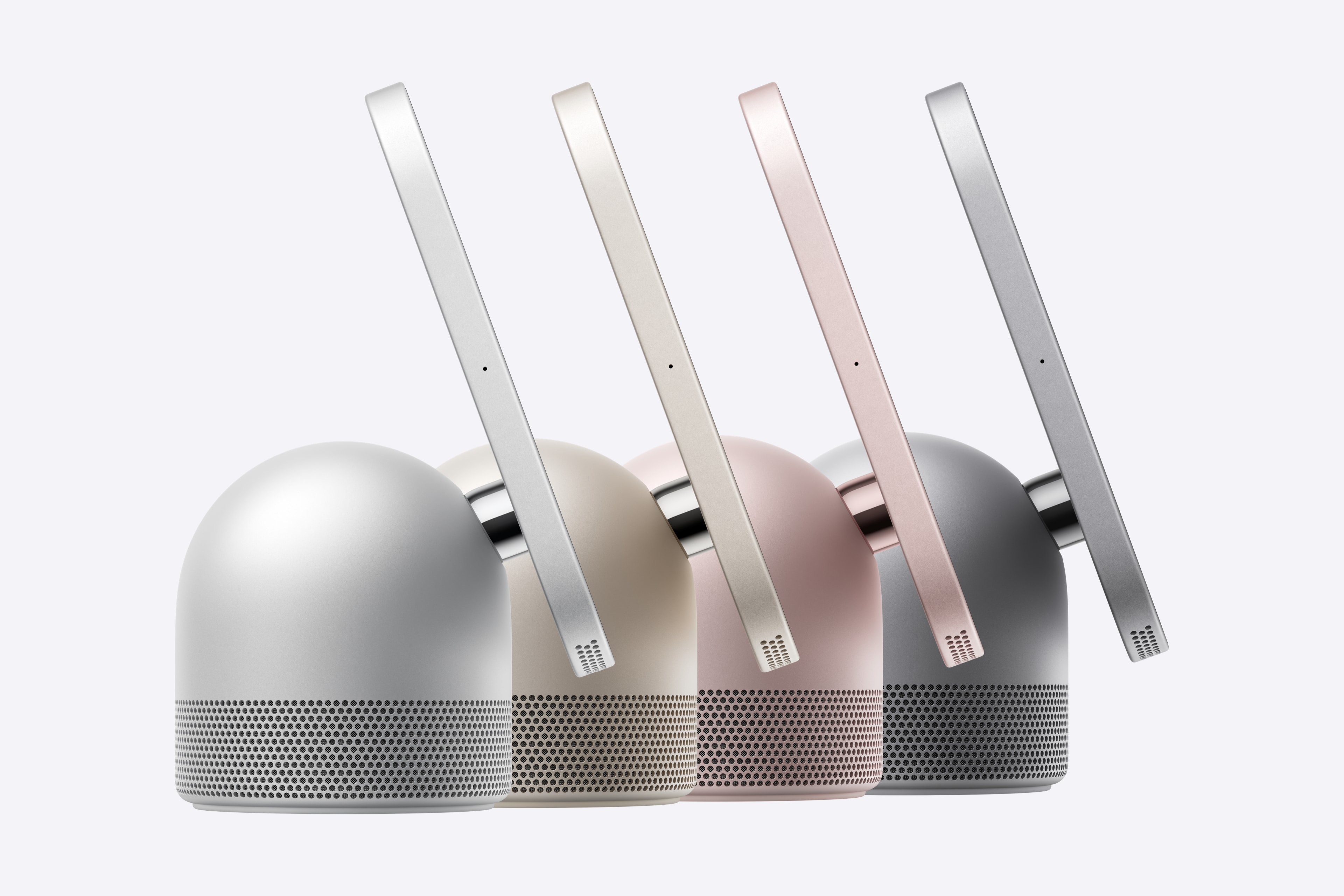
The HomeView’s existence is not a surprise, as it was rumored for ages. With it, Apple has moved into a space previously occupied mostly by products from Google (Nest?) and Amazon, albeit at a higher price point. What does that $299 price get you?
Hardware
Right off the bat, we have to address something — a bunch of people have compared it to the iMac G4:
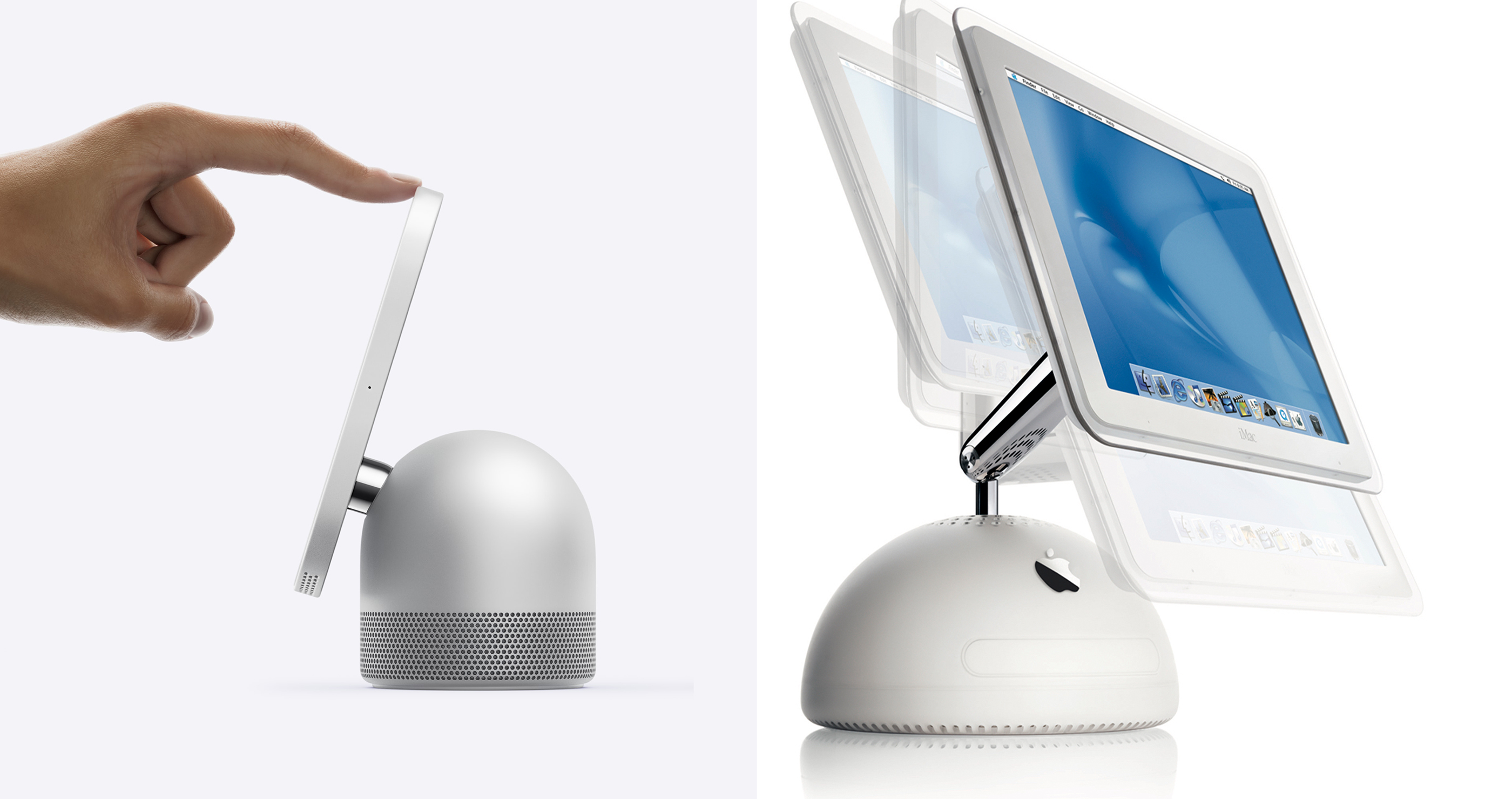
I mean, come on. Sure, the HomeView’s 7-inch square display doesn’t move in all the ways the iMac’s display did, but I’ll take a hit of that sweet nostalgia. If the next version includes a larger display with more flexibility, I may pass out.
From the front, the HomeView strongly resembles an Apple Watch sized for a giant. The aluminum base looks right at home in Apple’s lineup, and should wear much better than the fabric-covered HomePods, especially in a kitchen.
I am very curious as to how it sounds. The base and its included woofer aren’t that big, and Apple has put some of the speakers in the display to compensate. I assume Apple has done a good job here, but I’m looking forward to hearing one myself.
Apps & Services
Here are the biggest remixes. The clock face looks a lot like Apple Watch faces1 and iOS’ StandBy had a baby:
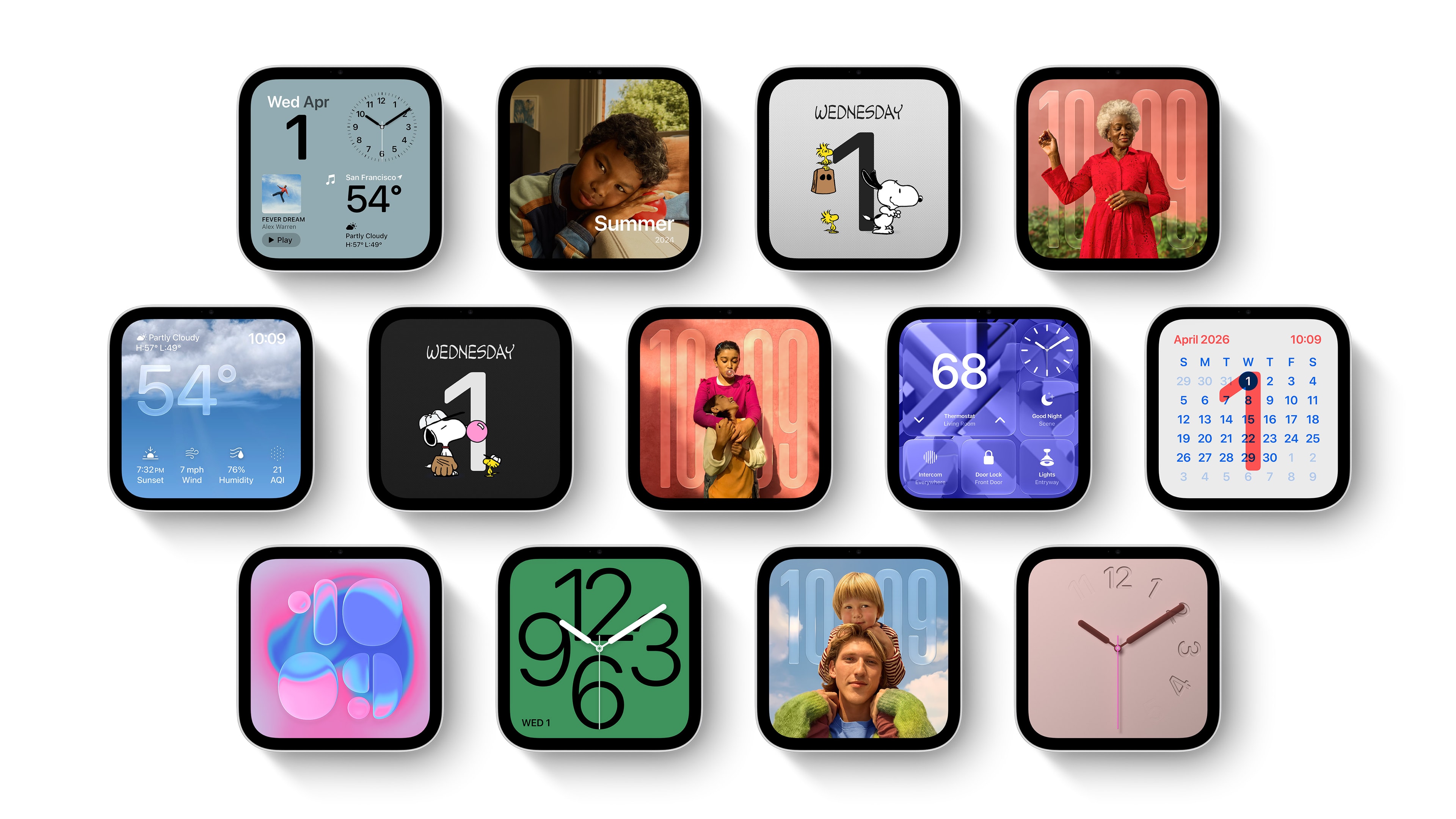
I love the customization here; I think finding a setup that matches your space will be totally doable.
Apple’s own apps follow this same trajectory. Reminders, Home, Music, Podcasts, and more look like themselves, just tweaked for the form factor. If your life is in these apps, the HomeView will be much more useful.
A lot of that comes down to the third-party app story, which is … weird. Unlike basically every other part of Apple’s ecosystem, the HomeView does not have an App Store. Instead, it has Apple’s built-in apps and “compatible third-party audio and video apps.”
Under the hood, it seems that some of these apps will be projected from the user’s iPhone, not unlike CarPlay apps. Here is a bit from Julian Chokkattu’s article at Wired:
It doesn’t have an App Store. Instead, Apple has a curated selection of apps, including FaceTime, Messages, and Safari. A handful of third-party media apps like Spotify are available, and developers can bring over existing CarPlay apps. If your iPhone already has one of these CarPlay apps installed, it can automatically appear on the HomeView after setup. (There are no video streaming apps like YouTube, Netflix, or Disney+, but if those companies choose to make their apps available on the CarPlay framework, they will show up on the HomeView; for now, you’ll have to consume videos by using the Safari browser.)
Will the HomeView become a carrot for developers to support CarPlay? I doubt it, but time will tell.
This may seem like it goes against my premise that the HomeView is a remix, but I don’t think it does. Instead of an App Store, HomeView relies on Apple’s first-party apps and the user’s iPhone — and the apps that are already on that device. The glue holding most of that together? A mix of iCloud and Continuity.
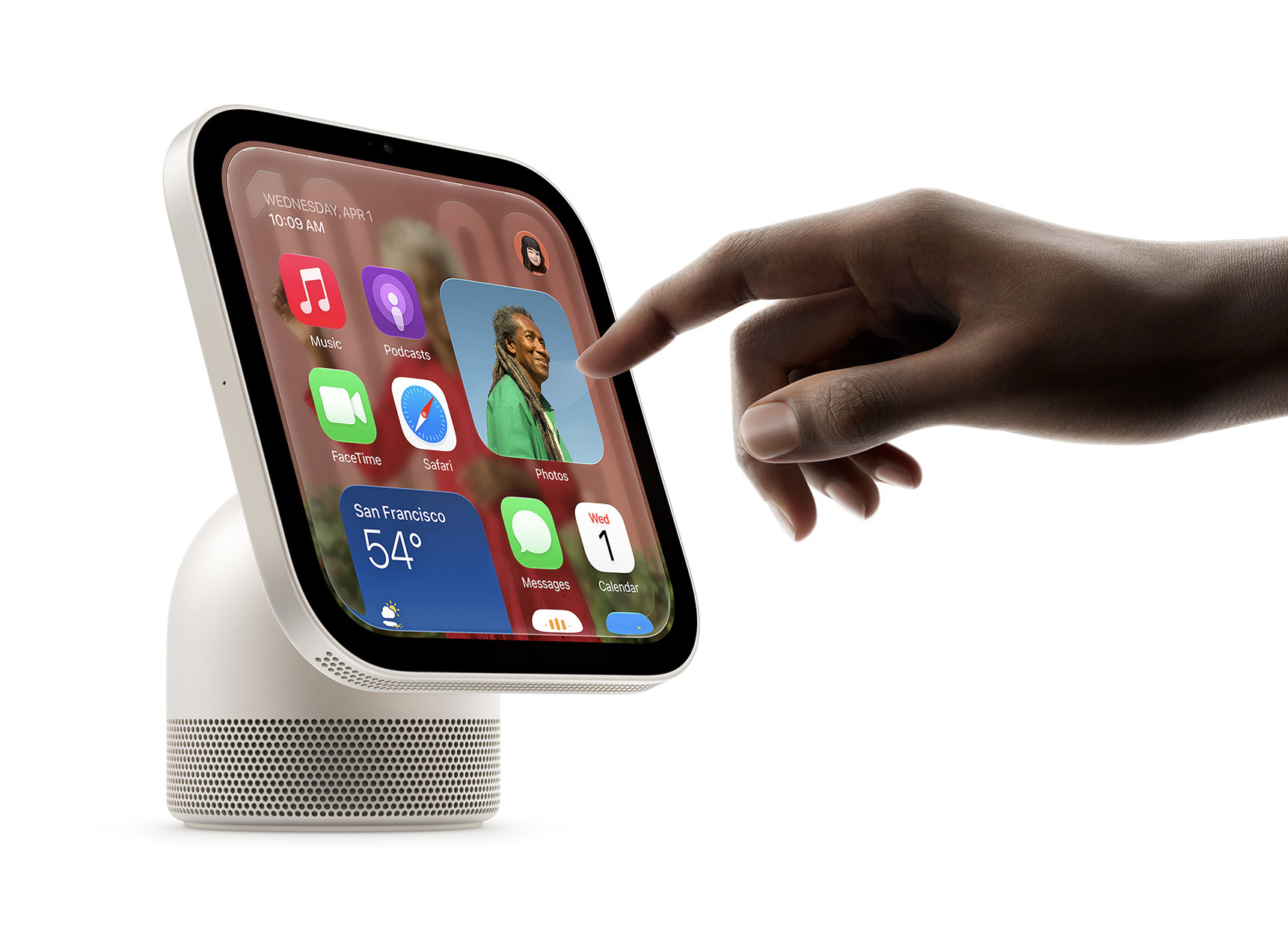
Whatever apps are available, they are all accessible on a scrolling screen intermixed with widgets. Apple hasn’t shared a lot of information about this — the HomeView isn’t even on the developer website as of this writing — but Apple has a couple of ways that widgets can show up across devices.
Back in macOS Sonoma, Apple added the ability to show iPhone widgets on the Mac. In iOS 26, CarPlay gained support for iPhone widgets as well. I fully expect that all third-party iOS widgets will be able to run on the HomeView, just as they do on the Mac.2
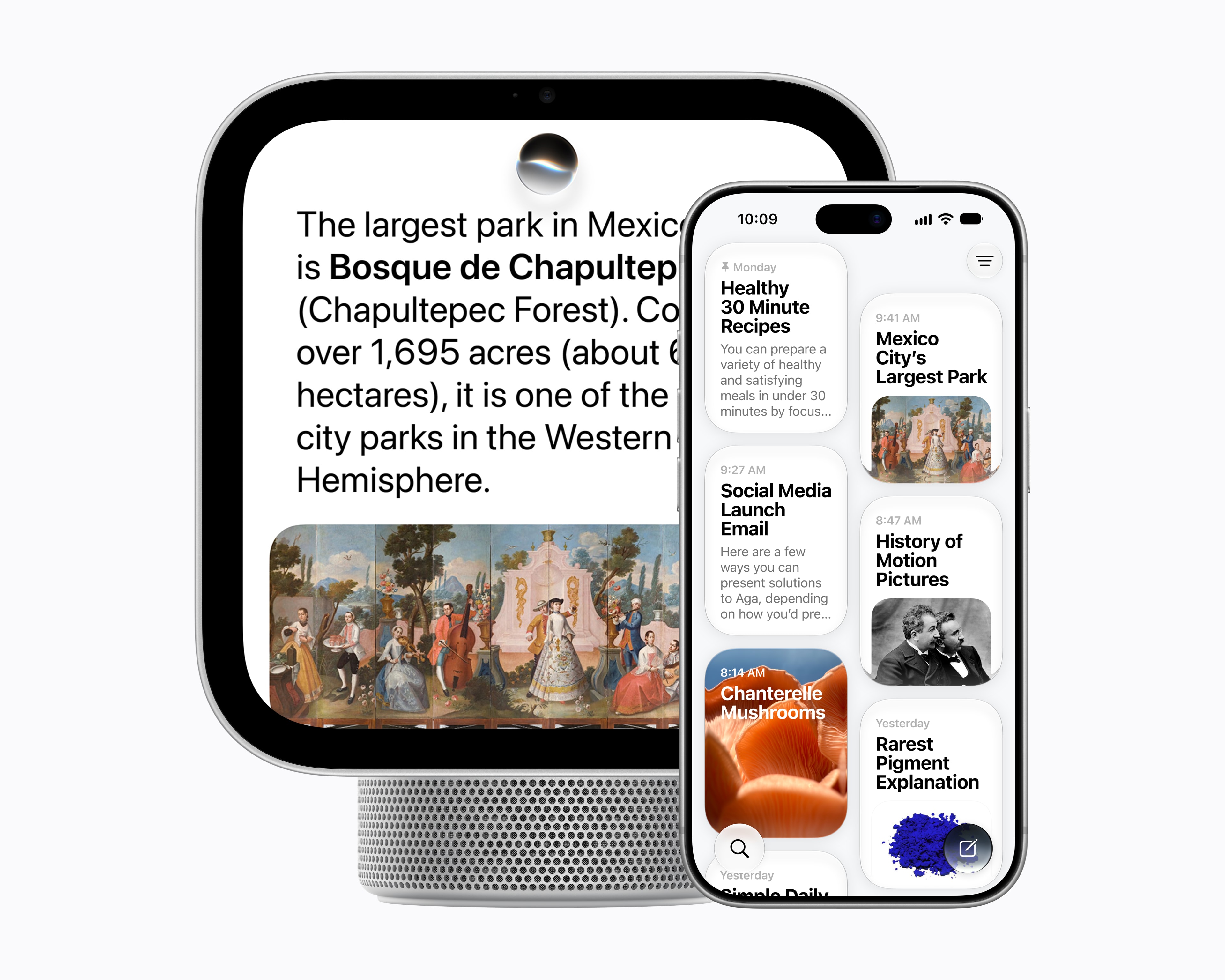
Then there’s Siri AI, which is at the heart of the product, and supposedly why it didn’t ship a year ago. The HomeView taps into your personal context, just like your iPhone, iPad, and Mac. That means it should be able to extract details from your messages, emails, notes, calendar, and more in response to a query. Siri AI can also pull from its world knowledge and will sync conversations back to the Siri app on your iPhone.
Smart Home Controls
In addition to Apple’s first-party apps making it more useful, the HomeView’s value also comes from Apple’s smart home platform, which has seen both ups and downs over the years, but this product is a clear message from Apple that it believes in HomeKit.
The HomeView can easily become a smart home controller, with controls for your favorites. In most of Apple’s press photos, these controls are front and center, like this one of the wall-mounted version.
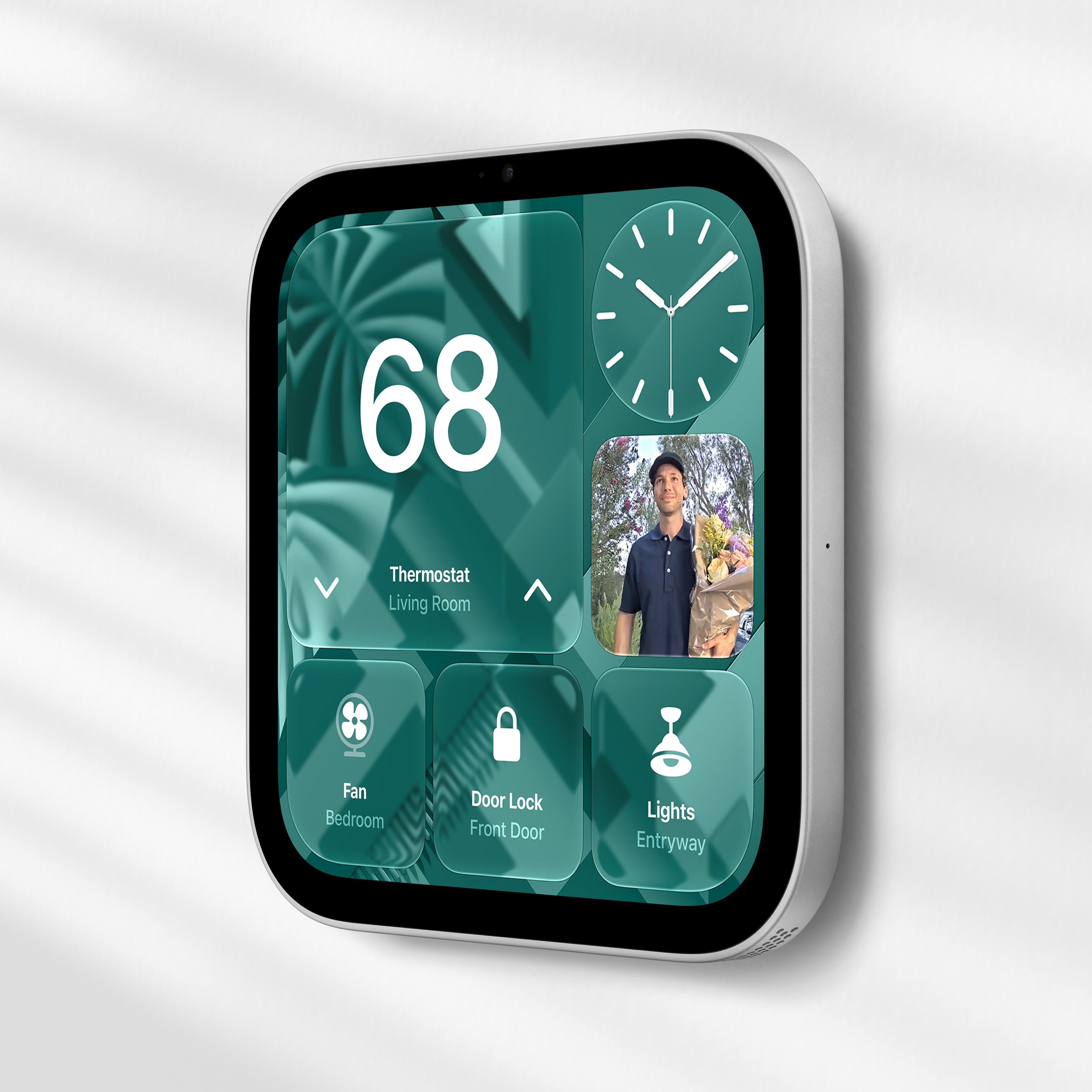
I run Home Assistant behind the scenes, but my family interacts with things like smart plugs and the garage door3 using HomeKit, usually via one of the HomePod minis4 I have placed around the house.
This has led to some frustration over the years when a HomePod doesn’t hear them correctly. Tapping a button would certainly clear that up.
Multiple Users
We now have a mix of hardware and software and services, but the HomeView goes one step further than some of Apple’s other products with its support of up to six users. Here’s a bit from Apple’s press release:
HomeView recognizes up to six people and delivers a personalized experience for each one. Each user gets their own personalized Home Screen with apps and widgets. Personal content stays private from others, while shared photo albums and music can be easily enjoyed by everyone in a household, including guests.
This recognition can be via sight (with the HomeView’s built-in Center Stage camera) or by voice, as shown in Apple’s promo video:
The video shows this working in a lightning-fast way, and I hope that is true. Out of everything about this product, this is the feature I am most curious about. I have had very mixed results with personal requests on my HomePod minis.
The Apple Way
The HomeView doesn’t bring that much new to the table in terms of raw innovation. Instead, it’s like some product folks walked around Apple Park, picked some of the best parts of the company’s ecosystem, and baked them into one device.
That is by no means a complaint on my part. As someone steeped in Apple’s ecosystem, I love that my notes and tasks and bookmarks and messages and events are on all of my devices, all of the time. The HomeView is a new surface for that content and information, and a showcase of what Apple can do when its various teams work together on something new.
-
Apple, if there was ever a time to allow developers to make watch faces, it’s now. ↩︎
-
Which I am obviously a fan of, given my work on Widgetsmith. (Does that mean I can expense my HomeView?) ↩︎
-
Apple also announced a slew of HomeKit-compatible devices, born from partnerships with LG and Schneider Electric. Most of the products look nice, but have alternatives on the market now with lower price tags. I am sure some folks will pick these up when “select accessories [become] available starting early 2027,” but I think this announcement is a bit of a nothingburger. ↩︎
-
(HomePods mini?) ↩︎