Exploring MacPaint’s Source Code⇢

MacPaint was one of the Mac’s original first-party applications, and was written by Bill Atkinson himself. Jeffrey Starr has published an in-depth look at the application’s source code:

One of two launch applications for the Apple Macintosh in 1984, MacPaint is emblematic of the Macintosh’s early quirky revolutionary branding, focus on ease of use, and appeal to artistic customers. Using the source code, we examine the design and implementation of the application. We find that the buffer management and bucket filling algorithms demonstrate mechanical empathy with the 68k platform and leverage the limitations of the domain as a means to improve performance. We also find positive and negative aspects in the code style and architecture and its pliability for change. Finally, we dispute some claimed novel aspects of the program while also arguing for its significance and impact on the development of digital graphic systems.
Continue reading ⇢

Running an LLM on a 12-inch PowerBook⇢

Andrew Rossignol has done what I was sure was impossible:

I have been diving into the world of large language models (LLMs), and a question began to gnaw at me: could I bring the cutting-edge of AI to the nostalgic glow of my trusty 2005 PowerBook G4? Armed with a 1.5GHz processor, a full gigabyte of RAM, and a limiting 32-bit address space, I embarked on an experiment that actually yielded results. I have successfully managed to achieve LLM inference on this classic piece of Apple history, proving that even yesteryear’s hardware can have a taste of tomorrow’s AI.

Continue reading ⇢

The Performa 550’s Secret Partition⇢

Doug Brown:

This whole saga starts with a very interesting blog post written by Pierre Dandumont in 2022. Pierre’s (excellent) blog is in French — Google does a good job of translating it for me. He found a quote in a book referring to special functionality bundled with Apple’s Macintosh Performa 550 computer:

If Apple’s programmers, in creating the Performa series, were aiming to make idiot-proof computers, they were serious about it. The Performa 550 is an amazing case in point. When you run the included Apple Backup program (see Chapter 15), you get a little surprise that you didn’t count on: a hidden partition on your hard drive!

Continue reading ⇢

Karl Lagerfeld’s Collection of Wild iPods is for Sale⇢

John Voorhees, writing at MacStories:

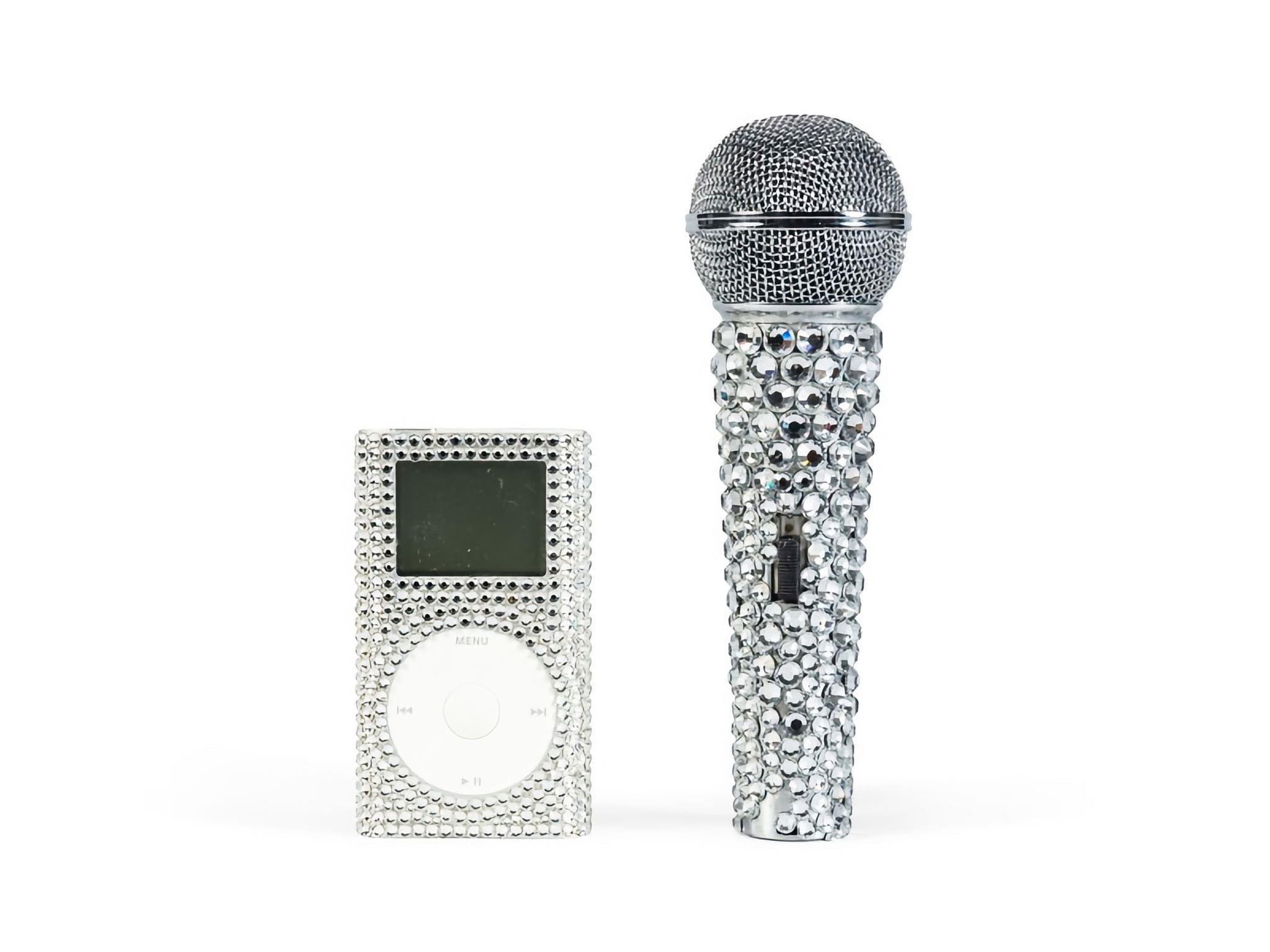
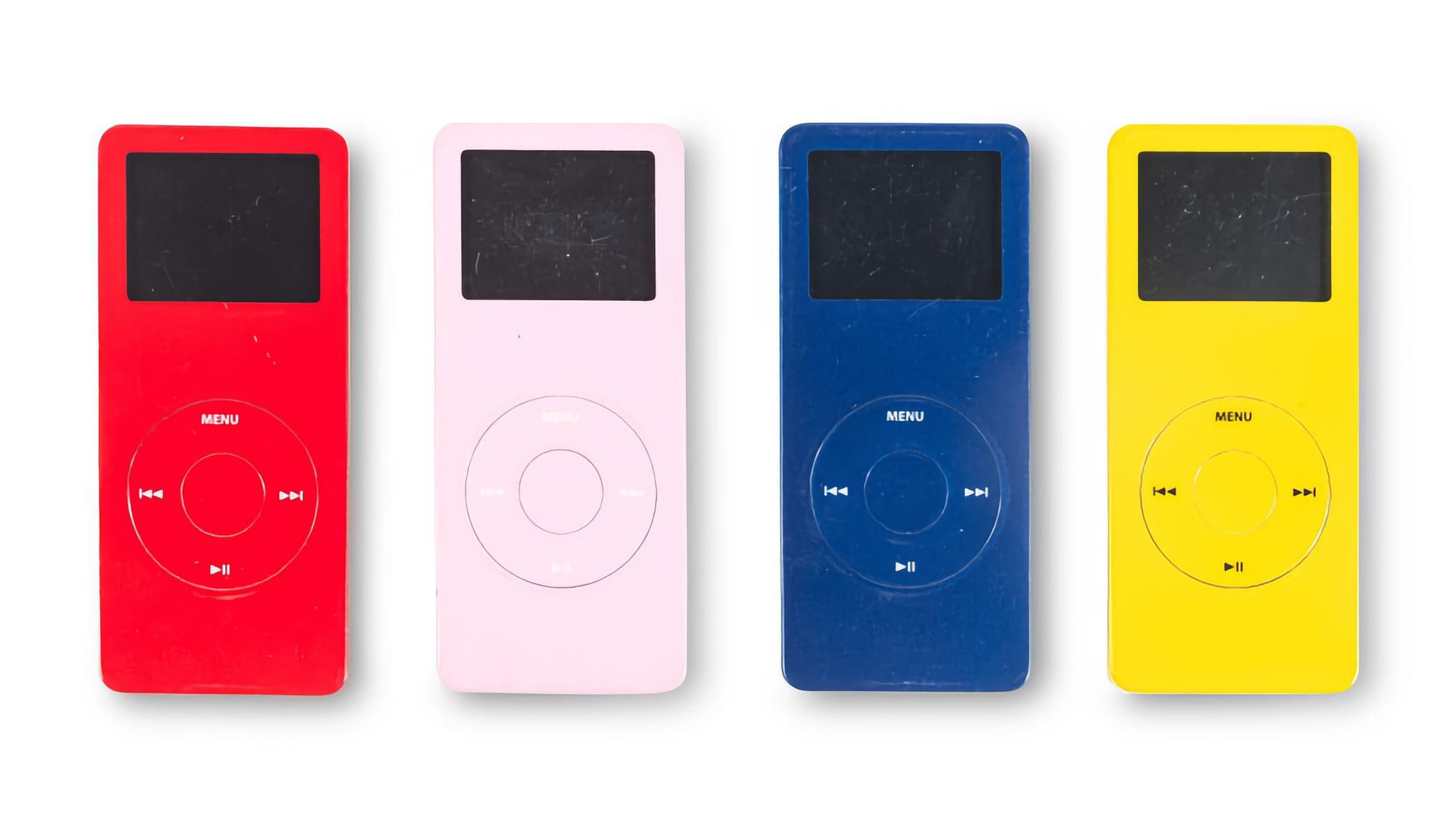
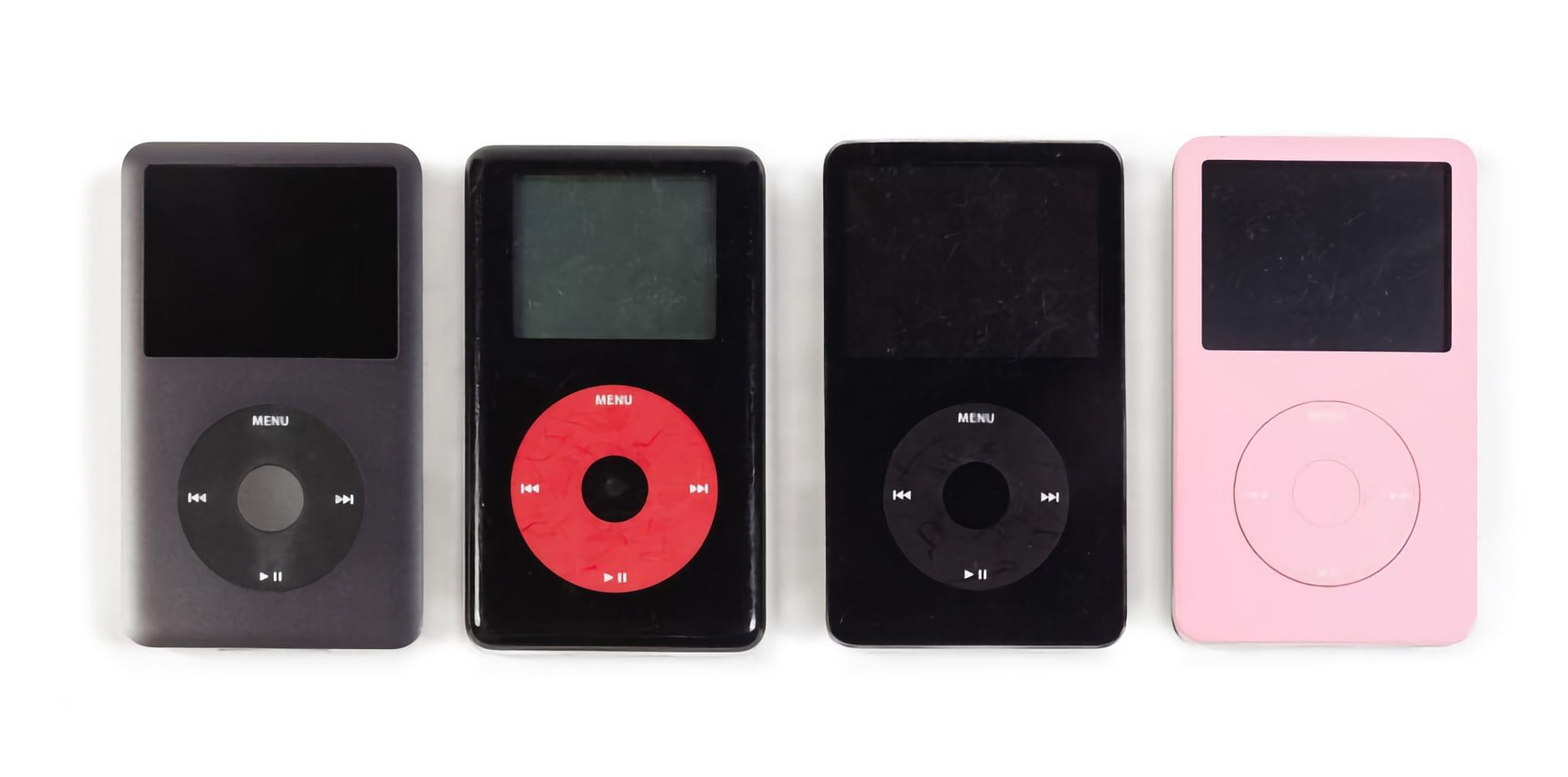
Sotheby’s is auctioning the estate of renowned designer Karl Lagerfeld. The auction house, which is auctioning the estate’s assets in multiple lots includes several collections of classic iPods and custom iPods…

Just look at some of these things:

Custom iPod nanoCustom iPod classicsShiny iPods

Sotheby’s posted this video to Instagram, highlighting the collection:

View this post on Instagram

A post shared by Sotheby’s (@sothebys)

Continue reading ⇢

The Story Behind the Initial Iteration of the Mac OS X Dock

On January 5, 2000, Steve Jobs unveiled the Aqua user interface for the very first time. Stylistically, it was a bold departure from what had come before, and was no doubt created with the iMac G3 in mind.

The changes were more than skin deep, and no where was the influence of NeXT’s software more evident than the Dock, a place for users to stash documents, an easy way to launch applications, and generally anchor the user interface to the bottom or side of the screen.

Continue reading ⇢

2005: The End of the Mac’s PowerPC Era

In January 2006, the first Intel Macs were announced. We’ll deal more with that anniversary in a year, but for now, it’s worth walking through the final full year of PowerPC Macs.

Transitions happen for a reason, and exploring those reasons can tell us a lot about the priorities of the parties involved.

When the Mac moved from x86 to Apple silicon a few years ago, it was partially because Intel wasn’t delivering what Apple needed and partially because Apple was in a place with its own chips that the Mac would be radically better after the transition.

Continue reading ⇢

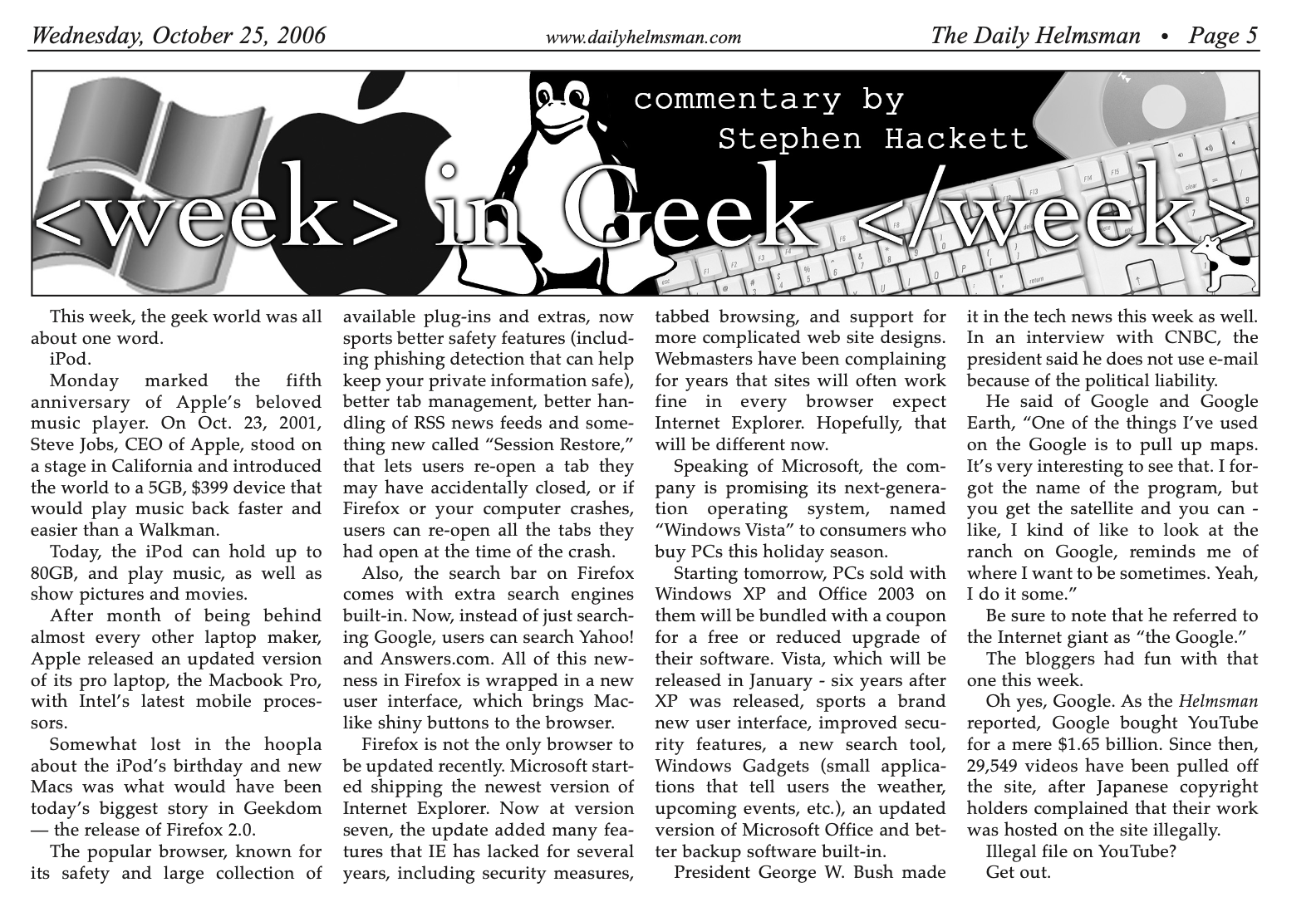
The iPod at 5 and ‘The Google’

I was recently moving some files around and came across a column I wrote for my college newspaper. I was on the design side of the paper1 and didn’t get to write that much. In the fall of 2006, I was given a short-lived column covering the tech news, and this entry is from October 25.

iPod at 5

This week, the geek world was all about one word.

iPod.

Monday marked the fifth anniversary of Apple’s beloved music player. On Oct. 23, 2001, Steve Jobs, CEO of Apple, stood on a stage in California and introduced the world to a 5GB, $399 device that would play music back faster and easier than a Walkman.

Continue reading ⇢

The Power Mac 4400

In November 1996, Apple released the Power Macintosh 4400 with a starting price of $1,725. Also sold as the Power Macintosh 7220, it’d be easy to write this machine off as just another grain of sand on the beige beach that was Apple’s product line in the 1990s. I mean, just look at this thing, pictured here with an Apple-branded CRT:

Power Mac 4400

If you were around the Mac line in the late 1990s, your blood probably ran cold when you saw the 4400’s name in the above headline.

Continue reading ⇢