
Kaitlin Salzke is an accountant, student and programmer who has built a library of OmniFocus automations. She joins David and Stephen to talk about using Javascript for automation, working on a PC during the week and pushing the boundaries of what macOS can do.
512 Pixels
The End of an Era
Sean Herber at The Iconfactory:
Twitterrific has been discontinued.
A sentence that none of us wanted to write, but have long felt would need to be written someday. We didn’t expect to be writing it so soon, though, and certainly not without having had time to notify you that it was coming. We are sorry to say that the app’s sudden and undignified demise is due to an unannounced and undocumented policy change by an increasingly capricious Twitter – a Twitter that we no longer recognize as trustworthy nor want to work with any longer.
Two days ago, @TwitterDev tweeted:
Twitter is enforcing its long-standing API rules. That may result in some apps not working.
This was met with a lot of head scratching, but today we know more, as Karissa Bell at Engadget reports:
In case there was any doubt about Twitter’s intentions in cutting off the developers of third-party apps, the company has quietly updated its developer agreement to make clear that app makers are no longer permitted to create their own clients.
The “restrictions” section of Twitter’s developer agreement was updated Thursday with a clause banning “use or access the Licensed Materials to create or attempt to create a substitute or similar service or product to the Twitter Applications.” The addition is the only substantive change to the 5,000-word agreement.
The change confirms what the makers of many popular Twitter clients have suspected in recent days: that third-party Twitter services are no longer permitted under Elon Musk’s leadership.
Clearly the “long-standing” bit of that tweet was a lie, and just like that, Twitter has greatly harmed numerous developers who have made their living making the Twitter ecosystem better.
Lisa Source Code Released to Mark Machine’s 40th Anniversary ⇢
Carina Sweet at The Computer History Museum:
Mountain View, CA – Jan. 19, 2023: The Computer History Museum (CHM), the leading museum exploring the history of computing and its impact on the human experience, today announced the public release and long-term preservation of the source code for the Apple Lisa, including its system and applications software, as part of its Art of Code series. Forty years ago today, Apple, Inc. released the Lisa computer, a milestone in computing history for its innovative use of a graphical user interface (GUI) in a personal computer (PC).
The source code can be downloaded here as a 7.2 MB zipped archive.
Connected #433: The Best Alarm is the Alarm ⇢
On this week’s episode of Connected, we covered Apple’s new Macs and the new HomePod, before pouring one out for third-party Twitter clients.
 On Connected Pro, Myke shares a secret about the future CEO of Apple.
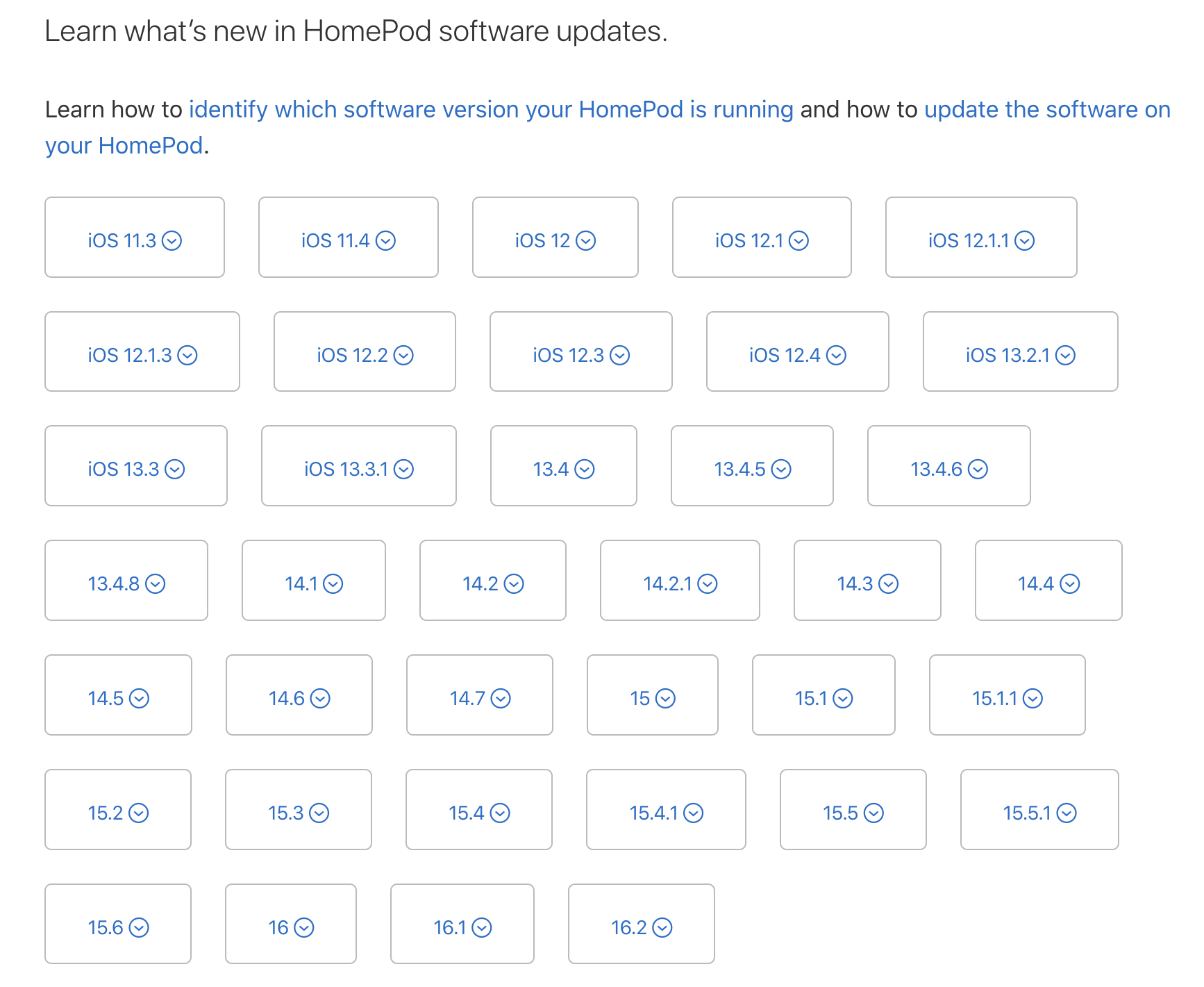
Kbase Article of the Week: About Software Updates for HomePod ⇢
Apple Celebrates Black History Month ⇢
The event includes a new Apple Watch band and face, an iPhone wallpaper and a bunch of content across Apple’s services.
Apple Announces Second-Generation HomePod ⇢
In its second product announcement in two days, Apple has unveiled a new HomePod: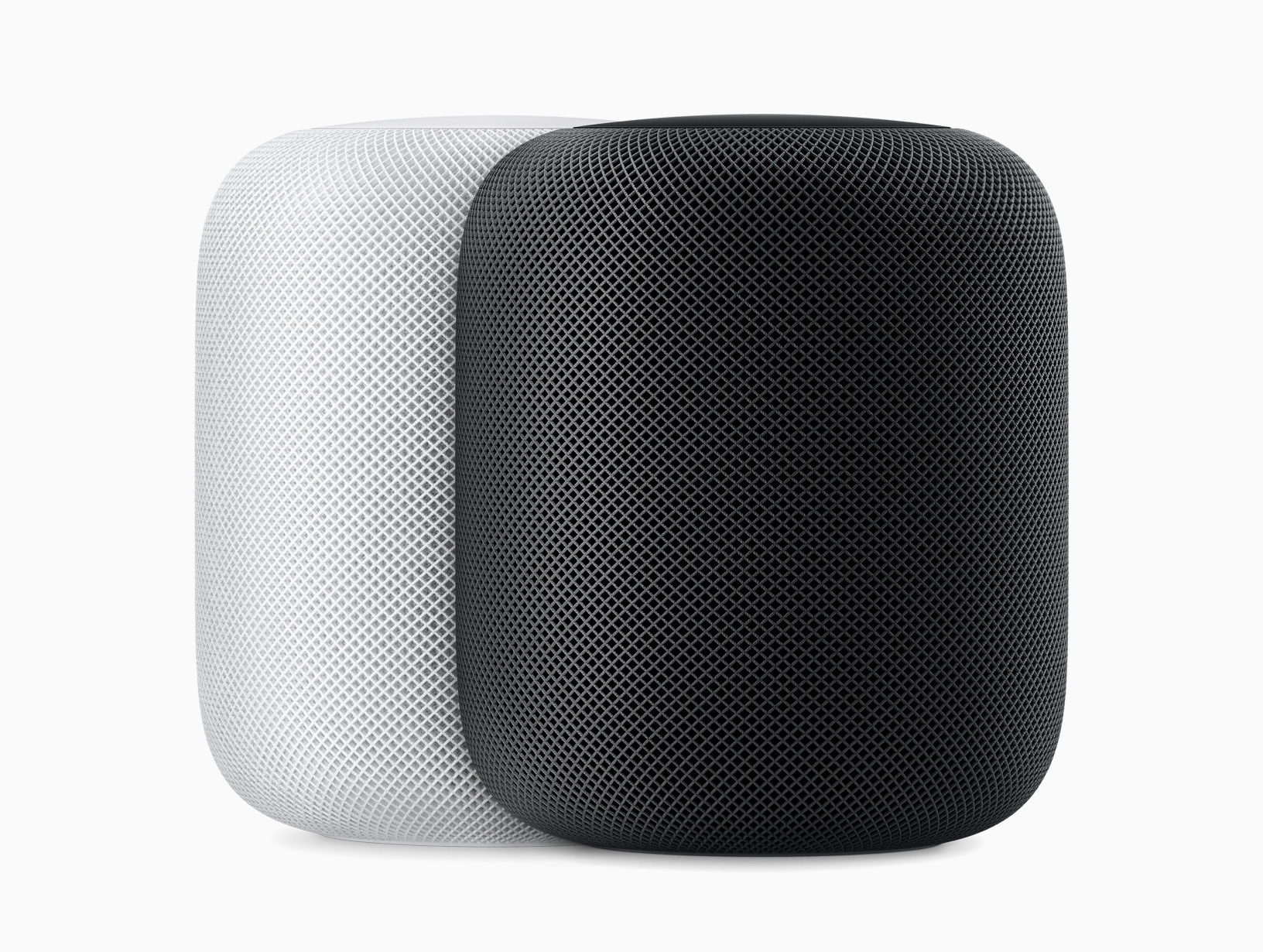
Oh shoot, that’s the original HomePod. Here’s an image of the new one:
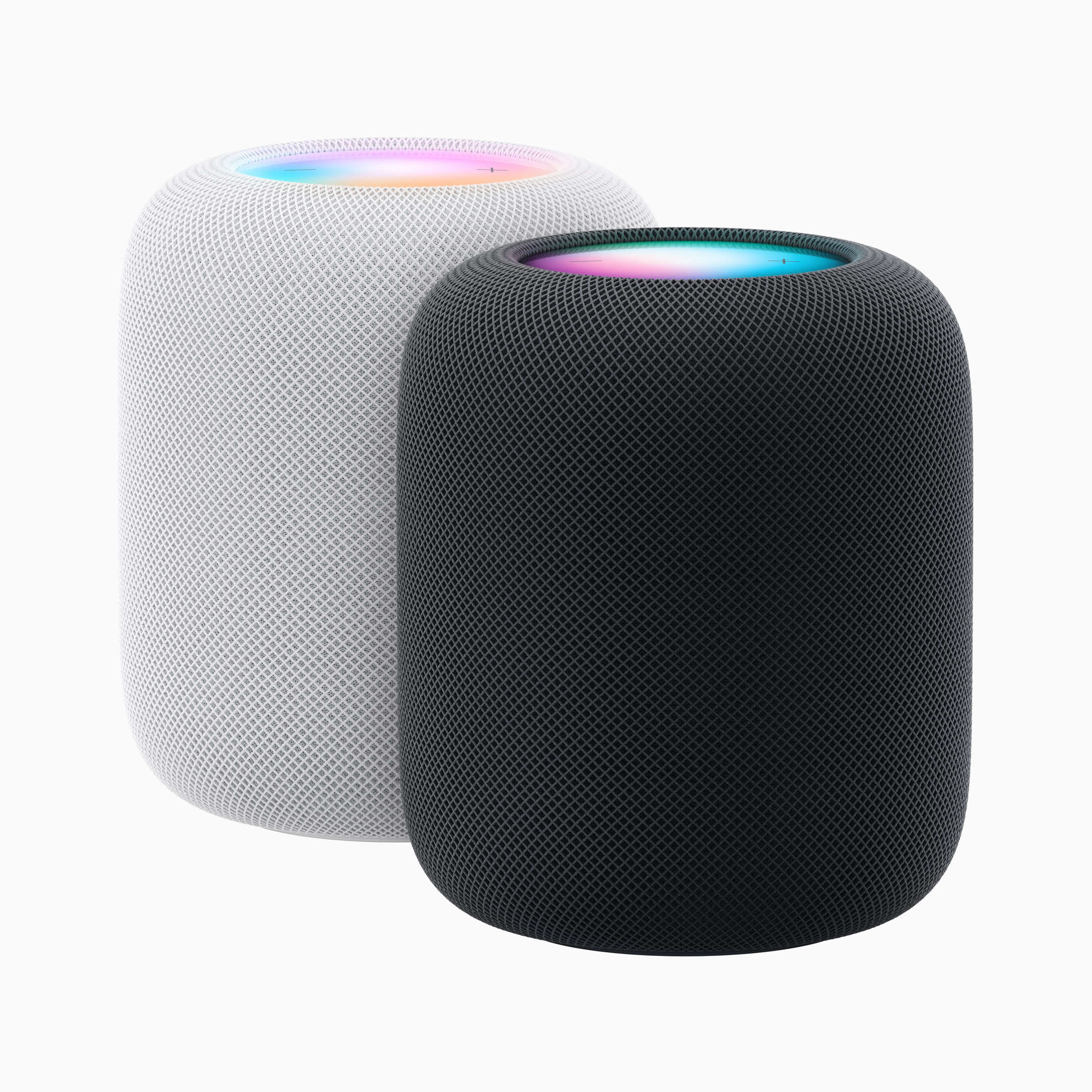
The two generations are very similar on the outside. The display at the top on the new one looks much more like what’s on the HomePod mini, and the new speaker comes in both white and midnight, but it’s hard to spot the differences in color in Apple’s images. Sadly, the big HomePod doesn’t come in the great colors its smaller sibling does.
On the inside, the HomePod has learned some new tricks, as outlined in the press release announcing it:
With Sound Recognition, HomePod can listen for smoke and carbon monoxide alarms, and send a notification directly to the user’s iPhone if a sound is identified. The new built-in temperature and humidity sensor can measure indoor environments, so users can create automations that close the blinds or turn on the fan automatically when a certain temperature is reached in a room.
(The HomePod mini apparently also has a temperature and humidity sensor lurking inside. It should be enabled with iOS 16.3)
Those seem like great additions, as does Matter support, which arrives with this new HomePod as well. It also supports Ultrawide Wideband for audio handoff, eARC, Find My and more. The HomePod is powered by the S7 system on a chip which debuted in 2021’s Apple Watch Series 7. This means the HomePod is limited to 802.11n for Wi-Fi and Bluetooth 5.0.
These features are outlined in Apple’s video:
The new HomePod is $299, which is what the original HomePod went for by the end of its life, down from the original’s initial price of $349. Compared to the $99 HomePod mini, I’m hard pressed to see the $299 price as a great value, but if it sounds as good as the original did, I’m sure it will find its fans. Order open today, and the HomePod ships on February 3.
‘Extremely Hardcore’ ⇢
If you want to know just how bad things are inside Twitter, this piece has it all. The graph on the left side of the page is particularly good.
Apple Announces Updates to MacBook Pro, Mac mini
The 14- and 16-inch MacBook Pros have been bumped to the new M2 Pro and M2 Max chips. Apple even put together a short video with all the news:
The specs for these new machines are just bonkers, with up to 12-core CPUs, 38-core GPUs and 96 GB of unified memory. Here’s a bit from the press release:
Apple today announced the new 14- and 16-inch MacBook Pro featuring M2 Pro and M2 Max, Apple’s next-generation pro silicon that brings even more power-efficient performance and battery life to pro users. With M2 Pro and M2 Max — the world’s most powerful and efficient chip for a pro laptop — MacBook Pro tackles demanding tasks, like effects rendering, which is up to 6x faster than the fastest Intel-based MacBook Pro, and color grading, which is up to 2x faster. Building on the unprecedented power efficiency of Apple silicon, battery life on MacBook Pro is now up to 22 hours — the longest battery life ever in a Mac. For enhanced connectivity, the new MacBook Pro supports Wi-Fi 6E,3 which is up to twice as fast as the previous generation, as well as advanced HDMI, which supports 8K displays for the first time.1 With up to 96GB of unified memory in the M2 Max model, creators can work on scenes so large that PC laptops can’t even run them.4 Rounding out the unrivaled features of MacBook Pro are its renowned Liquid Retina XDR display, extensive array of connectivity, 1080p FaceTime HD camera, six-speaker sound system, and studio-quality mics.

The new MacBook Pros come in the same excellent designs Apple unveiled back in October 2021.
On the desktop side of things, the Mac mini was updated to the same M2 system on a chip that first shipped in the new MacBook Air and some other computer in June 2022. The new system starts at $599, but the bigger news is that Apple has also shipped a Mac mini with the M2 Pro. That machine starts at $1,299 with a 10-Core CPU, a 16-Core GPU, 16 GB of unified memory and 512 GB of storage.

Notably, the M2 Pro Mac mini has marked the end of the line for the 2018 Intel model, which was on sale until today. It always struck me as odd that the M1 Pro only ever appeared in the MacBook Pro, so I’m glad to see the Mac mini get the M2 version.
Like the MacBook Pro, the new Mac mini ship starting January 24. While we wait, we can all bask in these ridiculous numbers:
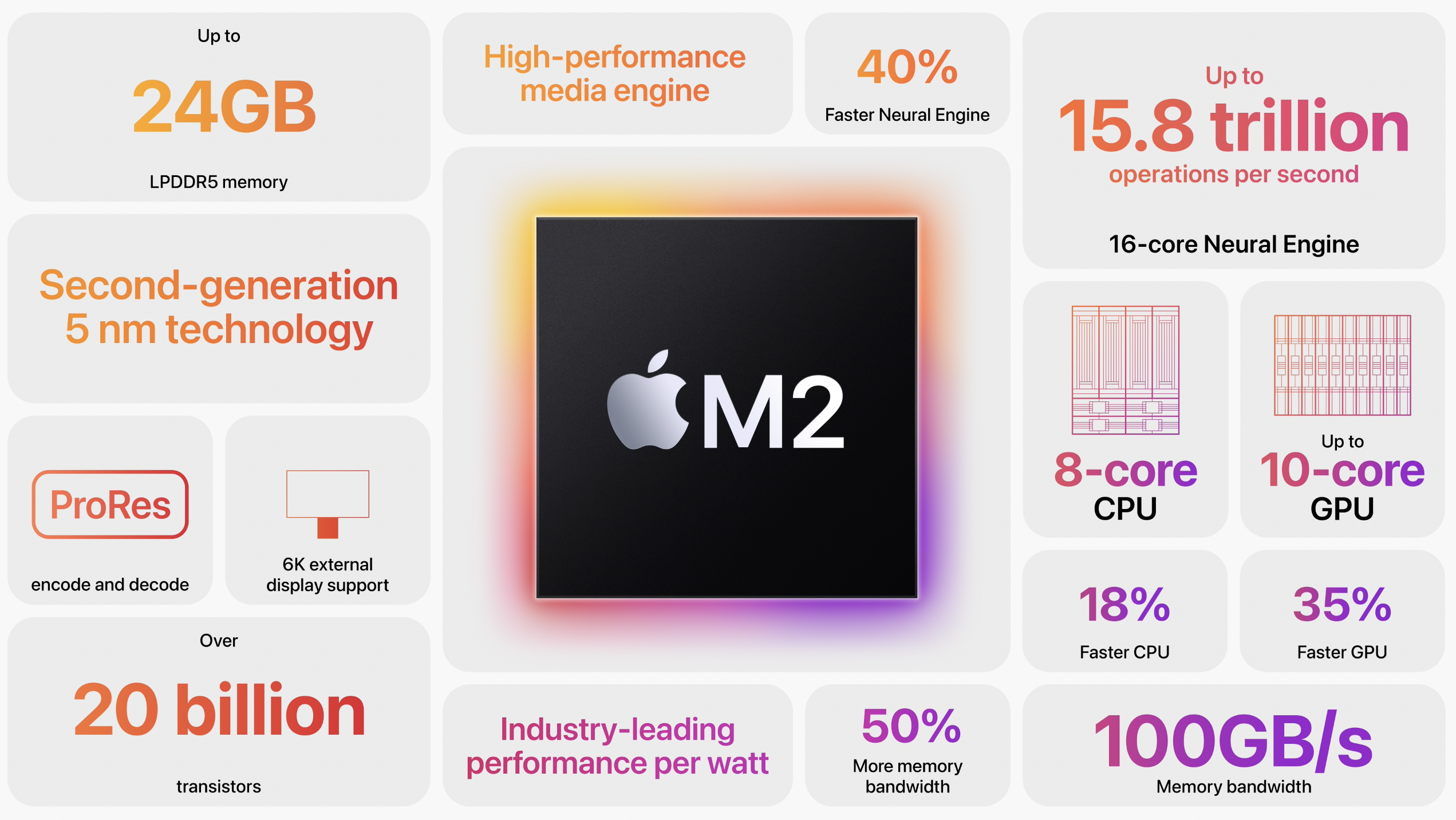

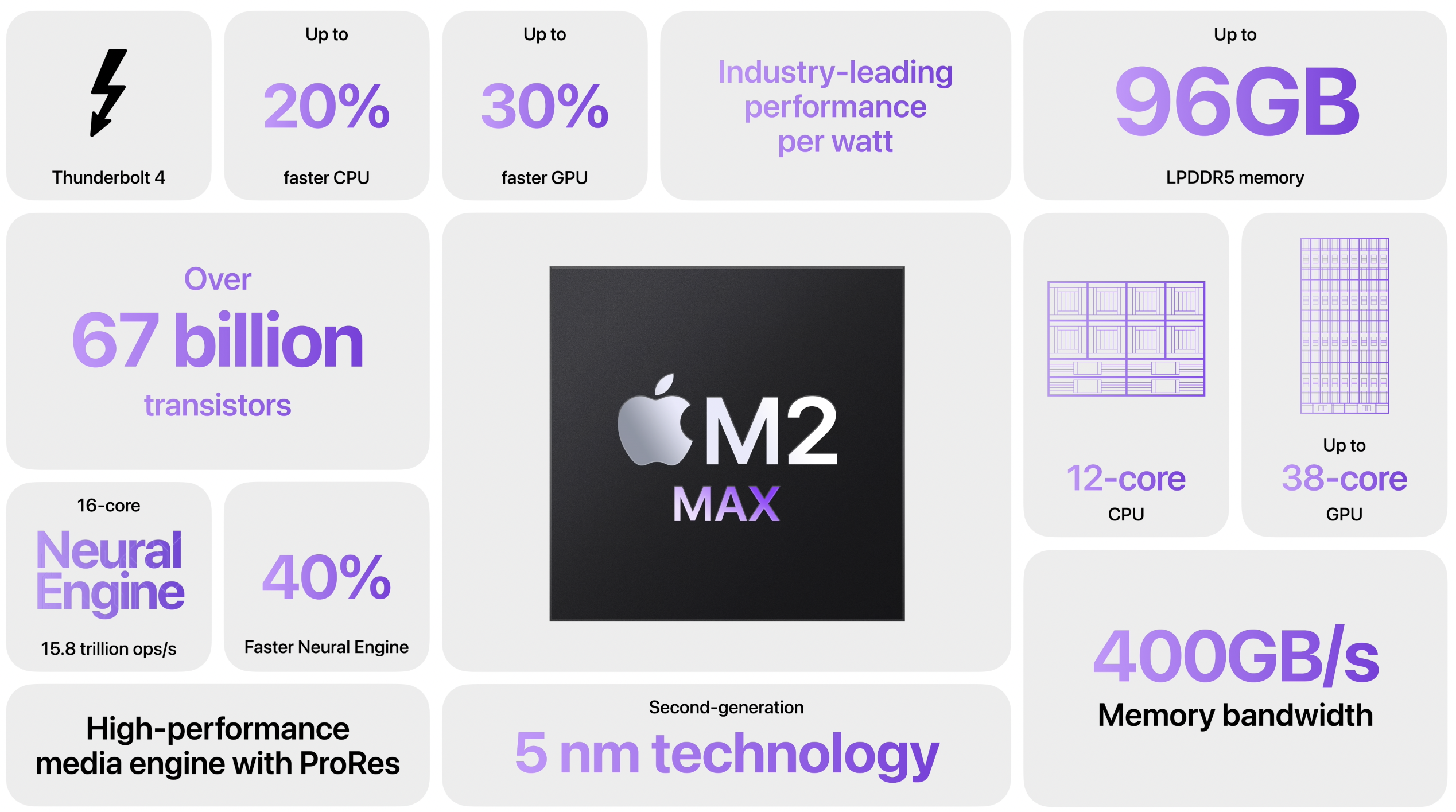
-
Editor’s Note: That’s HDMI 2.1. ↩︎
Timing Updated to Import iPhone and iPad Screen Time ⇢
Timing is a great way to automatically track and sort your time while using a Mac, but today the app spreads its wings:
We are excited to announce Timing 2023.1, which introduces a new feature that a lot of you have been asking for: Timing can now import your iPhone and iPad usage from Screen Time!
This feature, available to all Timing Expert customers, lets you manage your time spent on mobile devices just like your Mac usage, with the full functionality of Timing’s timeline and activity list. Even Timing’s rules are available to automatically categorize your mobile device usage.
If you’re a Timing user, this is very cool. I played with the beta over the holiday break and it really does let the app get a fuller sense of how you’re spending your time.
Report: Mac Updates Coming This Week ⇢
Chance Miller, writing at 9to5Mac:
Apple could be making its first announcement of 2023 as soon as tomorrow, sources say. The company is holding Mac-related briefings with influencers and select members of the press this week, and an announcement could be made via Apple’s Newsroom website on Tuesday…
The details here are sparse at the moment. 9to5Mac has independently heard that Apple is holding press briefings this week related to the Mac. This has also been corroborated by other sources on Twitter, including friend of the site Ian Zelbo. Additionally, leaker Jon Prosser has teased: “keep an eye on Apple’s newsroom tomorrow.”
9to5Mac has been told by an anonymous tipster that the briefings will be held on Wednesday and Thursday of this week, with an embargo slated for Monday, January 23. This pattern makes sense and matches what we’ve seen in the past: an announcement on Tuesday, briefings and review unit distribution on Wednesday and Thursday, and a review embargo lift on the next Monday.
My money is on M2 Pro/Max MacBook Pros and an M2 Mac mini, all announced via press release.
Exploring the $69 OS X Lion USB Installer
While working on a Top Secret project,1 I needed to install OS X Lion on an older MacBook Pro. I have my own USB installer that I created, but I thought it would be a good time to use the USB installer Apple sold for $69 back in the day. 2
Physically, the USB key is about as minimal as you can get. It’s just a thin piece of plastic with exposed USB contacts on side that slid right into a USB A port:
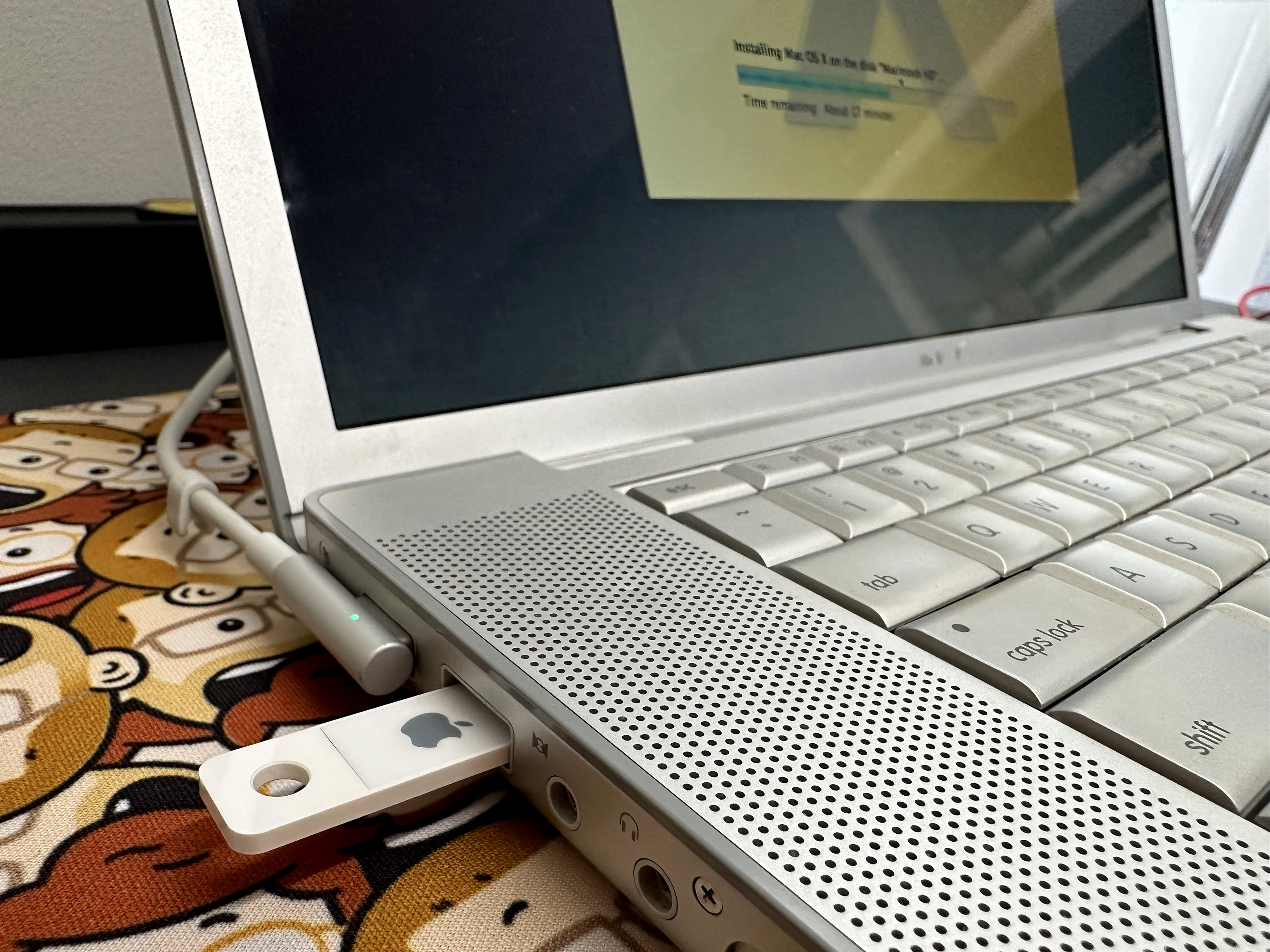
It mounts in Finder like any other volume, complete with a custom icon. Here it is in Mac OS X Snow Leopard:

Installing off the USB Key is just like installing Lion from the App Store. Once I had the new OS up and running, I was curious to see how the system would handle the USB volume.
It can explored in Finder just like any of Apple’s downloaded macOS installer, and Terminal shows its contents like any other volume. Lion’s version of Disk Utility has no idea what to make of it, showing it as optical media:
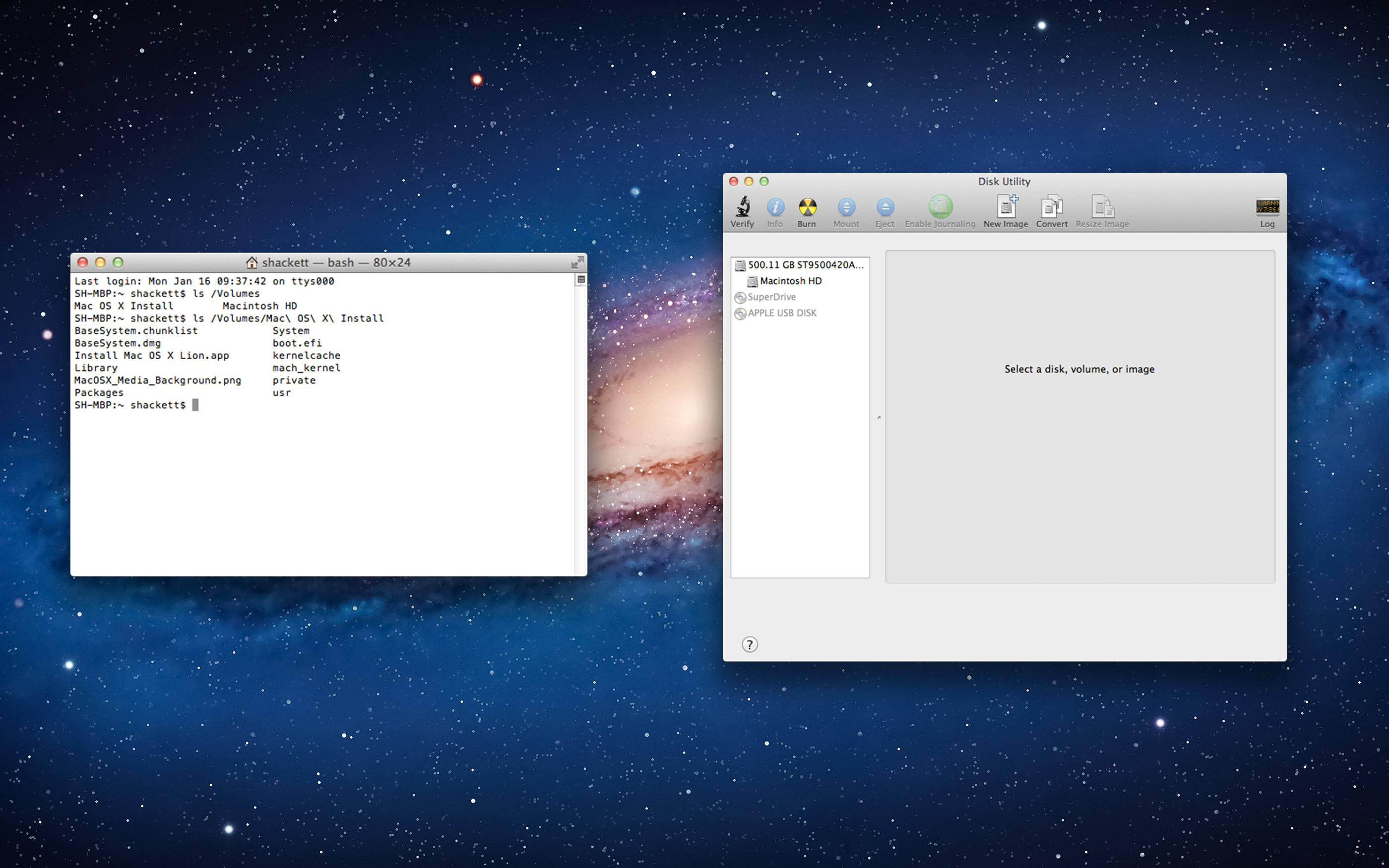
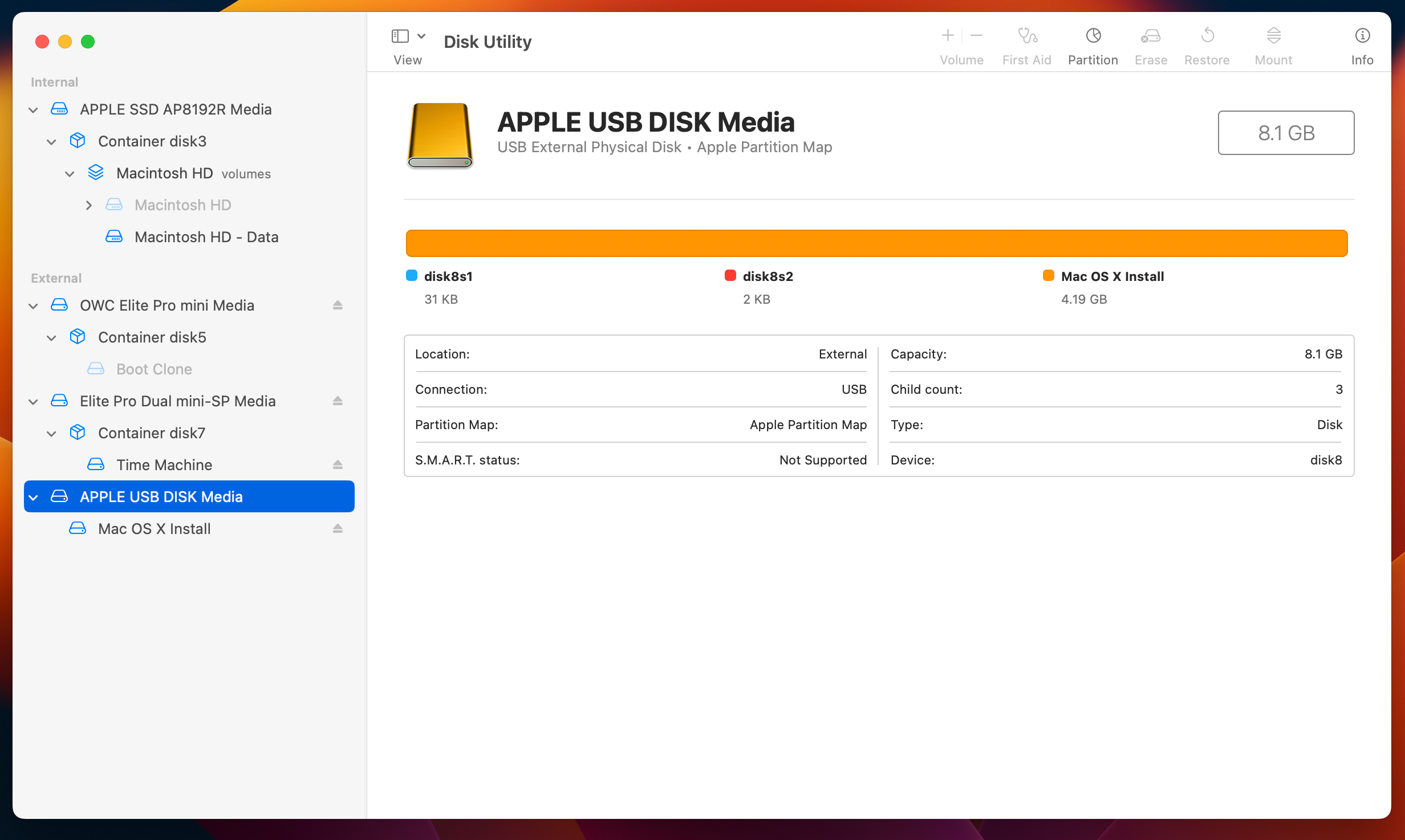
However, Disk Utility in later versions of macOS sees it as a regular USB volume, as seen here on macOS Ventura:
It’s a bit of a shame that Lion’s USB installer was a one-and-done thing, but I can’t imagine it sold very well. Downloading new versions of macOS quickly became the norm, no matter how neat this tiny USB key is.