512 Pixels

Apple Highlights NightWare⇢

I have not come across this app before, but it was really neat to read about it on Apple Newsroom this morning:

NightWare is a digital therapeutic system that works in conjunction with Apple Watch and iPhone to disrupt nightmares related to post-traumatic stress disorder. Available by prescription only, it’s also the first and only digital therapeutic developed specifically to treat nightmares that is cleared by the FDA. NightWare uses information from the Apple Watch heart rate sensor, accelerometer, and gyroscope to detect a nightmare and then disrupt it through haptic feedback, generating gentle pulses on the wrist that gradually increase until the user is roused from the nightmare, but not from sleep.

This sort of thing is consumer technology at its best.

Kbase Article of the Week: Use USB-C cables with your Mac⇢

Apple Support:

If you have a Mac with Thunderbolt 3 (USB-C), Thunderbolt / USB 4, Thunderbolt 4 (USB-C), or USB-C ports, you can use cables to transfer data and connect your Mac to other devices and displays. If you have a Mac notebook computer, you can also connect to a power adapter to charge your Mac.

It’s great having One Connector to Rule Them All, but wow is USB-C messy.

Sponsor: Magic Lasso Adblock: YouTube Ad Blocker for Safari⇢

Do you want to block all YouTube ads in Safari on your iPhone, iPad and Mac?

Then download Magic Lasso Adblock – the ad blocker designed for you. It’s easy to setup, doubles the speed at which Safari loads and now blocks all YouTube ads.

Magic Lasso Adblock for YouTube

Magic Lasso is an efficient, high performance and native Safari ad blocker. With over 4,000 five star reviews; it’s simply the best ad blocker for your iPhone, iPad and Mac.

It blocks all intrusive ads, trackers and annoyances — letting you experience a faster, cleaner and more secure web browsing experience.

The app also now blocks over 10 types of YouTube ads including all:

  • video ads
  • pop up banner ads.
  • search ads
  • plus many more

And unlike some other ad blockers, Magic Lasso Adblock respects your privacy, doesn’t accept payment from advertisers and is 100% supported by its community of users.

Join over 250,000 users and download Magic Lasso Adblock from the App Store, Mac App Store or via the Magic Lasso website.

SLS Back on the Pad

NASA is about to try to launch its Artemis 1 mission again. Here’s Stephen Clark at Spaceflight Now:

NASA scrubbed the first launch attempt for the Artemis 1 moon mission Aug. 29, when data indicated one of the rocket’s four hydrogen-fueled main engines was not being properly thermally conditioned during the countdown. Engineers later determined that the thermal measurements were from a bad sensor, and not indicative of a more serious problem.

A second launch attempt Sept. 3 was scrubbed by a hydrogen leak in the connection between the core stage of the rocket and its mobile launch platform. NASA replaced seals in the connection fully fueled the rocket in a tanking test Sept. 21 without any significant leaks, paving the way for launch opportunities in late September and early October.

But the threat from Hurricane Ian forced NASA officials to move the rocket back to the Vehicle Assembly Building for safety, delaying the next Artemis 1 launch attempt to Nov. 14. Unlike the mission’s previous countdowns, the next three Artemis 1 launch opportunities will be at night. Trajectory limitations and the position of the moon relative to Earth determine when the mission can launch.

The launch window on November 14 starts at 12:07 a.m. EST and will extend 69 minutes,1 with backup windows on November 16 and 19.

If the SLS continues to give NASA trouble and the rocket doesn’t get off the ground in these upcoming windows, things could get a lot more complicated, as Eric Berger reports at Ars:

On Thursday, NASA officials held a teleconference with space reporters and discussed the planned rollout of the Space Launch System rocket and Orion spacecraft early on Friday morning. The space agency remains on track for an Artemis I launch attempt on November 14, shortly after midnight, said Jim Free, who leads exploration systems development for NASA. This will be the third attempt to launch the SLS rocket on its debut flight. Free said the launch team is confident, but acknowledged there are “unknown unknowns” that may crop up during the countdown.

December deadline? … One of the big questions about the rocket concerns the lifetime of its massive solid rocket boosters, which have now been stacked for nearly two years. NASA’s Cliff Lanham, who oversees ground systems, said NASA’s initial analysis found that the rocket boosters provided by Northrop Grumman had a lifetime of one year. However, a subsequent analysis of their health cleared one through December 9, 2022, the other through December 14. NASA could probably extend their life further with additional analysis, Free adds. But this will be a source of concern if the Artemis I mission has to be delayed again.

Given how rocky this rocket’s development has been over the last decade, I’ll feel a lot better about things once it’s on its way to the moon.


  1. Nice. ↩︎

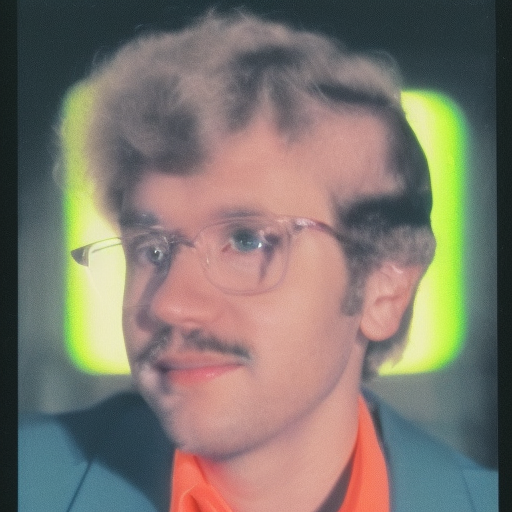
Yours Truly, Through the Eyes of Stable Diffusion

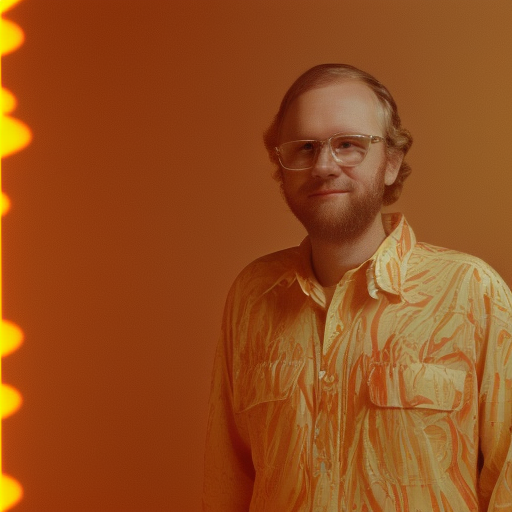
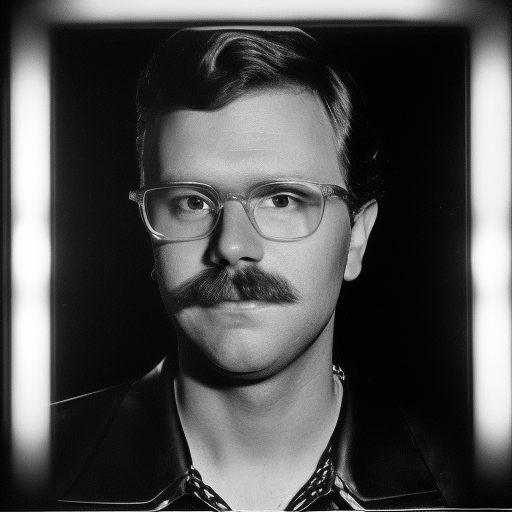
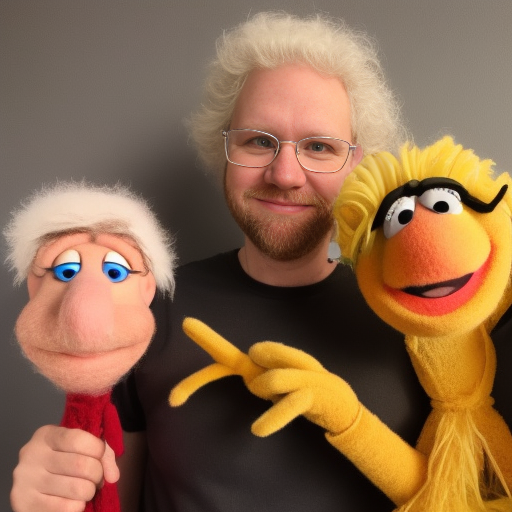
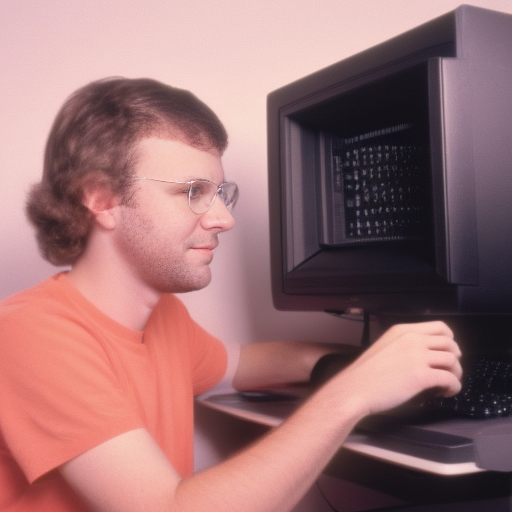
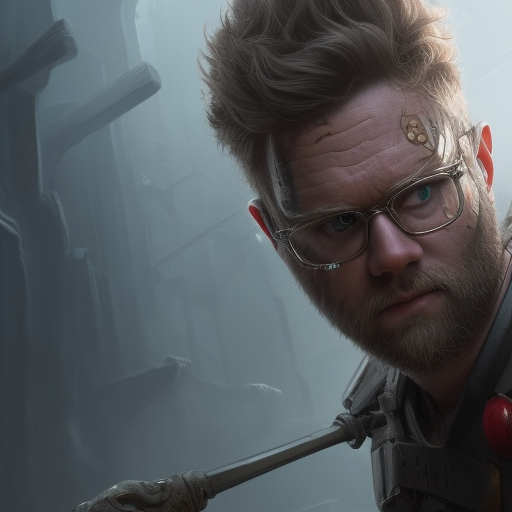
Earlier today, Matt Haughey published a blog post about using a custom instance of Stable Diffusion and using to create self portraits, based on work by Andy Baio and this video on YouTube.

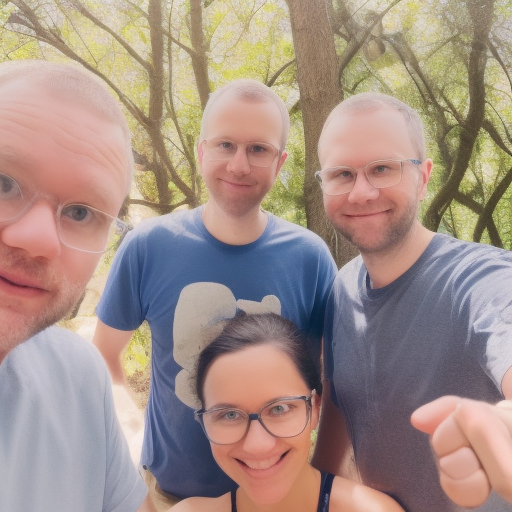
After following the steps in Matt’s blog post, I had everything up and running, and fed the machine about 25 photos of myself. I played around with a bunch of different prompts and got some pretty wild results:

Sidestepping the very complicated subjects related to AI-art, this was a pretty fun way to spend an hour of my day. That last one is true nightmare fuel, though.

Kbase Article of the Week: Power Macintosh: Differences Between DVD-ROM, DVD-RAM and DVD-RW⇢

Apple Support:

DVD-ROM, as its name implies, is a “read-only memory” format. Your computer can read a disc’s contents, but it cannot save data to one.

DVD-RAM (DVD random-access memory) and DVD-RW (DVD rewritable) are both rewritable mediums. Both DVD-RW and DVD-RAM are rewritable DVD standards that have been published by the DVD Forum, a group of more than 200 industry-leading corporations.

This article then links to a second article titled “SuperDrive: About Rewriteable DVD Discs,” which goes into a lot more detail. It ends with this note:

Important: Information about products not manufactured by Apple is provided for information purposes only, and does not constitute Apple’s recommendation or endorsement. Please contact the vendor for additional information.

More on Pantonageddon⇢

Dan Vincent, writing at his excellent Userlandia:

If you’ve been reading some parts of the internet lately, you might’ve seen a brouhaha over the quote-unquote “fact” that Pantone has “copyrighted colors.” They’re forcing Adobe to pay them oodles of money for color swatches, and Adobe said “no you.” Now users have to pay $15 a month just to use COLORS? Madame is outraged!

Well, it’s more complicated than that. The reality is that the world of color is complex, even for those of us that see and feel it every day. Many working designers don’t know all the fiendish intricacies surrounding the tools of their trade. Your real questions are “how does this affect me” and “what can I do about it?” Or maybe you’re used to picking colors from all those swatch books in Photoshop and wondered why it’s such a big deal that they went away.

In the name of expedience I’m formatting this in a question-and-answer format. Sit back, grab some popcorn, and be prepared for more than you wanted to know about the Pantone Matching System.

Meet the New Mail.app, Same as the Old Mail

As a long-time Mail.app user, I was excited to see Apple giving new features to the app in this year’s crop of OS releases.

Some of these additions are great; I particularly like the ability to schedule a message to be sent at a later time, as well as the ability to “unsend” a message. Sure, that second one is really just a 30 second timer set in the Outbox before a message heads off to the recipient, but it’s a really nice tool for those of us who are prone to typos.

The follow-up feature has been hit or miss for me. The idea is great, as having Mail remind me about a message that didn’t get a response is genuinely useful, but whatever logic Mail is using to pick which emails deserve this treatment is impossible to parse.

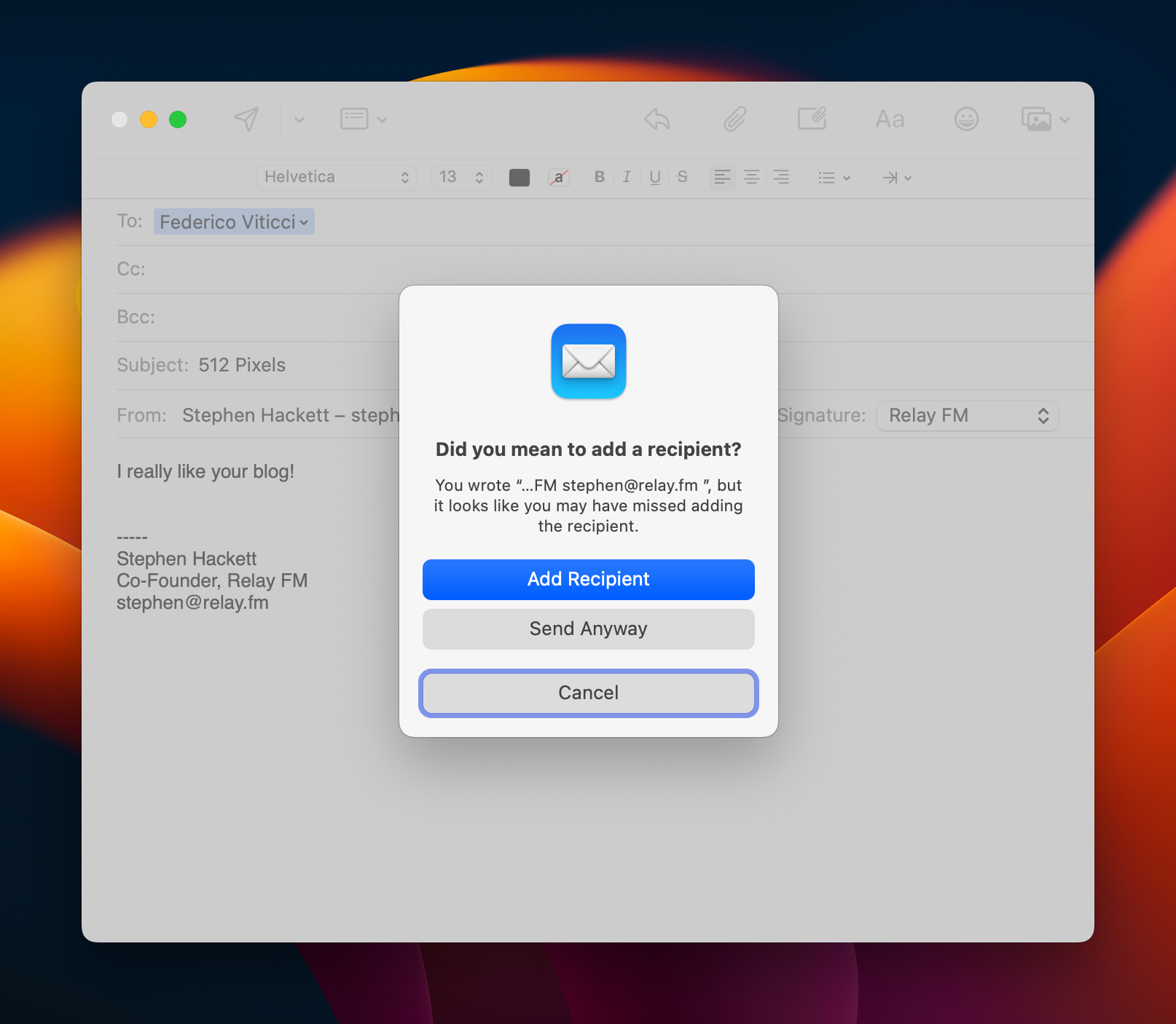
The new feature that is currently bothering me is Mail’s new ability to remind me if I forget an attachment or recipient. Gmail and others have had this for years, and it’s honestly great.

It’s just too bad that Mail doesn’t seem to understand that some people put their email addresses in their email signatures. As you can see in this screenshot, Mail has started warning me every time I send a message that the email address in my footer has been left off the recipient list:

Mail in macOS Ventura

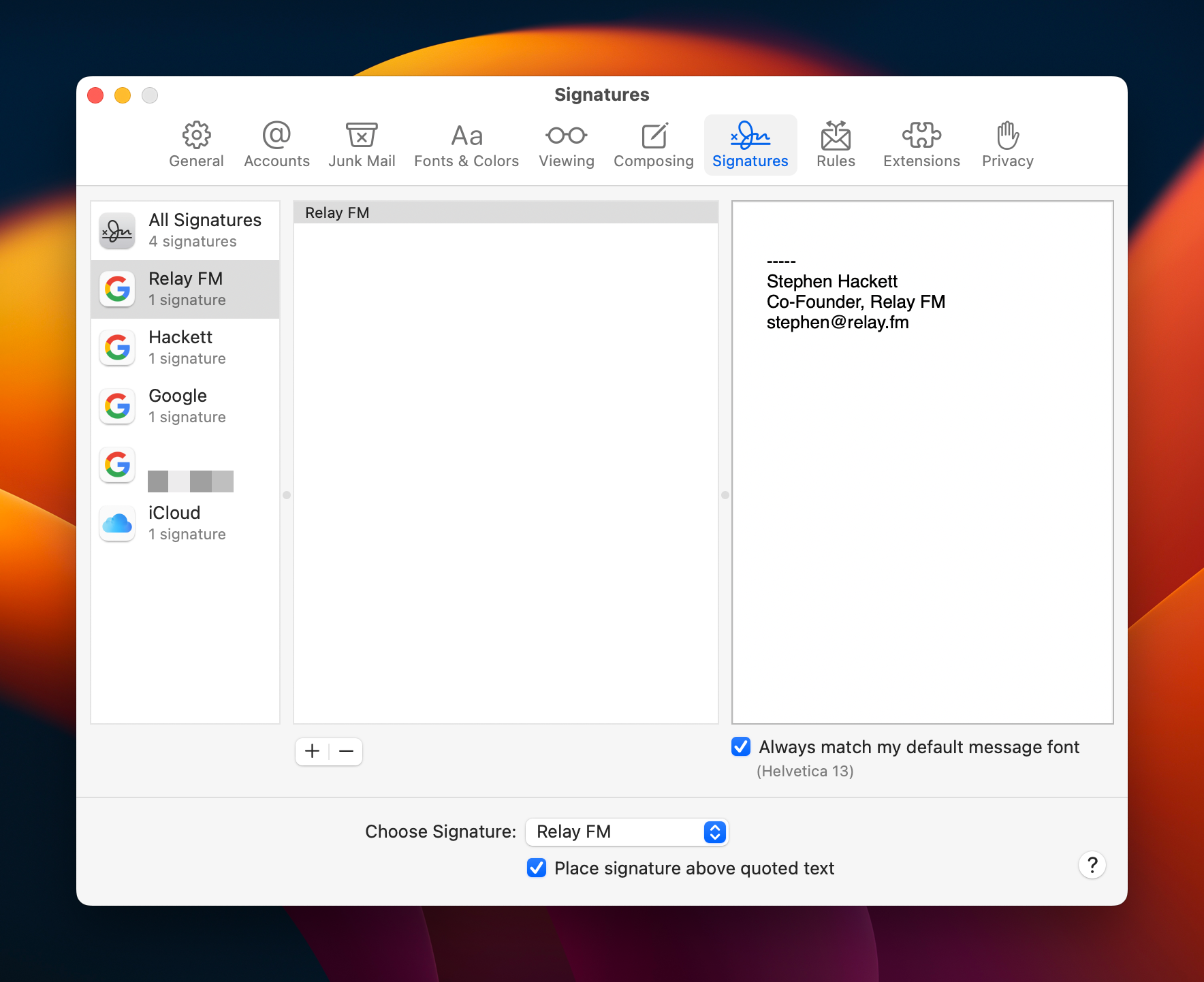
This is a shockingly dumb catch on Mail’s part because the application should know what I have set up using its own Signatures feature. It’s literally right there in the app’s own settings:

Mail’s Signature PaneThis has been filed with Apple as Feedback FB11741630.