
To mark the death of the iPod touch, the guys gather around a shared browser window and rank iPods. Also on the docket: iPadOS 15, iPhone repairs and Jony Ive’s pen.
512 Pixels
Last Call for Shirts! ⇢
If you haven’t ordered one of these beauties, time is running out! Celebrate the Lisa in style:

Kbase Article of the Week: Mac OS X 10.3, 10.4 and Later: Fonts in Mac OS 9 System Folder Aren‘t Available to Mac OS X Applications ⇢
Fonts that are in your Mac OS 9 System Folder may not be available to Mac OS X Panther and Tiger applications until you select the System Folder in Classic preferences or start Classic.
Symptom: - Fonts are unexpectedly substituted in a Mac OS X application. - Fonts you expect to be available to a Mac OS X application are not.
This can happen when your Mac OS 9 System Folder is on a different volume than Mac OS X, if there are multiple Mac OS 9 System Folders present, or if the font is a bitmap font or font suitcase that contains only bitmap fonts (please note that bitmap fonts are not available in Mac OS X).
I had totally forgotten fonts from a classic system folder could be used by OS X applications, but reading this brought back memories from my run-QuarkXPress-in-Classic-but-everything-else-in-Mac-OS-X-itself days.
Apple Discontinues the iPod touch ⇢
Apple PR has announced that the iPod touch will be for sale as long as supplies last:
Since its introduction over 20 years ago, iPod has captivated users all over the world who love the ability to take their music with them on the go. Today, the experience of taking one’s music library out into the world has been integrated across Apple’s product line — from iPhone and Apple Watch to iPad and Mac — along with access to more than 90 million songs and over 30,000 playlists available via Apple Music.
Music has always been part of our core at Apple, and bringing it to hundreds of millions of users in the way iPod did impacted more than just the music industry — it also redefined how music is discovered, listened to, and shared," said Greg Joswiak, Apple’s senior vice president of Worldwide Marketing. “Today, the spirit of iPod lives on. We’ve integrated an incredible music experience across all of our products, from the iPhone to the Apple Watch to HomePod mini, and across Mac, iPad, and Apple TV. And Apple Music delivers industry-leading sound quality with support for spatial audio — there’s no better way to enjoy, discover, and experience music.”
The iPod touch started life as “an iPhone without the phone,” then was reinvented as “the funnest iPod ever,” with Apple pitching it as the most popular portable gaming device on the planet. Over the years, however, Apple let it slip farther and farther behind the iPhone. Today’s news shouldn’t be a surprise, but it’s still sad to the iPod brand slip away.
A Little Journey to AppleFest ’88
I am working on a thing, and I needed to find the release date of Apple’s GS/OS. I knew from this article that it had come out at AppleFest in September 1988.
Finding the date of an event like this isn’t easy on the modern web, but I have collected a massive amount of computer history research over the years. I store it all in DEVONthink, which has some amazing search tools.
In my library, I found a PDF of a September 1988 edition of the Washington Apple Pi Journal, which covered loads of Apple stuff back in the day. There, on page 9, was an ad for the very event!
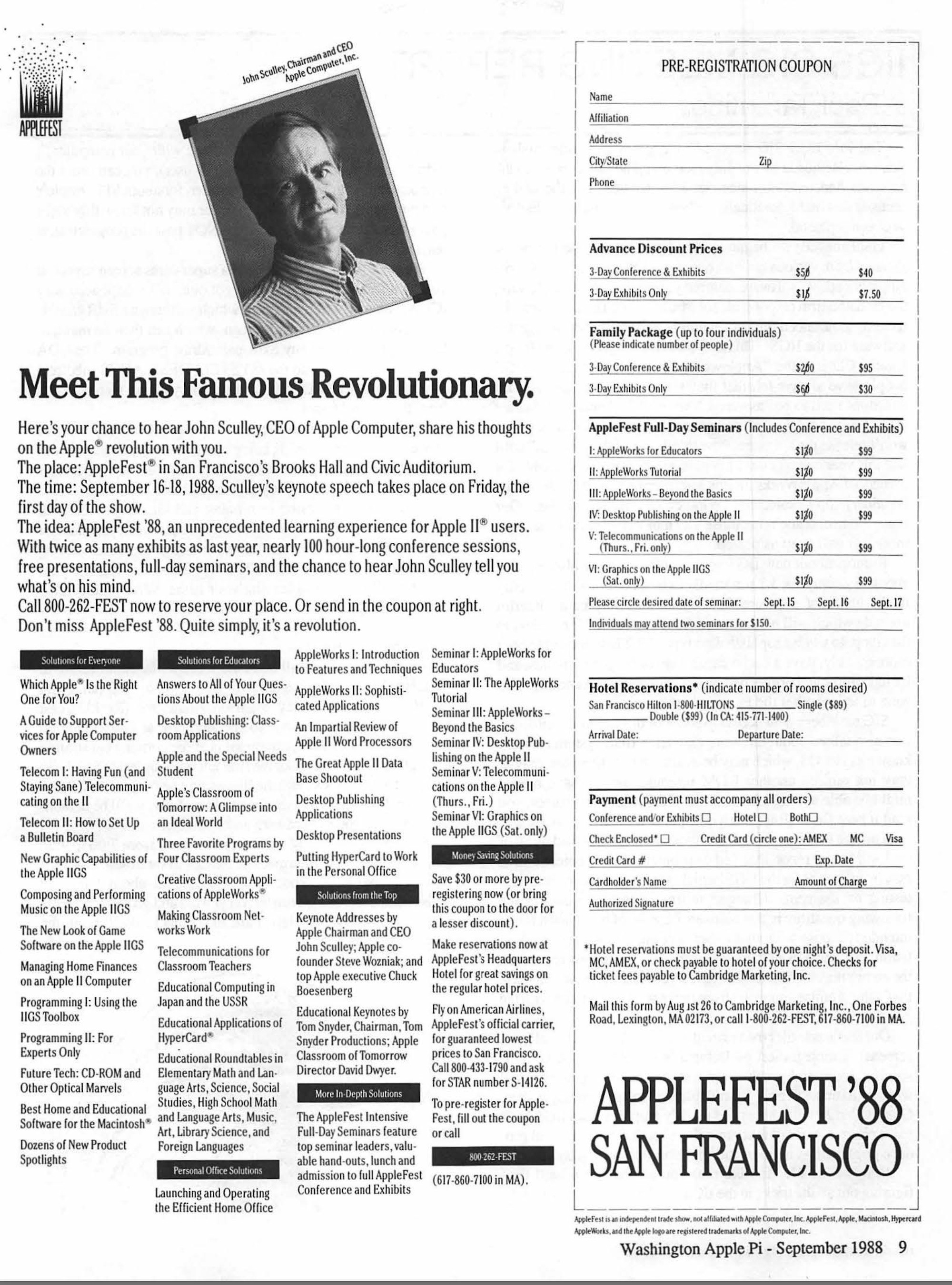
Not only did it have the dates of the event, but the date of then-CEO John Sculley’s keynote — September 16. But I needed a second source — that came at 16 minutes into this 1988 episode of The Computer Chronicles, which included a demo of GS/OS “announced at AppleFest.”
Am I 100% sure that September 16, 1988, is the date GS/OS was announced? No, but I’m as close as I can get without a primary source from Apple confirming it.
Update: This is another source that says Sept. 16, which makes me feel even more confident.
Covering tech history is much easier when you’re looking at products released after the start of the Internet.
Apple Winds Down iCloud Documents and Data ⇢
iCloud Documents and Data, our legacy document syncing service, has been discontinued and replaced by iCloud Drive. If you used iCloud Documents and Data, your account has been migrated to iCloud Drive.
iCloud Documents was introduced years ago; iCloud Drive was introduced in 2014.1 I can’t imagine this is going to be a problem for many users.
-
iOS 8 and OS X Yosemite didn’t come out at the same time. After updating to iOS 8, users had to decide if they wanted to hold off on iCloud Drive to maintain compatibility with OS X Mavericks, or upgrade to the new system and cause all sorts of havoc. As Peter Cohen wrote at the time, it was a real mess for some folks. ↩︎
Sponsor: Magic Lasso Adblock ⇢
Do you want to experience twice as fast load times in Safari on your iPhone, iPad and Mac?
Then download Magic Lasso Adblock – the ad blocker designed for you.
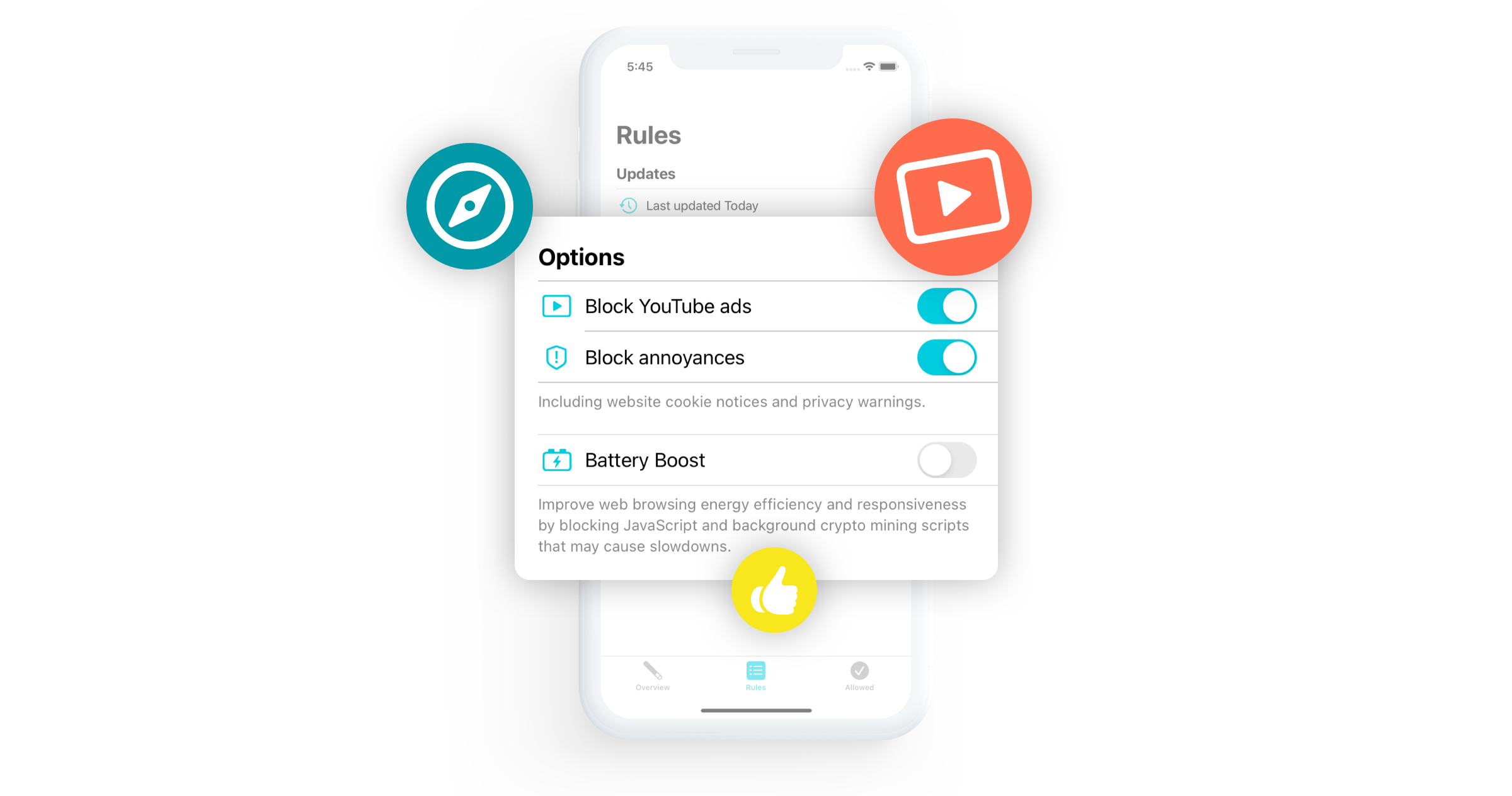
It’s easy to setup, blocks all YouTube ads and doubles the speed at which Safari loads.
Magic Lasso is an efficient, high performance and free ad blocker. With over 4,000 five star reviews; it’s simply the best Safari ad blocker for your iPhone, iPad and Mac.
It blocks all intrusive ads, trackers and annoyances – letting you experience a faster, cleaner and more secure web browsing experience.
And unlike some other ad blockers, Magic Lasso respects your privacy and doesn’t accept payment from advertisers.
The app also now blocks over 10 types of YouTube ads, including all:
- video ads
- pop up banner ads
- search ads
- plus many more
Join over 200,000 users and download Magic Lasso Adblock for free from the App Store, Mac App Store or via the Magic Lasso website.
Mac Power Users #639: Software Club: Greg Pierce and Drafts ⇢
This week, David and I are launching a new episode type on Mac Power Users. Generally speaking, we have three primary formats for our episodes:
- Shows where we dive deep on a topic, app or other subject
- Interview shows where we talk to folks about their work, their setups, etc.
- Feedback shows where we revisit things talked about on the first two episodes. These are generally recorded every 6-8 weeks.
The fourth, dubbed “Software Club” is a bit of a mix of the first two. Our plan is to talk about an app, then bring the developer on for a shorter interview, focusing on their app, and not necessarily their workflows, etc.
In the inaugural meeting of the Software Club, David and Stephen talk about Drafts and their use of the application. Then they are joined by Drafts developer Greg Pierce to talk about the app’s community of users, its 10th anniversary and how Greg uses Drafts himself.
I’m excited about this new episode format, and we’re already planning future installments, so David and I would love your feedback on this one.
Upgrading the RAM on an Original Apple TV ⇢
The original Apple TV was basically a low-powered Intel Mac. As such, people have installed all sorts of wacky things on them over the years, but this is the first memory upgrade I’ve seen:
Fixing an iPhone with Apple’s Self-Service Tools ⇢
Quinn Nelson has replaced the screen and battery on an iPhone 12 mini using the new Self Service Repair Program. His video really shows how much stuff Apple ships you to complete these tasks:
It’s painfully clear that the current generations of iPhone weren’t designed with self-repair in mind.
Why Pebble Failed ⇢
Eric Migicovsky, a co-founder of the now-defunct smartwatch company, writing about why his company failed:
I struggled over and over to define a strong long term vision for what Pebble as a company would accomplish. In some ways we were spoiled…when our Kickstarter in 2012 was super successful, we never had to go through the exhausting process of iterating on sales techniques to acquire customers. We had crystal clear marching orders in 2012: build exactly what we had promised our backers and make it as high quality as possible. That’s what we did in 2012–2014…we just built great smartwatches that we ourselves (young hackers) wanted to use. After Pebble Steel in 2014, we came up for air and found ourselves in a more competitive space. As discussed above, we attempted to expand into a new market, and failed.
The entire piece is great. Migicovsky is refreshingly honest about where Pebble — and he as its leader — went wrong.
Connected #396: The Royal Nobody ⇢
Apple has shared more details about its live WWDC event next month and 1Password 8 has arrived on the Mac. After those topics, the guys perform an exit interview for iOS 15.
On Connected Pro, I get philosophical about the line between software and services, while Myke and Federico talk about Furbies and Beanie Babies.