
Steven Sinofsky has published an article on Medium about this famous Steve Jobs quote, and it’s well worth a read.
512 Pixels
NetNewsWire 5.0 Public Beta ⇢
It’s been a long time since NetNewsWire has been in my Dock. Looking forward to checking this out.
A Trip to Johnson Space Center
A few weeks ago, my Liftoff co-host 1 and all-around-cool-guy Jason Snell told me he was going to be in Houston, Texas and asked a question I couldn’t say no to:
Do you want to visit Johnson?
Johnson Space Center is a key hub in NASA’s web of centers across the nation. Anytime an astronaut calls to the ground with the prefix “Houston,” Johnson is home to whoever answers.
Today, Johnson is home to much more than mission control. It’s Ground Zero for astronaut training thanks to two International Space Station facilities, and is critical in NASA’s Commercial Crew program. That program will be putting US astronauts into orbit from US soil for the first time since the shuttle program ended in 2011, and is taking shape thank to partners like SpaceX and Boeing, who are building crew-rated capsules for trips to and from the Space Station.
Visiting Johnson was a lot of fun, and it is available to anyone thanks to Space Center Houston, a 501(c)(3) nonprofit dedicated to teaching the public about space and space exploration.
Space Center Houston is home to several amazing pieces of hardware, including the flown Mercury 9, Gemini 5 and Apollo 17 capsules:

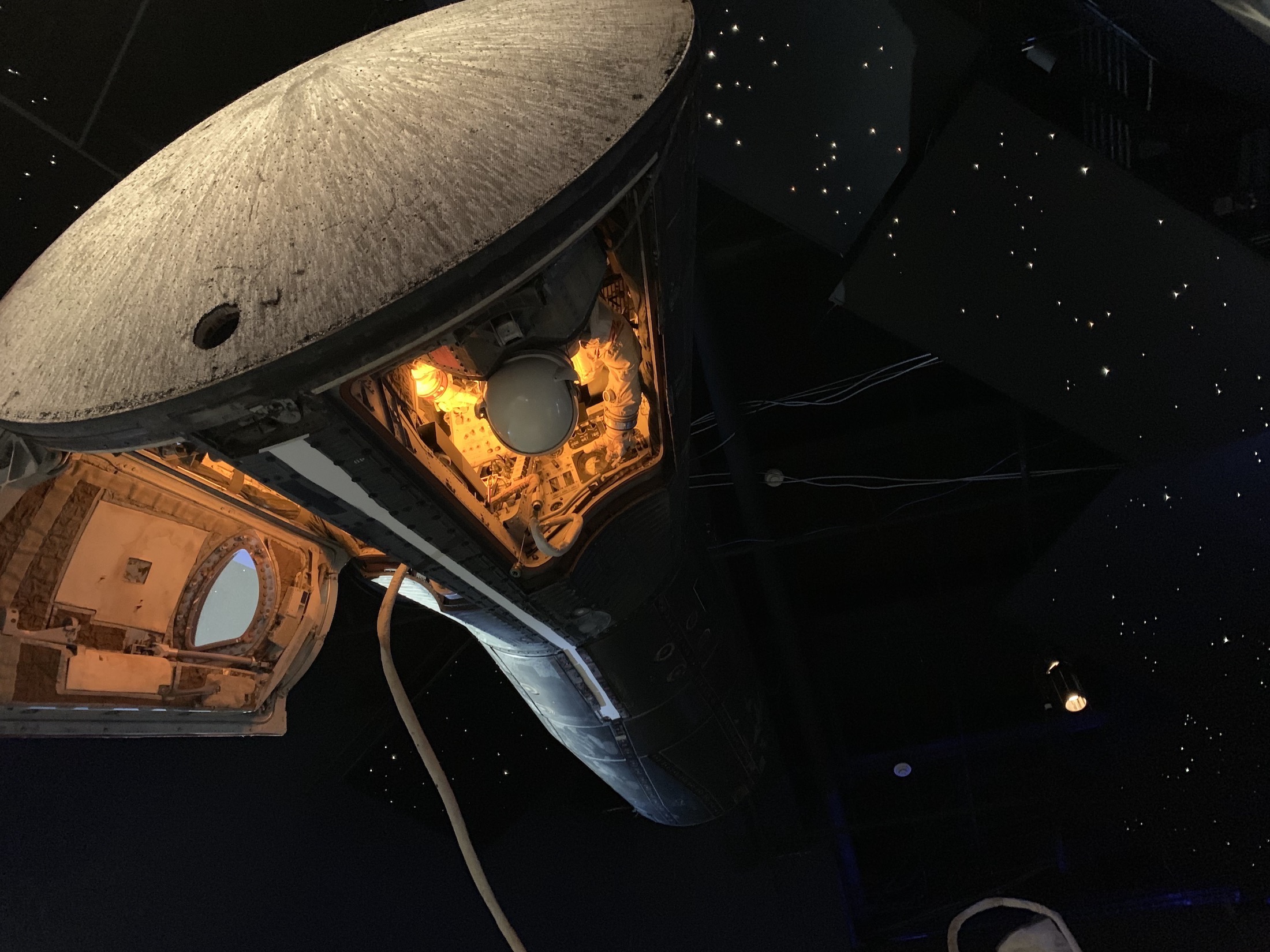
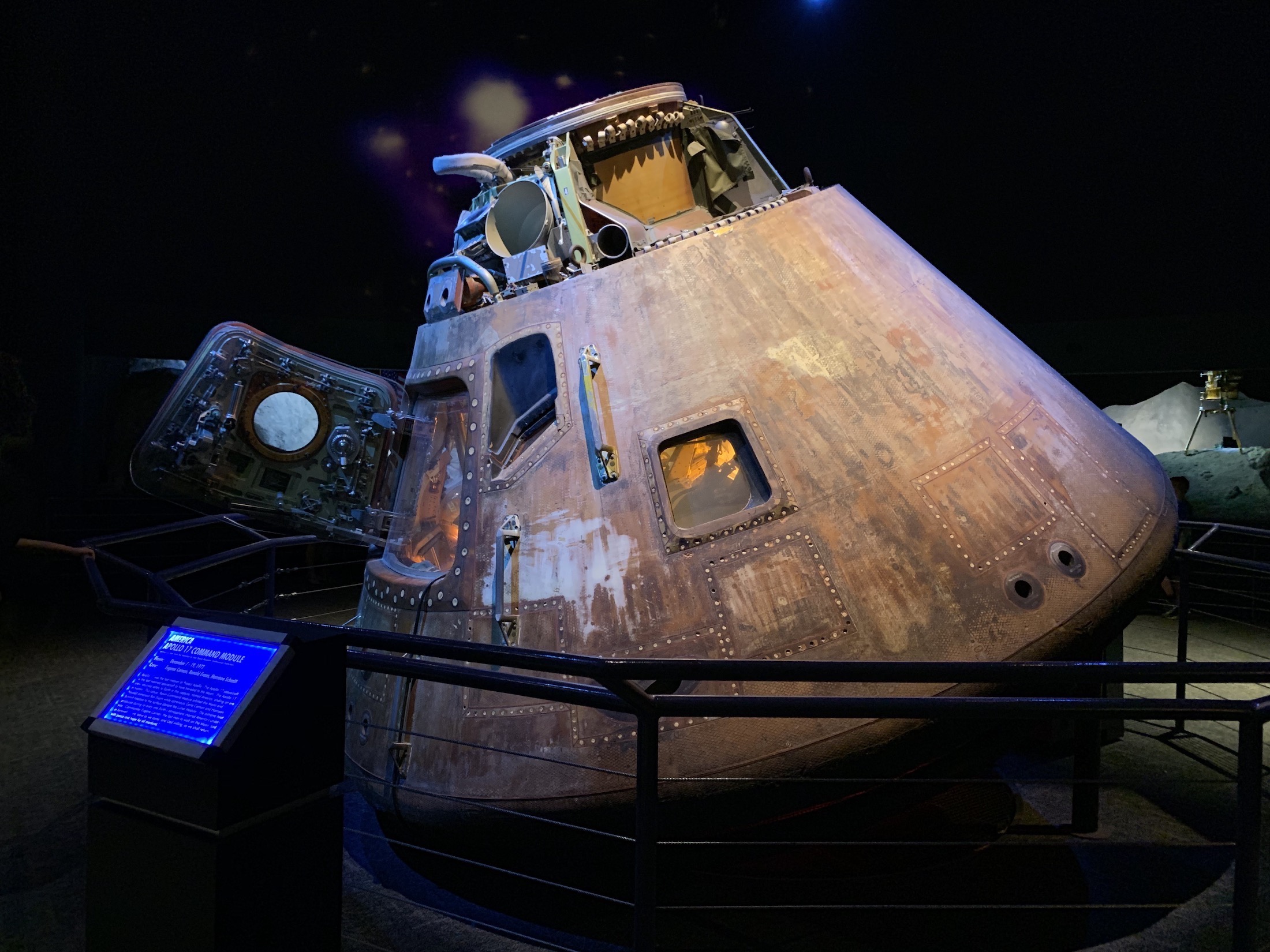
I’ve seen several examples of each of these spacecraft before, and I have real respect for the guys who flew into the unknown in these vehicles. The Mercury capsule probably felt like climbing into a washing machine.
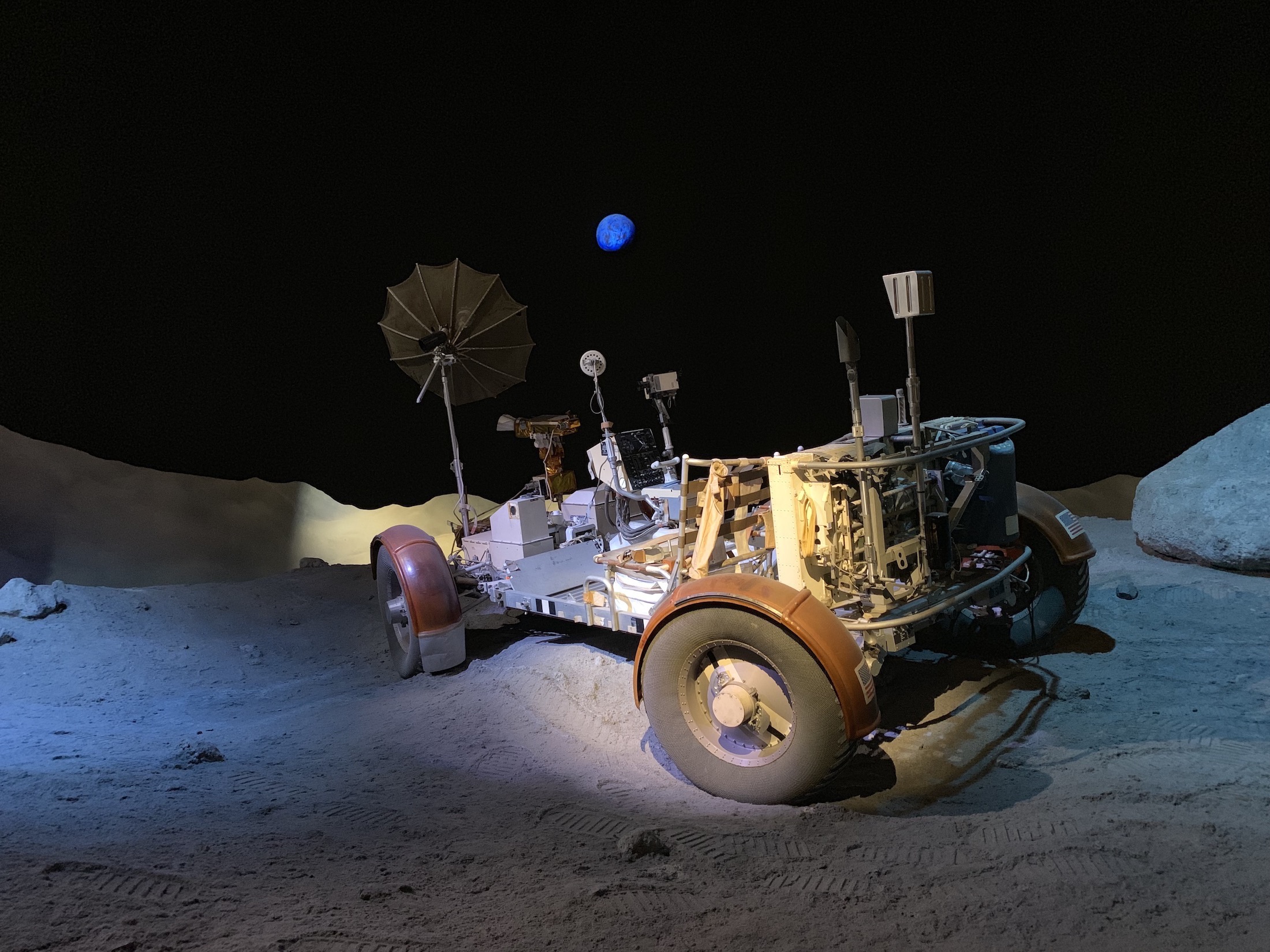
Space Center Houston also has a training vehicle from the lunar rover program. I love this bit of Apollo-era hardware, and it was a real treat to see this example up close:
The center also houses the Skylab training module, which was built out of an empty Saturn V rocket stage. Skylab served as America’s first space station, spending six years orbiting Earth and hosting three crews.
There are exhibits dedicated to moon rocks brought back by the Apollo crews, how space suits have evolved over the years and even a small corner about the famous “moon watches.”
Outside sits an original shuttle carrier aircraft, which started life as a Boing 747 before being purchased by NASA and re-engineered to carry the space shuttle on its back:

The shuttle mounted to the SCA is dubbed Independence, and is a replica, but still impressive to approach. There are stairs leading up to the side of the craft, and stepping inside was surprising. In 2015, I got to see Atlantis up close, but going inside was a totally different experience. The shuttle really was a space-going pickup truck; most of the craft is dedicated to its large cargo bay. The crew quarters were actually very cramped, limited to the front section of the vehicle.
The next day, Snell and I embarked on the optional “Level 9” tour. While expensive, I found it totally worth the money. We spent most of the day with a small group of 10 or so other guests, being led by a tour guide who was simply fantastic. It was clear to me that she knew her stuff, and while a few comments were slightly out of date — mostly around NASA’s ever-slipping schedules — that was easy to forgive.
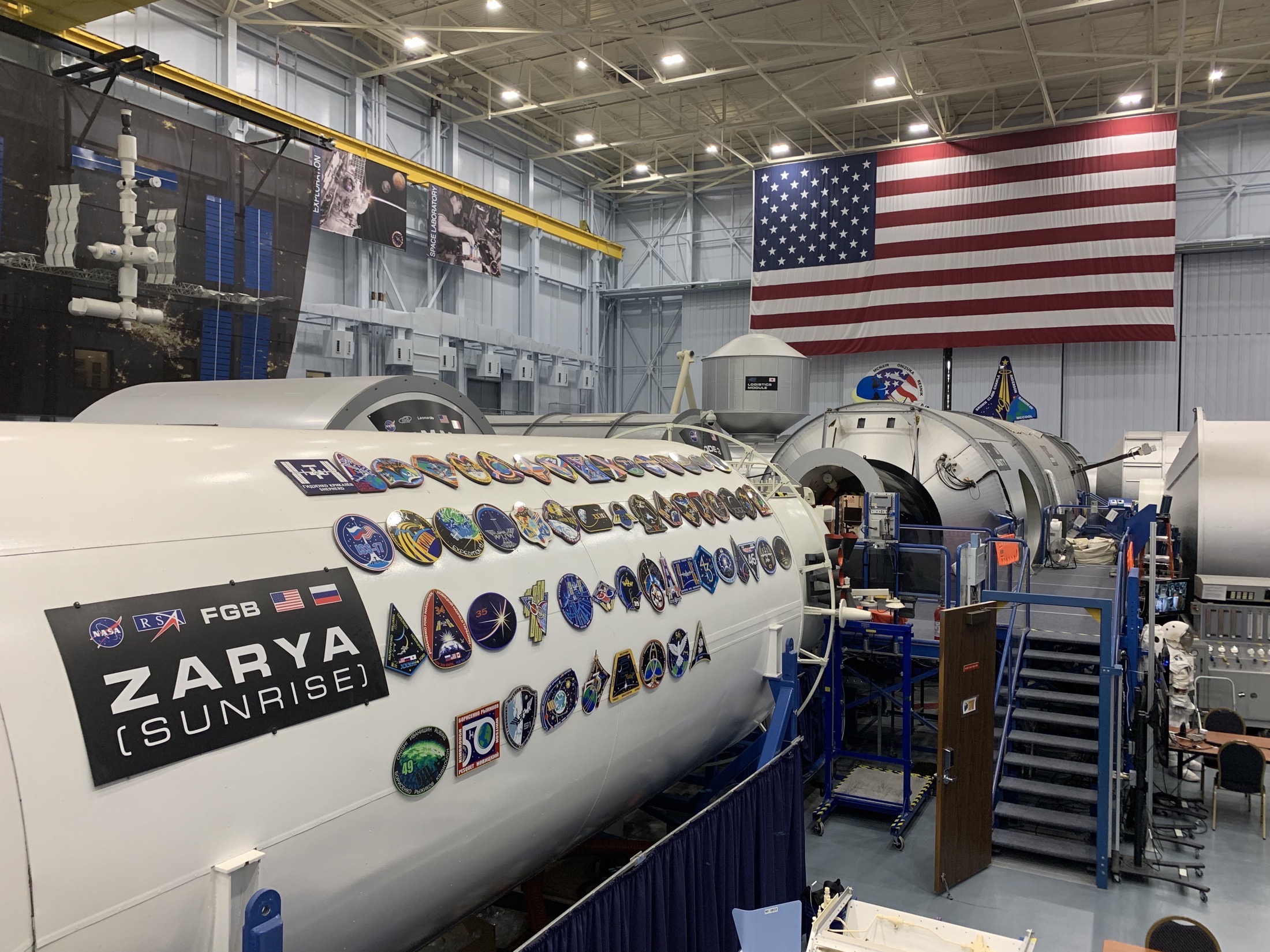
We started out at the Space Vehicle Mockup Facility, which is basically a warehouse with a full-sized model of the ISS under its roof, which allows astronauts to train for missions and experiments housed within the orbiting outpost:
To train for spacewalks outside the station, crews work in NASA’s Neutral Buoyancy Lab, which is a giant pool with various modules at the bottom. Astronauts prepare for months here, with their gravity offset by the water itself and an ingenious crane system. I’ve always been fascinated by this facility, and it did not disappoint. Below those bubbles, real NASA work was taking place!

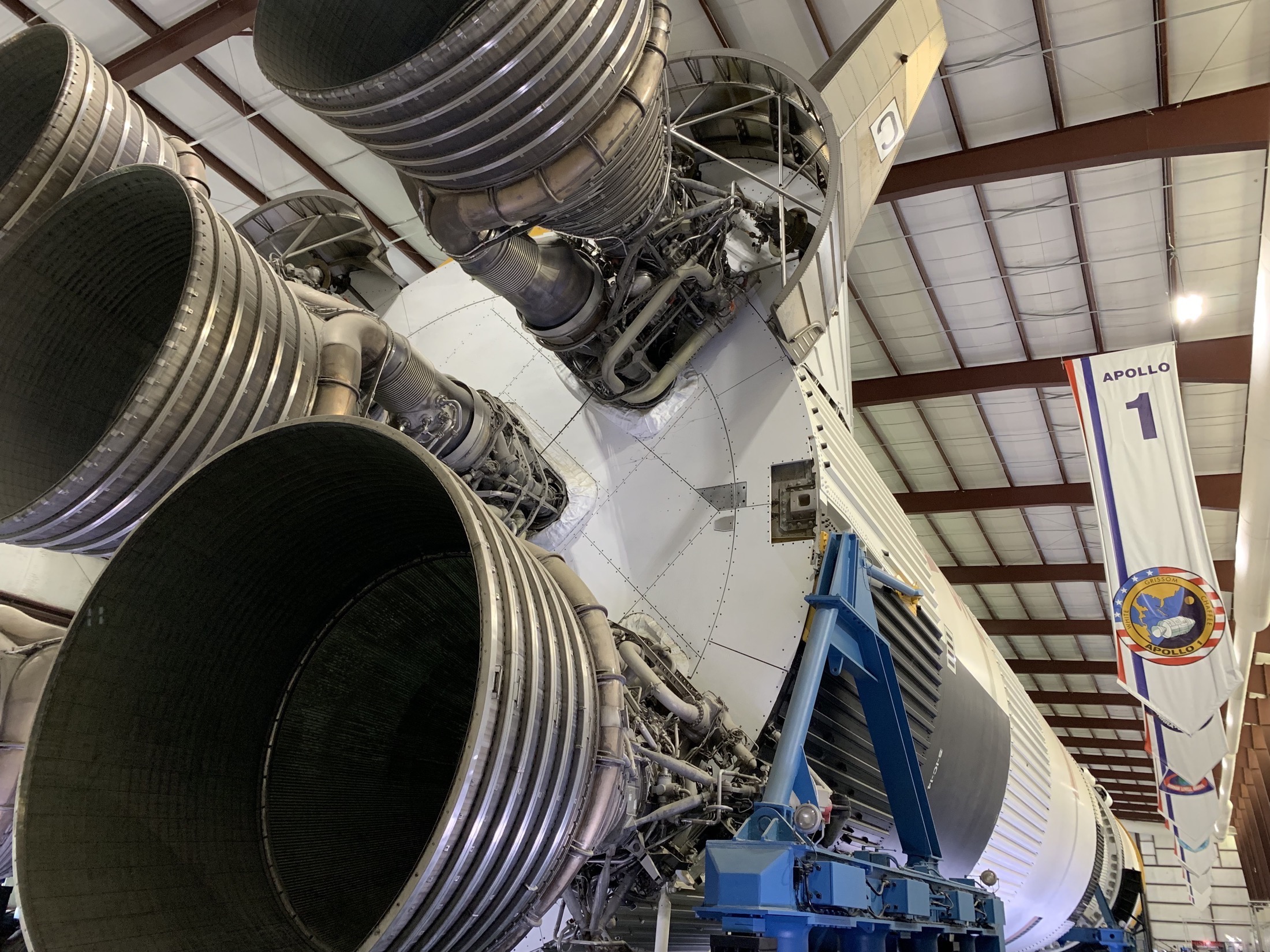
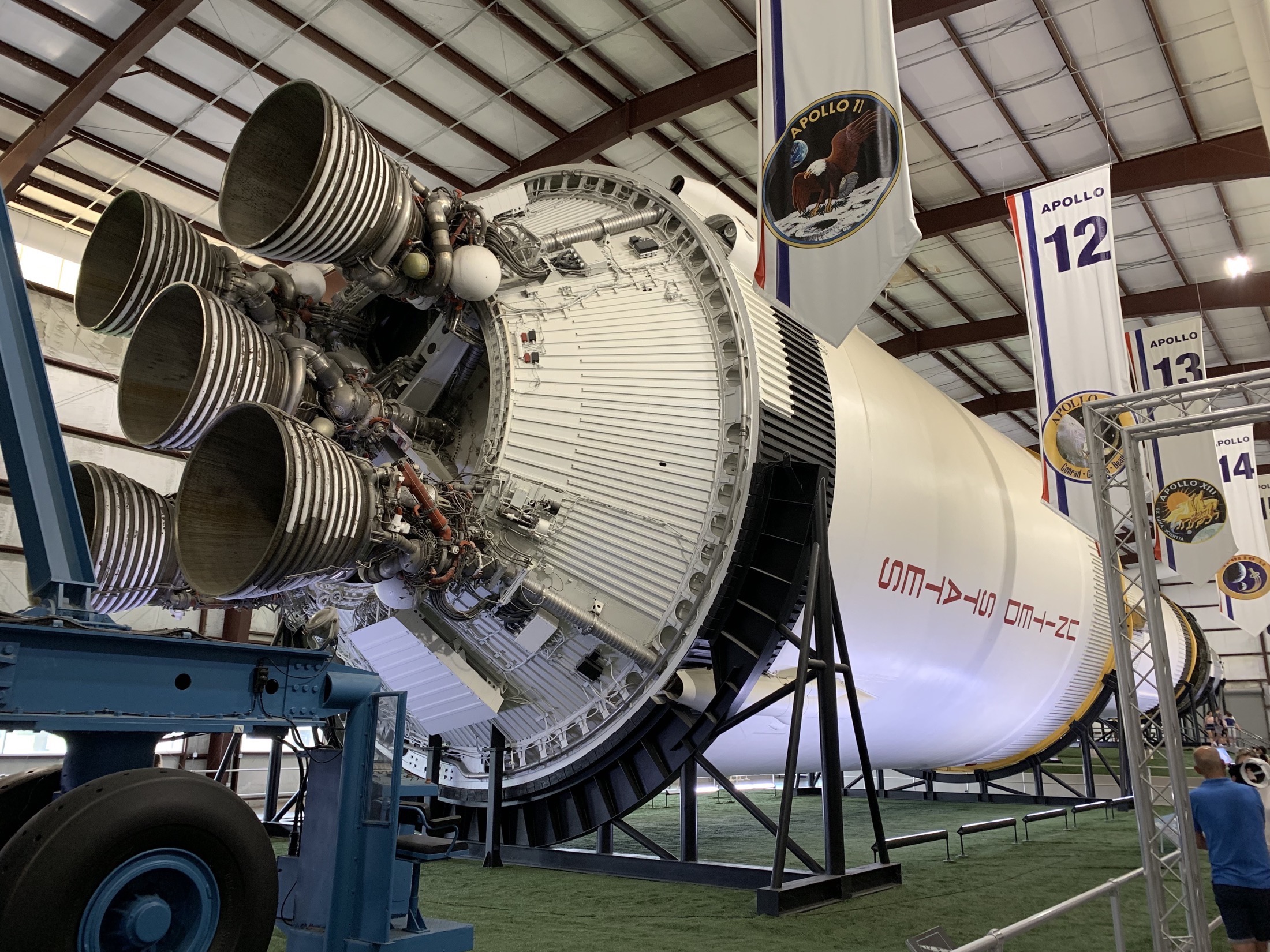
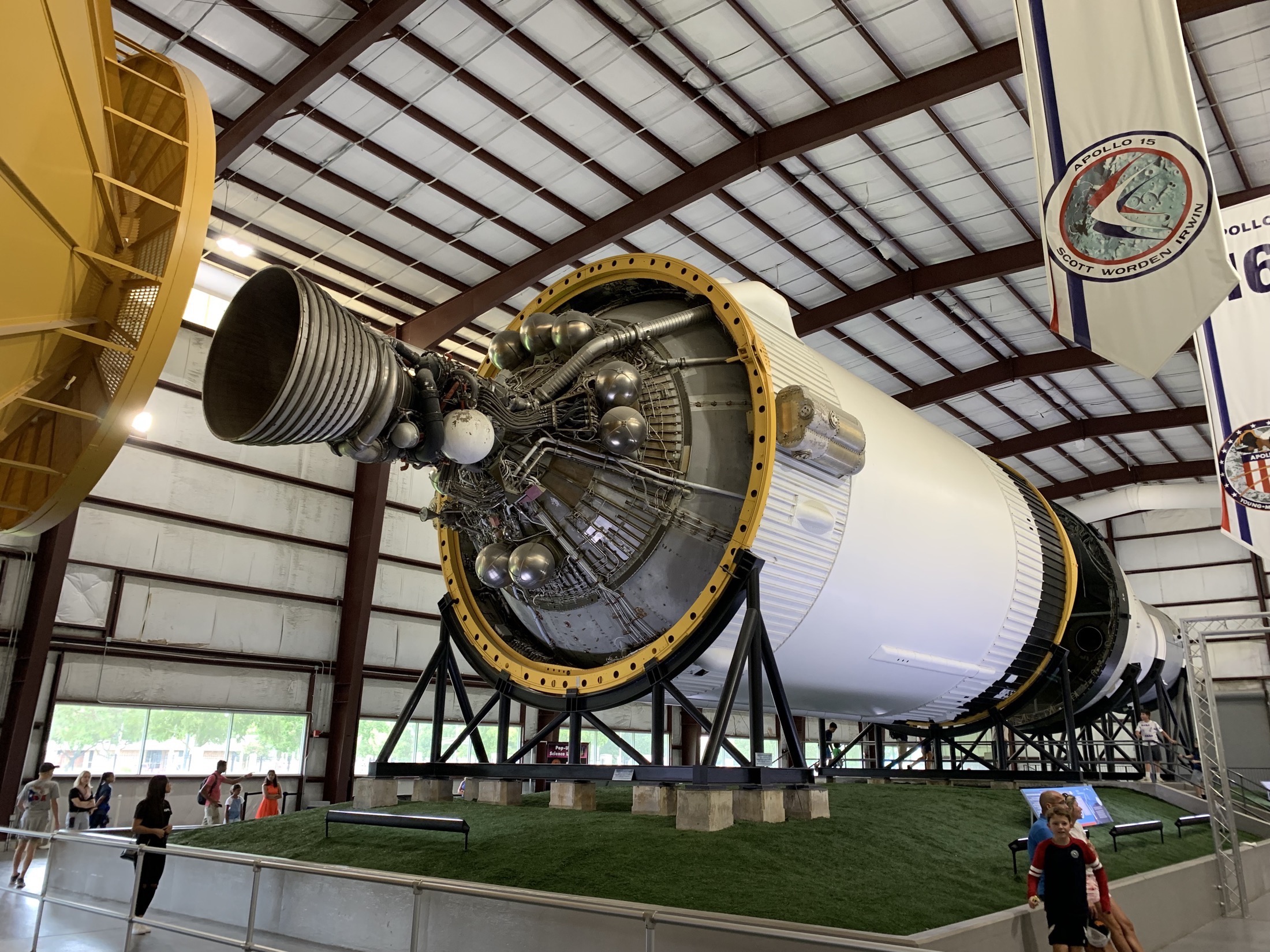
Johnson is home to one of the three remaining Saturn V rockets that were left after the Apollo program ended. I have now seen all three, having previously been to Kennedy Space Center in Florida and to Huntsville’s Marshall Space Center. Those two rockets are lifted up in their buildings, so visitors can walk underneath them, but the Houston example is at ground level, and I think feels even more impressive because of it:
Before I got to Houston, I thought that the Neutral Buoyancy Lab would be the highlight of the tour for me, but I was wrong, because we got to go inside the recently-renovated Apollo Mission Control. I cannot do the feelings I had when we walked in any justice here, so I will simply provide this link about the renovation and share some of my photos.
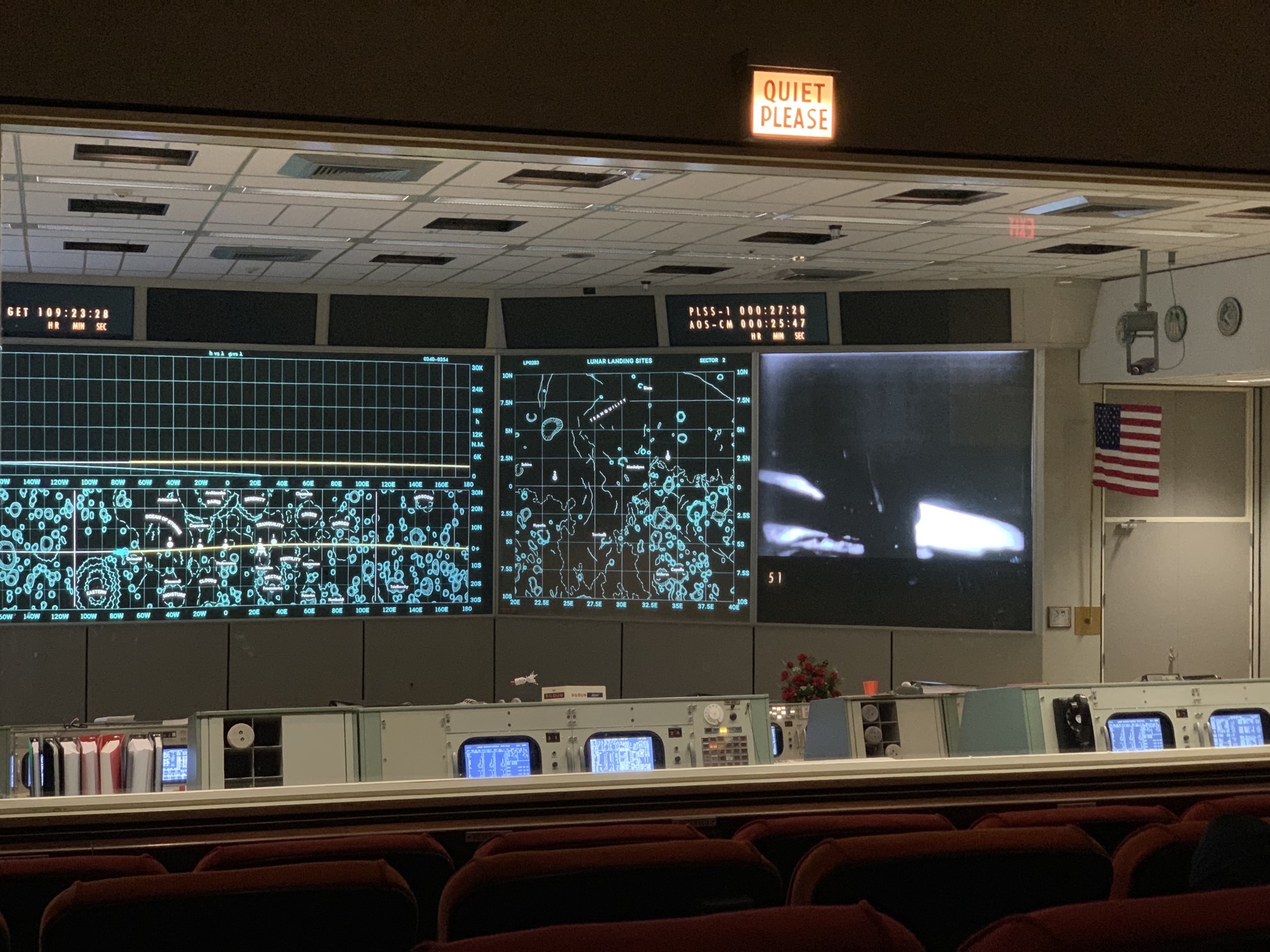
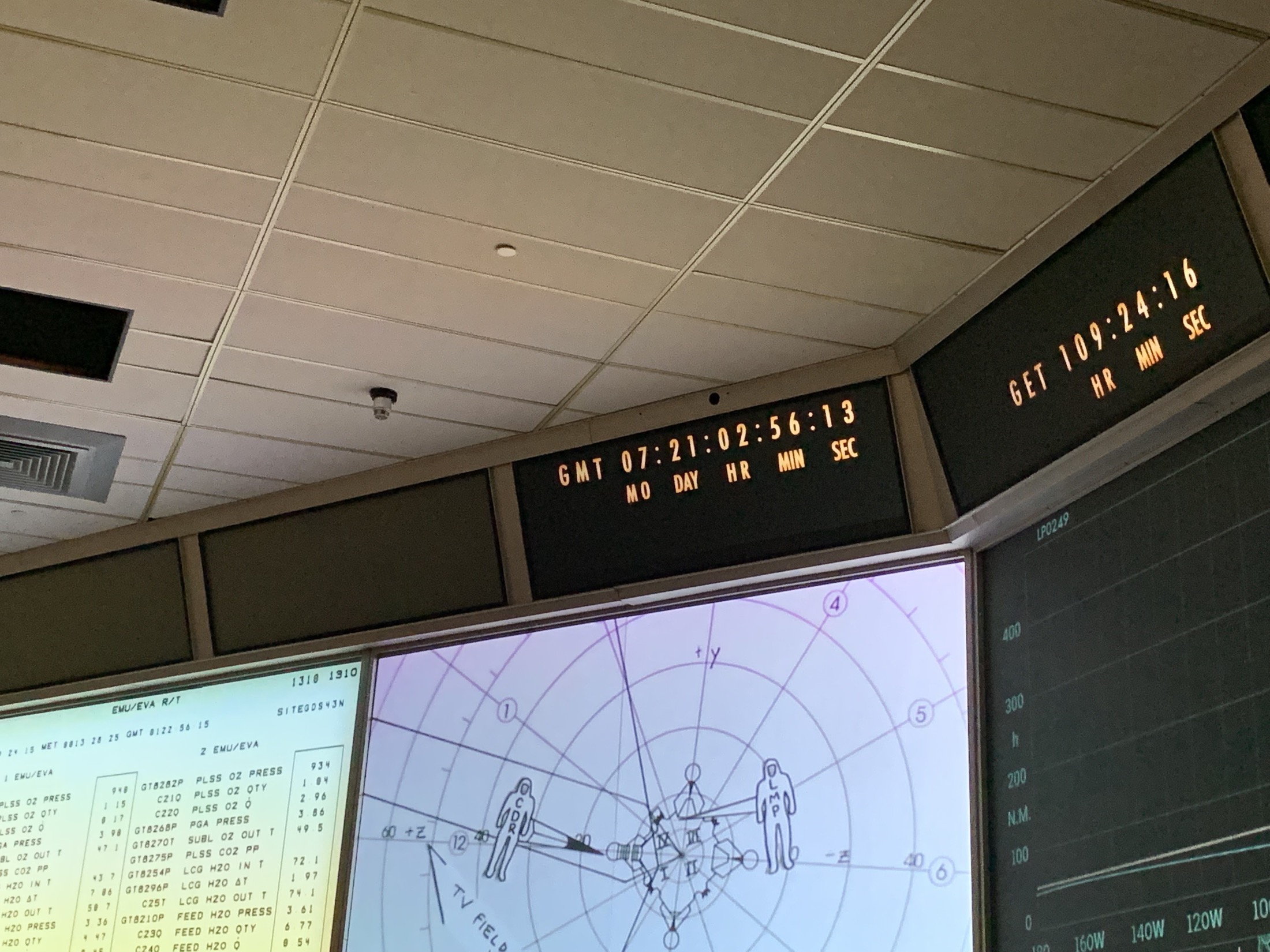
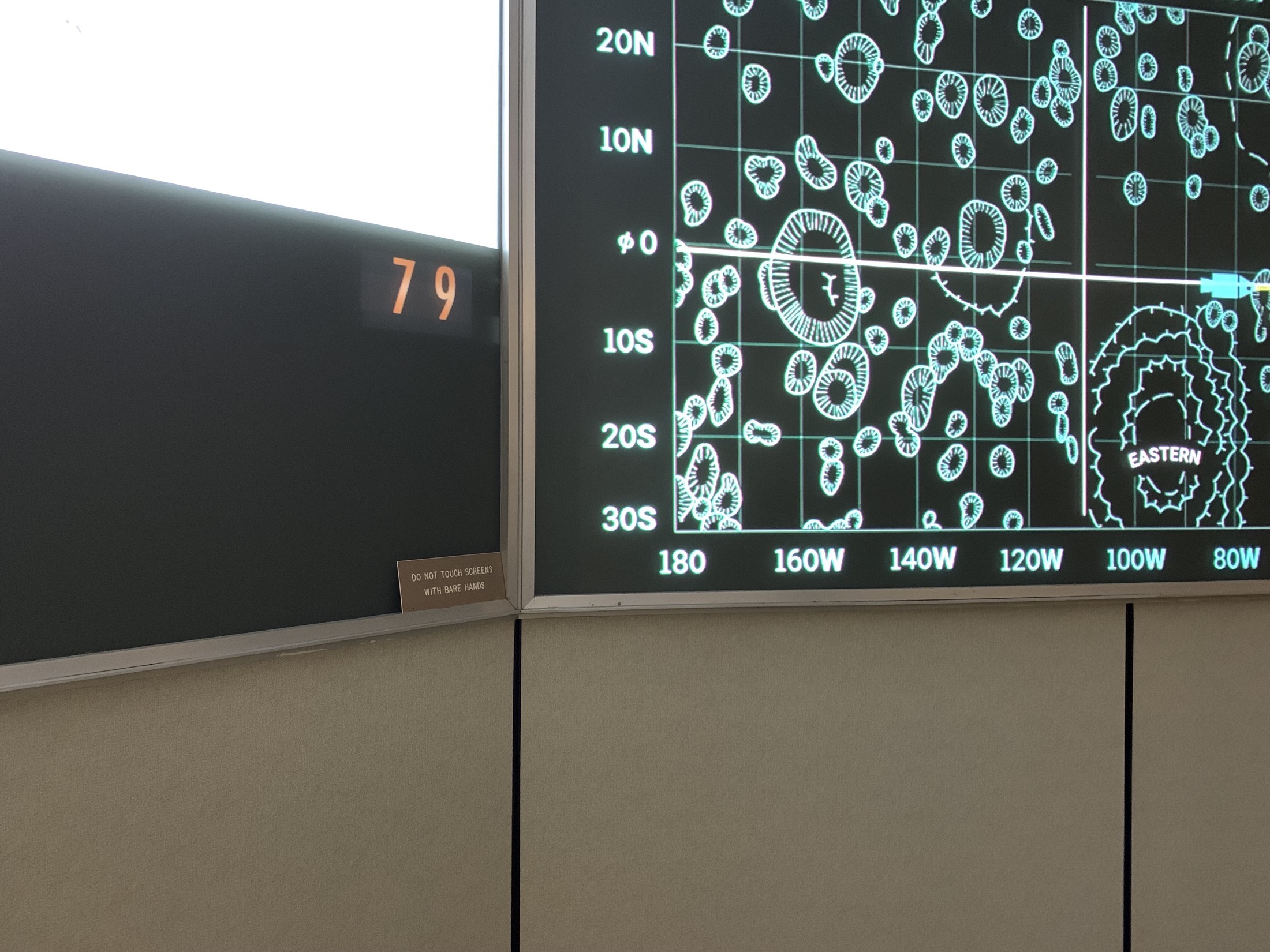
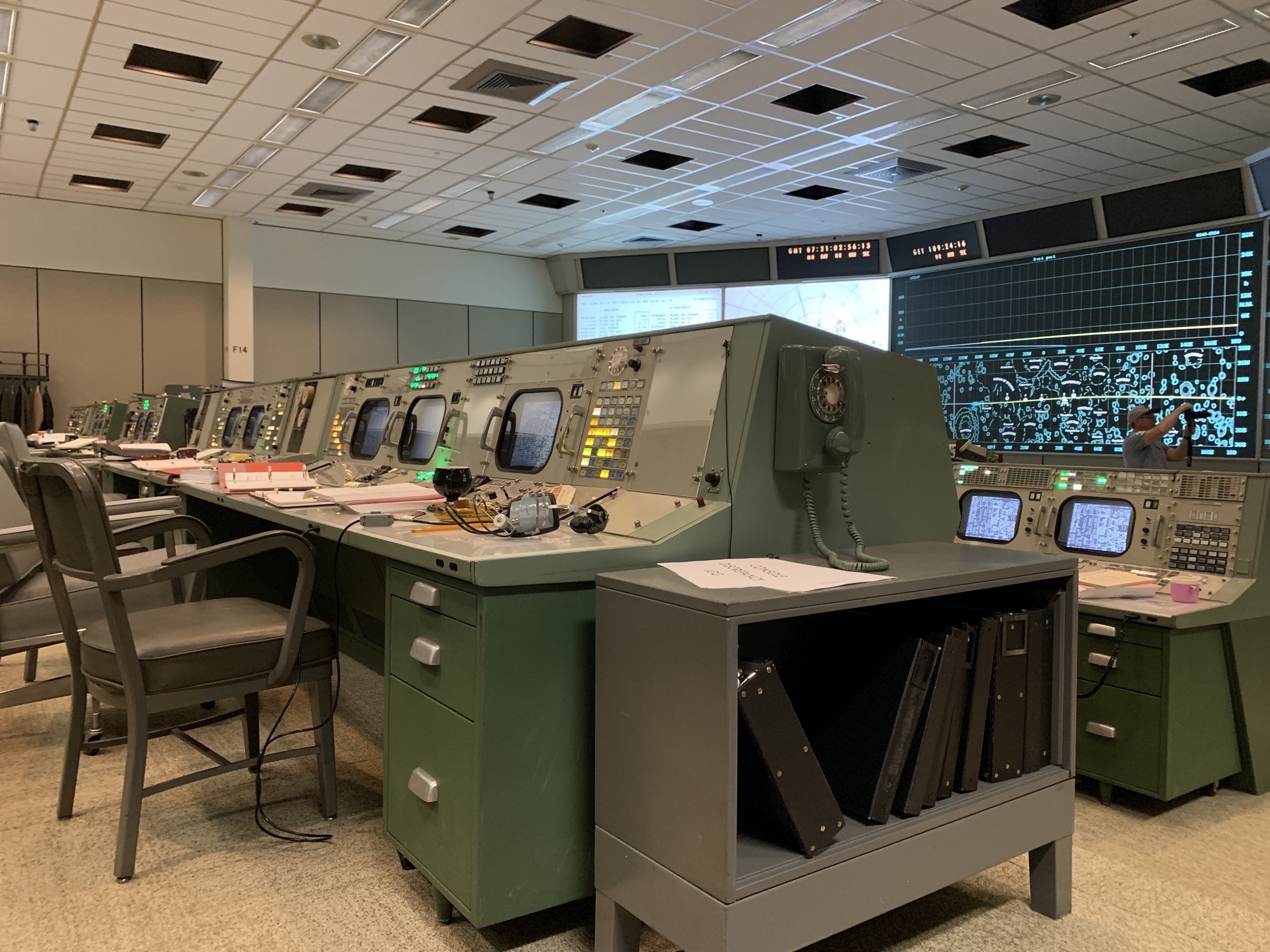
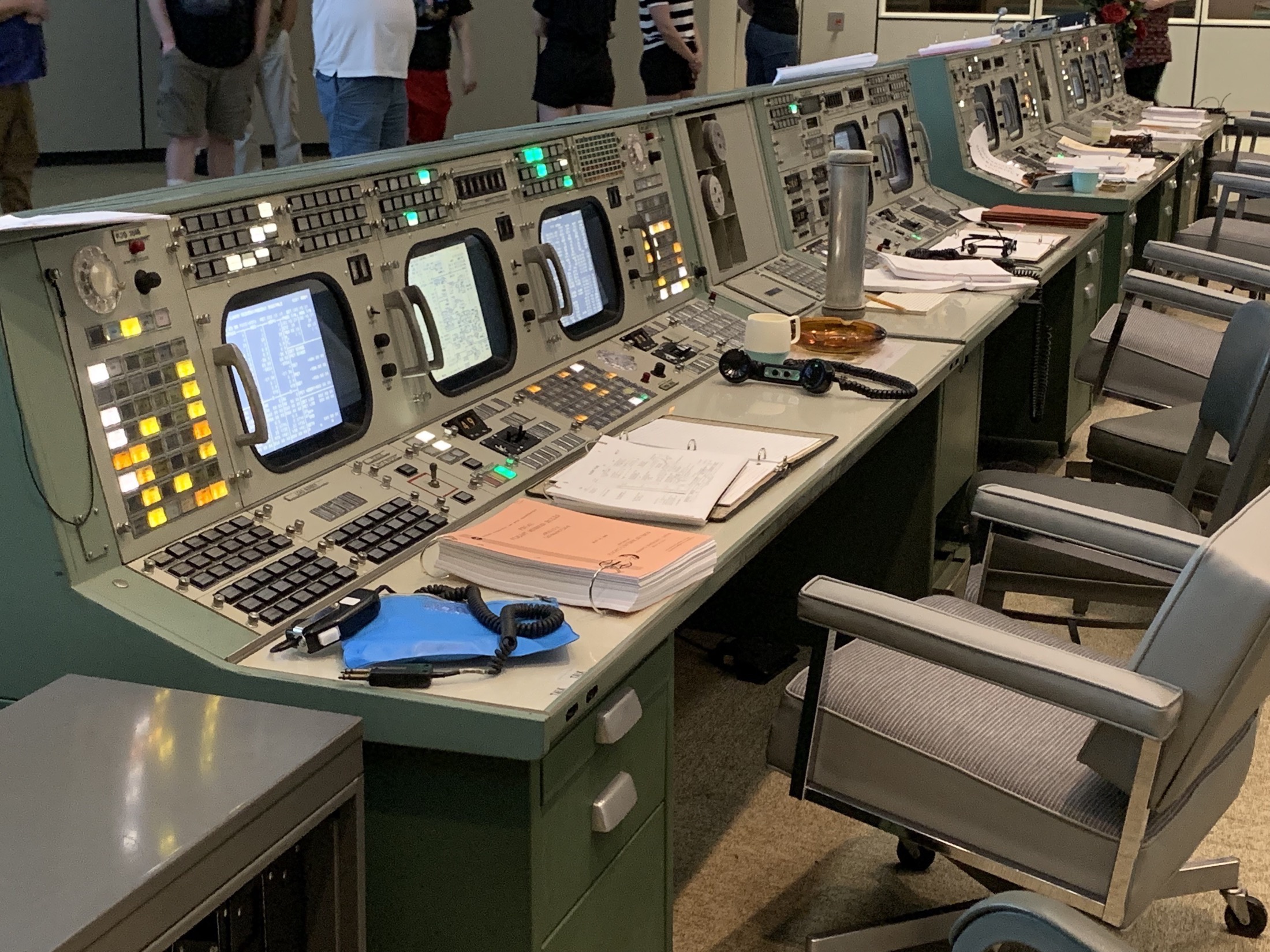
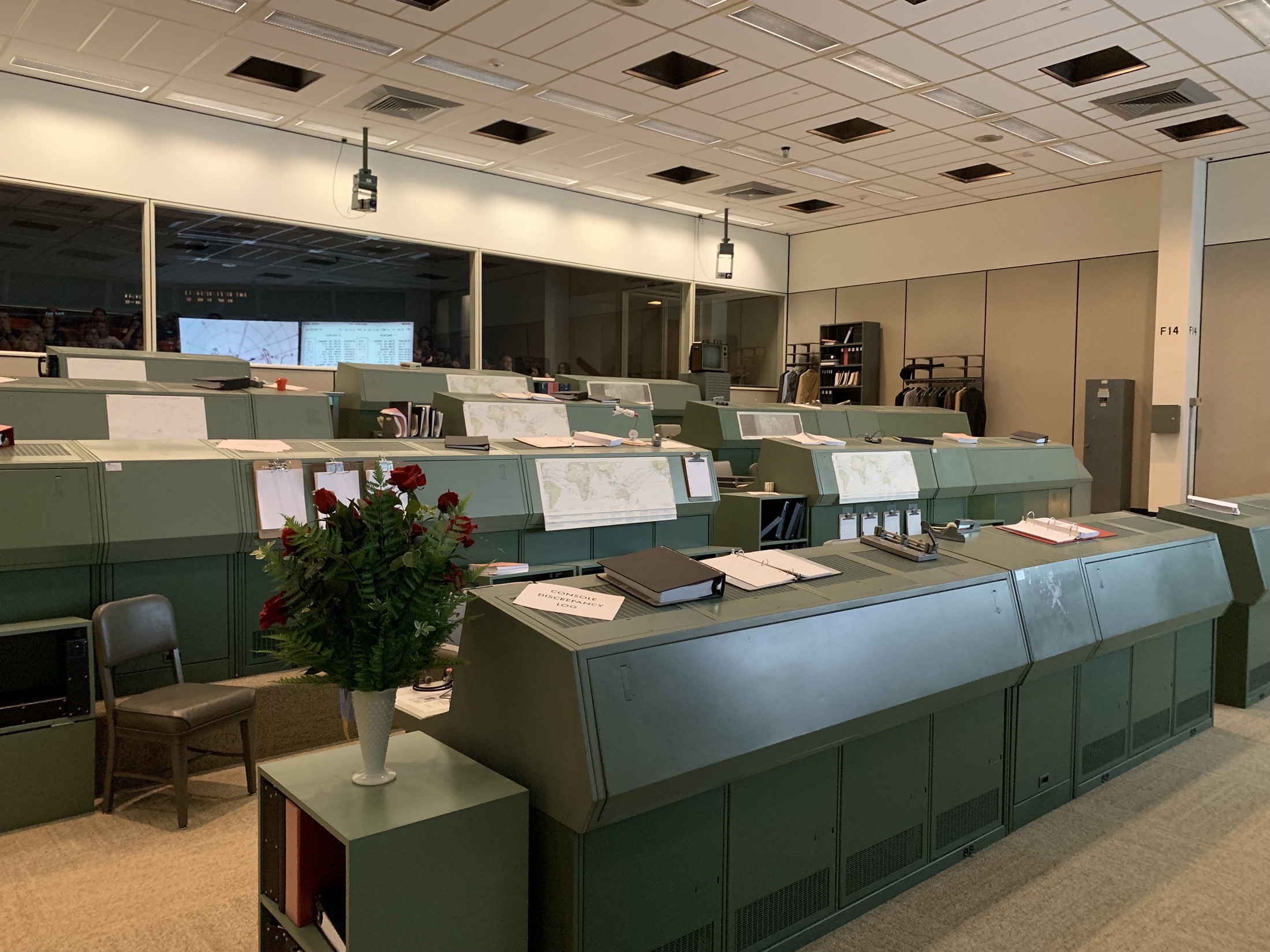
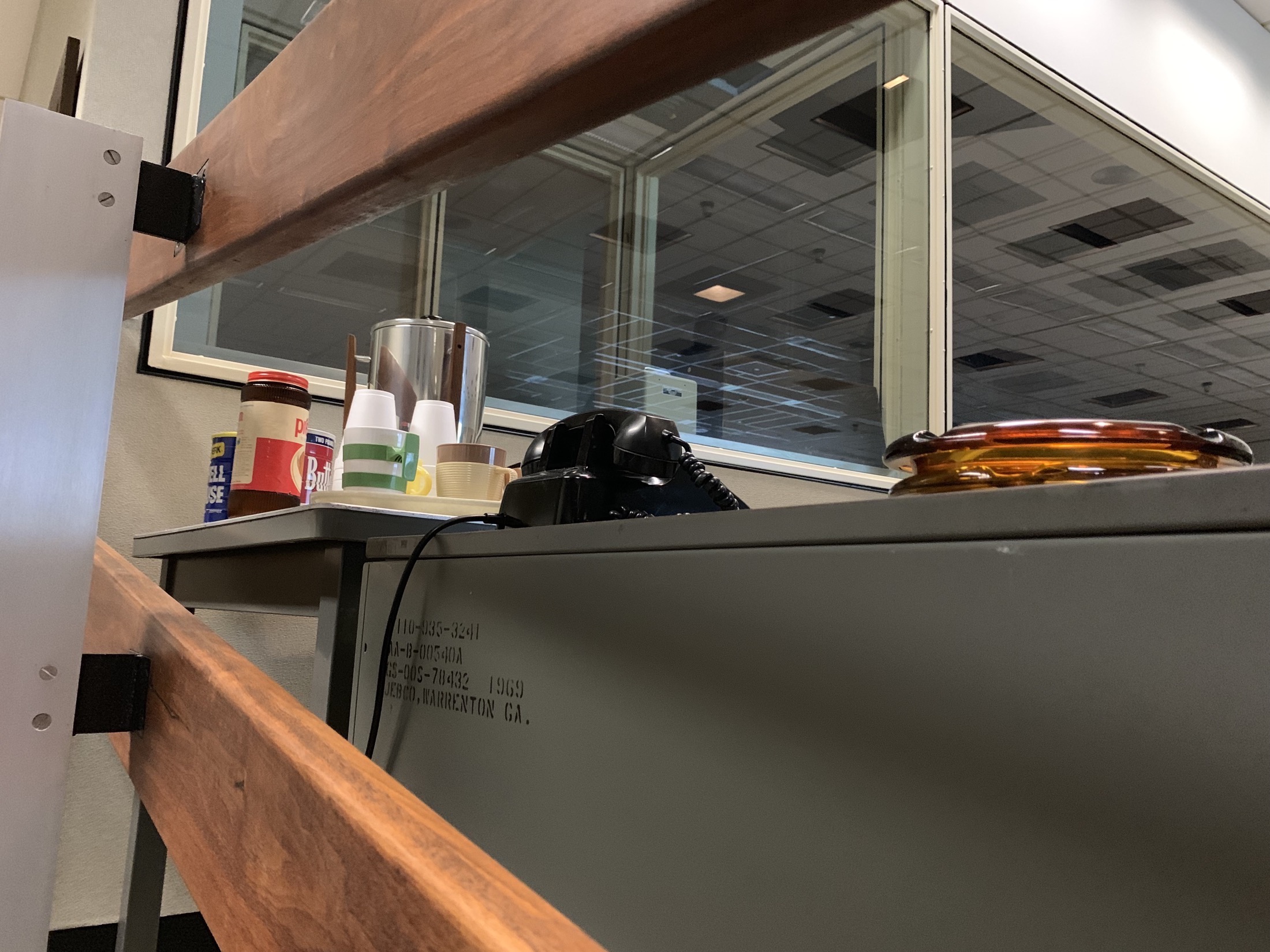
Apollo Mission Control is hallowed ground to many space nerds, and it was breathtaking to spend some time in the room where the work of 400,000 people coalesced into a single room to answer a radio call from the heavens.
“Houston…”
-
Speaking of Liftoff, we discussed this trip in great detail on episode 105 of the show. ↩︎
Kbase Article of the Week: MainStage: What is MainStage? ⇢
MainStage is one of those pro apps that most people don’t know about, but if you’ve been to a concert recently, have probably heard at work.
Connected #255: Addicted to the Thrill of Cyber Crime ⇢
Federico is just a pile of recurring automations now, so Myke and Stephen discuss the rollout of Apple Card and the macOS bounty program, before a dive into FileMaker’s history and recent rebranding and a discussion of moving on from the Apple Watch.
Not everyday you get to talk about ClarisWorks 1.0 coming to Windows.
My thanks to our sponsors:
- Squarespace: Make your next move. Enter offer code CONNECTED at checkout to get 10% off your first purchase.
- Hover: Make a name for yourself. Get 10% off any domain name.
- Care/of: Personalized vitamins, protein and more, delivered to your door. Use ‘connected’ for 25% off.
The Mac Observatory ⇢
Andrew Burwell has put together an amazing site of his astrophotography, a collection of images he has created with a series of telescopes and the Mac. He has some truly beautiful photos posted.
Relay FM Family Feud Listener Survey ⇢
For our upcoming live show to mark the 5th anniversary of Relay FM, we’re going to be playing Family Feud with over 15 of our hosts. If you have a second, I’d love it if you’d answer a couple quick questions for us.
Kbase Article of the Week: Apple Cinema Display (30-inch DVI) Might Show 1280 x 800 as Maximum Resolution ⇢
Just in case you thought the UltraFine Display being limited to 4K resolution when connected to a USB-C device like the MacBook or iPad Pro, as opposed to showing 5K resolution when connected over Thunderbolt 3, this sort of problem is not new:
When you connect an Apple Cinema Display (30-inch DVI) to your computer, you may find that the highest available resolution is 1280 x 800 even though the optimum resolution for the display is 2560 x 1600. This can happen if the display has a single-link DVI connection instead of a dual-link DVI connection.
FileMaker Inc. Rebrands as Claris ⇢
Didn’t think this would be a story I’d ever link to, but here we are. Frederic Lardinois at TechCrunch reports:
Remember Claris, the 1987 Apple spin-off that made applications like MacWrite, MacPaint and FileMaker? In 1998, Apple brought all of those products in-house again, with the exception of the low-code application platform FileMaker . With that move, Claris changed its name to FileMaker Inc. Today, however, the Claris name rises from the dead, as FileMaker Inc. is changing its name to Claris International. The name of the FileMaker product itself, though, remains the same.
According to the report, the company is launching Claris Connect, “a tool for integrating various cloud services and automating workflows between them.”
Mac Power Users #494: Our Home Offices ⇢
David and Stephen talk about their home offices: how they are setup, what equipment and furnishings are used and — of course — what nerdy toys are around. Then, a discussion about the pros and cons of working from home.
In preparation for this episode, I put together this page showing photos of my studio.
My thanks to our sponsors:
- 1Password: Have you ever forgotten a password? You don’t have to worry about that anymore.
- The Omni Group: We’re passionate about productivity for Mac, iPhone and iPad.
- Squarespace: Make your next move. Enter offer code MPU at checkout to get 10% off your first purchase.
- Linode: High performance SSD Linux servers for all of your infrastructure needs. Get a $20 credit.
Review: Insignia Wi-Fi Garage Door Controller for HomeKit
In a recent stay with John Voorhees, I noticed him asking Siri to open his garage door. He told me he was using the Insignia Wi-Fi Garage Door Controller, which he reviewed for MacStories earlier this year.
As someone who frequently worries about having left the garage door up after leaving, I knew this was a device I needed to check out, so I ordered one on the spot.
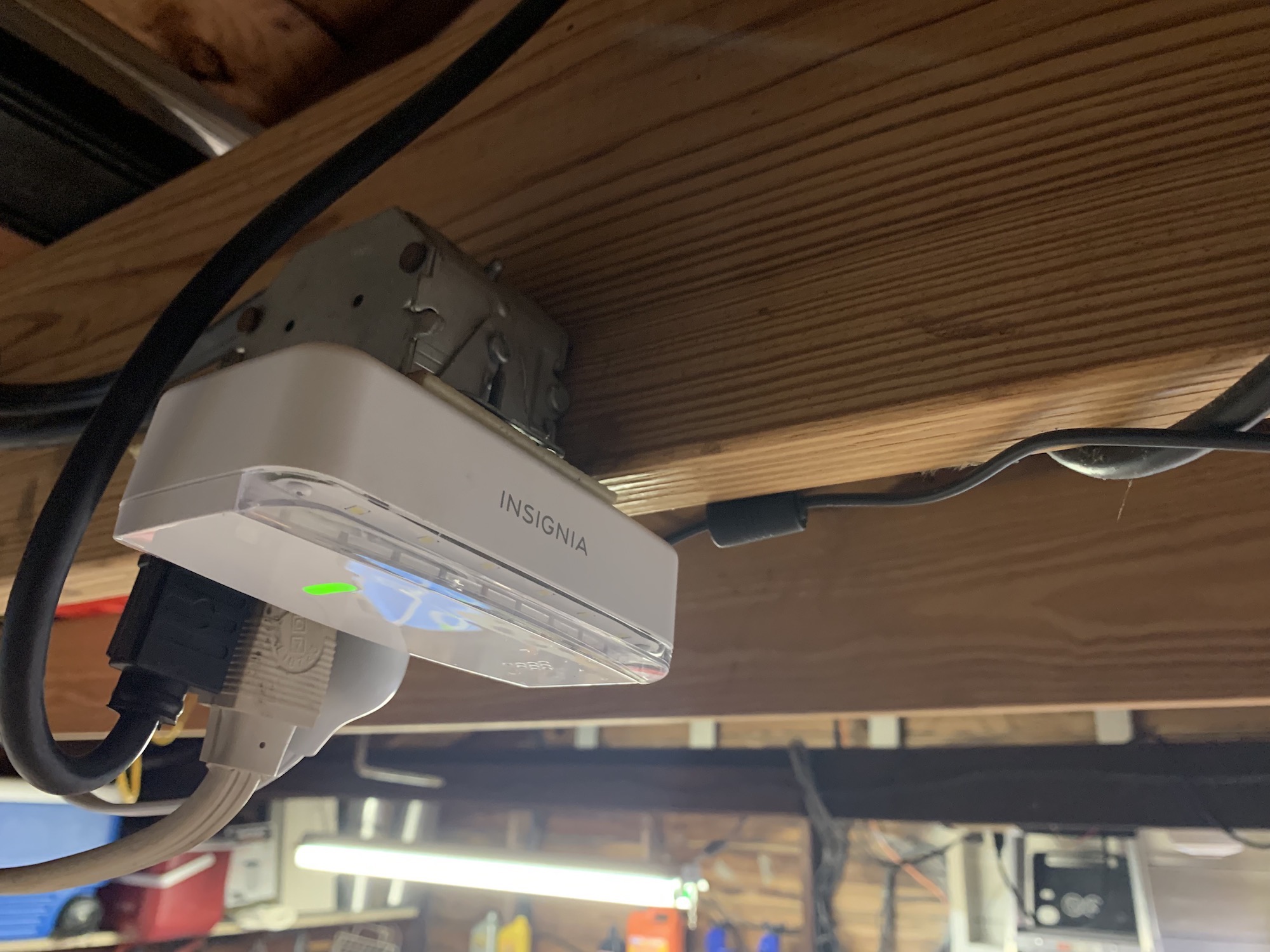
The controller is actually two separate components. The first plugs into power and runs small wires into the garage door opener itself:
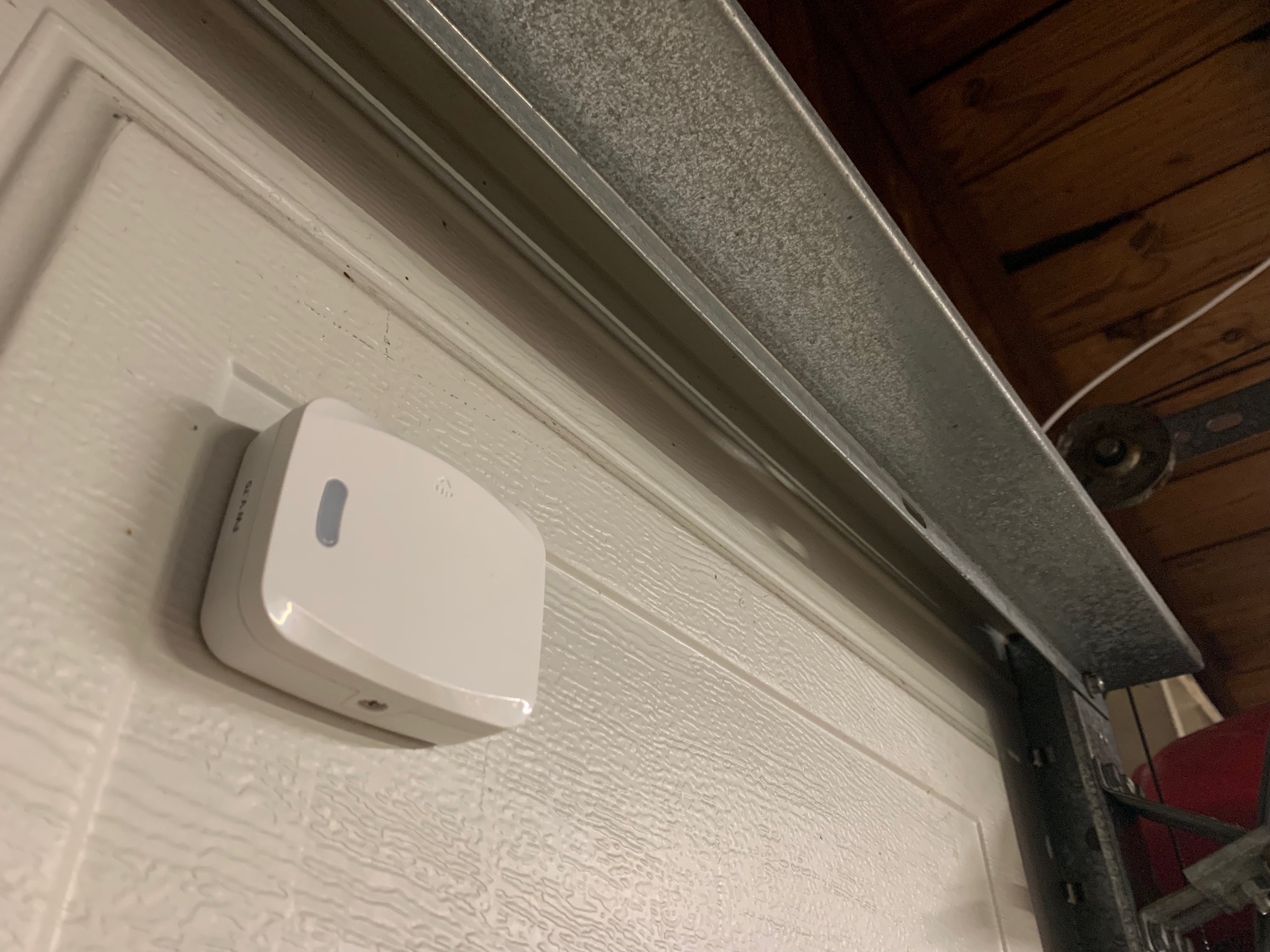
The other part is a wireless transmitter that attaches to the garage door to tell HomeKit if the door is open or closed:
Setup was pretty straight forward. I had to take the panel off my door opener — after unplugging it, of course — and back out two screws to slip a new pair of wires onto the contacts. This method will vary opener to opener, but was easy enough on mine.
The beauty of this approach is that all other methods of opening and closing the door continue to work. In my garage’s case, that’s a pair of old-school wireless remotes and a doorbell-like button in the garage itself.
Those small wires join and plug into the main unit, which has a HomeKit barcode on the side to join it to the wireless network. I have pretty good coverage in my garage, but even so, the opener can be slow at times to report its status back to HomeKit, but more on that later.
Unlike many HomeKit devices, the Insignia doesn’t require its own iOS app to function; it talks directly to HomeKit and shows up in the Home app and is accessible via Siri. All of this just works without any configuration past adding the HomeKit device to the Home app.
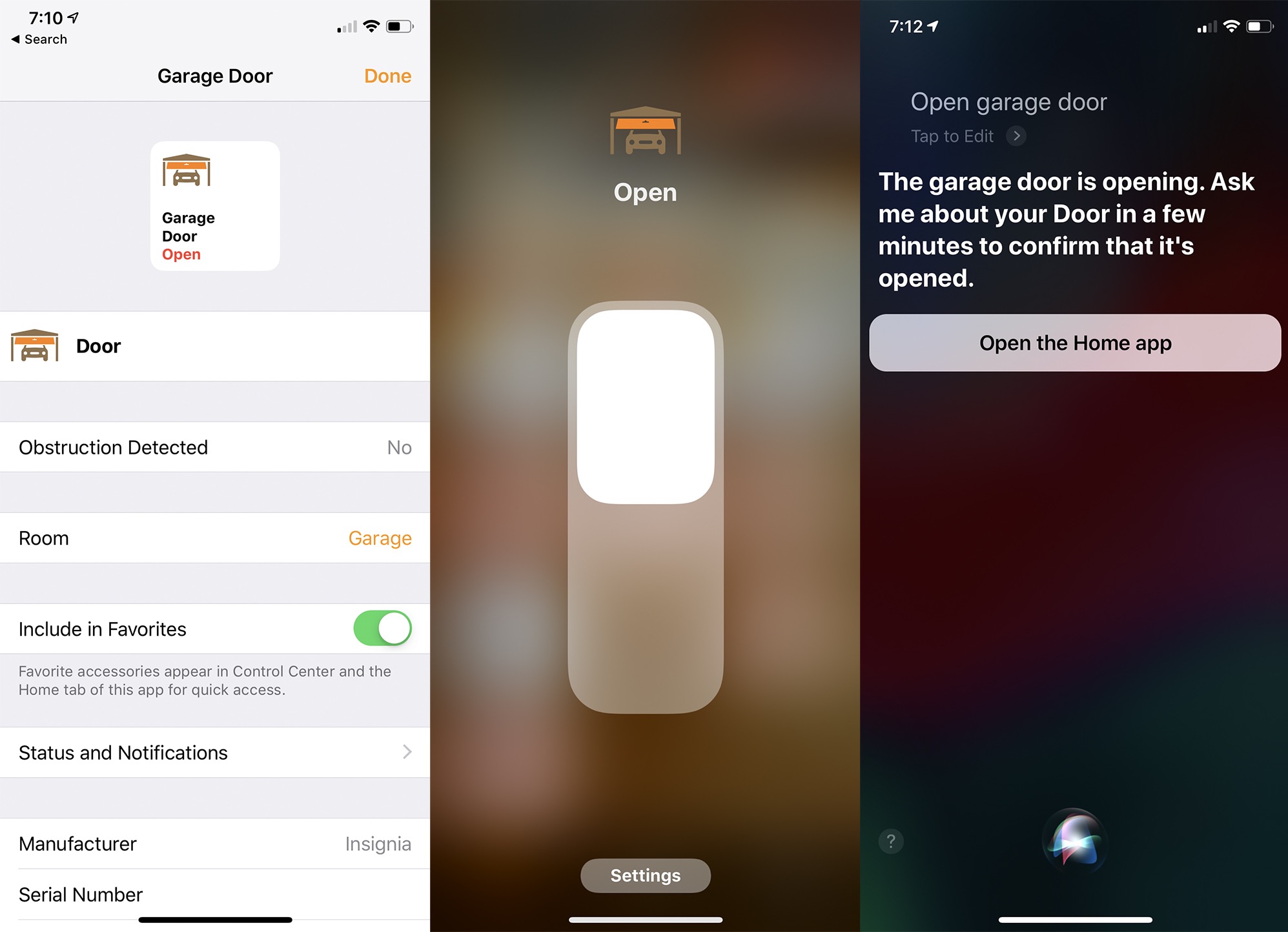
In addition to the HomeKit and Siri control, the opener will send a push notification when the status of the door changes. These can be adjusted to be sent only during certain times of day or if certain people are or are not home.
My only complaint is that the device can be a little slow to respond to commands, and the UI in Home takes a moment to update after the door has changed status. The speed is by no means a deal breaker to have access to your garage door anywhere in the world, but it is a little annoying.
At the end of the day, the Insigina Garage Door Controller does what it advertises: puts your garage door on HomeKit with minimal fuss or disruption. HomeKit continues its slow march toward being a powerful, trustworthy system, and this is just another example of the ecosystem continuing to become more useful.
Ungeniused #84: Balloonfest ’86 ⇢
It sounds like releasing 1.5 million balloons to raise money would be a good idea, but in 1986, the people of Cleveland, Ohio learned that it is not.
This would be a fun one if it weren’t for the dead bodies.
My thanks to our sponsor for the episode:
- ButcherBox: Thoughtfully sourced meat delivered directly to your door. Get 6 burgers free all summer.