The Connected trio tackle iCloud storage limitations, iPhone reviews and changes made to some big iOS apps.
My thanks to our sponsor:
- Pearl RearVision: The wireless backup camera redefined.

The Connected trio tackle iCloud storage limitations, iPhone reviews and changes made to some big iOS apps.
My thanks to our sponsor:
I can’t wait until this article talks about the Mac as well.
Jim Dalrymple at the Loop, following-up on the controversy surrounding Dash:
Apple’s anti-fraud team has apparently been working with the developer for some time to stop fraudulent positive reviews, and negative reviews on competitors accounts. According to Apple, all attempts to work with the developer have failed, resulting in the account being terminated.
“Almost 1,000 fraudulent reviews were detected across two accounts and 25 apps for this developer so we removed their apps and accounts from the App Store,” Apple spokesperson, Tom Newmayr, said in a statement provided to The Loop on Monday. “Warning was given in advance of the termination and attempts were made to resolve the issue with the developer but they were unsuccessful. We will terminate developer accounts for ratings and review fraud, including actions designed to hurt other developers. This is a responsibility that we take very seriously, on behalf of all of our customers and developers.”
Damn.
If this is true, then it would be hard to say that Apple has done anything wrong. In fact, we want Apple to notice fraudulent reviews (since they harm consumers and other developers), get them removed, and work things out with the developer.
I don’t know what’s true here. It wouldn’t be right for Apple to make all the evidence public, and it wouldn’t be right for Apple to publish their correspondence with him. So it’s likely we won’t ever know more than we do right now.
Damn. Damn.
From what I’ve been told by sources at Apple, it’s not about Dash, which is a very popular app (and deservedly so). It’s about the other 20-some apps from the same developer, which he apparently published through one or more different developer accounts. I think one reason why the developer community has rallied behind this developer is that the account for Dash had no other apps associated with it. Now that this story is breaking, the developer community is uncovering some of these apps. Most of them are generic consumer utility apps.
Update: The developer has replied with his side of the story. This is wild.
In many ways, the iPhone 7 feels like a portable computer from the future – only in a tangible, practical way that is here with us today.
Apple put the final nail in the Xserve’s coffin in January 2011 when it officially stopped selling rack-mounted servers. Instead, the company started pushing server customers toward Mac Pros and Minis. On Sept. 20 of this year, Apple lowered that coffin into the ground when macOS Sierra dropped software support for the systems. And while Xserves running El Capitan will keep getting security updates for a couple of years and the current build of the macOS Server software still runs on El Capitan, the hardware will soon be completely buried.
For a few years after the Xserve’s death, the company offered Mac Pro and Mac Mini Server configurations (PDF) that could do some of the same things, but even those options eventually disappeared. Even though Apple never offered true server-class hardware again, that doesn’t mean the hardware isn’t still out there doing its job.
If you own a Samsung Galaxy Note 7 you should immediately stop using it and return it for a refund — all the major US carriers will exchange the phone, regardless of purchase date. We don’t know why Samsung hasn’t been more forthcoming about what’s going on with these replacement devices, but it doesn’t really matter. Until we get more information, the simplest explanation is the best one: The Samsung Galaxy Note 7 is a fundamentally defective product and it should be pulled from the market without delay.
I know there have been plenty of jokes from the Apple camp over this story, but this phone is defective and dangerous. Samsung should pull the Note 7 from shelves and refund 100% of its customers.
First of all, a huge thank you to everyone who donate to St. Jude last month. I’m going to leave a link to the page in the sidebar for a while. If you haven’t gotten a chance to look at it yet, I’d be honored if you’d check it out.
I’ve opened up RSS Sponsorship slots for October. If you are interested in advertising an app, service, project or something else, let me know.
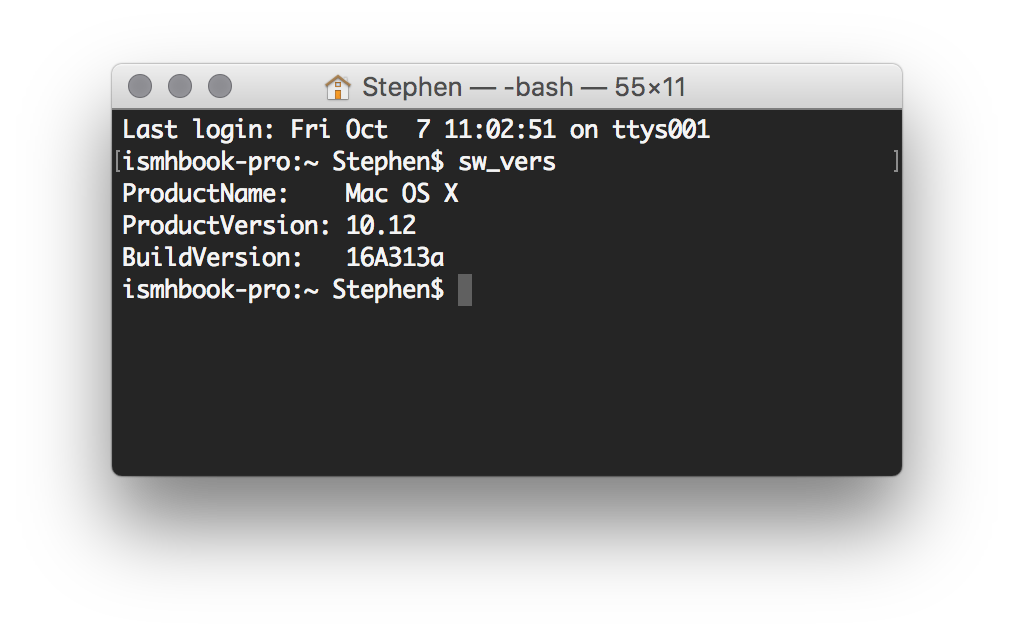
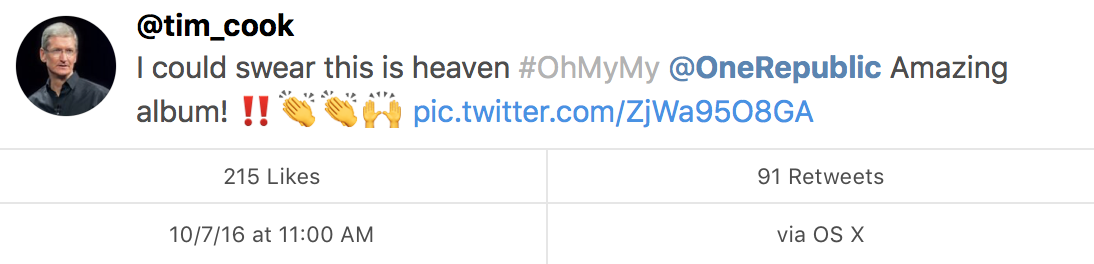
With Apple changing Mac OS X to macOS this summer, it’s not surprising that some loose ends with the old branding are still easy to find. In comparison with actual issues, this is admittedly silly, but I’ve turned it into a little game.
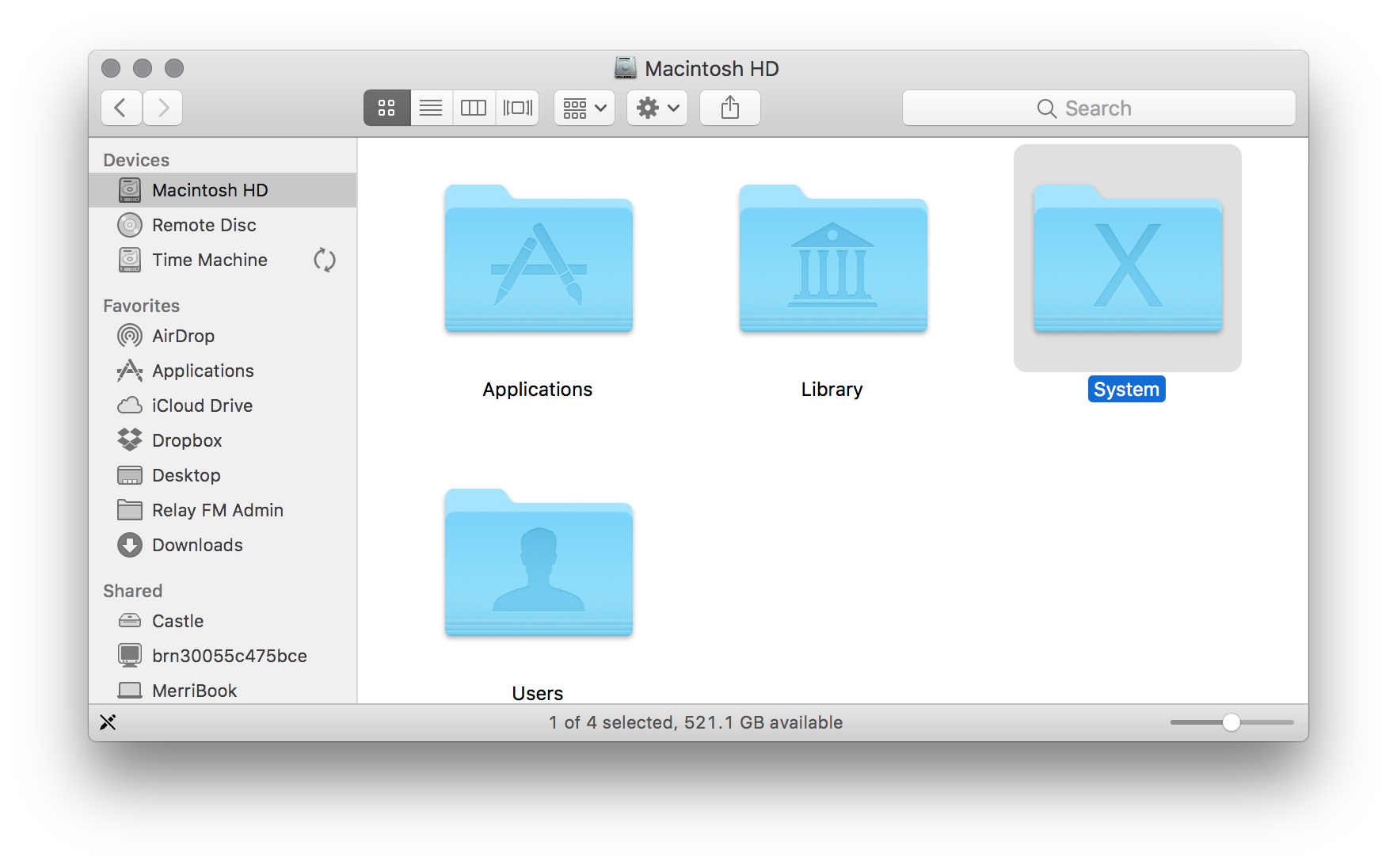
@ismh @512px Found another one. pic.twitter.com/oV99bw30Xa
— Bart Dorsey (@bartdorsey) October 7, 2016
@ismh @512px found another instance of “Mac OS X” appearing in macOS Sierra through warnings in Clang pic.twitter.com/Gcp0j9HpxV
— Zach (@zmknox) October 8, 2016
Now that the iPhone 7 starts at 32 GB of storage, the constant juggling needed to avoid a full device has been left behind by more users than ever before.
So let’s talk about iCloud storage.
While not as critical as on-device storage, available space in iCloud is an increasingly important factor in the user experience of Apple devices like iPhones, iPads and even the Mac.
Here’s how Apple pitches paying for additional storage space:
You get 5GB of free storage in iCloud and you have the option to choose a plan for up to 2TB. More iCloud storage means more space to store your photos, videos, documents, and apps, so they’re always available from any device. iCloud Photo Library and iCloud Drive can also help free up space on your devices. You can upgrade your storage option right from your Mac or iOS device.
As of this writing, this is what Apple charges:
Space:Cost Per Month:5 GBFree50 GB$0.99200 GB$2.991 TB$9.992 TB$19.99
Here’s everything iCloud offers to store:
5 GB often isn’t enough to back up an iPhone and an iPad, let alone store years worth of family photos.
Unlike One Drive or even Dropbox, iCloud storage is key to extending and improving the experience of using a Mac or iPhone. Dropbox may be a semi-magical folder that syncs data to other devices, but iCloud is the glue between Apple’s various platforms.
Photos.app is better with iCloud Photo Library than it is with Photo Stream. iCloud backups are easier and simpler than iTunes backups. Files stored in iCloud Drive are easier to use in apps like iWork for iOS than those stored in other systems.
As this layer of glue becomes more important, the free 5 GB plan becomes increasingly problematic. It may have been fine when Apple announced iCloud five years ago.
Back then, iCloud could be used to store data from apps like iWork, but it wasn’t as widely used — or as reliable — as iCloud Drive is today. iCloud Photo Library didn’t exist, and Photo Stream didn’t count against the 5 GB limit.
Today, countless little niceties depend on iCloud, and simply don’t work with a full account. Due to the 5 GB limit, people go as far as turning off their device backups, leaving their data at greater risk of being lost.
A popular suggestion is to grant users additional space based on the devices they purchase. Buy a 128 GB iPhone 7, get another 128 GB worth of storage on iCloud. While I like the idea, I’m not sure it’s feasible. What happens if you are like me and buy a new iPhone every year? Does my free storage just increase forever, or does it get adjusted based on my active devices?
Another common suggestion goes along the lines of “Apple has a pile of money, so they can afford to give everyone more storage.”
That’s a fair statement to a degree. There is an aspect of the 5 GB limit that feels … stingy.
There’s more to it than that, I’m sure. I’m no data center expert, but bumping everyone to even 10 GB would be a huge increase in disk space needed at Apple’s data centers. I don’t know what that sort of change would cost, but I can imagine it’d be huge based on Apple’s sheer number of customers. Whatever slice of profit off of iPhone hardware goes to paying for iCloud storage would certainly take a hit.
I’m sure this is why a change hasn’t been made.
However, I think it’s something the company should consider biting the bullet on. I hope that something is underway to increase the space Apple provides for free.
It may not make much sense in black and white, but it’s the right thing to do.
Jason Snell, writing about the space-saving features in macOS Sierra:
The result is a whole raft of features in macOS Sierra that are all about freeing up more space on your drive. Some of the features work well, while others seem buggy or poorly implemented. macOS Sierra also changes the rules about how free space has been calculated on the Mac since the very beginning.
If you’re running Sierra, you should read this before checking any boxes related to these features.
Bogdan Popescu, writing about his app Dash:
Yesterday I sent Apple a request to migrate my account from an individual one to a company one. Once I verified my company with its D-U-N-S Number, they notified me that some features in iTunes Connect won’t be available during account migration.
A while later my iTunes Connect account started showing as “CLOSED” and my apps were removed from sale. I thought this was normal and part of the migration.
Today I called them and they confirmed my account migration went through and that everything is okay as far as they can tell. A few hours ago I received a “Notice of Termination” email, saying that my account was terminated due to fraudulent conduct. I called them again and they said they can’t provide more information.
Apple needs to make this right.
On the fifth anniversary of Jobs’s death, we’ve compiled some of his D Conference highlights into the video above. (I also used the opportunity to ask Swisher and Mossberg about what it was like to host Jobs at their conference. As you might guess, he was a unique participant.)