
Remember the 30th Anniversary Mac font from a few years ago? Robb Knight has recreated those glyphs as SVGs and they are glorious.
posts
Connected #434: You Won’t Believe This New Scam⇢
This week on Connected, I read some poetry, some Macs got reviewed and Federico makes a confession about his computing life.
On the longer ad-free version of the show, Federico tells me about running Ethernet through his new home.
HiDock⇢
If you use a portable Mac with an external display, this free app looks like it’d be a lifesaver.
Inside the M2 Pro Mac mini⇢
As Brian Stucki has discovered, the guts of the most powerful Mac mini ever help explain why the M1 model was mostly empty.
They’ll Leave the Light on For You
The lights at Massachusetts’ Minnechaug Regional High School burn ever bright. They actually never turn off. They can’t turn off. The smart lighting system for the entire building is broken, and it’s stuck in the “on” position. It has apparently been this way for over a year now, and the electric bills are really starting to pile up.
“We are very much aware this is costing taxpayers a significant amount of money,” the school district’s assistant superintendent of finance, Aaron Osborne, told NBC News. “And we have been doing everything we can to get this problem solved.”
Kbase Article of the Week: FAXstf: "Set To Answer" Conflict With America Online⇢
The version of America Online (AOL) originally bundled with the PowerBook 3400 is 3.0D. This version does not properly deal with the situation when another application, such as FAXstf, is set to answer. Upgrading to AOL version 3.0.1 or later will remedy the situation.
The 3400 was a bangin’ machine, but even the best computers of the 90s often fell to badly written AOL software.
It Was Always Going to Be This Way
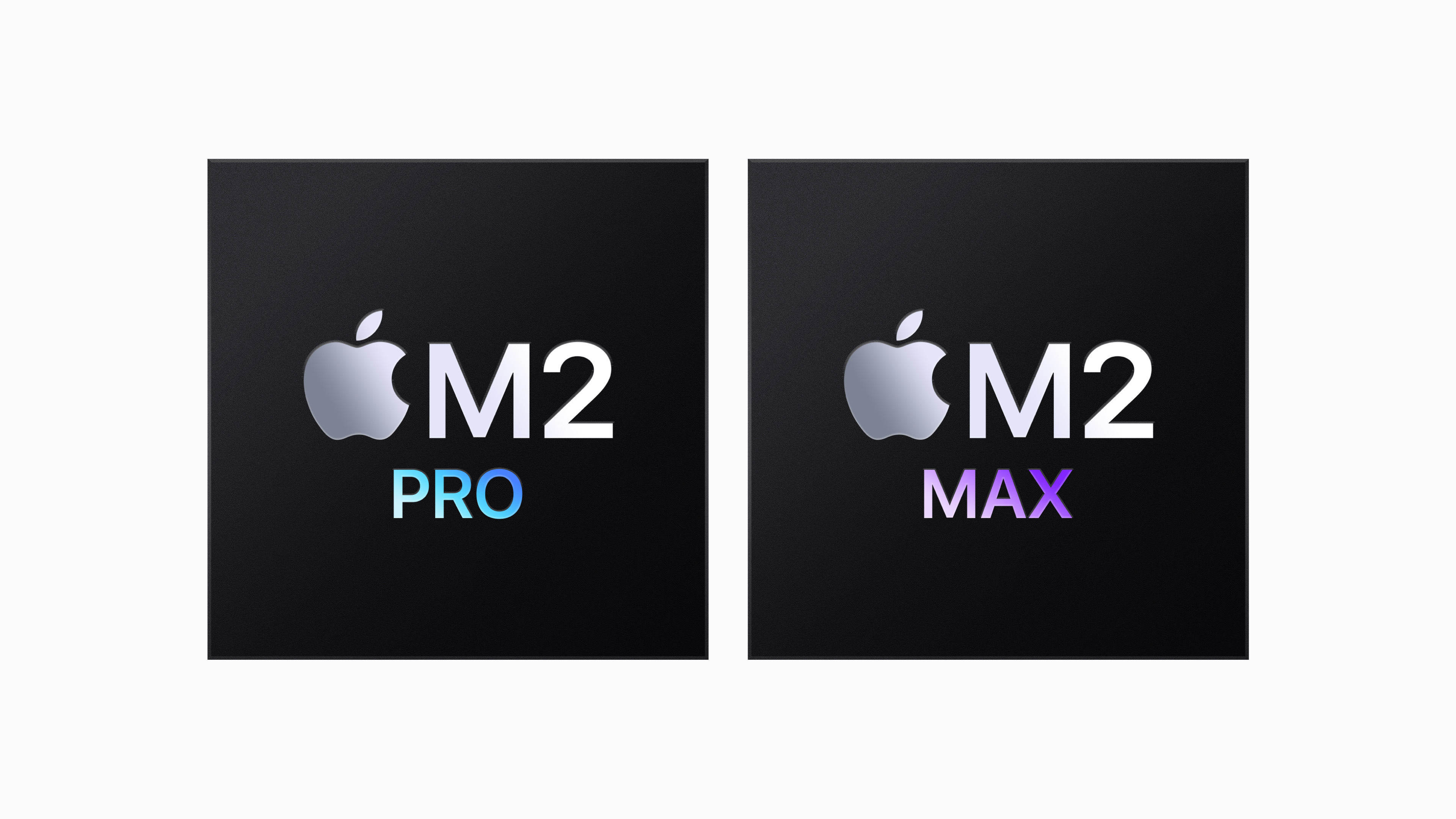
Today’s embargo day for Apple’s new M2 Pro and M2 Max MacBook Pros, as well as the M2 and M2 Pro Mac mini, but last week David Price wrote a column for Macworld that has been bugging me all weekend.1
Let’s start at the top. After giving a recap of the Apple silicon transition to date, Price writes:
It’s hard to stay excited for two and a half years, especially when the start was so strong. There was a noticeable leap forward once the MacBook Air was released from the constraints of Intel’s underpowered Y-series processors, as noted in our review of the late-2020 model that called out its “dramatically better performance and battery life,” and conceded that “the hype is real.” The same was true for the M1 Mac mini and 13-inch MacBook Pro.
But that progress hasn’t been sustained. There’s nothing wrong with this week’s releases, but they’re incremental speed bumps rather than big steps forward. Perhaps the initial M1 speed bump was exaggerated by the eccentric or overcautious choice of Intel chips towards the end of the companies’ relationship, and like Intel and AMD, big gains only come around once in a generation. Benchmarks will likely show decent-enough gains, but this week’s Mac announcements felt as formulaic as they did during the Intel years.
Apple Silicon’s Evolution⇢
Howard Oakley writing at The Electric Light Company on how Apple silicon has grown in the move to the M2 family:
Apple silicon CPU cores are grouped in fours, forming a cluster run at the same frequency and sharing cache. M1 Pro and Max chips are unusual in only having half a cluster of Efficiency (E) cores, for which their frequency is managed differently from the full cluster in a base M1 chip. This ensures that background tasks are completed no slower on their two E cores than they would be on a base M1 chip with twice that number.
Increasing the total number of cores for the M2 Pro and Max shouldn’t have been a difficult design choice. Adding more Performance (P) cores would have required a third cluster, greatly increased energy usage and heat production, and resulted in a larger and more expensive chip. E cores are smaller, more frugal in their energy use, and produce less heat. Adding two E cores was probably the least Apple could do to improve the performance of the M2 Pro/Max over those M1 variants.
Sponsor: Unite 4 for macOS⇢
Unite 4 for macOS allows you to turn any website into an app on your Mac. Using a lightweight, WebKit powered browser as a backend, you can easily create isolated, customizable apps from any site.
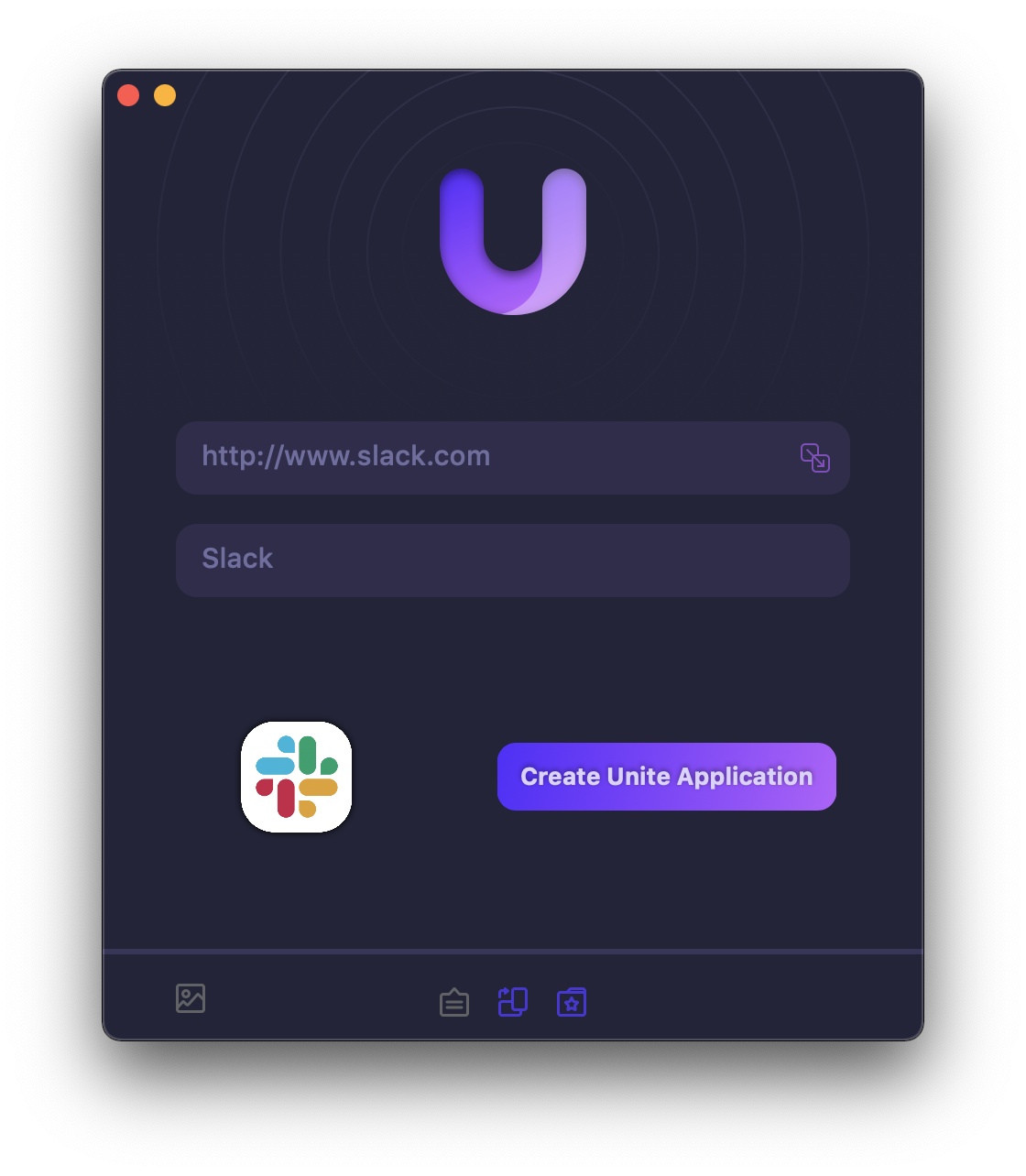
Unite 4 includes dozens of new features, including support for native notifications, new customization options, and much more. Unite apps also serve as a great alternative for resource hogging Electron apps or half-baked Catalyst apps.
Mac Power Users #676: Workflows with Kaitlin Salzke⇢
Kaitlin Salzke is an accountant, student and programmer who has built a library of OmniFocus automations. She joins David and Stephen to talk about using Javascript for automation, working on a PC during the week and pushing the boundaries of what macOS can do.
The End of an Era
Sean Herber at The Iconfactory:
Twitterrific has been discontinued.
A sentence that none of us wanted to write, but have long felt would need to be written someday. We didn’t expect to be writing it so soon, though, and certainly not without having had time to notify you that it was coming. We are sorry to say that the app’s sudden and undignified demise is due to an unannounced and undocumented policy change by an increasingly capricious Twitter – a Twitter that we no longer recognize as trustworthy nor want to work with any longer.
Lisa Source Code Released to Mark Machine’s 40th Anniversary⇢
Carina Sweet at The Computer History Museum:
Mountain View, CA – Jan. 19, 2023: The Computer History Museum (CHM), the leading museum exploring the history of computing and its impact on the human experience, today announced the public release and long-term preservation of the source code for the Apple Lisa, including its system and applications software, as part of its Art of Code series. Forty years ago today, Apple, Inc. released the Lisa computer, a milestone in computing history for its innovative use of a graphical user interface (GUI) in a personal computer (PC).