I wanted to be certain that my fond memories of Snow Leopard weren’t just nostalgia. While I am confident when I say that Snow Leopard is the most stable version of Mac OS, I wanted to make sure its user interface was really the good user interface and experience I was remembering. So, after a few frustrating attempts at creating a virtual machine on my current iMac with Mac OS High Sierra, I decided to install Snow Leopard on a USB flash drive, and boot my 2009 MacBook Pro (yes, it’s still alive & kicking) in Snow Leopard from that flash drive.
Category: Apple History
2001 Revisited: Macworld Expo Tokyo
In my series 2001 Revisited, I’m covering Apple’s major announcements from 20 years ago.
On February 22 of that year, Steve Jobs put on a suit and tie and hosted Macworld Expo Tokyo. Video of the event can be seen here, and a lot of it is a rehashing of the San Francisco event that took place just six weeks earlier.1
Recapping Previous News
Jobs recapped the value of Mac OS X, including the new features, the Classic, Carbon and Cocoa environments and more. He then gave a demo of the Aqua user interface and some region-specific features including support for the world’s first high-quality Japanese fonts shipping for free on a personal computer.
Newton Press⇢
25 years ago, Apple introduced software named Newton Press:
Using an easy drag-and-drop method, Newton Press users can create electronic reference documents or Newton books from files on a Mac OS-based personal computer. These books are created by simply dropping files onto the Newton Press icon on the Macintosh, which automatically formats the document so it can be viewed on a Newton Personal Digital Assistant (PDA) such as the MessagePad. Newton Press supports a variety of word processing, text, or graphics documents supported by the Claris XTND technology for the Mac OS.
Taking a Seat at the MacTable⇢
I’ve come across images of this thing in the past, but Quinn went on a deep dive on one of the most unusual Macintosh accessories ever made:
Don’t worry, I’ve already called dibs on that Portrait Display.
Apple Beige⇢
Apple’s second computer — its first to have a case — launched in 1977, and that boxy beige Apple II was soon everywhere: in classrooms, living rooms and offices. At the vanguard of a generation of personal computers to come, it featured a particular and carefully-chosen beige. But what did that look like? Those first machines — the ones that have escaped landfills anyway — have shifted in color over 40 years. The documented public record is sketchy and confused. But I stumbled upon a way to investigate what Apple Beige was like.
2001 Revisited: Macworld San Francisco
In my series 2001 Revisited, I’m covering Apple’s major announcements from 20 years ago. This month, we’re looking at Macworld San Francisco.
To kick off what would be a very busy year, Steve Jobs took to the Macworld stage in San Francisco, boasting that in addition to the 5,000 people in attendance, tens of thousands of people were watching via livestream around the world via QuickTime.
Mac OS X
Jobs started by talking about Mac OS X, recapping the new operating system’s architecture, from the kernel on up all the way to the new UI, dubbed Aqua.
2001 Revisited: A New Series
2001 was a huge year in terms of Apple history. Just check out this list of some of the announcements and news from 20 years ago:
Software
- Mac OS 9.1
- Mac OS 9.2
- Mac OS X 10.0
- Mac OS X 10.1
- iTunes
Hardware
- Titanium PowerBook G4
- First SuperDrive
- White iBook G3
- Power Mac G4 QuickSilver
- Original iPod
- Two iMac G3 revisions
Throughout 2021, I’ll be writing about some of these topics in a new series. I’m looking forward to reliving a wild year in Apple’s history.
Upgrading a Titanium PowerBook with an SSD⇢
I spent my morning cracking open my all-time favorite Apple notebook to make it a lot faster by installing an SSD. The video is up on Twitch now, and proved to be quite the adventure.
Caviar Murdered an Apple I to Make $10,000 iPhone 12 Pros⇢
Hartley Charlton with the bad news:
The custom iPhone 12 Pro is styled as a homage to the original Apple I, which was the first computer to be made by Apple. The custom casing features a back panel made of wood that resembles that used on the Apple I, a glossy titanium miniature monitor and keyboard buttons, Apple lettering in the style of the original, and most importantly, an exclusive fragment of the Apple I’s circuitry.
ReStuff⇢
Joshua Stein has made a very specific utility:
StuffIt is the de-facto standard for file archiving and compression on Mac OS before OS X. Most old Macintosh software is preserved in StuffIt format, but a breaking change in StuffIt 5 makes archives created in this version unreadable in older versions of StuffIt. Since StuffIt 3.5 is the last version that works on System 6, many archives cannot be opened on compact Macs running System 6.
Mac OS 9 Wallpapers in 5K Resolution
To go with my 5K renders of default Mac OS X macOS wallpapers, I’ve reworked Mac OS 9’s wallpapers. Some of them are wild:


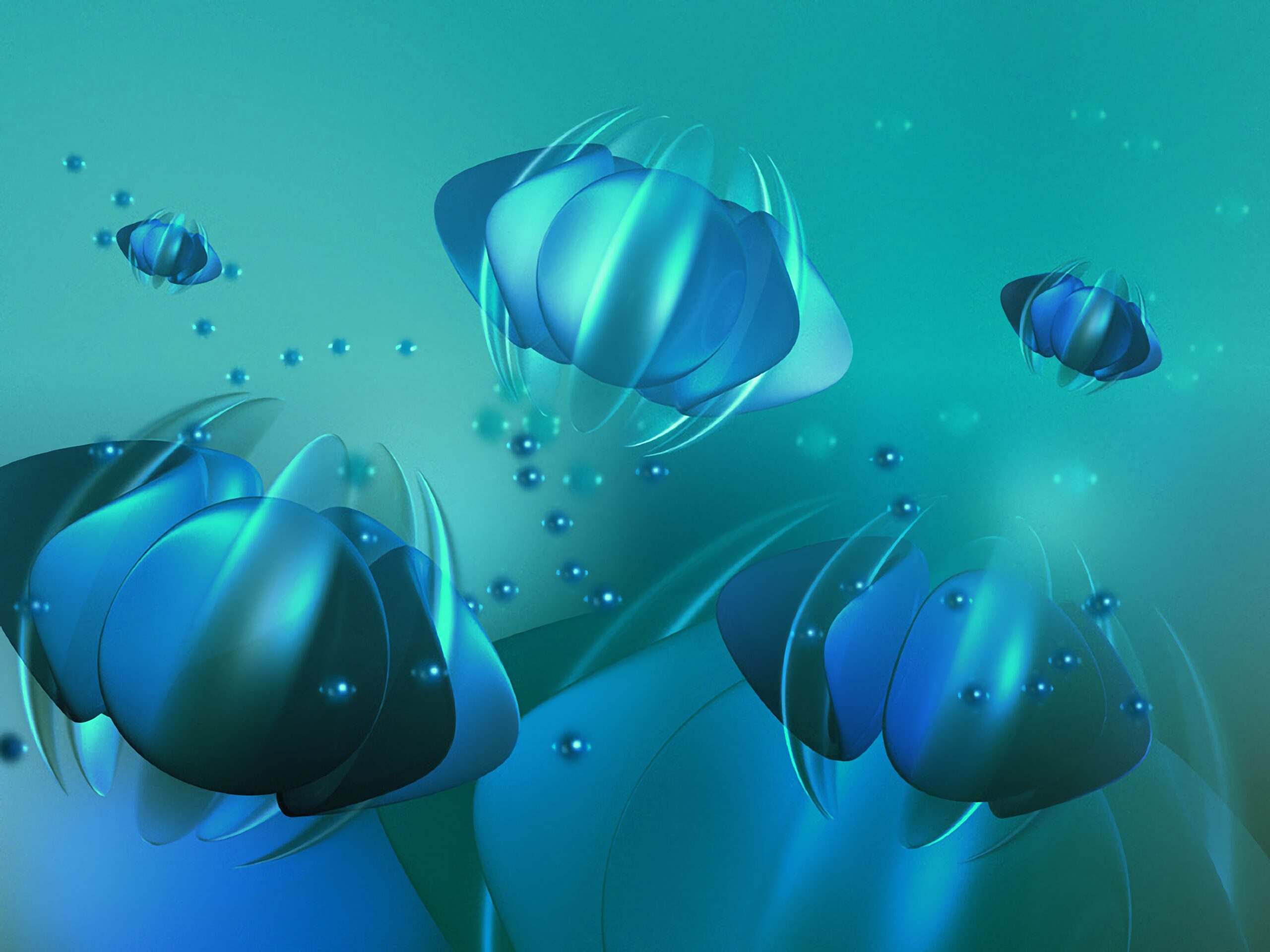
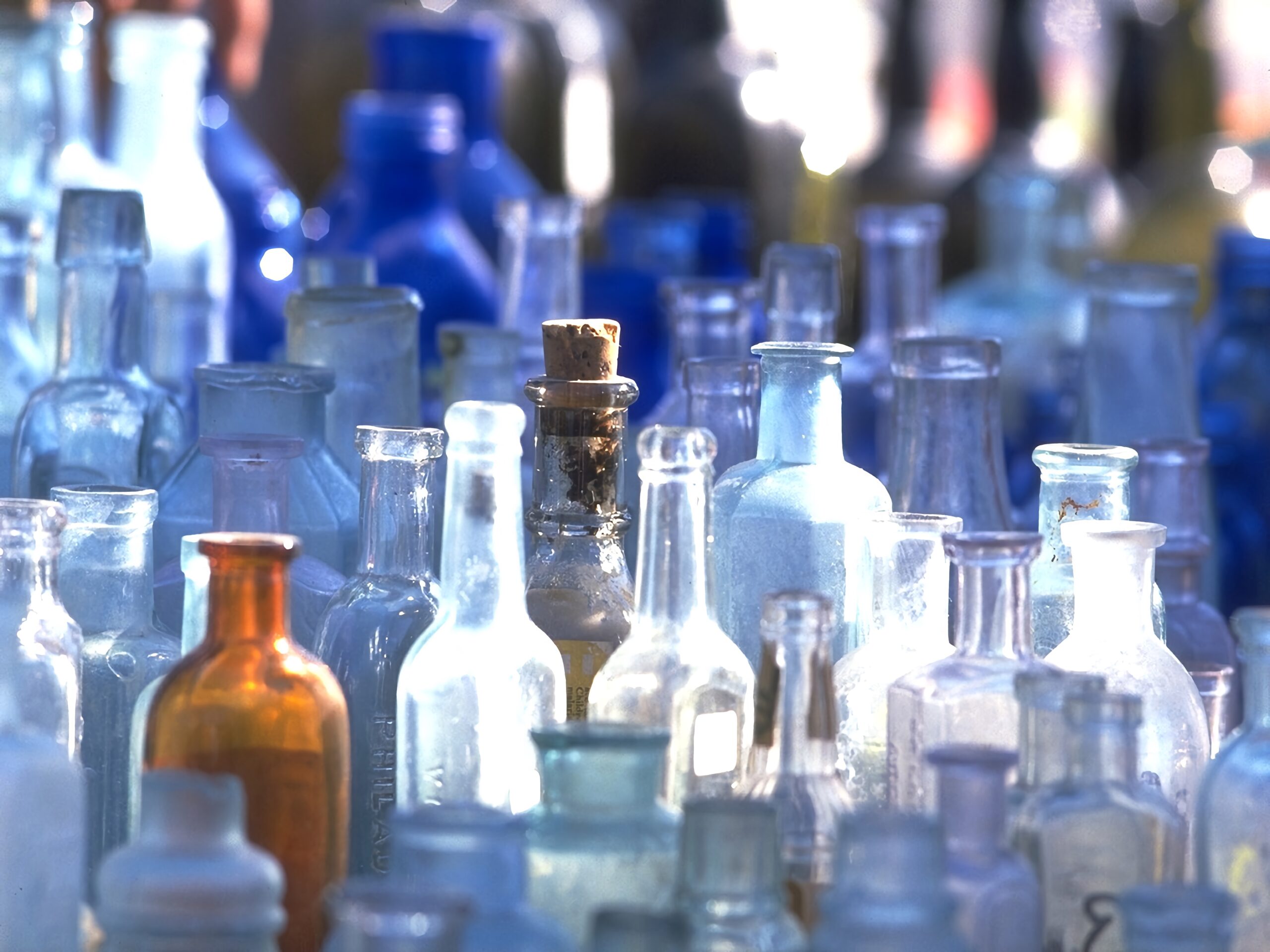
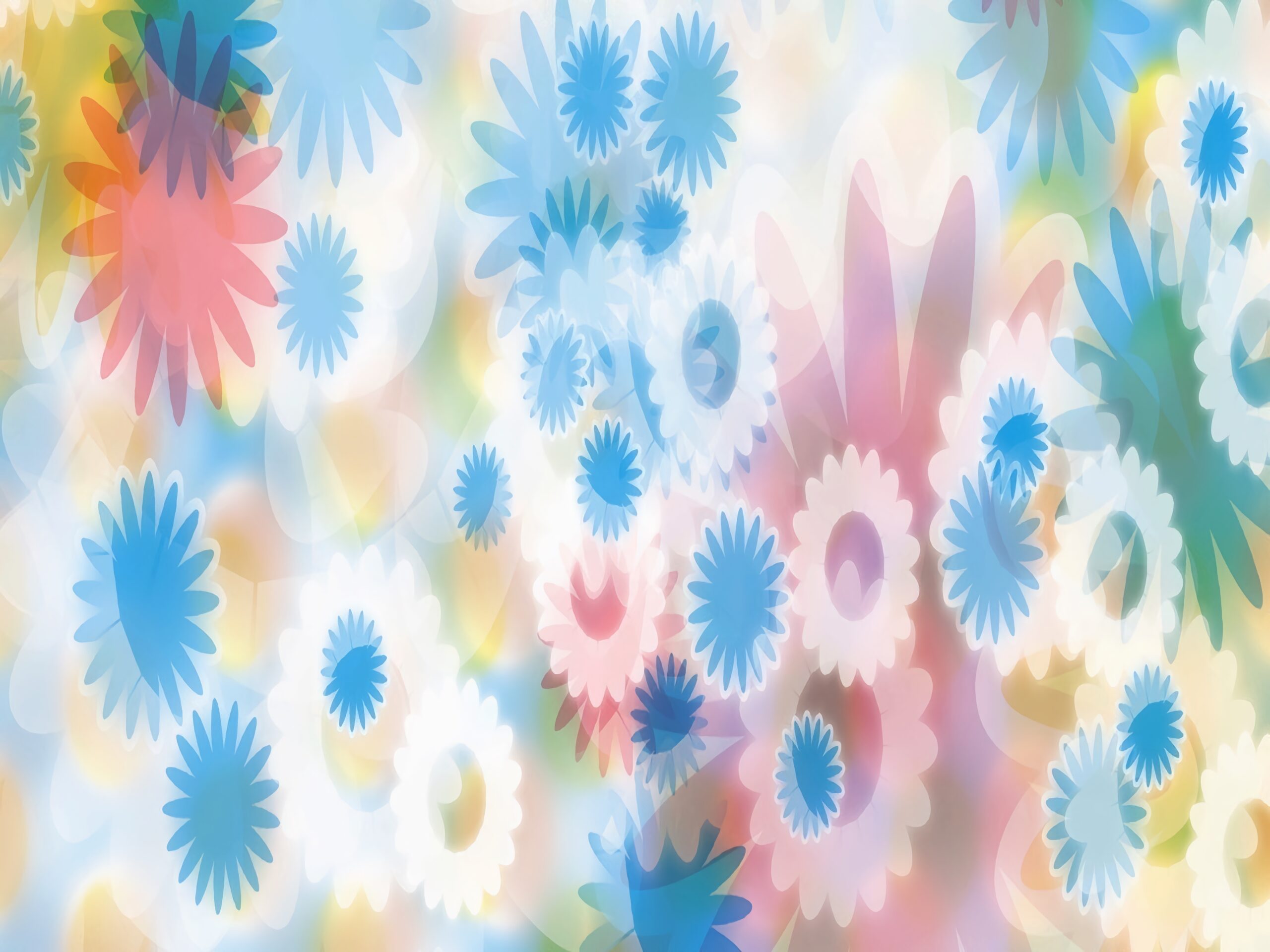
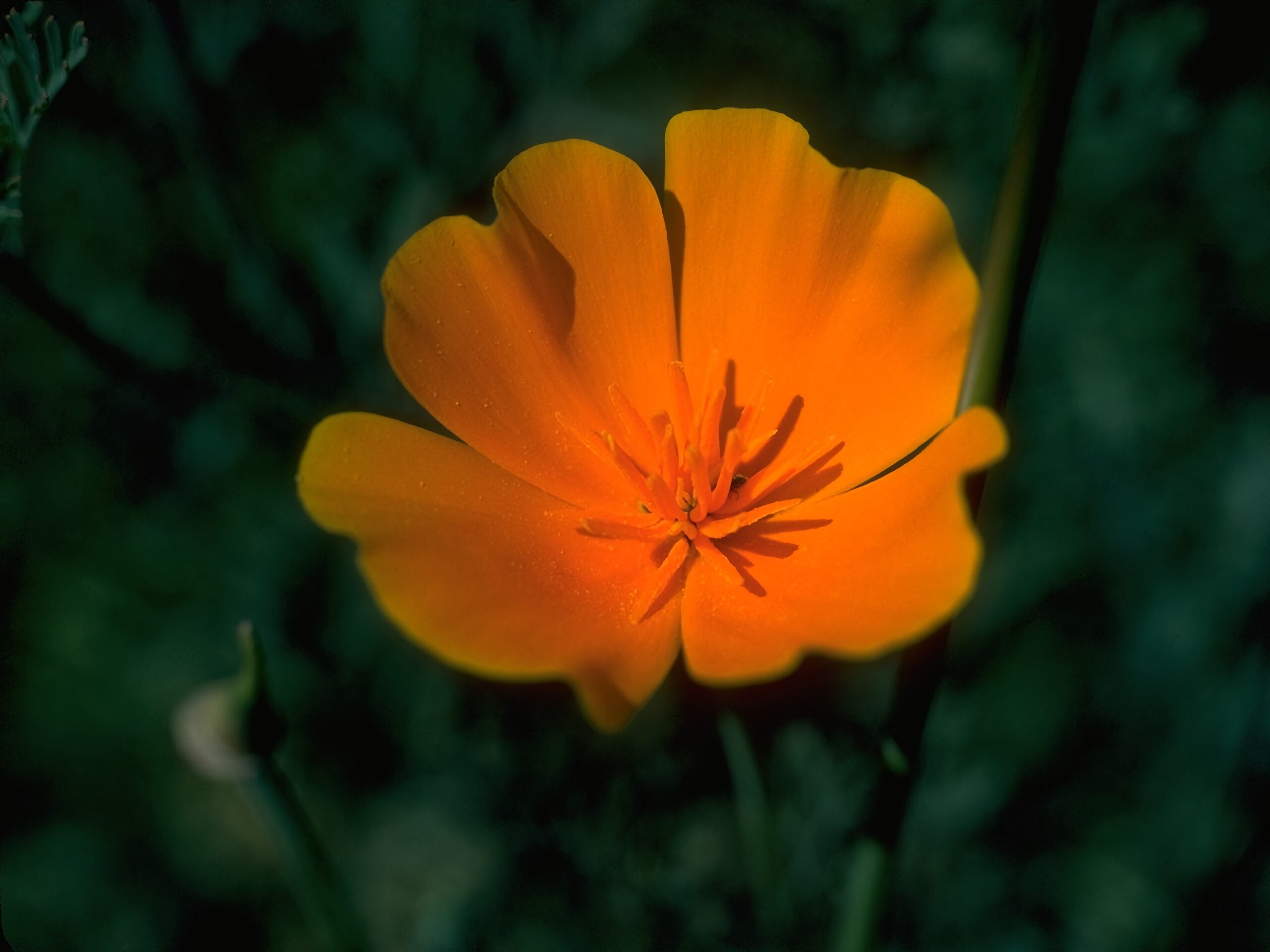

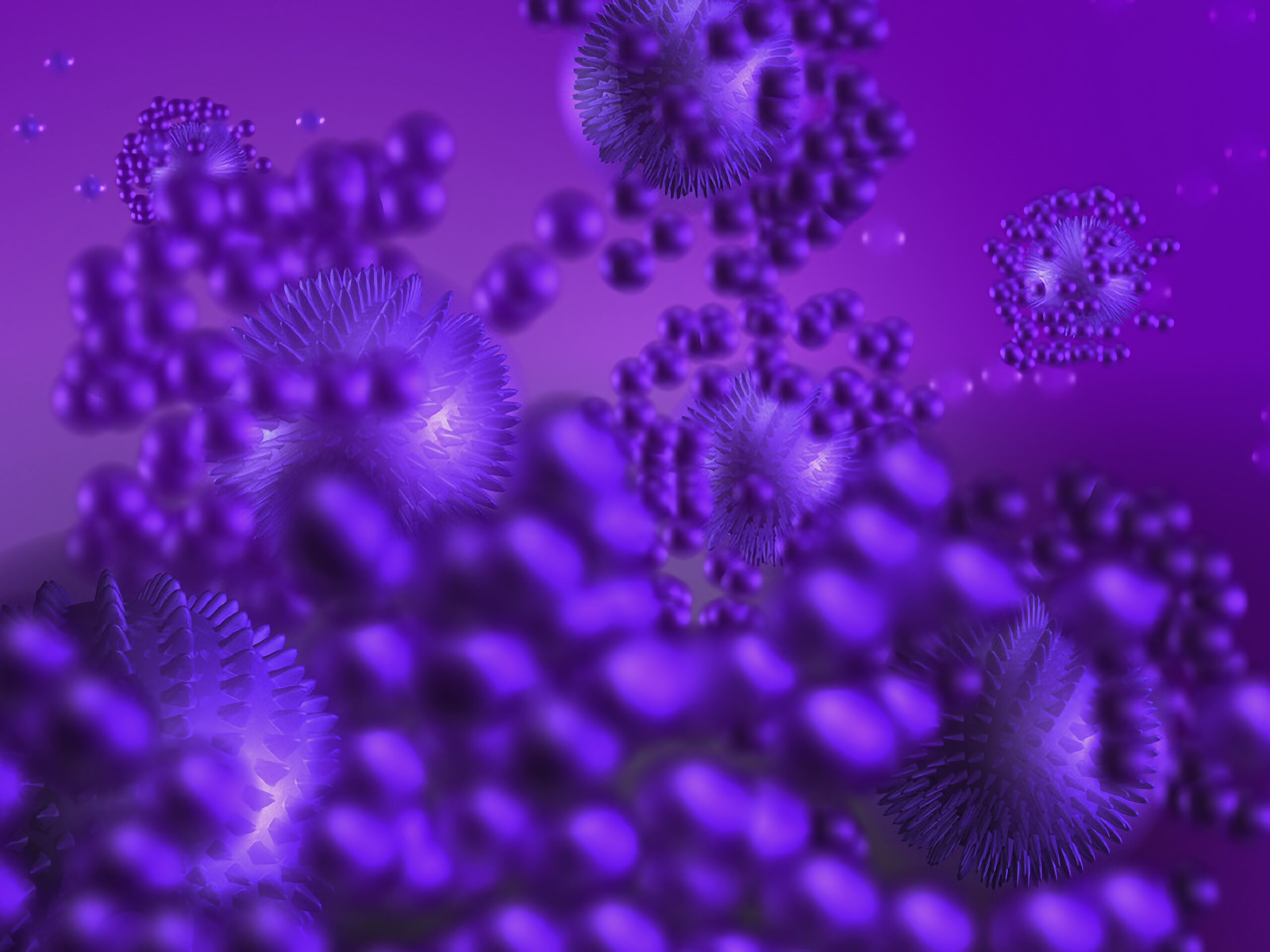

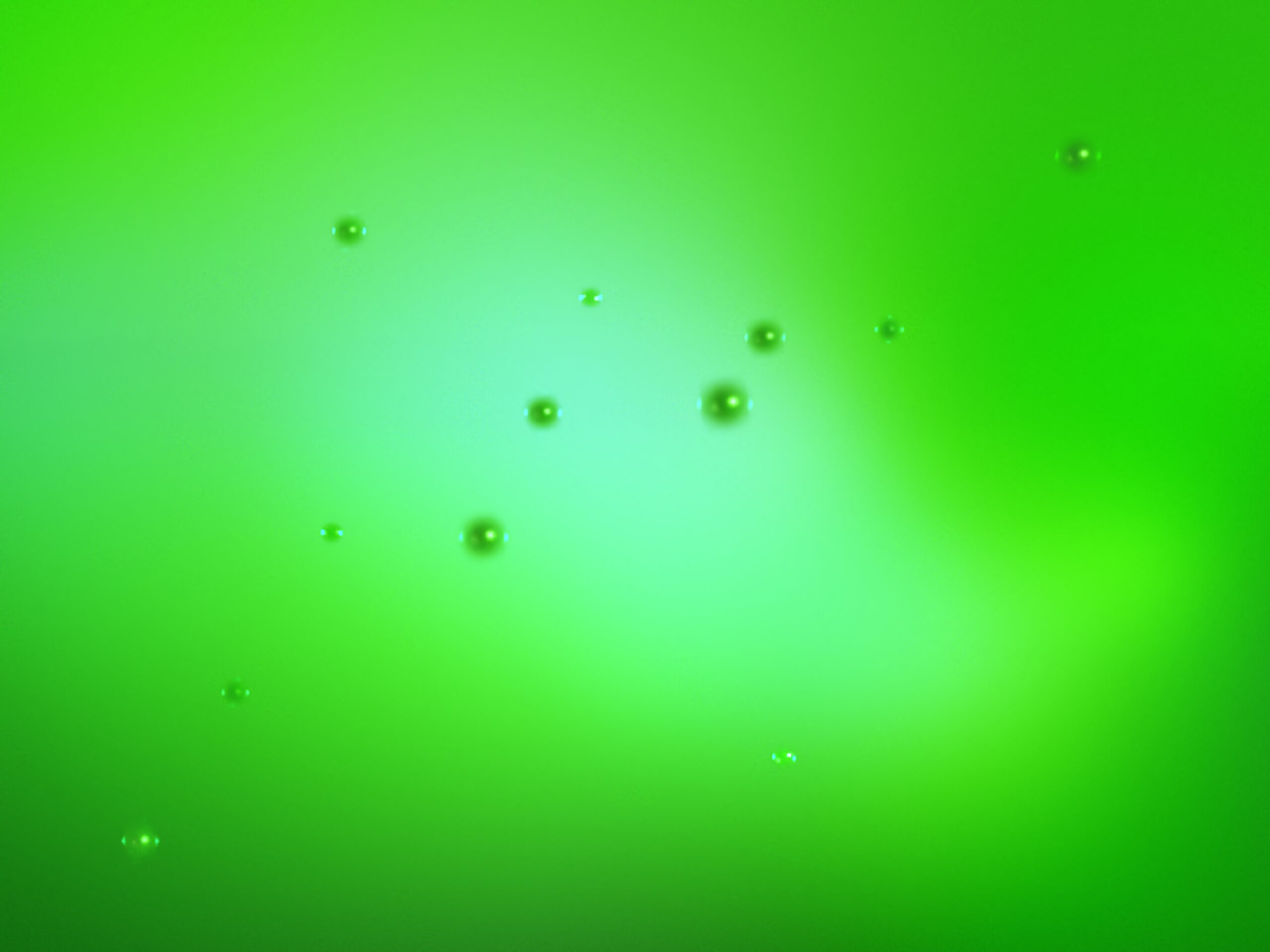

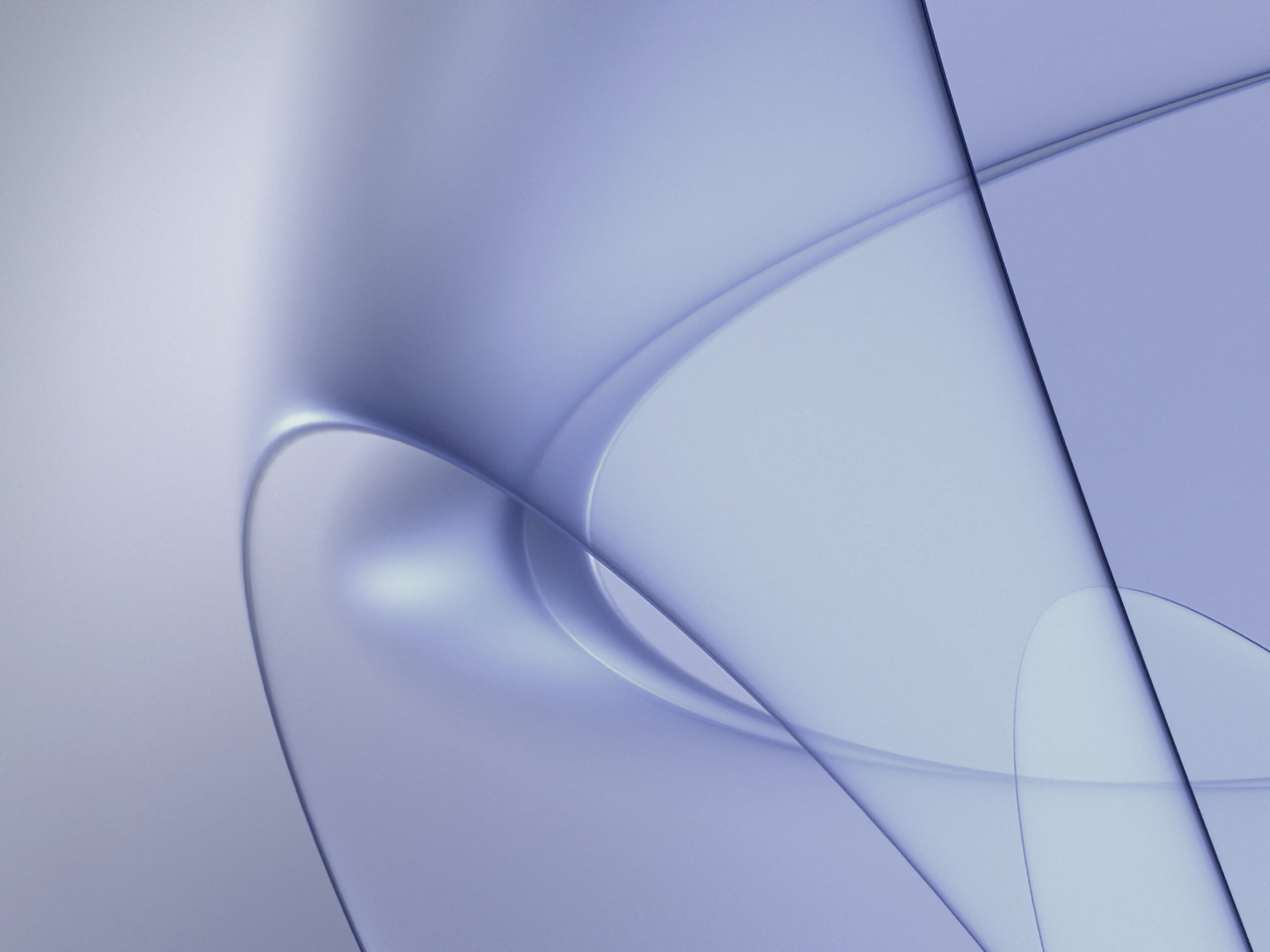
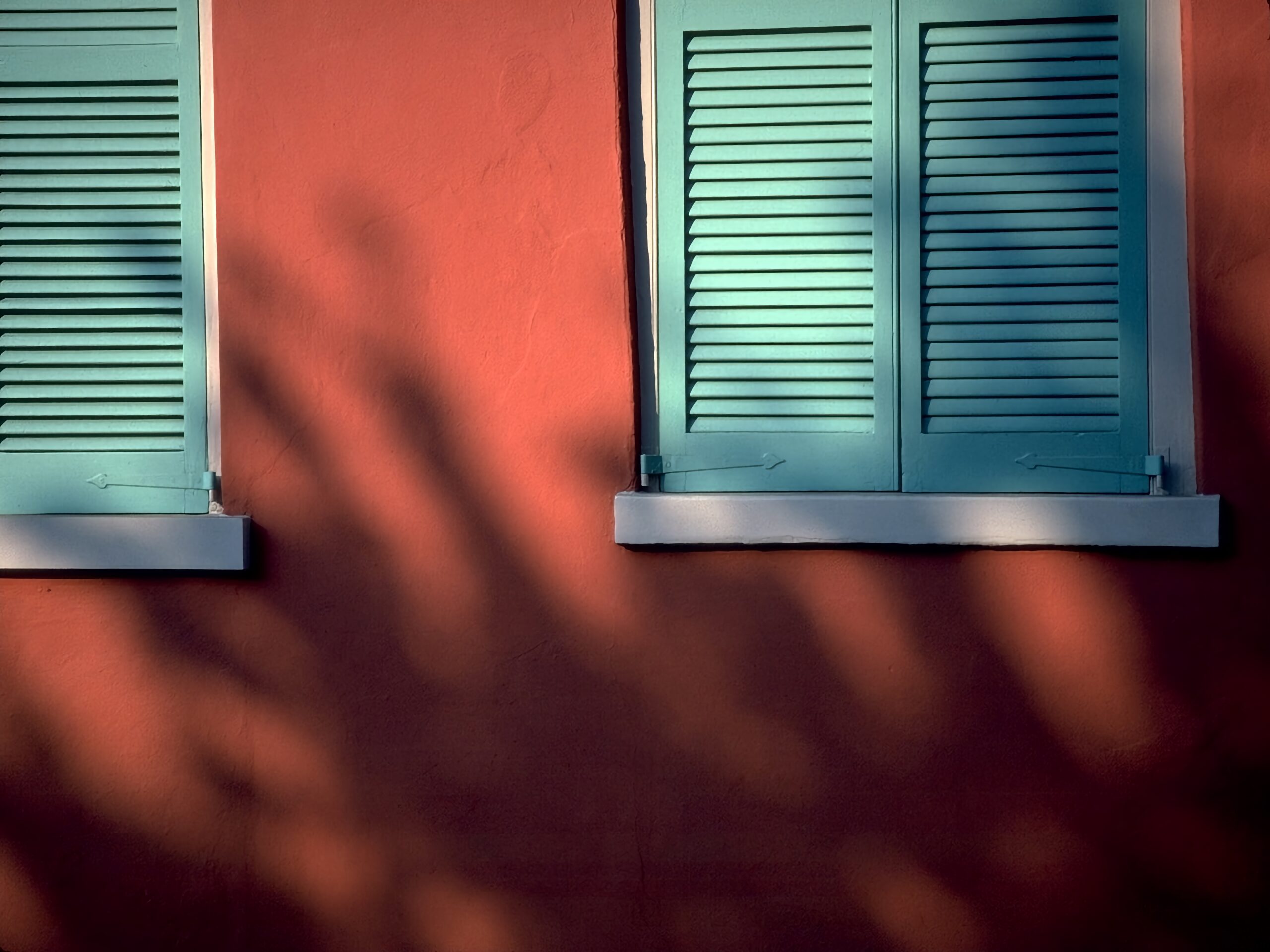
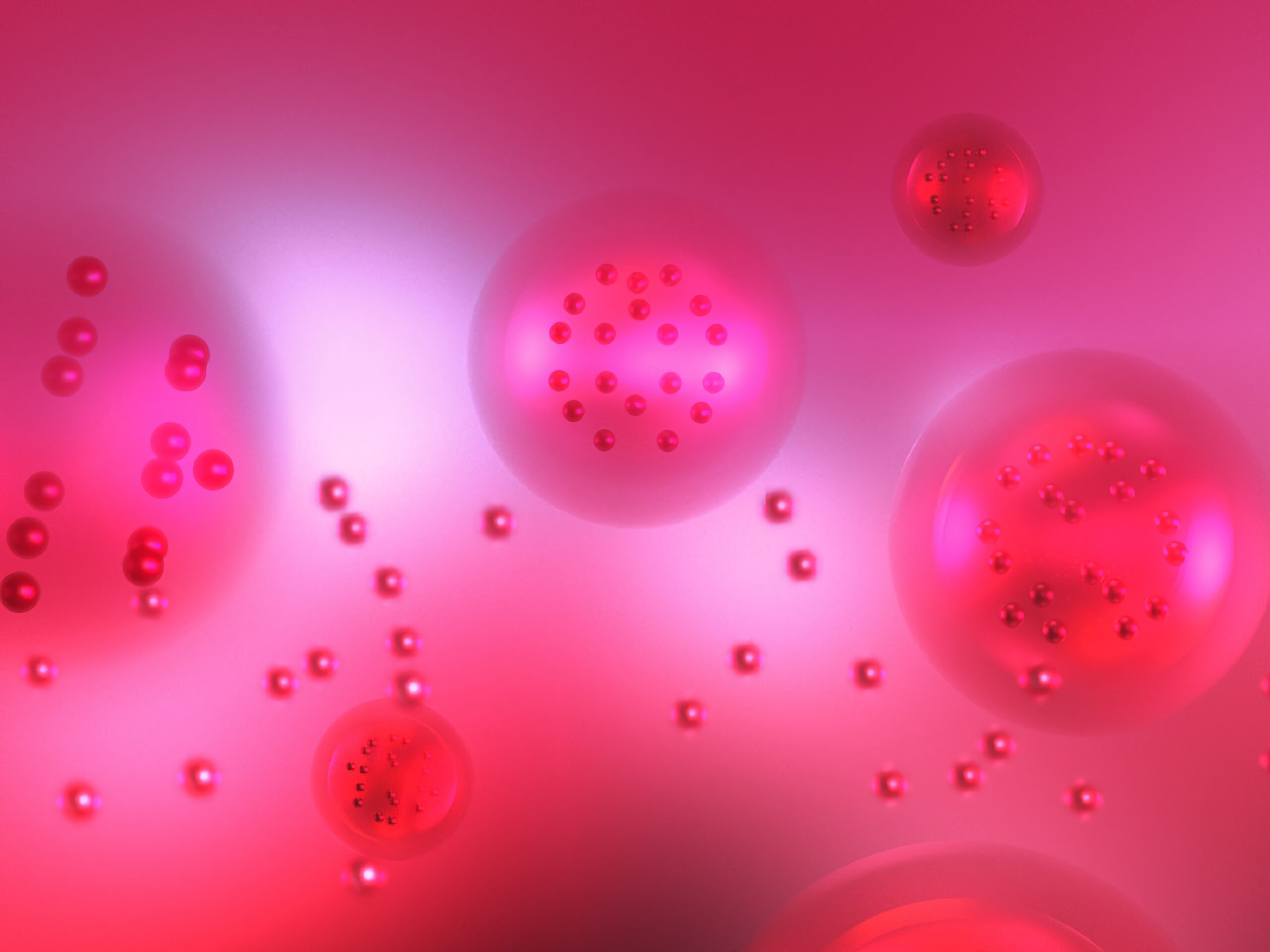
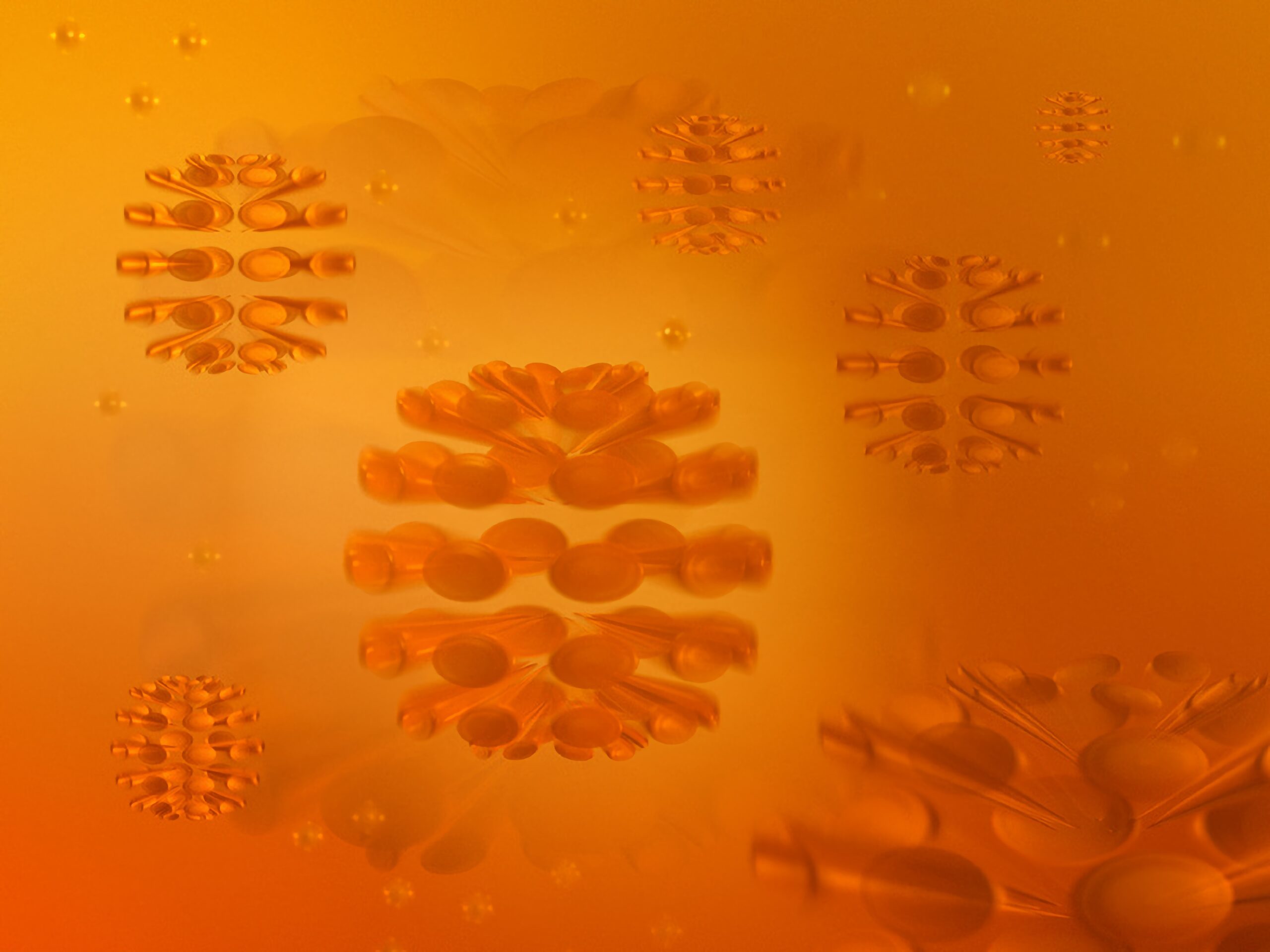

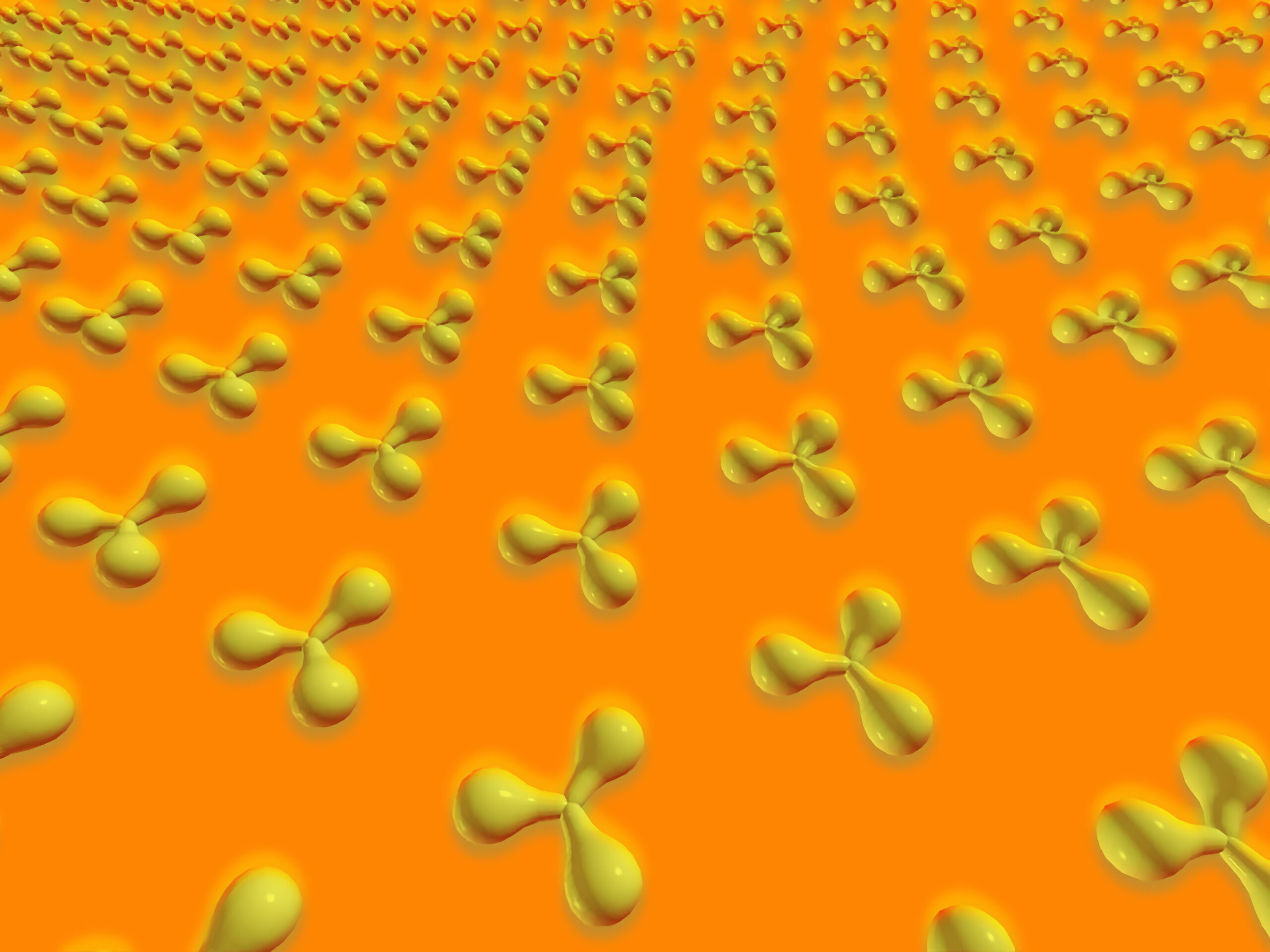
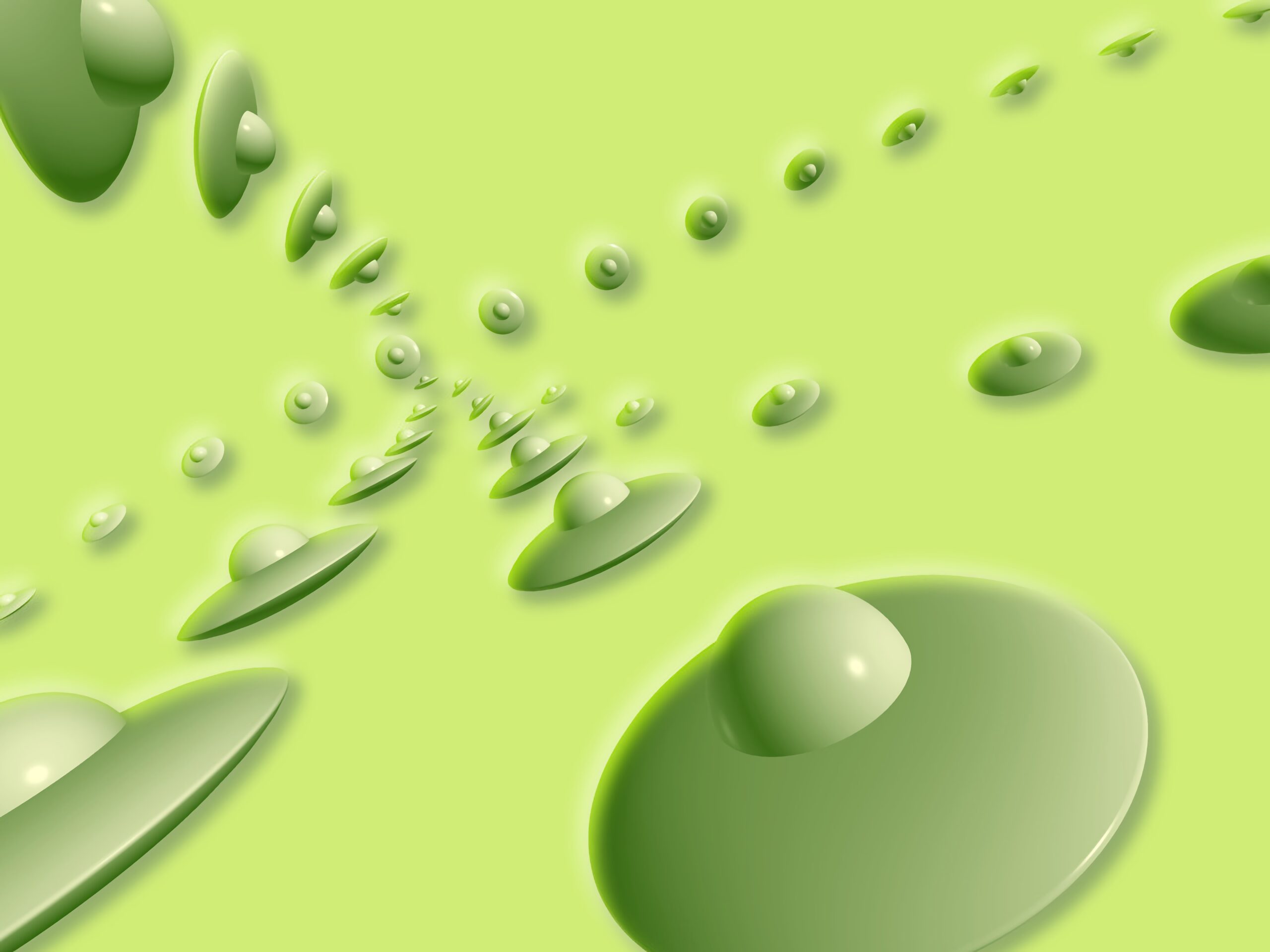
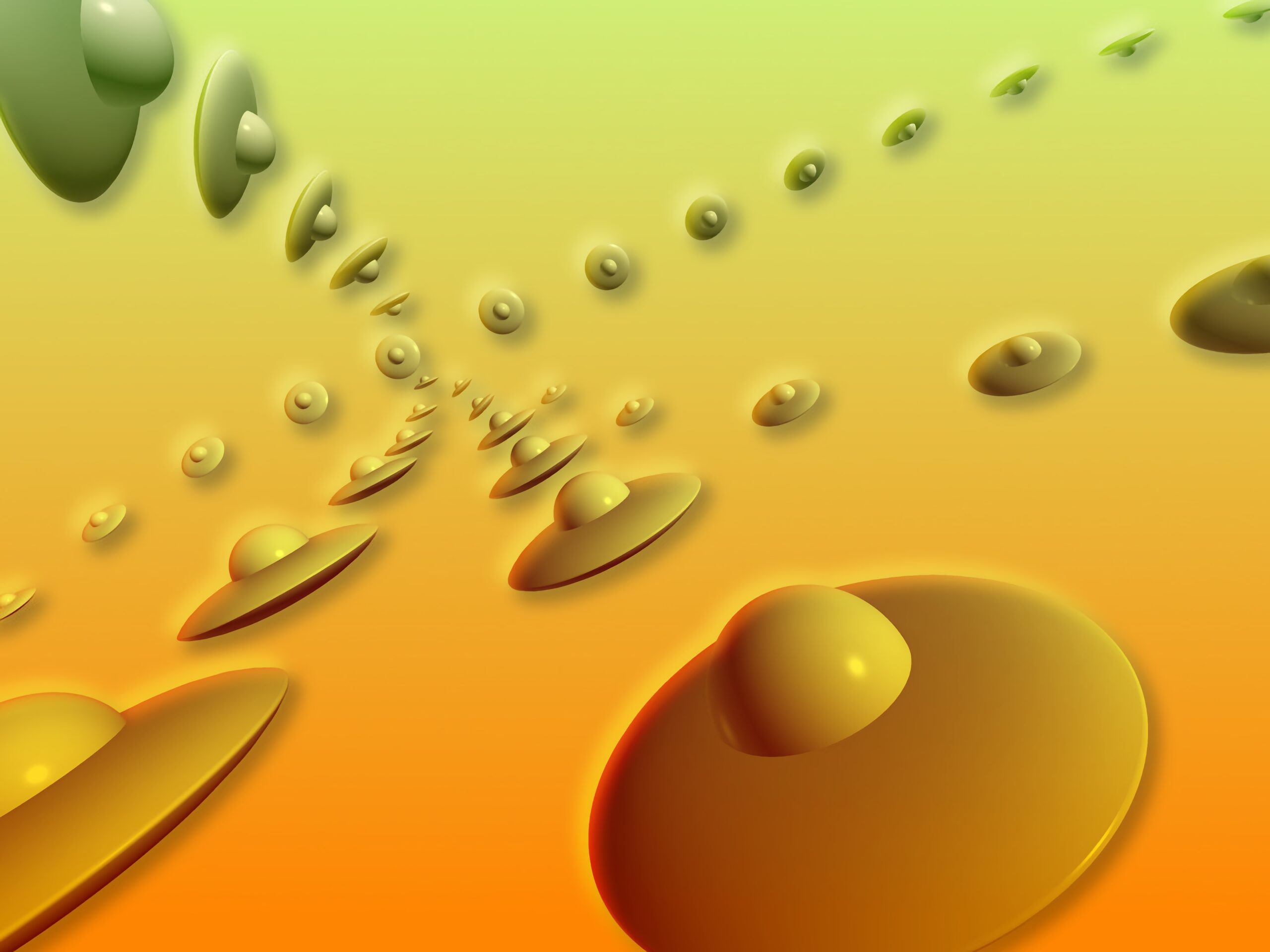
I pulled the originals out of an OS 9 installer then used Pixelmator Pro’s ML Super Resolution tool, running on a new M1 MacBook Air … which gave my 2019 Mac Pro a run for its money rendering these.
Apple Celebrates 40 Years at Cork⇢
The real news is that a photo of the Macintosh Portable is on Apple’s website in 2020: