Look, YouTube keeps serving me these ancient and weird Apple videos, so I’m going to keep sharing them here.
I mean, when is the last time you saw a lizard standing atop a beige Mac as a plane flies overhead?

Look, YouTube keeps serving me these ancient and weird Apple videos, so I’m going to keep sharing them here.
I mean, when is the last time you saw a lizard standing atop a beige Mac as a plane flies overhead?
In a group chat earlier, a buddy of mine brought up Microsoft’s Mac Business Unit and I had a flashback to this 2006 blog post by David Weiss:
I’m going to write a little bit more about what I do to help MacBU ship great software and provide some color around what’s it’s like to work on Mac software at Microsoft. Often when we have press events or special visits from our MVPs I’ll give them a tour of the Mac Lab and explain what we do. They’ve always found it very interesting and so I thought I’d share a virtual tour of our Mac Lab.
If you were an Apple Reseller in 1994 and were curious about Apple’s move to the RISC-based PowerPC platform, this video was for you:
If you were a professional Mac user in 1994 and were curious about Apple’s move to the RISC-based PowerPC platform, this video was for you:
Another fun old Apple video to kick off the week:
Andrew Yaros has rebuilt the Lisa’s user interface on the web, and it is glorious:
LisaGUI is a web OS inspired by the Lisa Office System, Apple’s first graphical user interface (GUI). It aims to perfectly recreate the Lisa’s iconic 1-bit UI directly in your browser.

I had only seen parts of this old WWDC session before this week, but it’s a fascinating one. The iMac segment in particular is fun, and the Macintosh Portable’s appearance caught me by surprise:
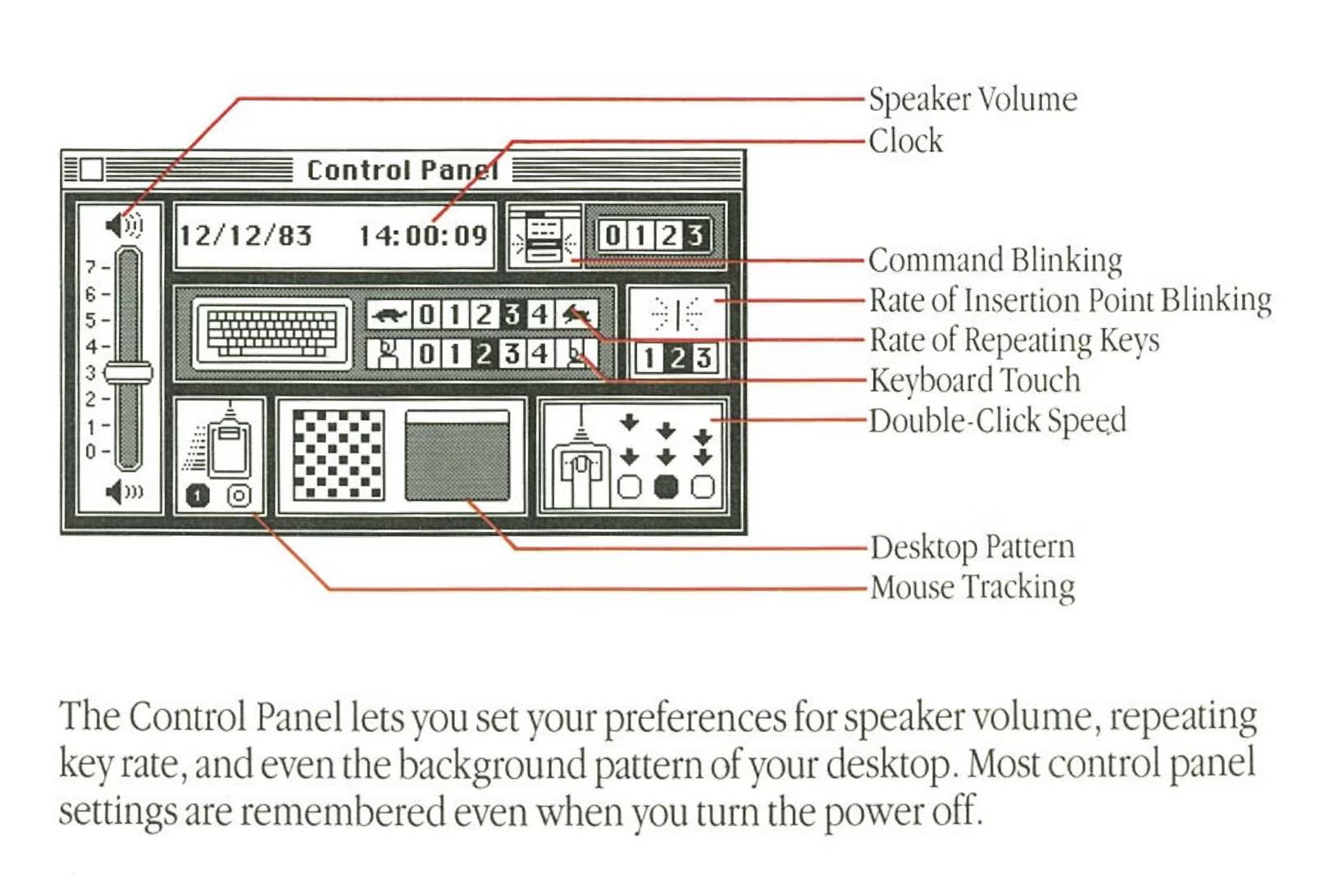
Marcin Wichary had put together something insanely great:
As a designer, I’m meant to dislike settings. As a user, I love them. Every year I celebrate Settings Day: a day when I take a look at the options and toggles in all the apps I use. I do this out of curiosity – what was added since the last time I looked? – but also because I love this way of getting to know software: peeking under the hood, walking the back alleys, learning what has been tricky or important enough to be equipped with a checkbox.
If you’ve been wondering why so many of us are sad about the end of FireWire — despite it being well past its prime — you have to go back to its start.
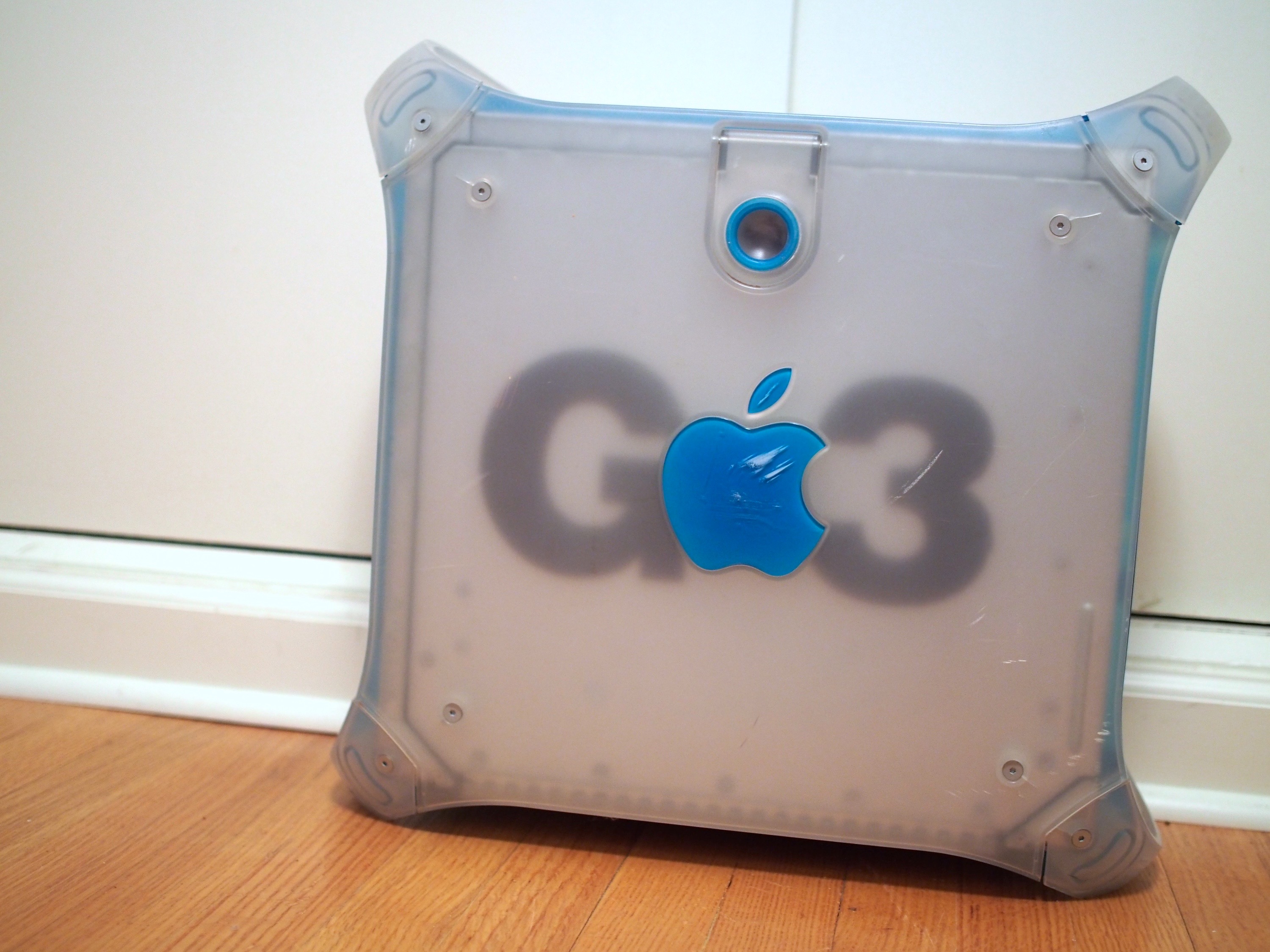
FireWire was first introduced with the “Blue and White” Power Mac G3 back in 1999. This is mine, a machine I used way back at my high school job. It now lives in my studio:
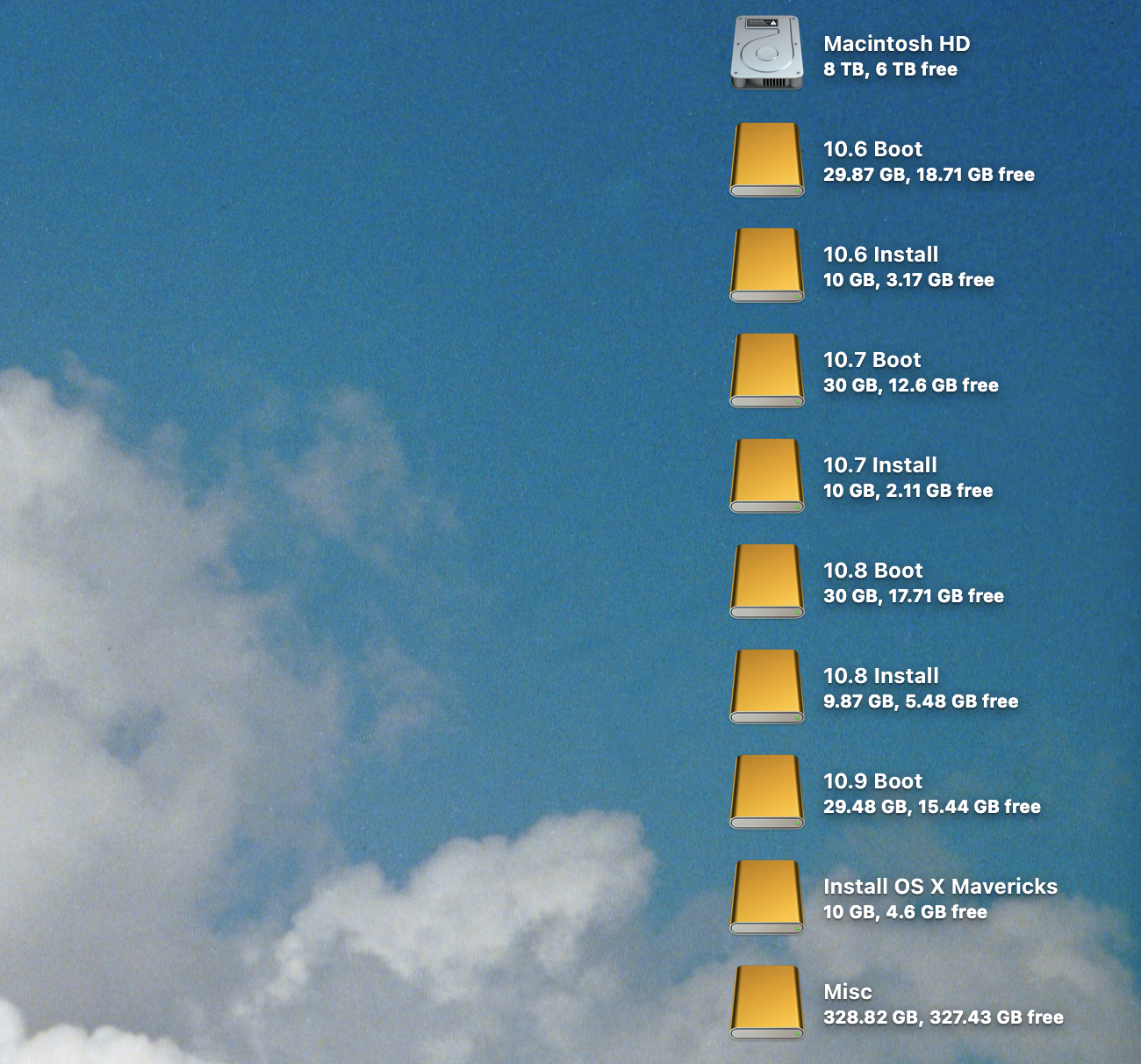
It has been reported that macOS Tahoe doesn’t include support for FireWire devices. To see for myself, I dug out an old FireWire 800 drive I used to use in my Apple service tech days. This baby has a lot of volumes on it, all of which appeared when plugged into my MacBook Pro running macOS Sequoia:
Getting this old drive plugged into a modern Mac requires a trip to Dongletown:
John Gruber, responding to my article celebrating Tahoe Beta 2’s new Finder icon:
I’m going to strongly disagree here. The Tahoe beta 2 Finder icon is slightly better, but seeing it this way makes it obvious that the problem with the Tahoe Finder icon isn’t whether it’s dark/light or light/dark from left to right. It’s that with this Tahoe design it’s not 50/50. It’s the appliqué — the right side (the face in profile) looks like something stuck on top of a blue face tile. That’s not the Finder logo.
In the wake of Apple’s Liquid Glass announcements at WWDC, I took some time and rewatched the Macworld San Francisco Keynote from 2000, when Steve Jobs introduced the world to the Aqua user interface:
Here’s how Apple PR wrote about it at the time:
“Mac OS X will delight consumers with its simplicity and amaze professionals with its power,” said Steve Jobs, Apple’s iCEO. “Apple’s innovation is leading the way in personal computer operating systems once again.”