The Windows-on-New-Macs Ball is in Microsoft’s Court⇢

Craig Federighi, in an interview with Ars Technica, speaking about Windows on Apple Silicon Macs:

We have the core technologies for them to do that, to run their ARM version of Windows, which in turn of course supports x86 user mode applications. But that’s a decision Microsoft has to make, to bring to license that technology for users to run on these Macs. But the Macs are certainly very capable of it.

Continue reading ⇢

Apple Reduces App Store Comission to 15% for Small Developers⇢

This morning, Apple announced a change coming to the App Store next year:

Apple today announced an industry-leading new developer program to accelerate innovation and help small businesses and independent developers propel their businesses forward with the next generation of groundbreaking apps on the App Store. The new App Store Small Business Program will benefit the vast majority of developers who sell digital goods and services on the store, providing them with a reduced commission on paid apps and in-app purchases. Developers can qualify for the program and a reduced, 15 percent commission if they earned up to $1 million in proceeds during the previous calendar year.

Continue reading ⇢

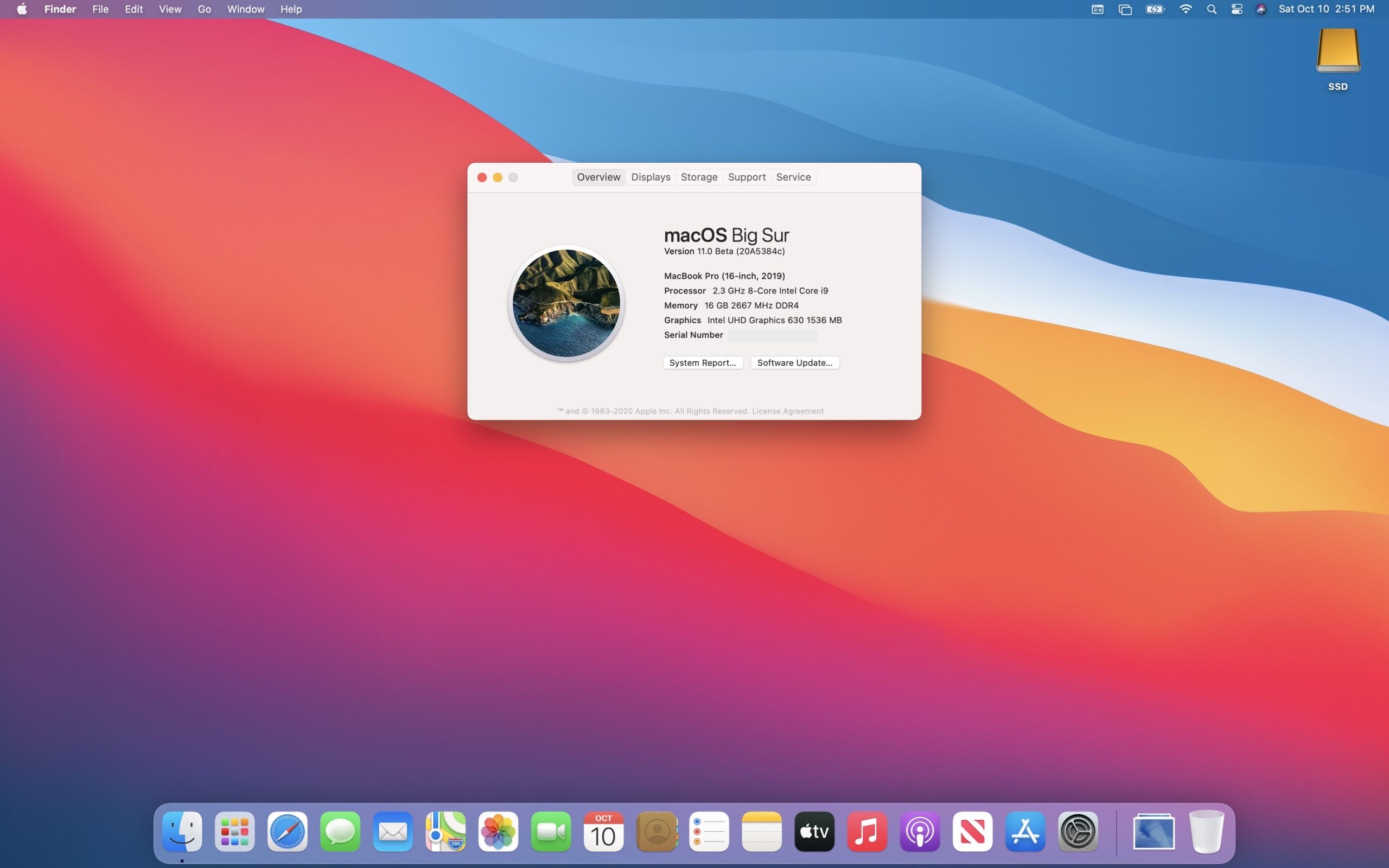
The MacStories Big Sur Review⇢

John Voorhees:

Big Sur is a big deal. The OS picks up where Catalina left off, further rationalizing Apple’s product lineup through design, new ways to bring apps to the Mac, and updates to existing system apps. The approach realigns functionality across Apple’s platforms after years of divergence from their common foundation: Mac OS X. The result is an OS that walks a perilous line between breaking with the past and honoring it, acknowledging the ways computing has changed while aiming for a bold future.

Big Sur also clarifies Apple’s Mac strategy, the contours of which began to emerge with Catalina. It’s a vision of a continuum of computing devices that offer a consistent, familiar environment no matter which you choose while remaining true to what makes them unique. In practical terms, that means a carefully coordinated design language and a greater emphasis on feature parity across OSes. Conceptually, it’s also an opportunity for macOS to shed the perception that it’s a legacy OS overshadowed by iOS and reclaim a meaningful place in Apple’s lineup for years to come.

Continue reading ⇢

On Running Virtual Machines on M1-Powered Macs

With M1 Macs mere days away for early adopters, those who need to run virtual machines on their Macs may have a bumpy time ahead.

Here’s Nick Dobrovolskiy with Parallels:

It is important to note that currently available versions of Parallels® Desktop for Mac cannot run virtual machines on Mac with Apple M1 chip. Good news: A new version of Parallels Desktop for Mac that can run on Mac with Apple M1 chip is already in active development.

When Apple Silicon Mac was first announced during the keynote at WWDC on June 22 of this year, Apple demoed a Parallels Desktop for Mac prototype running a Linux virtual machine flawlessly on Apple Silicon. Since WWDC, our new version of Parallels Desktop which runs on Mac with Apple M1 chip has made tremendous progress. We switched Parallels Desktop to universal binary and optimized its virtualization code; and the version that we are eager to try on these new MacBook Air, Mac mini and MacBook Pro 13″ looks very promising.

Continue reading ⇢

Three More Things

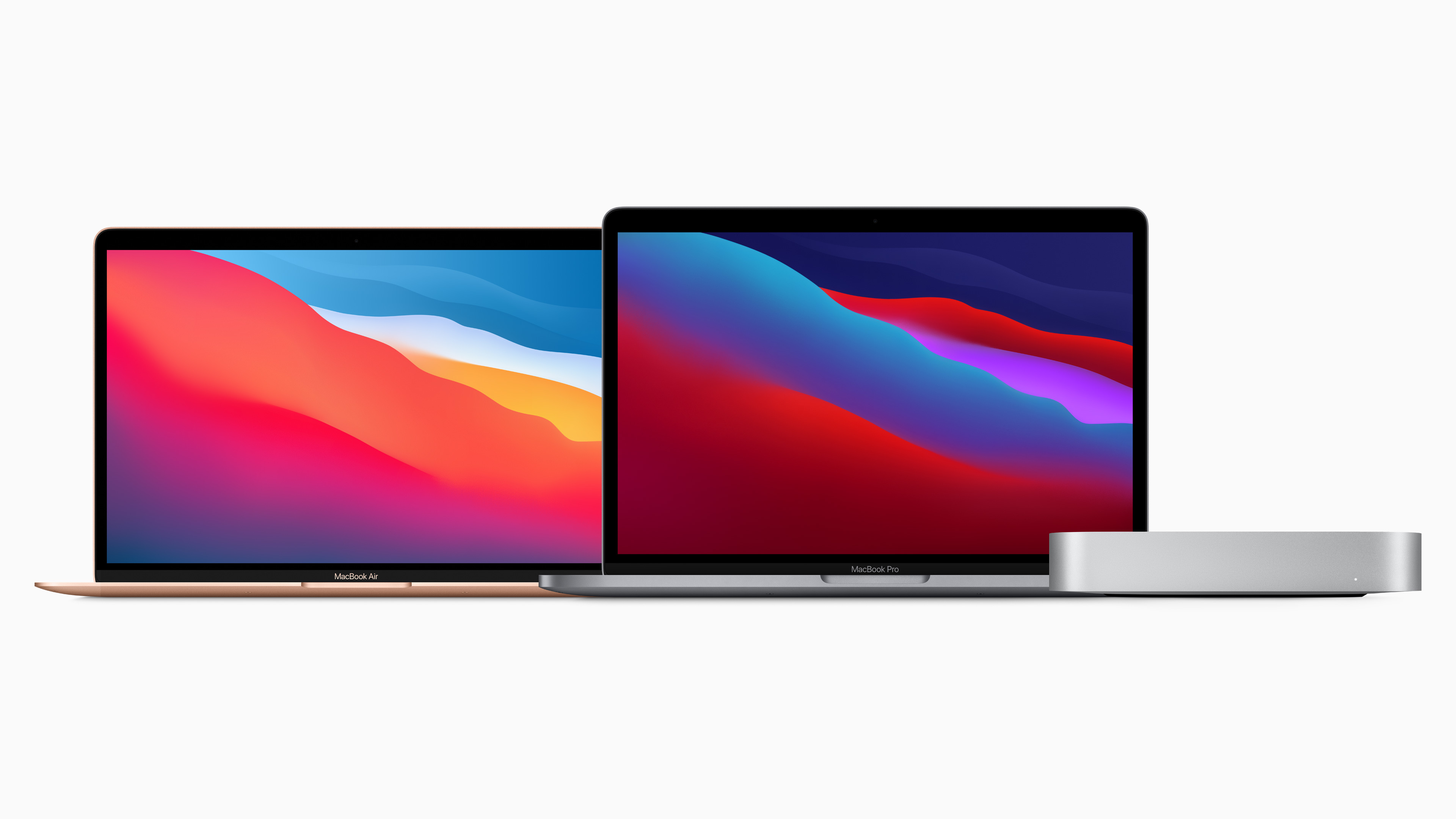
At its event today, Apple unveiled three new Macs, all powered by the new M1 chip. The MacBook Air and Mac mini are now powered by Apple’s own silicon, as are two of three default configurations of the 13-inch MacBook Pro.

Apple isn’t saying anything about the clock speed of the M1, just like they’ve remained silent about these figures when announcing new iPhones and iPads. One can assume that future M-class chips will be faster than these, but it’s all Bezos Charts from here:

Continue reading ⇢