On the Mac Pro, the G4 Cube and Their Shared Vent Design

In a recent episode of ATP, the guys spoke about a conversation that was overheard at WWDC between Tim Cook and Jony Ive that included an interesting detail of the holes in the front and back of the new Mac Pro:

Then there’s video Marco posted on Twitter, in which Ive appears to compare the opening of the Mac Pro to the Cube:

Well, I was in the right place at the right time. pic.twitter.com/9ib25nwbOL

Continue reading ⇢

Putting the Mac Pro’s Price into Historical Context

Editor’s Note: This is a guest post by Ed Cormany, co-host of the excellent podcast Simple Beep, which focuses on the history of Apple and the Mac.


When Apple announced the new Mac Pro last week, one of the things that got the most attention was its price tag: the base configuration will cost $5,999. The question is whether it’s an outlandish price for what is far and away the most powerful Mac ever sold. The fact is that Apple has definitely charged that much in the past for its hardware.

Continue reading ⇢

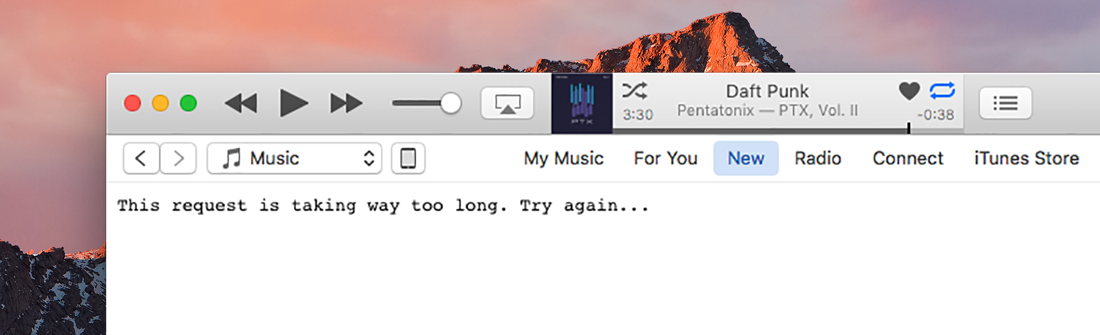
A Collection of iTunes Errors⇢

Allen Pike has put together a wonderful blog post looking at various iTunes errors over the years:

Once upon a time, Apple debuted an application for playing music.

Yes, an application. That’s what we called apps back when dinosaurs roamed the Mac. And one of the most-loved applications back in that ancient era was for playing your MP3s. It was called iTunes.

I think this one is my favorite:

Continue reading ⇢

The Lombard PowerBook G3 (Bronze Keyboard)

This week marks the second anniversary of the 512 Pixels Membership. To mark the occasion, I am sharing this article, which was sent in this month’s members-only newsletter. To learn more and sign up, visit this page.


Today, the vast majority of Macs sold are notebooks, and as we Mac nerds eagerly await a redesigned MacBook Pro, it’s easy to forget just how far Mac notebooks have come over the years.

In May 1999, Apple introduced the “PowerBook G3 (Bronze Keyboard)” which was an update to the black, curvy notebooks of the day. True to its name, it shipped with semi-transparent bronze keys that exposed the keyframes underneath under direct light.

Continue reading ⇢

History of Gold Apple Watches⇢

Zac Hall at 9to5Mac, writing on the weird history of the use of gold and gold finishes when it comes to the Apple Watch:

Apple Watch has a curvy history with the color gold and accompanying straps. The original 18K gold Apple Watch Edition paired with a range of straps before being discontinued. Aluminum models have included three shades of gold (rose gold, gold, and “new” gold) with Sport and (now discontinued) Woven Nylon bands using gold hardware. Gold variations aren’t sold separately either which makes them somewhat rare.

Continue reading ⇢

Apple’s W.A.L.T. Prototype: Wizzy Active Lifestyle Telephone⇢

I know a lot about Apple history, and I’ve never come across this device until today. Juli Clover writes:

Unsurprisingly, the W.A.L.T. takes a while to start up given its age, but it’s functional, running Mac System 6. The W.A.L.T. featured a touchscreen, fax functionality, on-display caller ID, a built-in address book, customizable ringtones, and online banking access.

As shown in the video, it had a series of hardware buttons for activating various functions, and it worked with a connected stylus that could be used for navigation and writing. There’s a ton of lag when using the stylus, though, so writing doesn’t look great.

Continue reading ⇢

The Late 2012 iMacs⇢

Yours truly, over at MacStories:

The recent iMac updates brought additional power and flexibility to Apple’s all-in-one desktop, but didn’t redesign or modernize the iMac as we’ve known it for many years.

As the 21.5- and 27-inch machines are here to stay for at least a while longer, I thought it would be a good time to look back at the first of their kind, introduced at a press event in October 2012.

Continue reading ⇢

The Alpha Xenon Development Kit

When Microsoft was developing the Xbox 360, it turned to the PowerPC processor to power the console. To allow developers to work on software before the exact chip Microsoft wanted was ready, it turned to the Power Mac G5. The company used the original dual 2 GHz model, as well as the updated 2004 variant of the tower, and wrote a bunch of custom software for it, including a complete operating system.

Continue reading ⇢